AfD Wins Saxony-Anhalt Vote as Coalition Uncertainty Clouds Household Outlook
AfD’s Saxony-Anhalt win raises uncertainty over coalition talks, energy policy, sanctions and the economic outlook for households and investors.

AfD’s Saxony-Anhalt win raises uncertainty over coalition talks, energy policy, sanctions and the economic outlook for households and investors.

U.S. envoys discussed Ukraine peace plans with Putin before Kyiv talks, a development that could affect household costs, currencies and investors.

Putin said chances for peace exist, while Zelenskyy said U.S. envoys will visit Kyiv and Moscow, reviving focus on the war’s impact on budgets and markets.

The EU pledges ongoing support to Ukraine amid conflict, maintaining sanctions on Russia that affect European household budgets, currency markets, and investors.

NATO responds to Iranian threats targeting European military sites, signaling potential impacts on household budgets, currency markets, and consumer prices amid rising tensions.

Rising tensions in the Strait of Hormuz threaten oil supply stability, potentially driving up fuel costs and affecting household budgets and investments globally.

More than 180 drones were intercepted near Moscow, causing injuries and property damage that impact household safety, local infrastructure, and consumer costs.

The US plans to declare the Strait of Hormuz as its territory, potentially raising energy prices worldwide and impacting household budgets due to ongoing military tensions with Iran.

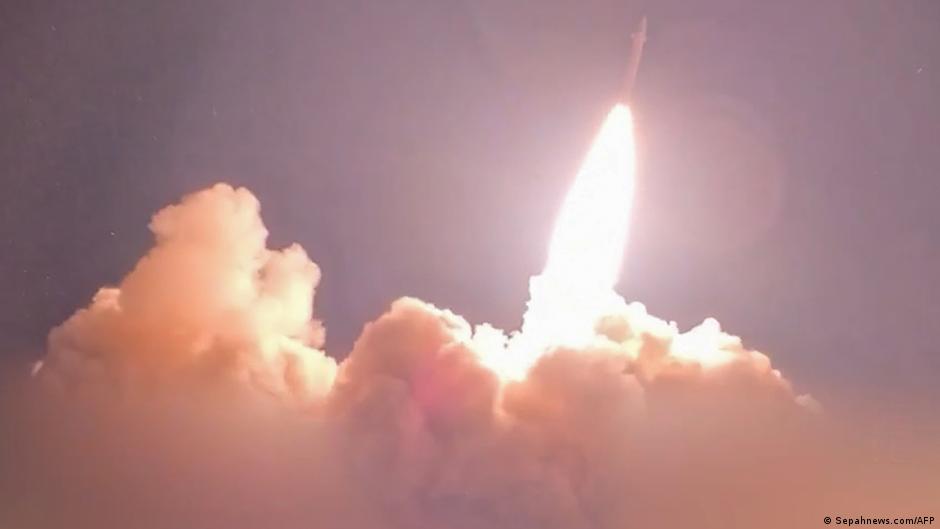
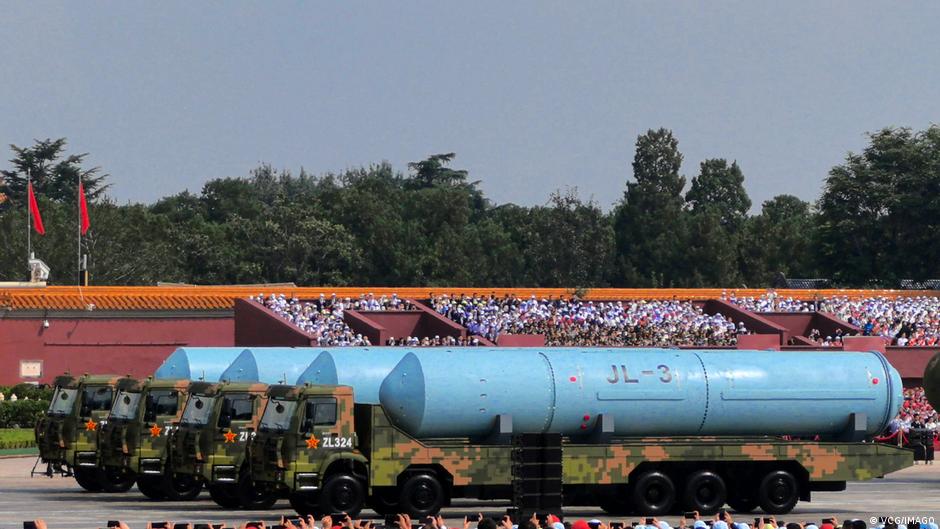
Over 40 countries demand 24-hour advance notice of ballistic missile tests to reduce risks and protect global economic and financial stability impacting households and investors.

US Senate sanctions targeting Russian energy exports may drive higher fuel prices and inflation, affecting household budgets and investors worldwide.

Ukrainian and Serbian presidents meet in Belgrade, focusing on economic and energy cooperation that may influence household budgets and consumer costs in both countries.

Ukraine's 40-day operation against Russian energy infrastructure disrupts fuel supplies, raising global prices and impacting household budgets and investors worldwide.

US-Iran talks resume August 3 as military strikes are postponed, affecting oil prices, currencies, and household budgets globally amid ongoing geopolitical tension.

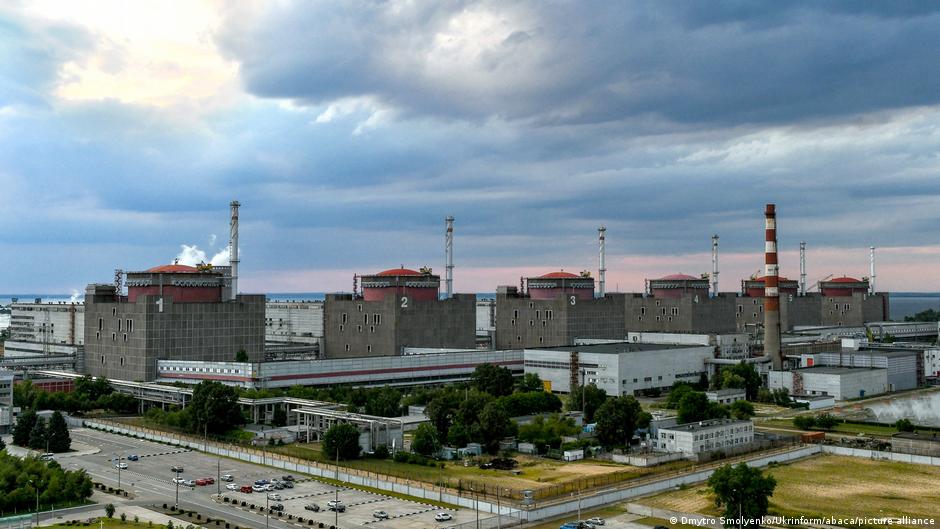
The Zaporizhzhia Nuclear Plant’s repeated power outages threaten regional energy stability, pushing up costs and straining household budgets amid ongoing conflict.

NATO's plans to expand nuclear deterrence in Europe could influence household budgets and market stability amid rising geopolitical tensions.

The US-declared Hamas disarmament deal signals potential easing of Middle East tensions, likely impacting global currencies, commodity prices, and investment markets.

US intercepts Iranian missiles amid Middle East tensions, threatening global energy prices and impacting household budgets and savings worldwide.

The US Senate advances sanctions bill imposing steep tariffs on Russian imports, potentially raising prices and affecting household budgets and investments.

President Zelensky's Washington visit coincides with Senate moves to expand Russia sanctions, affecting household budgets and investment risks amid geopolitical tensions.

Iran’s Revolutionary Guard attacked an oil tanker near the Strait of Hormuz, threatening global oil supplies and raising fuel prices, impacting household budgets and investors worldwide.

US military deaths in the Iran conflict rise, increasing geopolitical risks that affect household budgets, currency markets, and investment decisions.

US-Iran conflict intensifies with nine nights of US strikes and Iranian retaliation, disrupting energy flows through the Strait of Hormuz and impacting global fuel prices.

US plans to allow Saudi uranium enrichment could raise oil prices, affect currencies, and impact household budgets and investments worldwide.

US strikes on Iran's infrastructure heighten risks of oil supply disruptions, driving up energy costs and impacting household budgets and investors worldwide.

Ukraine’s new Prime Minister Sergei Koretsky, an energy sector expert, could influence household utility costs and economic stability amid government reshuffle.

U.S.-Iran military clashes threaten to raise energy prices, impacting consumer costs, household budgets, and currency stability for everyday investors worldwide.

The US is negotiating to restore an Iraq-Syria oil pipeline to bypass the Strait of Hormuz, aiming to stabilize energy supplies and ease global household energy costs.

German President Steinmeier urges Europe to uphold international order and implement social reforms to stabilize economies and protect households amid rising geopolitical tensions.

US military strikes on Iran near the Strait of Hormuz risk disrupting oil supplies, driving up energy prices, and straining household budgets and investments globally.

US strikes on Iran have closed the crucial Strait of Hormuz, threatening global oil supplies and raising energy costs that impact household budgets and everyday investors worldwide.

Renewed US-Iran military strikes and sanctions threaten Strait of Hormuz shipping, risking higher oil prices and increased costs for households and investors worldwide.

US strikes on Iran and renewed sanctions risk disrupting global oil supplies, pushing energy costs higher and impacting household budgets and investors worldwide.

The US extended a temporary license allowing Serbia's NIS oil company to operate under sanctions, delaying Gazprom's divestment and easing potential fuel supply disruptions.

Yulia Navalnaya receives a European Prize for opposing Russia’s authoritarian regime, highlighting the broader economic and financial impacts on European households.

A temporary US-Iran ceasefire may lead to the reopening of the Strait of Hormuz, potentially lowering oil prices and easing fuel costs affecting households worldwide.

US strikes on Iranian military targets follow drone attacks on oil tankers near the Strait of Hormuz, risking higher energy prices and economic uncertainty for consumers worldwide.

Italy and France express concerns over the EU’s proposed entry ban on Russian combatants, warning of potential broader restrictions and economic impacts for households and investors.

A drone attack caused a fire at a key oil depot near Krasnodar, disrupting regional fuel supplies and raising energy costs for households in Southern Russia.

US and Iran agree on a communication channel to prevent incidents in the Strait of Hormuz, aiming to stabilize global oil supply and ease household energy costs.

Germany urges Turkey to exclude Russian gas from future EU contracts, affecting energy prices, household budgets, and currency markets amid evolving geopolitics.

The EU has extended sanctions on Russia to one year, intensifying economic pressures that may raise energy costs and impact European household budgets and savings.

The US has ended its blockade of the Strait of Hormuz, allowing increased oil shipments that could stabilize fuel prices and ease household budget pressures worldwide.

The reopening of the Strait of Hormuz after a US-Iran peace deal could stabilize oil prices, easing fuel costs and benefiting household budgets globally.

G7 countries announced new sanctions on Russian oil and gas, increased arms aid to Ukraine, raising concerns over rising energy prices and household budget impacts.

European leaders welcome the US-Iran peace deal as a move to stabilize energy markets, potentially easing household energy costs and inflation worldwide.

Drone attacks on Russian chemical and oil facilities risk disrupting supply chains and raising costs for households and investors, affecting food, energy, and transportation prices.

Reports claim the UAE is unfreezing billions in Iranian oil funds to stop attacks, impacting currency stability and household finances across the region.

US President Trump halts planned strikes on Iran amid progress toward a regional deal, potentially stabilizing global oil prices and easing the burden on household finances.

Renewed US-Iran hostilities and the closure of the Strait of Hormuz are driving up oil prices, threatening household budgets and global consumer costs.

US strikes on Iran near the Strait of Hormuz raise the risk of higher oil prices, impacting household budgets, savings, and currency stability worldwide.