Russian Attacks on Ukrainian Infrastructure Raise Household Budget and Energy Concerns
Recent missile and drone strikes on key Ukrainian energy and port facilities threaten economic stability and consumer costs.
Recent Russian missile and drone attacks targeting Ukrainian infrastructure have not only caused physical damage but have also raised significant concerns about their broader impact on household budgets, energy prices, and the financial outlook for everyday investors in Ukraine and beyond.
Impact on Energy Infrastructure and Consumer Costs
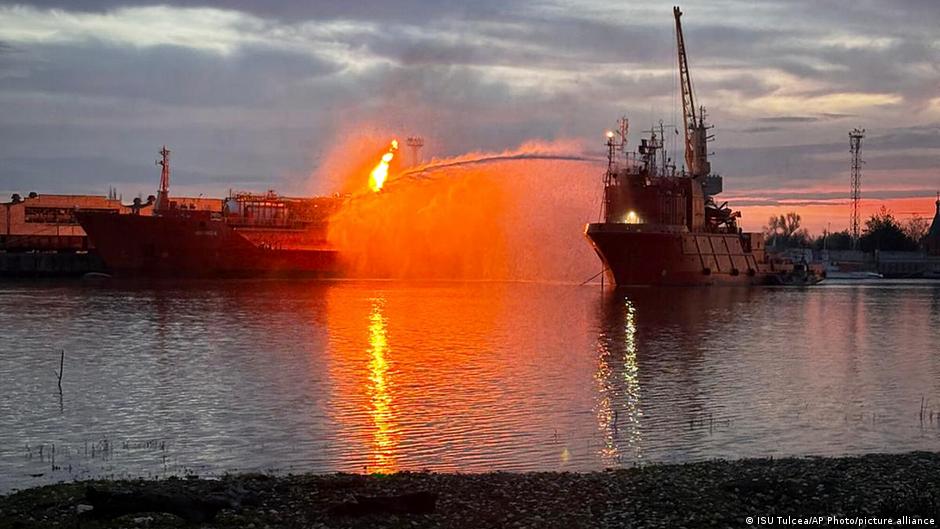
On the night of May 19, Russian forces launched aerial attacks on the port city of Izmail in Ukraine's Odessa region, damaging vital port infrastructure. Emergency services quickly responded to mitigate damage, and fortunately, no casualties or major destruction were reported. However, the disruption to port operations could exacerbate supply chain challenges, potentially increasing costs for imported goods and affecting consumer prices.
More critically, the Russian military carried out sustained drone and ballistic missile strikes against "Naftogaz Ukraine's" oil and gas facilities in Dnipropetrovsk and Poltava regions. The company reported damage to its energy infrastructure, though personnel remained unharmed. These attacks threaten the stability of Ukraine's energy supply, a sector closely tied to household utility expenses and national economic health.
"Damage to energy infrastructure risks translating into higher energy prices, squeezing household budgets and complicating savings for Ukrainian consumers," experts note.
The strikes come amid reports that Ukraine has expanded its own drone operations into Russian territory, including industrial regions with large populations. This ongoing conflict dynamic underscores the volatility in energy markets and the currency fluctuations that affect everyday Ukrainians.
Consequences for Household Finances and Investment
Damage to critical infrastructure in urban areas such as Kharkiv, where drone attacks have ignited fires and endangered residential buildings, directly disrupts civilian life. Residents face increased uncertainty not only due to safety concerns but also because of potential rises in costs for housing repairs, insurance, and utilities.
For Ukrainian households, these developments may mean tighter budgets as expenses for energy and basic goods increase. Inflationary pressures, driven by supply disruptions and currency instability, could erode savings and decrease disposable income.
From an investment perspective, heightened risks to infrastructure and ongoing conflict contribute to market volatility. Domestic and foreign investors might become increasingly cautious, which can impede capital inflows necessary for economic recovery and growth.
Consumers holding savings in local currency must also navigate potential depreciation, as conflict-related uncertainties weigh on exchange rates. This environment complicates financial planning, making it critical for households to consider diversified assets and risk management strategies.
Looking Ahead
As the conflict continues to target Ukraine's infrastructure, the ripple effects on energy availability, household expenses, and investment climates remain significant concerns for everyday citizens. Monitoring these developments is essential for individuals aiming to safeguard their finances amid ongoing instability.