Ukraine Talks Could Shape Household Energy Bills and Investor Risk
Possible Ukraine talks in Abu Dhabi or Switzerland could affect sentiment around energy bills, currencies and household investments, but no breakthrough is assured.

Possible Ukraine talks in Abu Dhabi or Switzerland could affect sentiment around energy bills, currencies and household investments, but no breakthrough is assured.
Trump says SpaceX restored full Starlink access in Ukraine, exposing policy risks for defense investments, currencies and household budgets.

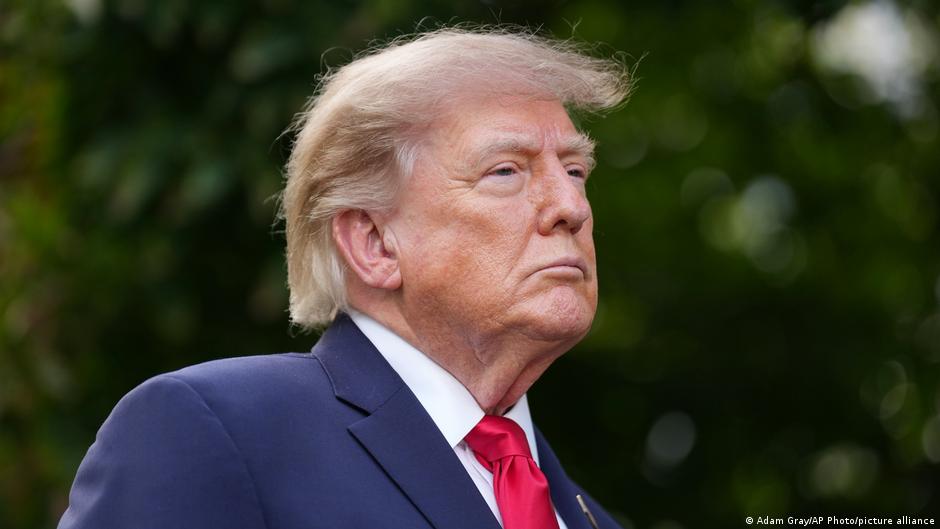
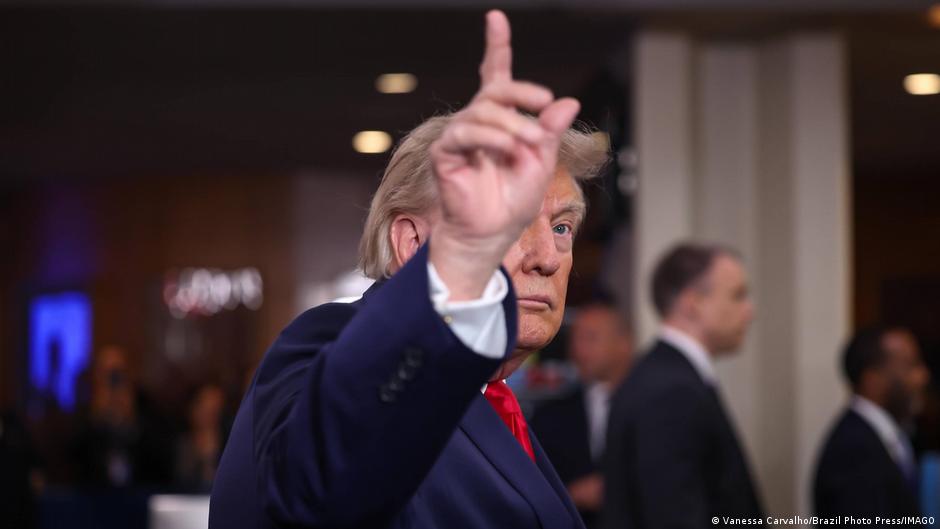
Trump postponed sweeping Russia tariffs to preserve Ukraine talks and limit Moscow’s support for Iran, leaving fuel prices, household costs and markets uncertain.

A bipartisan Senate group says Trump’s Russian diesel deal may not lower U.S. fuel costs while giving Moscow new war revenue.

Reported U.S. pressure on Ukraine over refinery strikes could affect fuel prices, inflation expectations, currencies and investor risk.

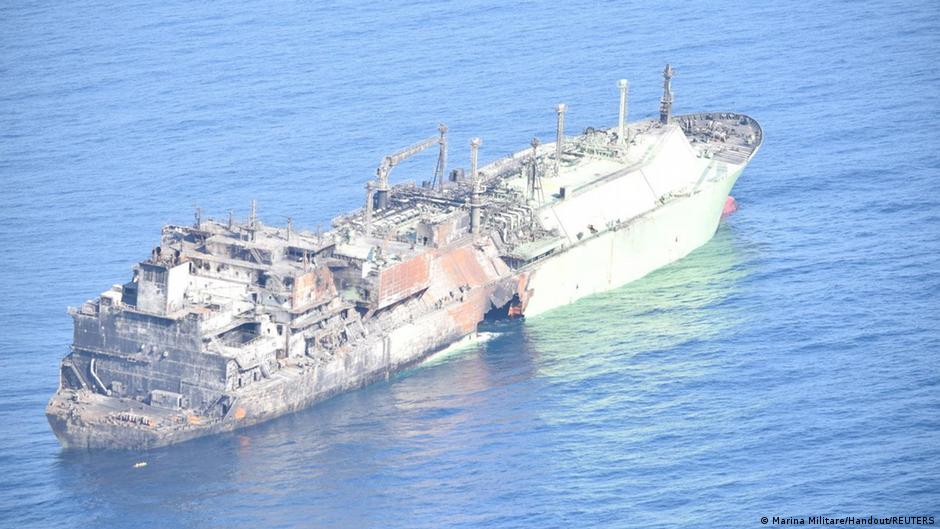
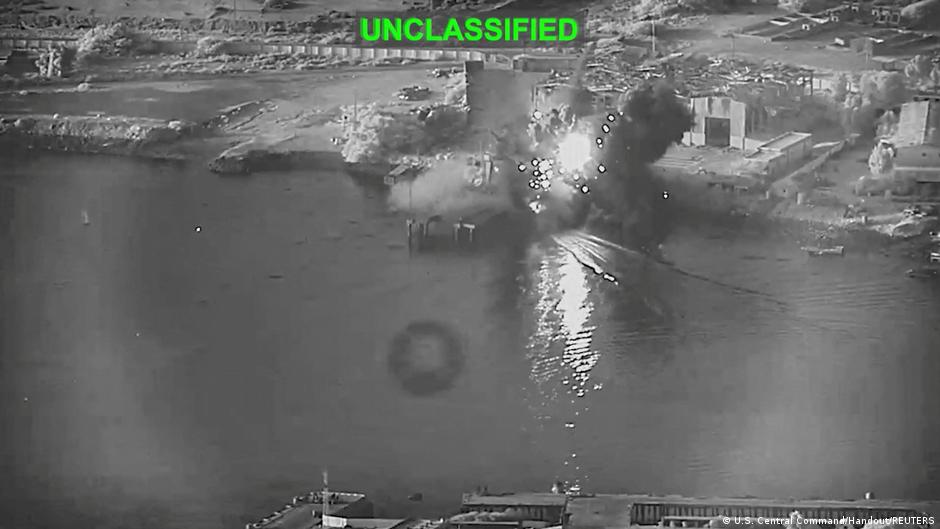
A U.S. strike disabled a cargo ship near Iran, while a tanker was hit in Hormuz, raising fresh concerns over fuel costs and household budgets.

A congressional push to ban Russian oil purchases could affect diesel supply expectations, fuel costs, inflation and energy-linked investments.

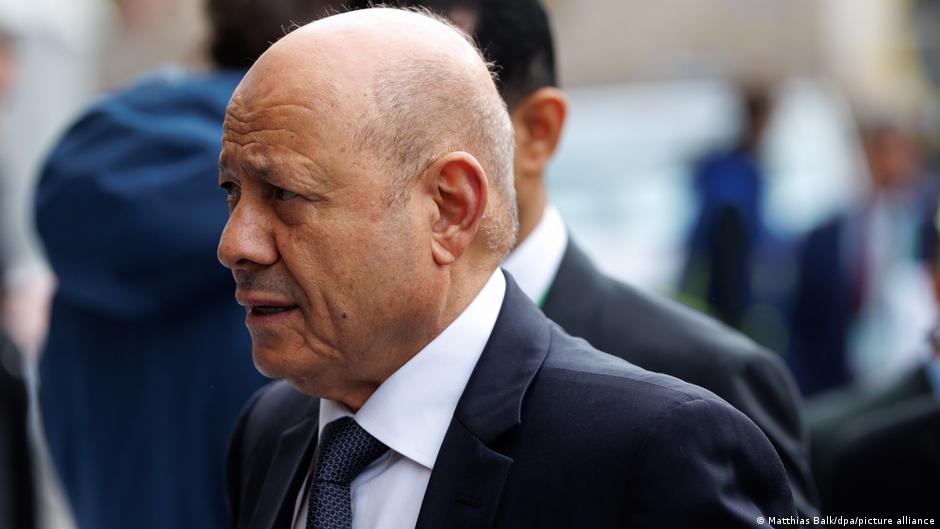
Yemen’s new offensive against the Houthis could affect households through energy prices, shipping costs and market volatility tied to the Red Sea.

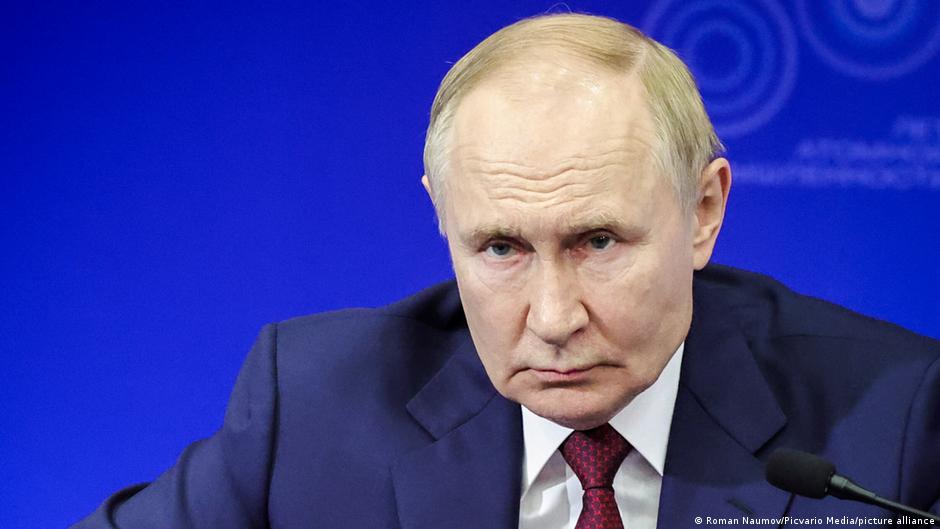
Putin’s latest Valdai remarks renewed nuclear warnings and war claims, adding another layer of uncertainty for household budgets and investors.

Swiss voters rejected tighter neutrality rules that would have curbed sanctions, preserving policy flexibility watched by savers and investors.

Trump expects new Iran talks as the Hormuz dispute raises risks for oil prices, household budgets, currencies and everyday investors.

The EU’s new €710 million aid package targets crises abroad, with indirect implications for public budgets, currencies and household finances.

Germany says Putin’s possible G20 attendance should be judged by whether Moscow accepts a ceasefire, with sanctions and market risk in focus.

Yemen’s mobilization call comes as Houthi advances threaten key waterways, oil exports and energy costs that can hit household budgets.

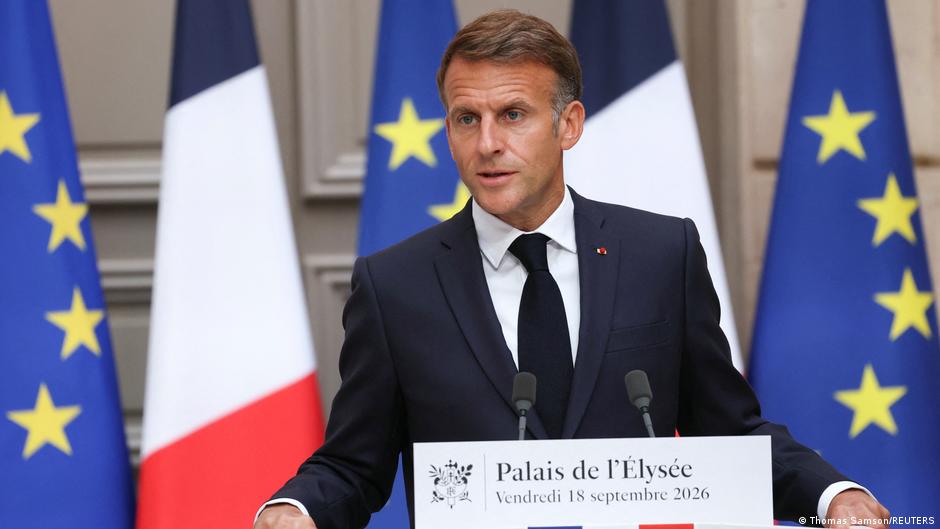
Macron says France sees a Russian mobilization of around 300,000 people as credible, raising risks for European budgets, markets and consumers.

Russia’s expanding ship registry could add uncertainty to energy markets, with possible effects on household fuel costs, inflation and investor risk.

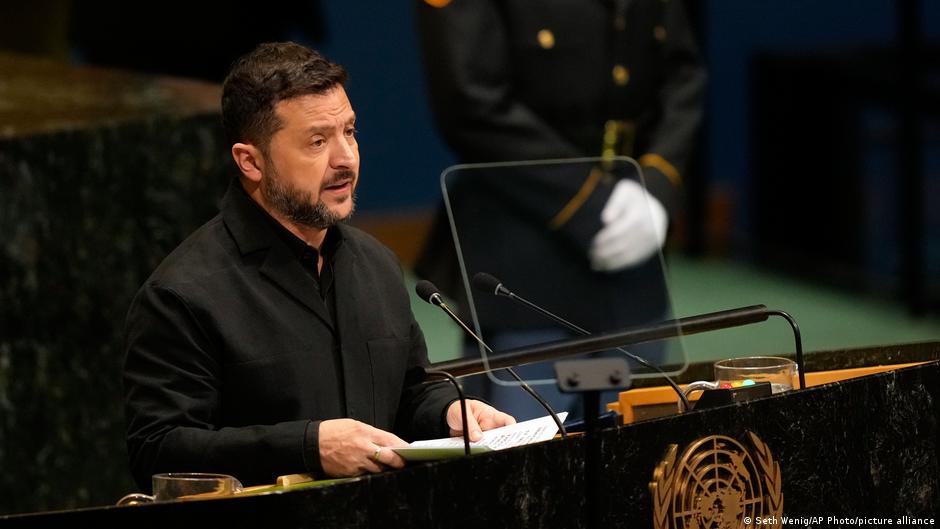
Zelensky’s UN speech tied Russia’s war capacity to energy risks, winter heating pressure and the market uncertainty facing households and investors.

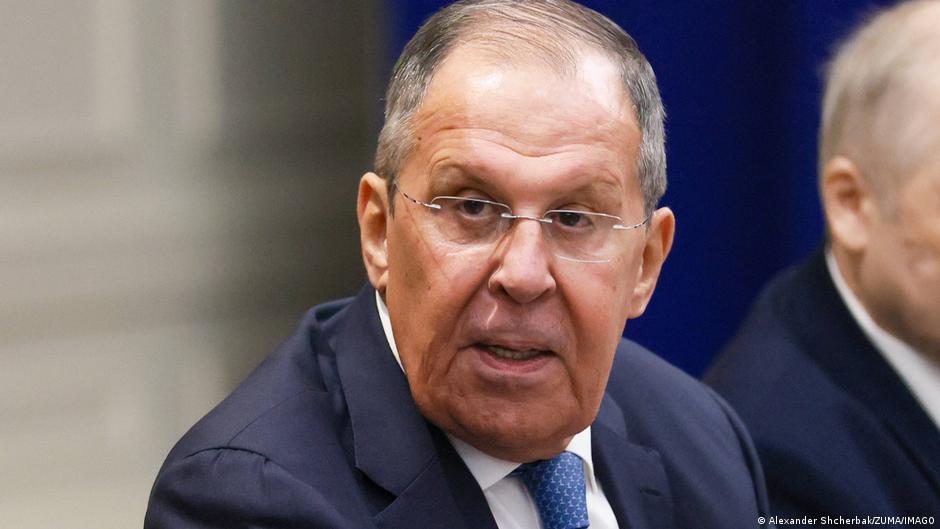
Lavrov ruled out a pause for Ukraine talks, keeping war-related uncertainty in focus for consumers, currencies and everyday investors.

U.S.-Iran talks in New York may influence energy costs, currencies and investor confidence as households watch geopolitical risks.

A U.S. strike on a Caribbean boat killed four people, extending a campaign that could affect household budgets through security, fuel and market risks.

The House advanced a bill allowing 100% tariffs on buyers of Russian energy, raising consumer price and investor concerns.

A prolonged Saudi pipeline shutdown could tighten oil supplies, raising risks for fuel prices, household budgets, currencies and investors.

Russia is expected to attend G20 energy talks in Houston as energy security risks continue to shape fuel costs, inflation and investor sentiment.

Houthi gains near Bab el-Mandeb raise the risk of higher oil prices, shipping costs and market volatility for households and investors.

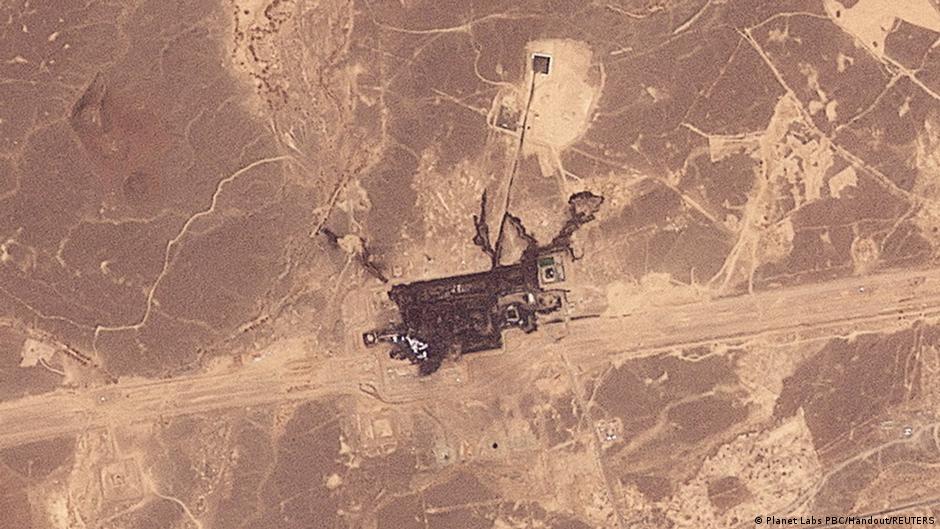
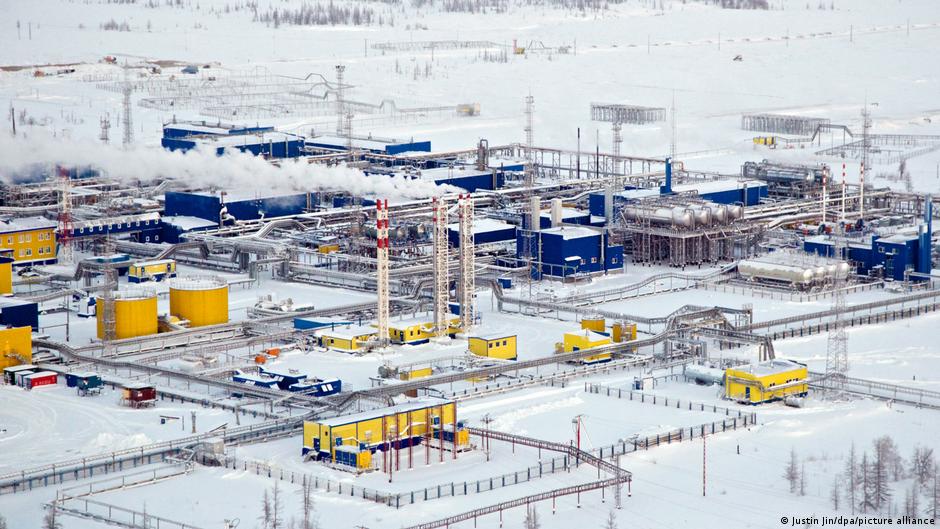
A reported Ukrainian drone attack in Russia’s Yamal gas region raises fresh questions for energy prices, currencies, household budgets and investors.

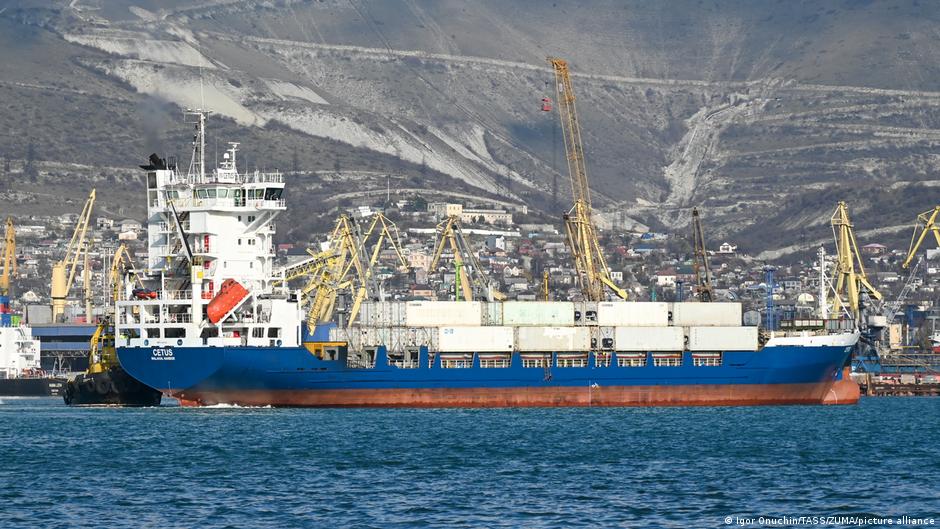
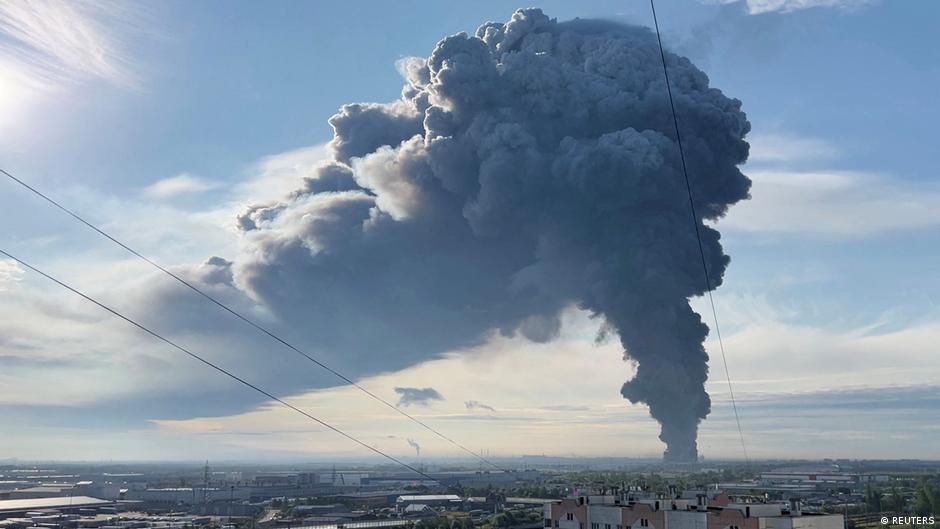
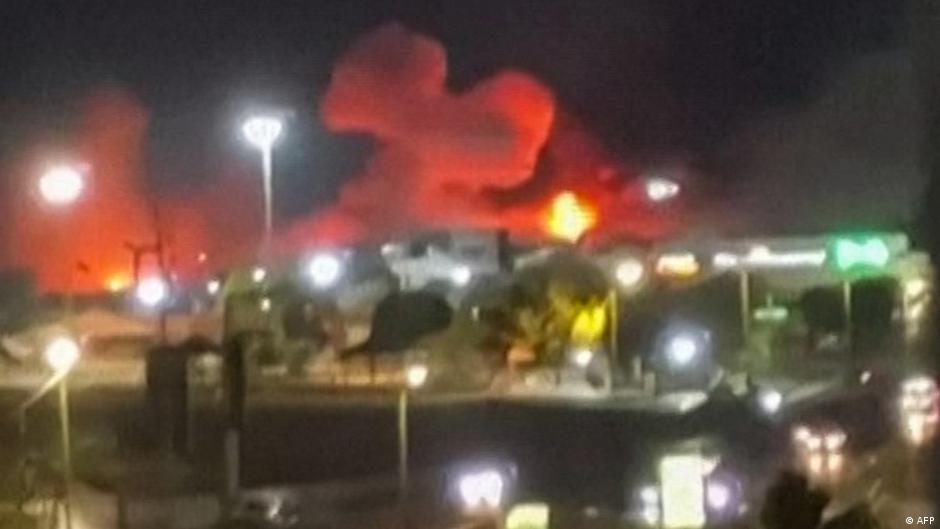
A reported drone attack and fire at Novorossiysk’s port hub could add pressure to fuel, food and market risks watched by households and investors.

The U.S. has removed Syria from its terrorism sponsor list, opening new economic opportunities with potential impacts on currencies, investments, and household finances worldwide.

Finland summons Russian ambassador after an Il-20 spy plane briefly entered its airspace, raising concerns that may impact regional economic stability and household finances.

President Trump announces unprecedented sanctions against Iran, threatening global trade and energy markets, with direct consequences for household budgets and investors worldwide.

Rising tensions in the Strait of Hormuz threaten oil supply stability, potentially driving up fuel costs and affecting household budgets and investments globally.

The US plans to declare the Strait of Hormuz as its territory, potentially raising energy prices worldwide and impacting household budgets due to ongoing military tensions with Iran.

US Senate sanctions targeting Russian energy exports may drive higher fuel prices and inflation, affecting household budgets and investors worldwide.

Ukraine's 40-day operation against Russian energy infrastructure disrupts fuel supplies, raising global prices and impacting household budgets and investors worldwide.

Russia's redeployment of a major warship near Germany heightens risks to Baltic shipping routes, potentially affecting European energy supplies and consumer costs.

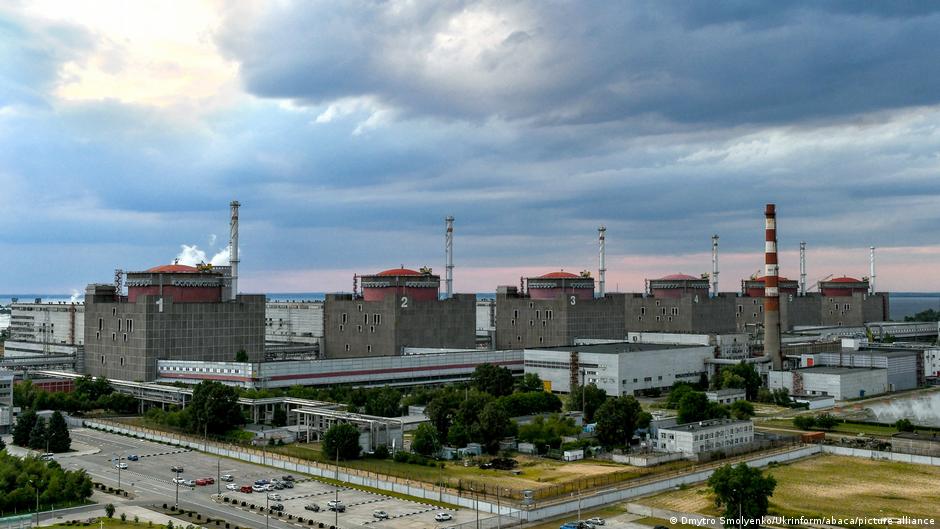
The Zaporizhzhia Nuclear Plant’s repeated power outages threaten regional energy stability, pushing up costs and straining household budgets amid ongoing conflict.

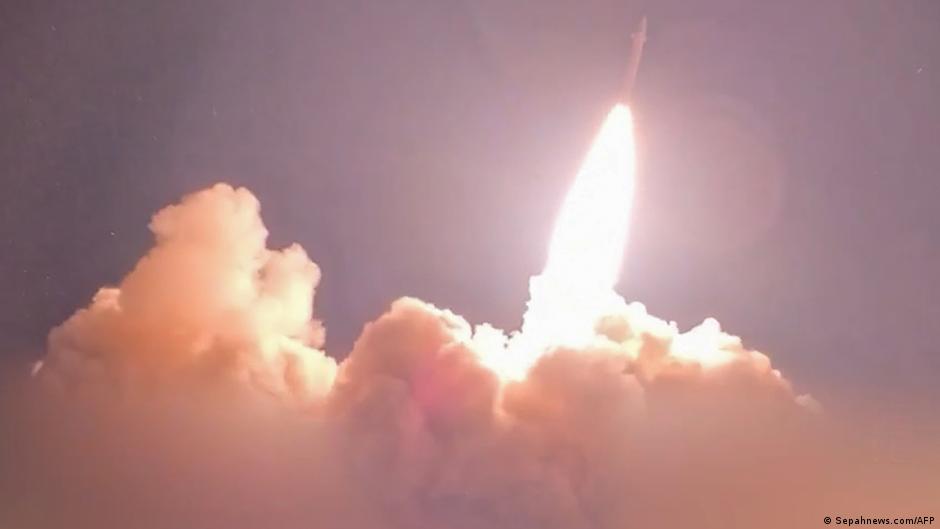
US intercepts Iranian missiles amid Middle East tensions, threatening global energy prices and impacting household budgets and savings worldwide.

The US Senate advances sanctions bill imposing steep tariffs on Russian imports, potentially raising prices and affecting household budgets and investments.

The EU protests Russian missile strikes damaging civilian and diplomatic sites in Ukraine, escalating regional tensions that affect European household budgets, inflation, and currency markets.

Russia’s July oil and gas revenues may rise 60% year-on-year due to higher global prices, affecting household budgets, currency stability, and consumer finances amid ongoing sanctions.

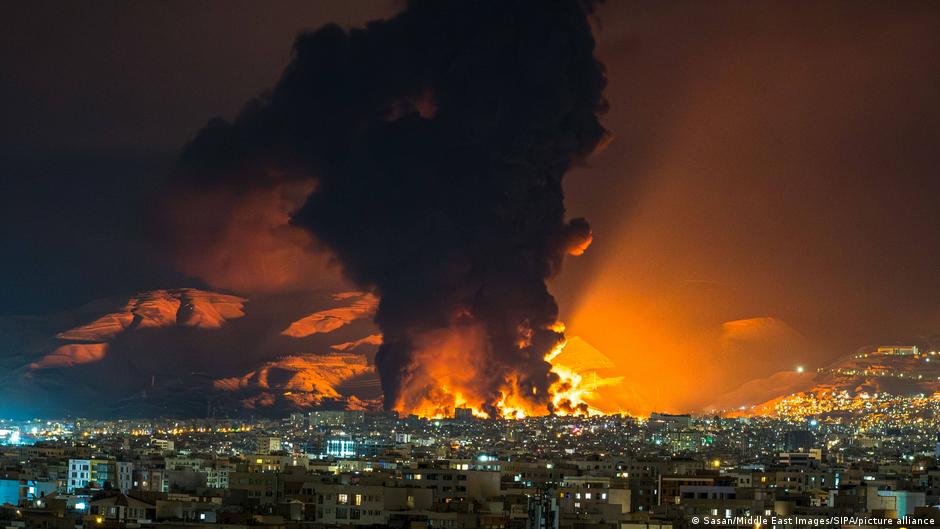
Iran’s Revolutionary Guard attacked an oil tanker near the Strait of Hormuz, threatening global oil supplies and raising fuel prices, impacting household budgets and investors worldwide.

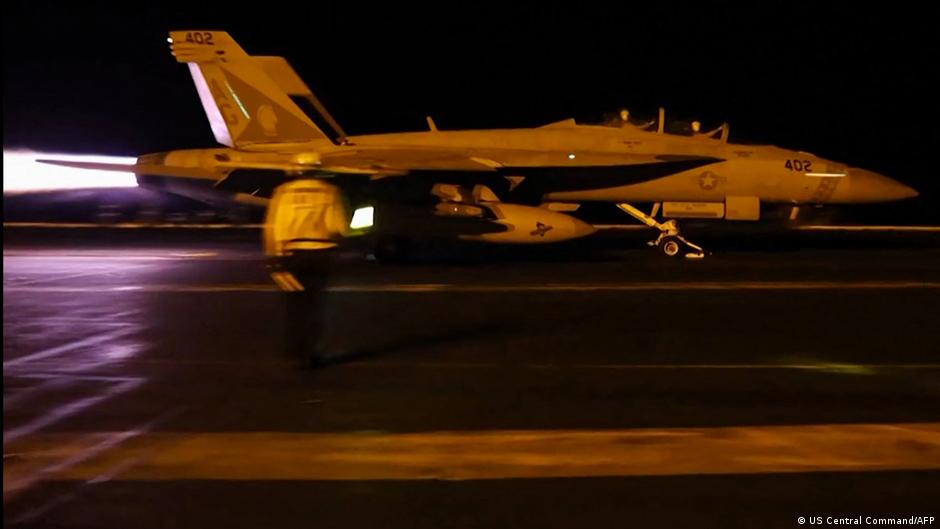
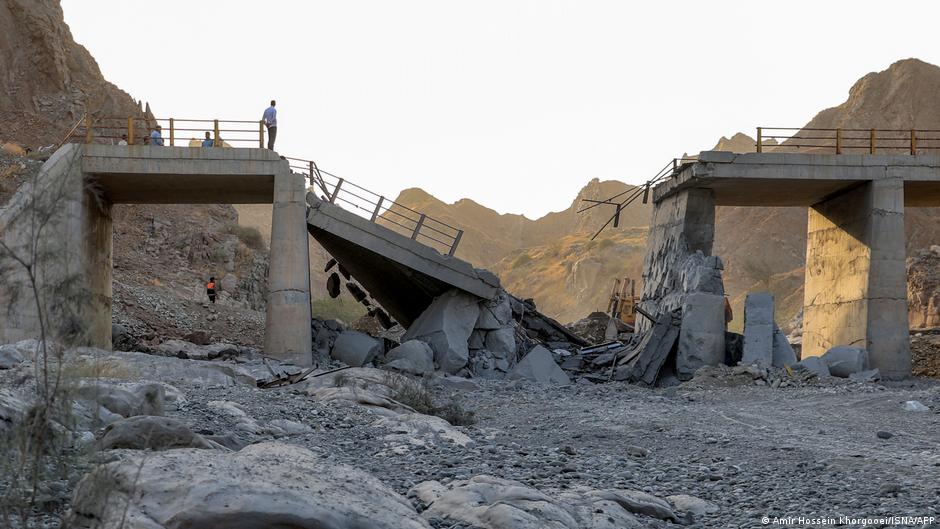
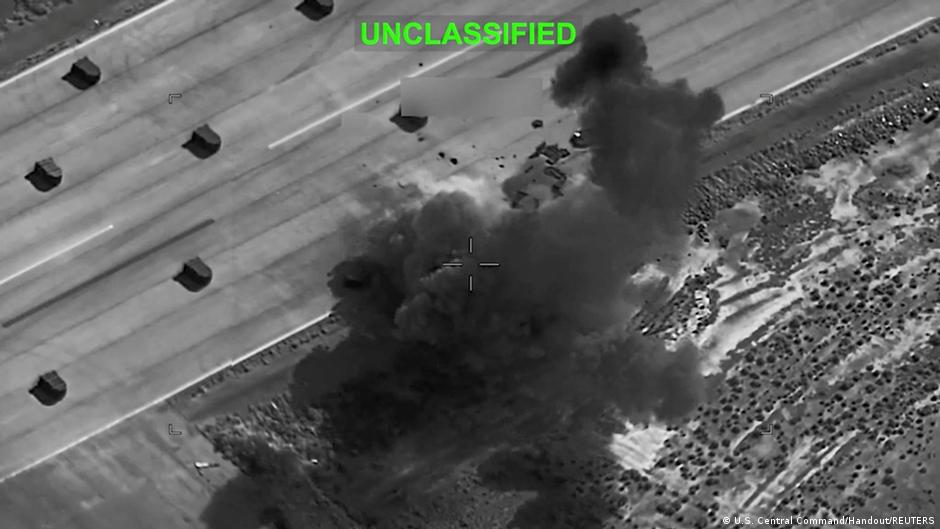
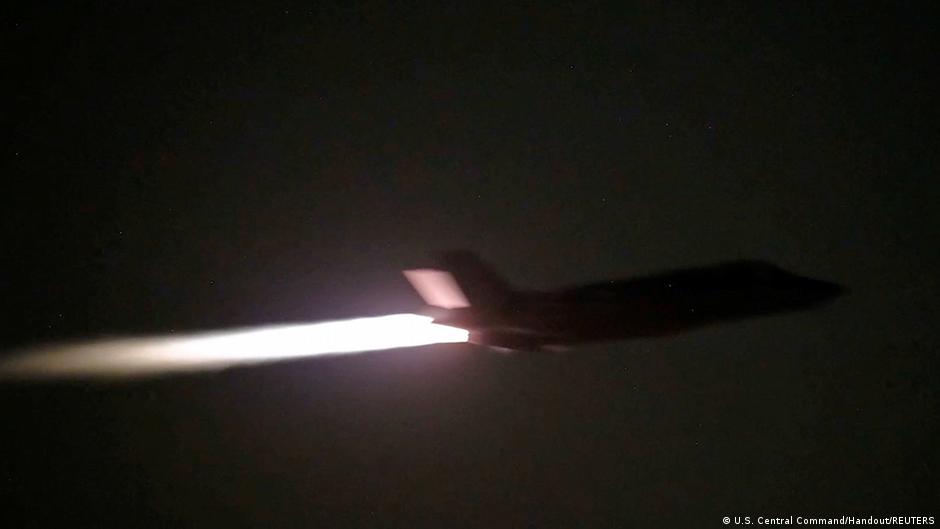
Eleven nights of US strikes on Iran disrupt key oil routes, pushing energy costs higher and affecting household budgets and investor confidence globally.

US strikes on Iran enter the tenth day, risking global energy supply disruptions that could raise fuel prices and strain household budgets and investor portfolios worldwide.

US-Iran conflict intensifies with nine nights of US strikes and Iranian retaliation, disrupting energy flows through the Strait of Hormuz and impacting global fuel prices.

US strikes on Iran's infrastructure heighten risks of oil supply disruptions, driving up energy costs and impacting household budgets and investors worldwide.

U.S.-Iran military clashes threaten to raise energy prices, impacting consumer costs, household budgets, and currency stability for everyday investors worldwide.

The US is negotiating to restore an Iraq-Syria oil pipeline to bypass the Strait of Hormuz, aiming to stabilize energy supplies and ease global household energy costs.

German President Steinmeier urges Europe to uphold international order and implement social reforms to stabilize economies and protect households amid rising geopolitical tensions.

US military strikes on Iran near the Strait of Hormuz risk disrupting oil supplies, driving up energy prices, and straining household budgets and investments globally.

US strikes on Iran have closed the crucial Strait of Hormuz, threatening global oil supplies and raising energy costs that impact household budgets and everyday investors worldwide.

Renewed US-Iran military strikes and sanctions threaten Strait of Hormuz shipping, risking higher oil prices and increased costs for households and investors worldwide.