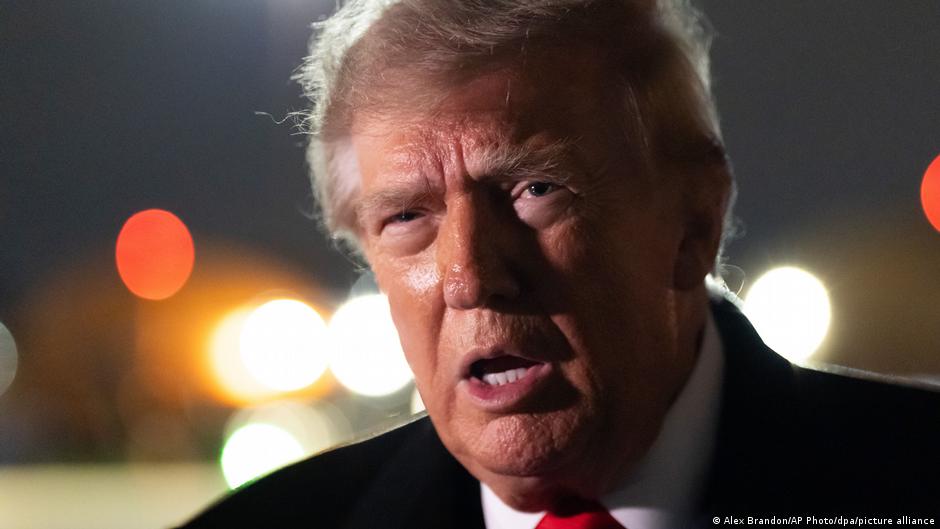
Trump Delays Russia Sanctions as Diesel Costs and Markets Hang in Balance

Trump postponed sweeping Russia tariffs to preserve Ukraine talks and limit Moscow’s support for Iran, leaving fuel prices, household costs and markets uncertain.

Trump postponed sweeping Russia tariffs to preserve Ukraine talks and limit Moscow’s support for Iran, leaving fuel prices, household costs and markets uncertain.

Fatal Russian strikes damaged homes and infrastructure, cut power to thousands and halted a factory, adding new pressure to Ukrainian household finances.
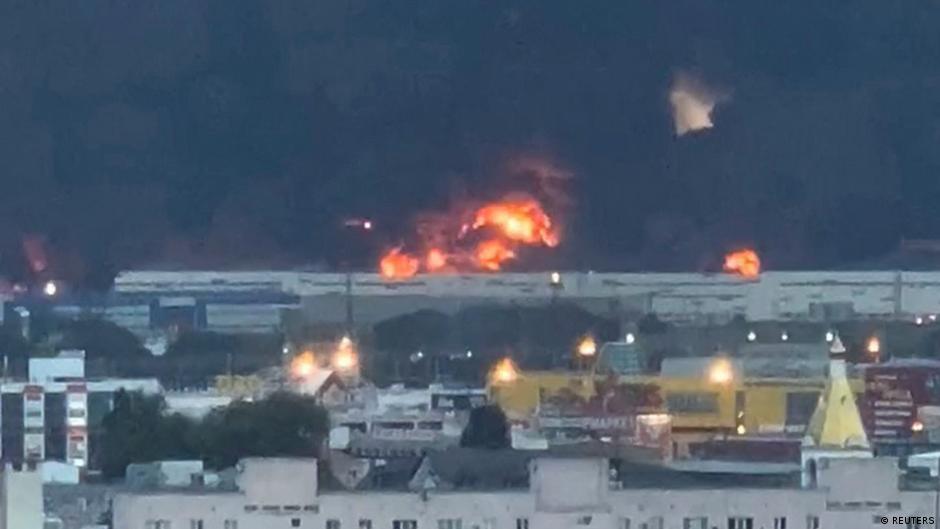
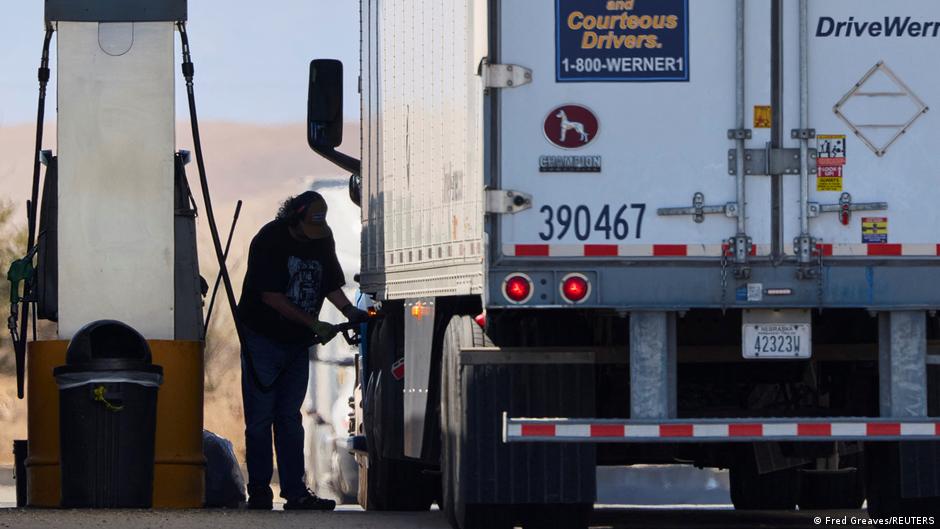
A bipartisan Senate group says Trump’s Russian diesel deal may not lower U.S. fuel costs while giving Moscow new war revenue.

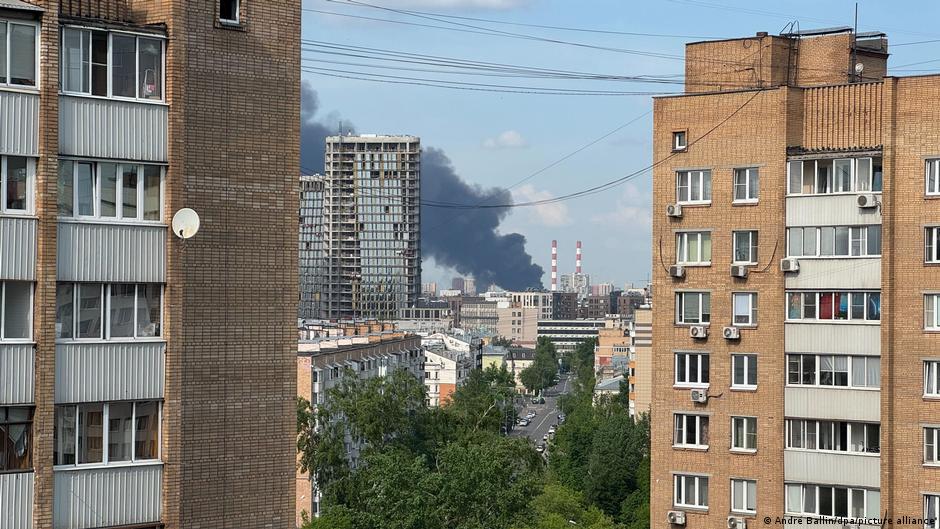
A reported drone attack toward Moscow disrupted flights, diverted aircraft and created fresh cost risks for travelers, households and investors.

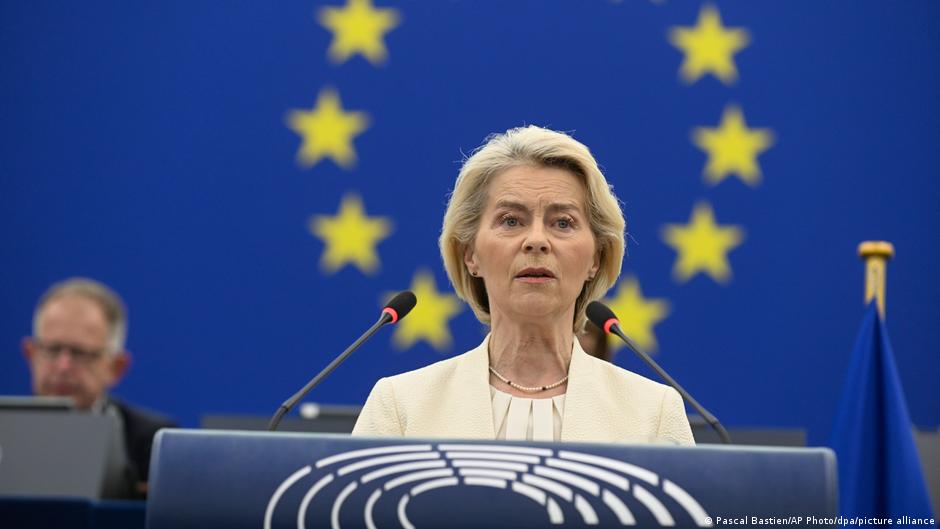
The EU plans new funding for Ukraine’s drone and missile purchases as leaders weigh broader financing needs and budget pressures.

Zelensky criticized a U.S.-Russia diesel supply deal, warning that cheaper fuel flows could come at the cost of prolonging the war.

Ukraine will discuss a new war-ending plan with Trump envoys as households and investors watch the budget, currency and market risks.

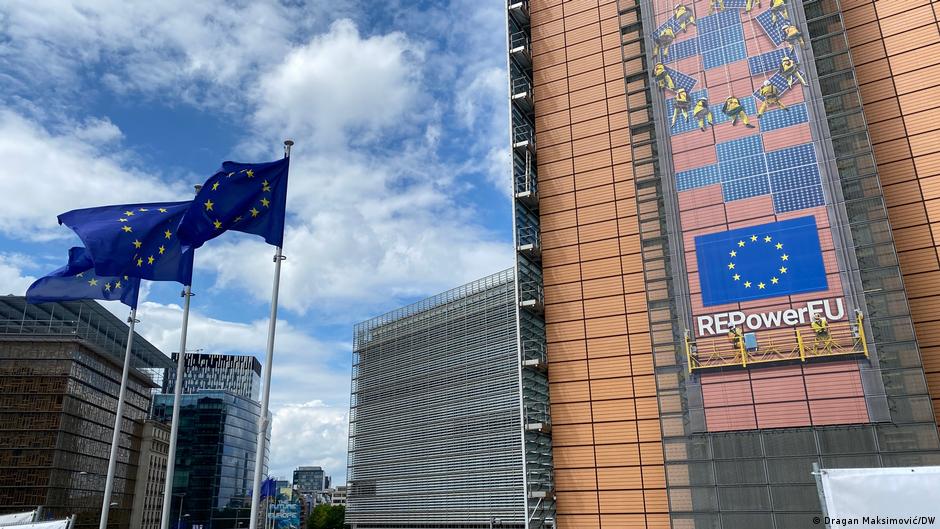
EU lawmakers approved a €115 million defence innovation fund, raising questions for taxpayers, savers and investors watching public spending priorities.

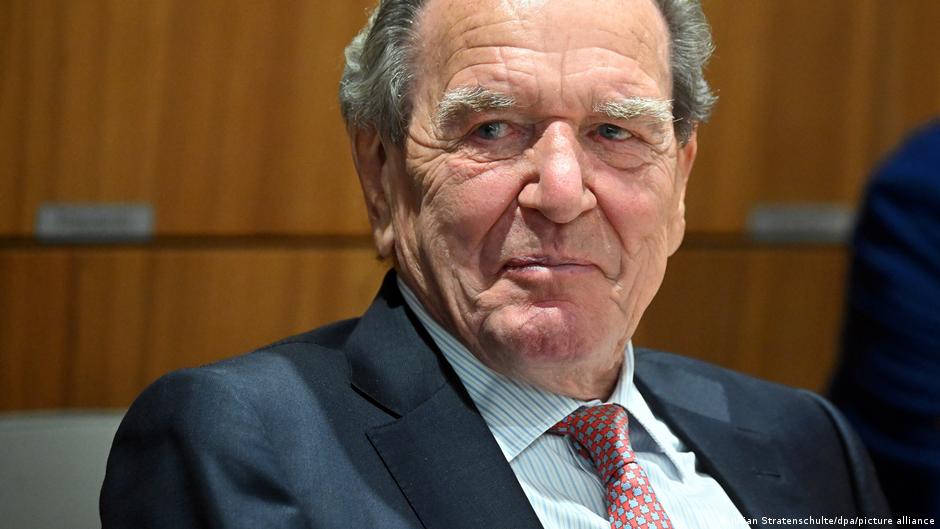
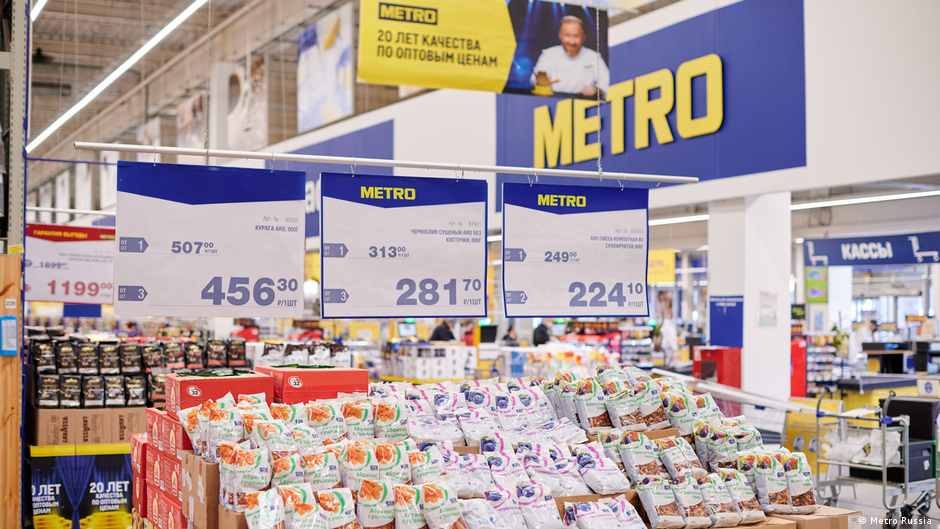
Gerhard Schröder’s new Hyperglobus role has triggered German criticism and fresh concerns over Russian retail risk and household costs.

Western retailers in Russia face temporary asset controls, raising questions for households over prices, savings and retail stability.

Maria Kolesnikova urges the EU to pair diplomacy and sanctions to free Belarusian political prisoners and reduce Russia-linked regional risk.

North Korea’s missile launch adds geopolitical risk for Asian markets, currencies and households exposed to regional prices or investments.

Swiss voters rejected tighter neutrality rules that would have curbed sanctions, preserving policy flexibility watched by savers and investors.

The EU’s new €710 million aid package targets crises abroad, with indirect implications for public budgets, currencies and household finances.

Kyiv denied a report that Trump urged Zelensky to meet Putin in Moscow as energy talks and diesel prices keep the war tied to household costs.

Yemen’s mobilization call comes as Houthi advances threaten key waterways, oil exports and energy costs that can hit household budgets.

Russia’s expanding ship registry could add uncertainty to energy markets, with possible effects on household fuel costs, inflation and investor risk.

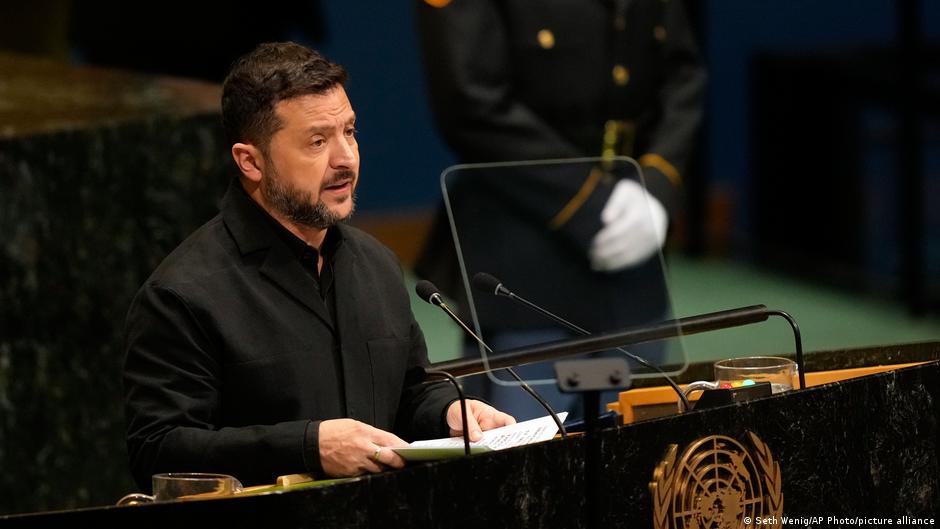
Zelensky’s UN speech tied Russia’s war capacity to energy risks, winter heating pressure and the market uncertainty facing households and investors.

German investigators are examining a suspected explosive substance found near drone wreckage by a Bundeswehr air base in Lower Saxony.

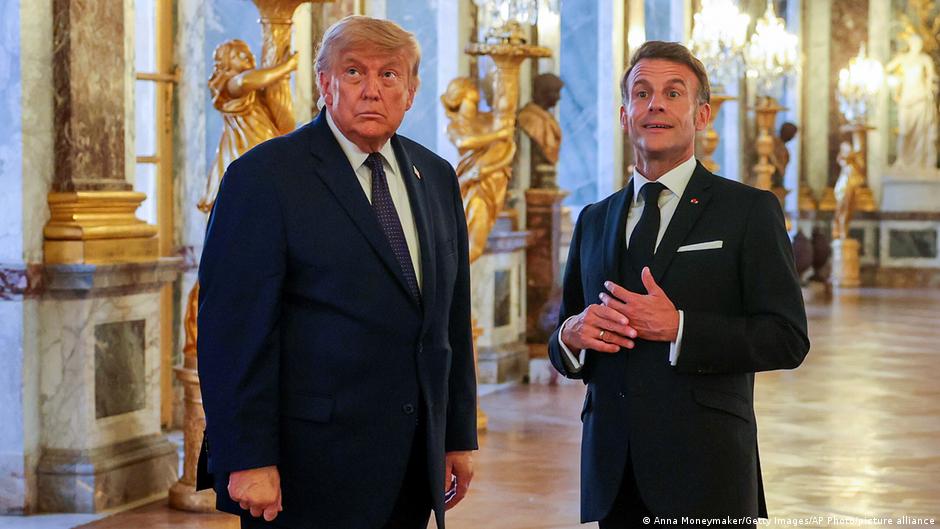
Macron and Trump discussed protecting Ukraine’s energy and civilian infrastructure, a move with implications for household costs and markets.

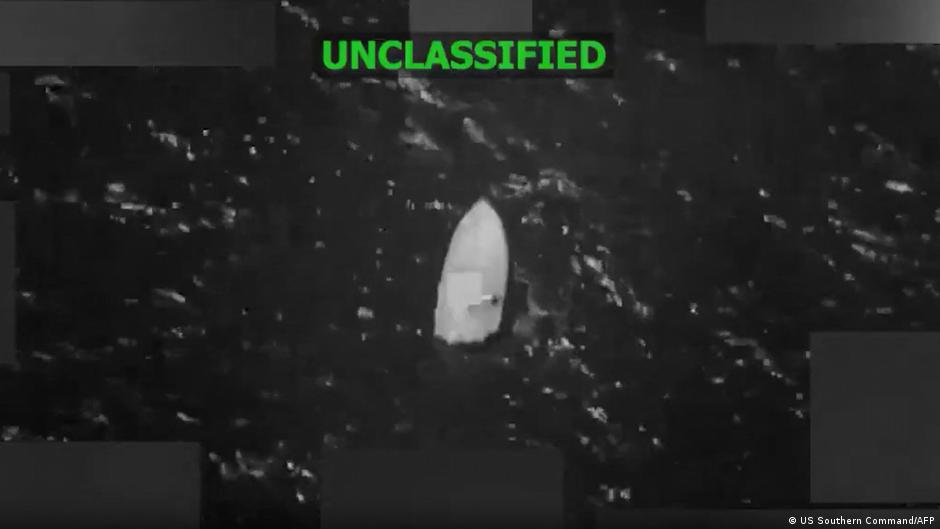
A U.S. strike on a Caribbean boat killed four people, extending a campaign that could affect household budgets through security, fuel and market risks.

A major drone attack near Moscow killed two people, disrupted airports and hit energy and logistics sites, raising consumer and investor risks.

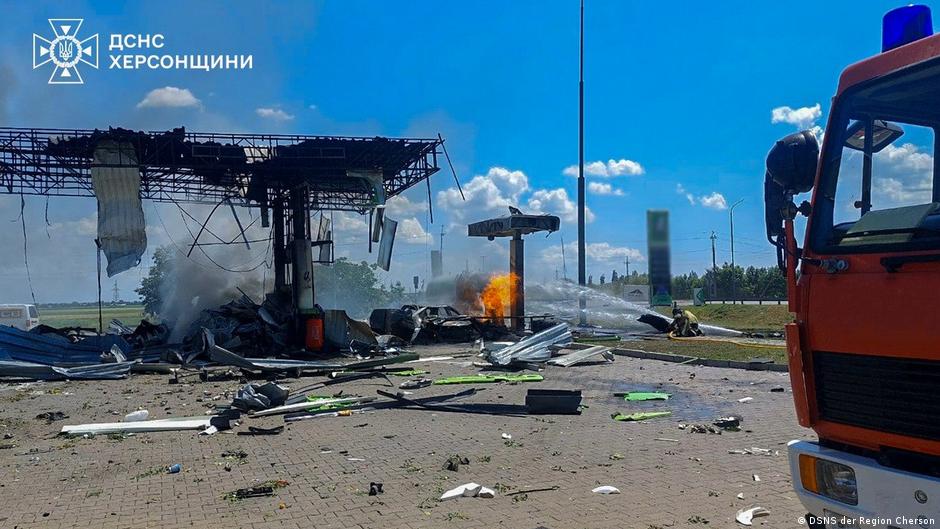
Russian strikes killed four people and damaged homes, a hospital site, an administrative building and warehouses, adding pressure on Ukrainian households.

A US-Denmark-Greenland security deal could affect defense stocks, rare earth supply chains, currencies and household costs despite claims it is taxpayer-free.

Merz says the old U.S.-German alliance may be over, raising questions for prices, defense spending, currencies and everyday investors.

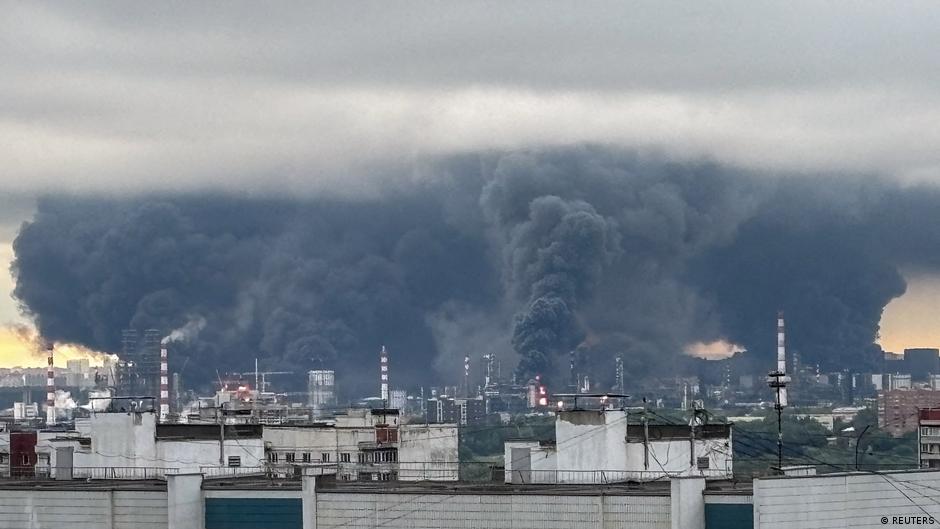
A major Yaroslavl refinery has halted fuel shipments after drone damage, worsening Russia’s fuel shortages and raising risks for household budgets.

Trump’s EU trade threat over Canada ties raises new risks for household budgets, import prices, currencies and everyday investors.

The House advanced a bill allowing 100% tariffs on buyers of Russian energy, raising consumer price and investor concerns.

Strikes on a Russian refinery and warehouses raise questions for fuel costs, deliveries, inflation and investors tracking war risk.

Russian drone strikes hit Kyiv fuel stations, warehouses and Odesa infrastructure, killing at least two and raising household cost risks.

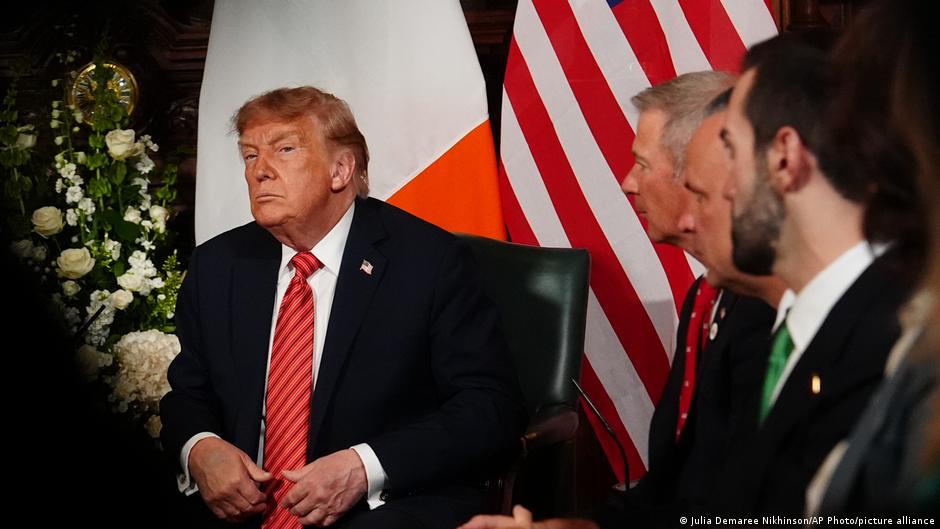
Trump said the U.S. will remove a 10 percent tariff on Irish whiskey, a move that could ease import costs and affect consumer prices.

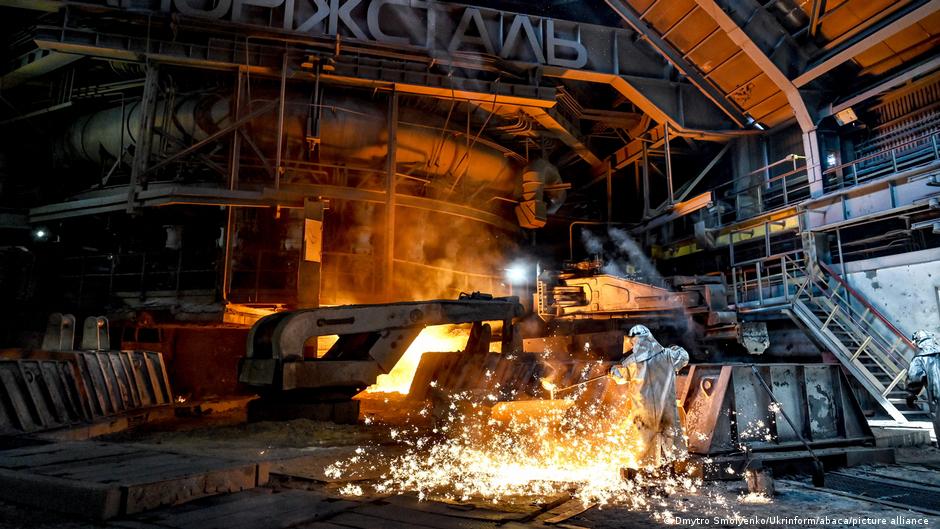
Critical damage at Zaporizhstal raises risks for jobs, taxes, steel supply and household finances after a third Russian missile strike in a month.

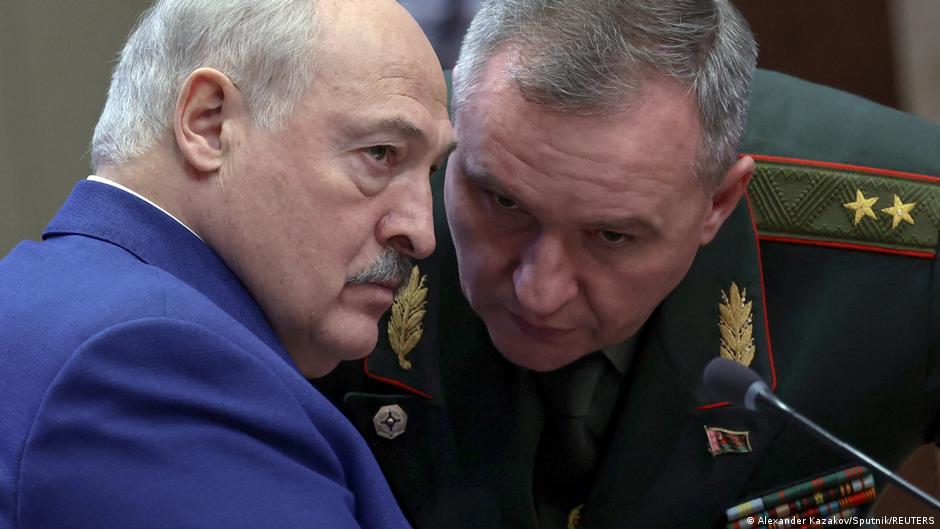
Belarus will continue army checks that may extend to mobilization, raising fresh questions for households, savers and regional investors.

Zelensky expects U.S. talks by late September on food and energy security, issues tied to household bills, inflation and market risk.

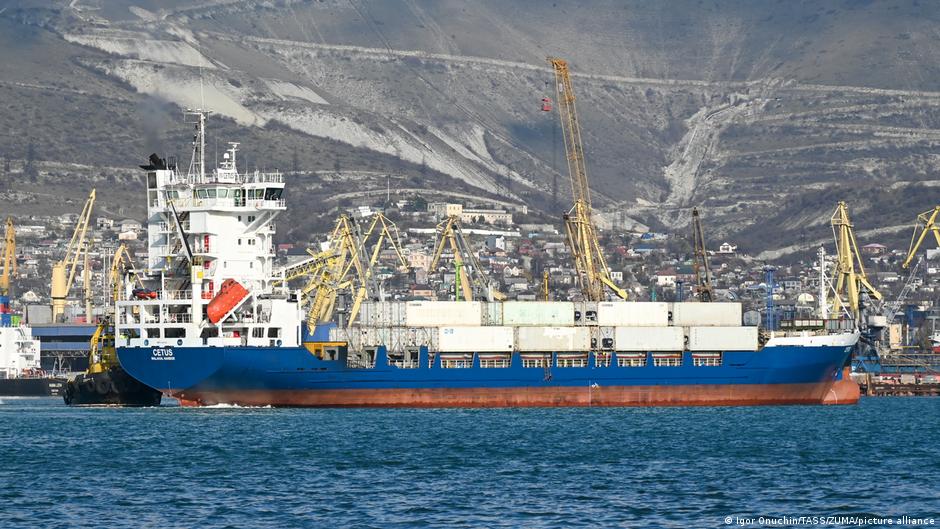
A reported drone attack and fire at Novorossiysk’s port hub could add pressure to fuel, food and market risks watched by households and investors.

AfD’s Saxony-Anhalt win drew sharp reactions from Poland and France, adding political uncertainty for European savers, households and investors.

Germany’s planned anti-sabotage shield could add new cost pressures across transport, energy, cybersecurity and household budgets.

Latvia says a suspect in the Leipzig sabotage case had been living in Russia, as Germany tightens checks and sanctions enforcement with possible spillovers for travel and trade.

Putin says Armenia’s EU accession push would effectively mean quitting the EAEU, raising questions for trade, prices and investor confidence.

Sabotage at European defense factories risks supply chain disruptions that could raise consumer costs and disrupt savings amid ongoing geopolitical tensions.

Drone attacks on Ozon warehouses in Krasnodar and Stavropol disrupt operations, cause casualties, and threaten supply chains, impacting consumer access and costs.

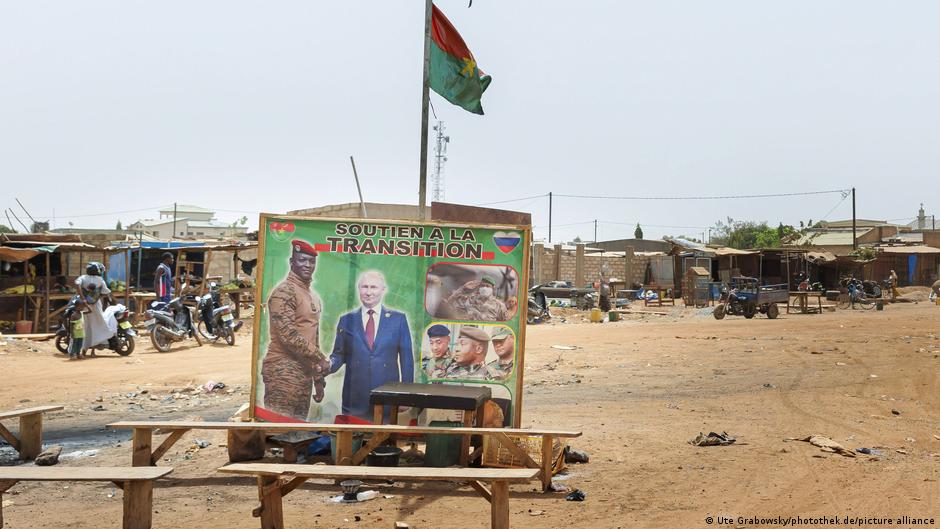
Russia's shadow air fleet in Africa bypasses sanctions, fueling geopolitical tensions that may impact household budgets, inflation, and investor risks globally.

NATO responds to Iranian threats targeting European military sites, signaling potential impacts on household budgets, currency markets, and consumer prices amid rising tensions.

Russian drone strikes in Zaporizhzhia caused civilian casualties and damaged homes, intensifying financial and economic pressures on local households and investors.

More than 180 drones were intercepted near Moscow, causing injuries and property damage that impact household safety, local infrastructure, and consumer costs.

Geopolitical tensions between Qatar and Iran threaten currency stability and consumer costs, impacting household budgets and everyday investors in the Gulf region.

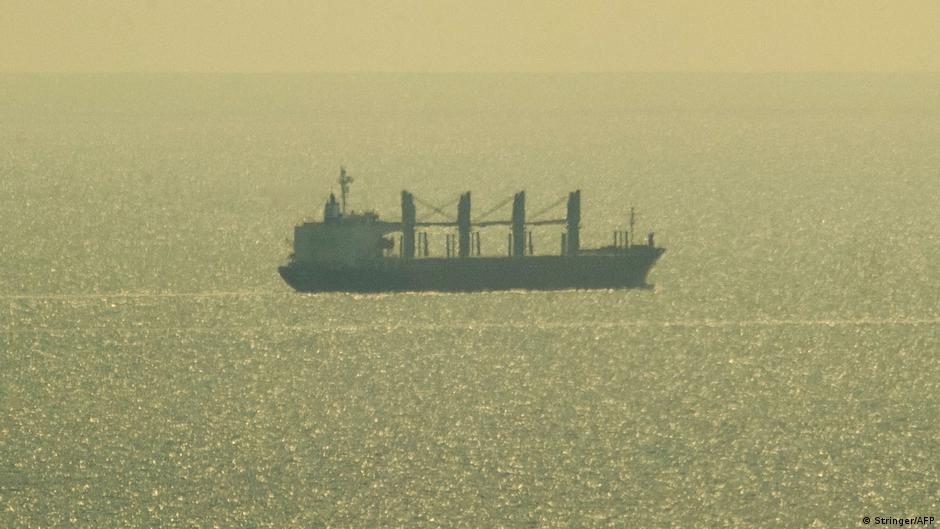
Ukraine sanctions 13 ships and 28 companies over illegal grain exports from Russian-occupied territories, aiming to protect agricultural revenues and stabilize commodity markets.

The US imposes tariffs up to 100% on imported drones and parts, affecting prices for consumers, investors, and businesses amid national security concerns.

War crimes allegations amidst the Ukraine conflict intensify economic uncertainty, impacting household budgets, currency stability, and everyday investors' confidence.

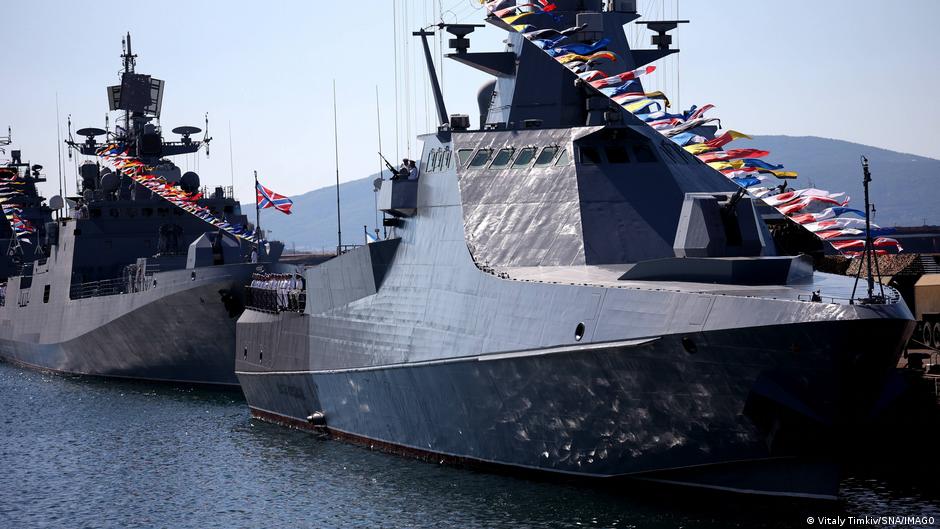
The strike on Russian warships and infrastructure in Novorossiysk disrupts regional energy and grain exports, impacting household budgets and consumer prices.