Russian Drone Attacks in Zaporizhzhia Cause Civilian Casualties and Damage to Homes
Nighttime strikes by Russian drones hit residential and non-residential buildings in Zaporizhzhia, resulting in casualties and ongoing rescue efforts.
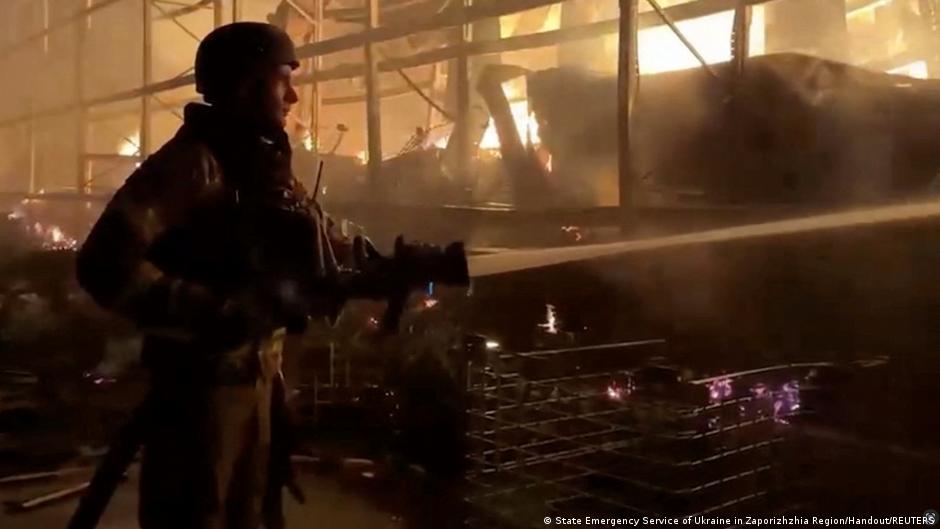
In the early hours of August 19, Russian drone strikes targeted the Ukrainian city of Zaporizhzhia, causing significant damage to both residential and non-residential buildings. The regional military administration head, Ivan Fedorov, confirmed that one civilian was killed and six others were injured as a result of the attacks.
Impact on Local Communities and Household Livelihoods
Beyond the immediate human toll, the attacks have disrupted daily life and raised concerns about the stability of local economies and household budgets. The destruction of homes and infrastructure means that families will face unexpected expenses for repairs or displacement costs. Additionally, fires triggered by the strikes have exacerbated the damage, potentially increasing insurance claims and emergency response expenditures.
Such instability can lead to financial strain on affected households, reducing savings and increasing reliance on aid or government support. For everyday investors and consumers in Ukraine, this escalation contributes to economic uncertainty, which can weaken the local currency and affect purchasing power.
"Under the rubble, there may still be people trapped; rescue operations continue," said Ivan Fedorov, highlighting the ongoing crisis and the urgent need for humanitarian assistance.
The threat of guided aerial bombs further compounds the risk to civilian infrastructure, limiting the ability of residents and businesses to plan for the future. The broader implications include potential disruptions to supply chains, increased costs for goods and services, and heightened inflationary pressures.
As the situation develops, the financial resilience of local households faces a critical test, with many needing to adjust budgets to accommodate unexpected repairs and safety measures. Investors monitoring the region should be aware of the heightened geopolitical risk that can influence currency stability and market confidence.