Drone Attack Causes Fires at Ozon Logistics Centers in Krasnodar and Stavropol Regions
Drone strikes disrupt Ozon warehouse operations, impacting online orders and local supply chains, with safety concerns and casualties reported.
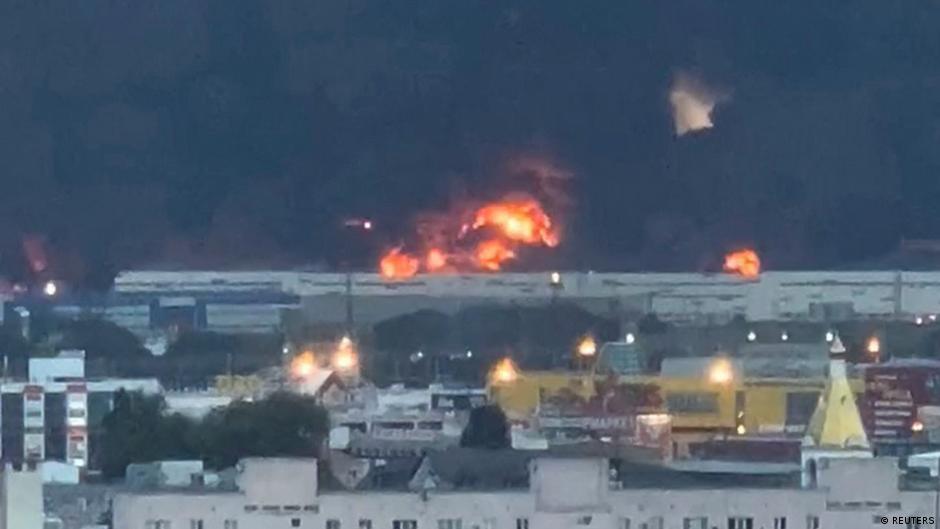
On August 24, a drone attack struck the Ozon logistics center in Krasnodar, triggering a large fire and temporarily halting warehouse operations. Local authorities confirmed that employees were evacuated safely, and no direct casualties were reported at the warehouse itself. However, fragments of the drone fell in residential areas, causing injuries and fatalities.
Impact on Ozon’s Logistics and Local Communities
Ozon, one of Russia's leading e-commerce platforms, announced the suspension of order processing and vendor deliveries at the affected Krasnodar warehouse due to security concerns. The logistics routes to this center were canceled, and alternative facilities have been mobilized to handle shipments. This disruption will likely affect the availability and delivery times of goods for consumers relying on Ozon’s services in the region.
The governor of Krasnodar, Yevgeny Naumov, reported via Telegram that drone fragments landed across multiple addresses in the Prikubansky district, including a private children’s center. Tragically, two children died and nine people — including seven children — were hospitalized due to injuries caused by debris.
"The fire was confirmed in the warehouse premises, and emergency services are actively working to extinguish it," Naumov stated.
Additional alarms sounded throughout Krasnodar during the night, with visible smoke columns reported over the city. Governor Veniamin Kondratyev noted that drone debris had struck residential buildings and construction sites, amplifying civilian risks.
Related Incident in Stavropol Region
Simultaneously, a large-scale warehouse facility for Ozon located in Nevinnomyssk, Stavropol Krai, also came under drone attack. This logistics center, covering over 93,000 square meters, handles storage, sorting, and dispatch of both food and non-food items. Local residents reported explosions, and the governor, Vladimir Vladimirov, confirmed ongoing air defense efforts to repel drone raids targeting industrial zones.
The combined attacks represent a significant blow to Ozon’s supply chain infrastructure, raising concerns about potential disruptions to consumer goods availability and delivery reliability. For everyday shoppers and household budgets, interruptions in online order fulfillment could lead to delays, price fluctuations, and limited product selection.
Moreover, the attacks highlight growing risks to logistic networks that underpin e-commerce platforms, potentially impacting investor confidence and the valuation of companies reliant on these nodes. Consumers might face increased costs or be compelled to seek alternatives, influencing spending patterns and saving behavior.
As the situation develops, monitoring adjustments in pricing, currency stability, and supply chain resilience will be essential for consumers and investors alike.