US Imposes Up to 100% Tariffs on Imported Drones, Impacting Consumer Prices and Tech Markets
New tariffs on drones and components aimed at national security may raise costs for consumers, investors, and businesses reliant on drone technology.
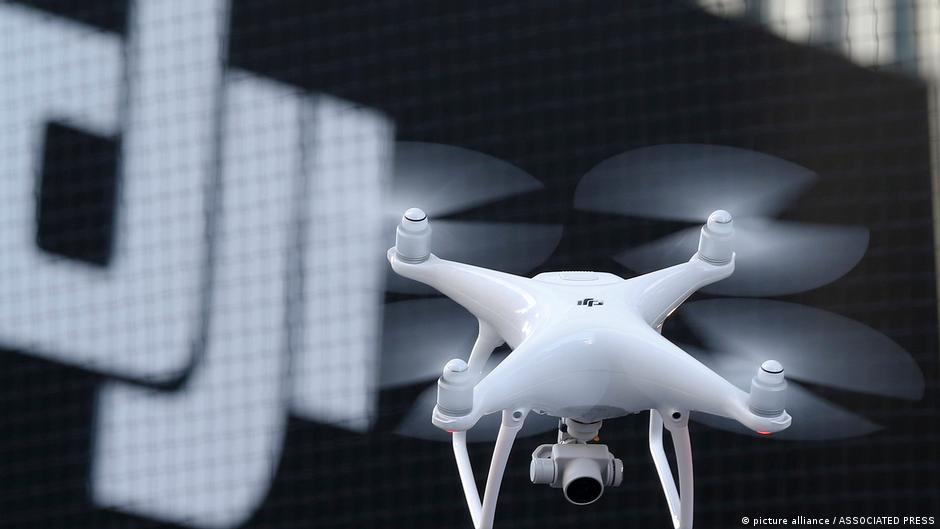
On August 13, 2024, U.S. President Donald Trump signed a proclamation introducing tariffs on the import of drones and their components. These measures target unmanned aerial vehicles (UAVs) with specific capabilities deemed critical to national security, signaling a significant shift for the drone industry and related consumer markets.
Tariff Details and Consumer Implications
The tariffs impose a 100% duty on drones weighing over 25 kilograms and equipped with thermal imaging technology. Smaller drones, with a maximum takeoff weight of 25 kilograms or less, will face a 25% tariff. Additionally, docking stations and some critical components for these drones also fall under the highest tariff category.
Importantly, exemptions and reduced rates apply to goods from certain countries: drones and components originating from the European Union, Japan, South Korea, Switzerland, Taiwan, and Liechtenstein will be subject to a 15% tariff, while products from the United Kingdom will be taxed at 10%.
These tariffs will take effect 21 days after the proclamation, with less critical components facing a 180-day delay before tariffs are applied.
"Drones are key technologies in modern warfare and critical to current and future U.S. military operations. Reliance on foreign suppliers for vital components poses significant national security and cybersecurity risks," the White House stated.
Impact on Household Budgets and Investors
For everyday consumers and businesses, these tariffs could lead to higher prices on drones used for recreational, commercial, and industrial purposes. As drones grow increasingly popular for activities ranging from aerial photography to agriculture and delivery services, cost increases may strain household budgets and operational expenses.
The drone market has also attracted a growing base of individual investors and technology enthusiasts. The tariff-induced rise in component and finished product prices may affect stock valuations for companies involved in drone manufacturing and related technologies.
Moreover, the tariffs reflect broader geopolitical tensions, especially concerning China's dominance in drone manufacturing. Recent reports have highlighted security concerns over Chinese-made drone components potentially compromising sensitive data, which has motivated U.S. efforts to boost domestic production.
Geopolitical Context and Supply Chain Considerations
China's leading position in drone manufacturing underpins the U.S. administration's justification for the tariffs. News reports have revealed instances where Chinese-made components in allied countries' naval reconnaissance drones raised espionage fears. Additionally, intelligence has surfaced about China supplying drones to Russia via third countries, complicating international relations.
By imposing tariffs, the U.S. aims to reduce dependence on foreign suppliers, strengthen the domestic drone industry, and mitigate cybersecurity vulnerabilities.
Looking Ahead
Consumers and businesses reliant on drone technology should prepare for potential cost increases and supply chain adjustments. Investors may want to reassess exposure to companies involved in affected markets. Meanwhile, the broader tech ecosystem may see shifts as supply chains diversify and domestic production scales in response to these new trade restrictions.