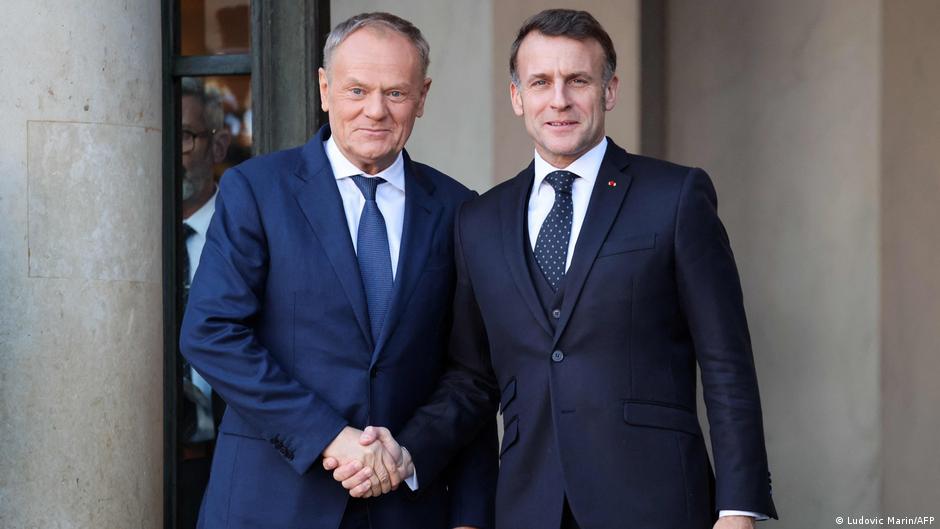
Finland Completes 200-Kilometer Border Fence With Russia
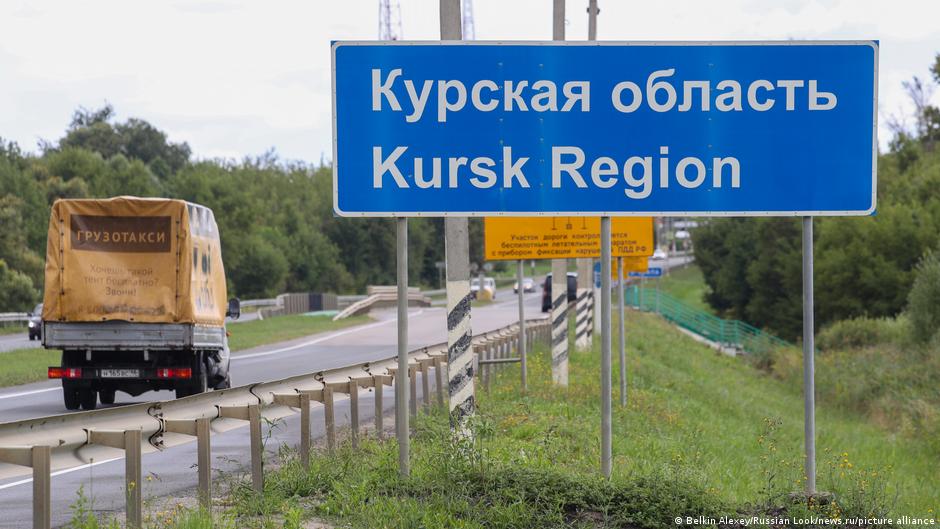
Finland’s completed Russia border fence highlights how security spending can affect public budgets, local economies and household finances.

Finland’s completed Russia border fence highlights how security spending can affect public budgets, local economies and household finances.

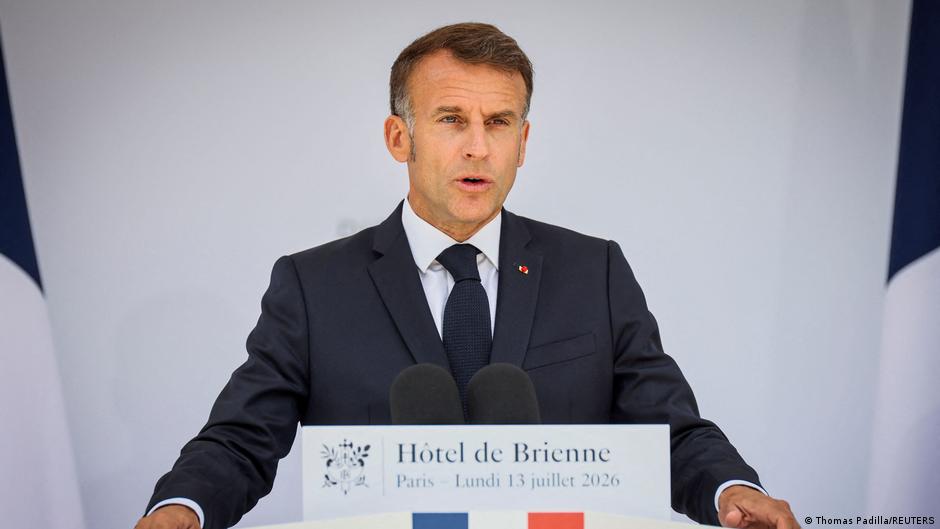
Macron is seeking an EU-wide under-15 social media ban, a move that could affect family tech spending, advertising exposure and platform investors.

Germany’s planned anti-sabotage shield could add new cost pressures across transport, energy, cybersecurity and household budgets.

Volkswagen approved a major overhaul with about 50,000 planned job cuts, a slimmer model range and big profit targets, raising stakes for workers and investors.

Meta’s $18B settlement over child safety mandates new age-verification tech with privacy risks, impacting household digital habits and platform trust.

Sabotage at European defense factories risks supply chain disruptions that could raise consumer costs and disrupt savings amid ongoing geopolitical tensions.

Russia permits individuals missing limbs to drive public transport, potentially boosting employment for veterans and improving household finances amid labor market shifts.

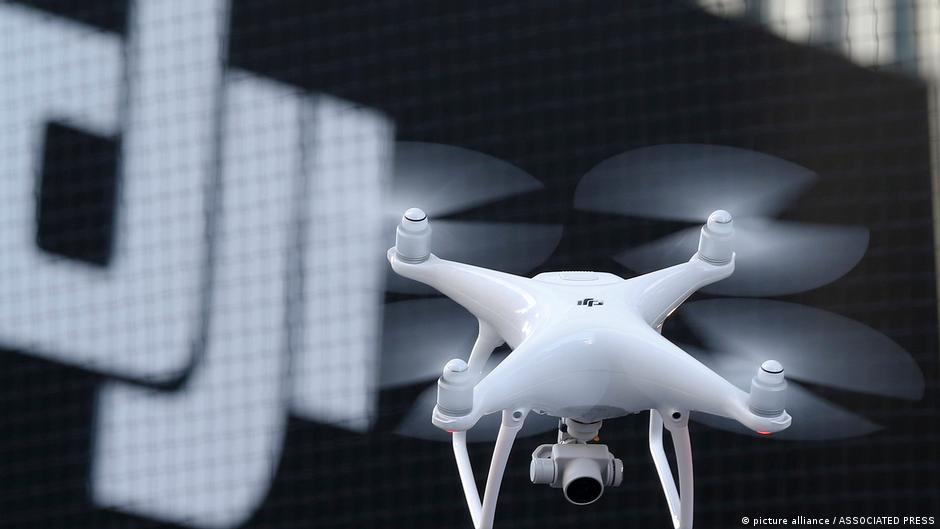
The US imposes tariffs up to 100% on imported drones and parts, affecting prices for consumers, investors, and businesses amid national security concerns.
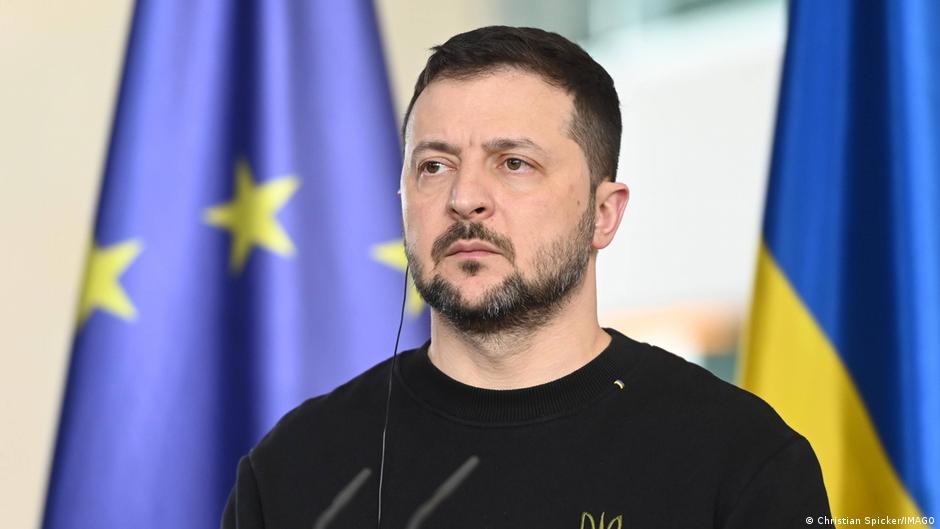
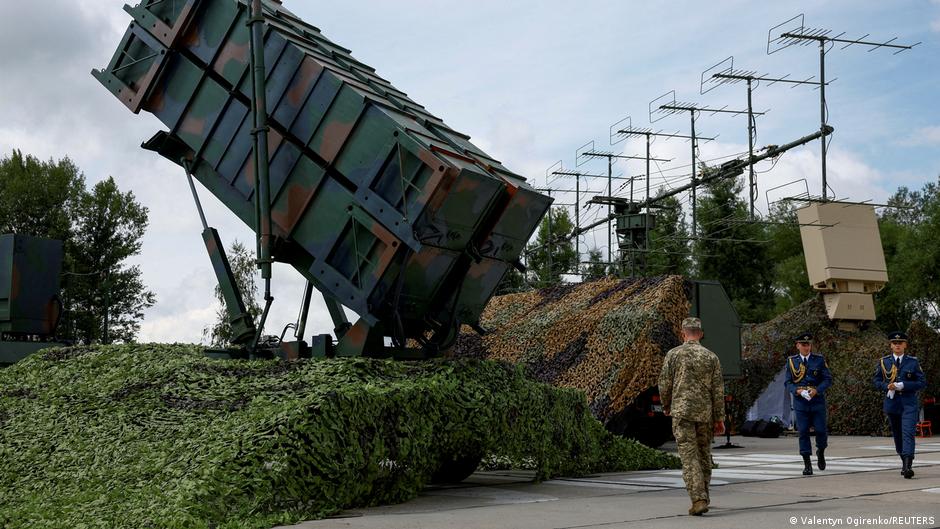
Concerns over Ukraine’s potential to produce Patriot missiles raise questions about defense spending, supply chains, currency impacts, and investor risks affecting households globally.

Germany faces growing hybrid warfare threats, including drone attacks, impacting national security and posing risks to household budgets, savings, and investor confidence.

Drone attacks in Russia's Kursk and Belgorod regions cause casualties and disrupt daily life, affecting household safety and local economies.

Ukraine’s unlikely NATO membership shifts security alliances, impacting household budgets, currency stability, and the economic outlook for everyday investors.
Uzbekistan’s new digital transformation plan introduces a national navigation system and unified public platform, aiming to improve services and reduce costs for consumers and investors.

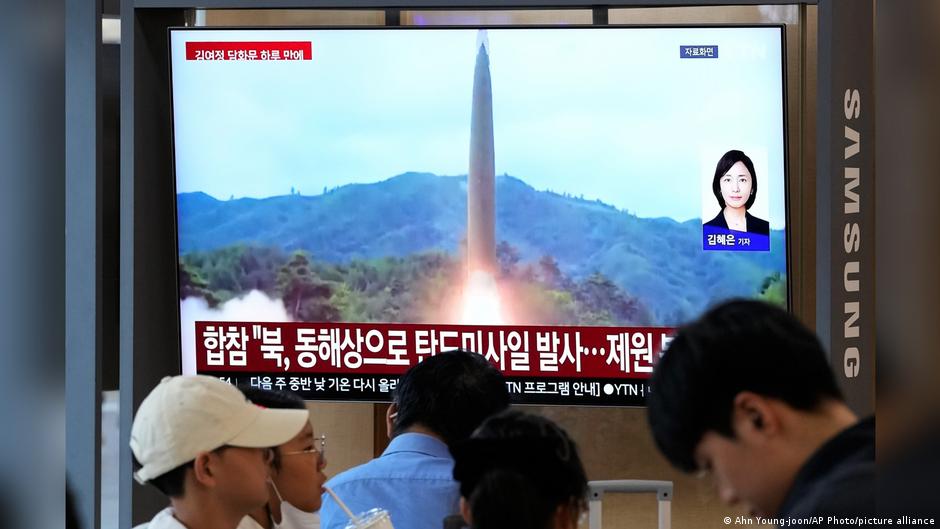
Russia’s use of North Korean ballistic missiles in Ukraine raises global concerns over economic stability, affecting household budgets, currencies, and investor confidence worldwide.

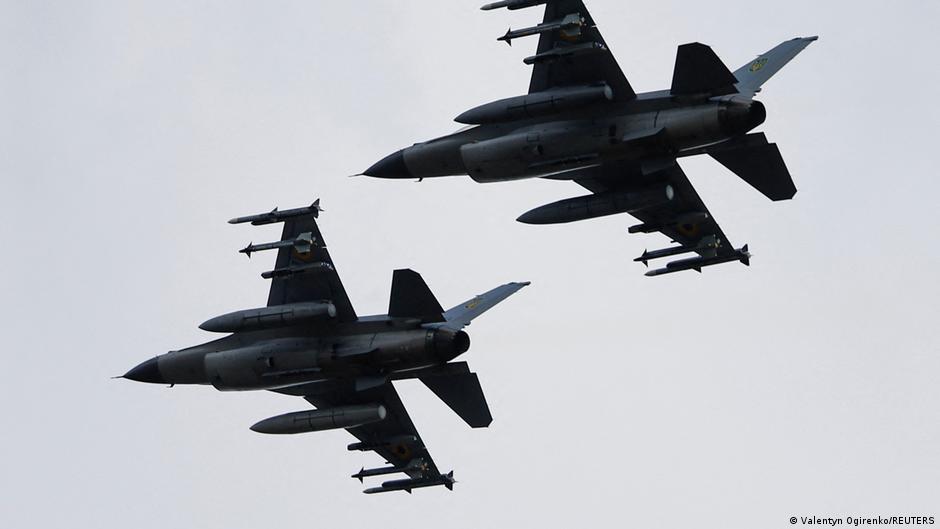
Ukraine’s fourth F-16 fighter jet crash highlights rising military costs and financial pressures affecting national budgets and household economies amid ongoing conflict.

The UK’s transfer of rights for the Stone Cloak electronic warfare system to Ukraine affects defense innovation and has broader implications for household budgets and currency stability.

Germany seeks to secure Ukraine’s advanced drone technologies through a government deal, impacting defense spending, currency stability, and investment opportunities.

CIA director reveals Russian conscripts in Ukraine face 20-30 minute survival, driven by AI drone warfare impacting household finances and investor confidence.

The EU recommends cutting €2 million in funding from the Venice Biennale over Russia's participation, raising questions about the use of taxpayer money amid geopolitical tensions.

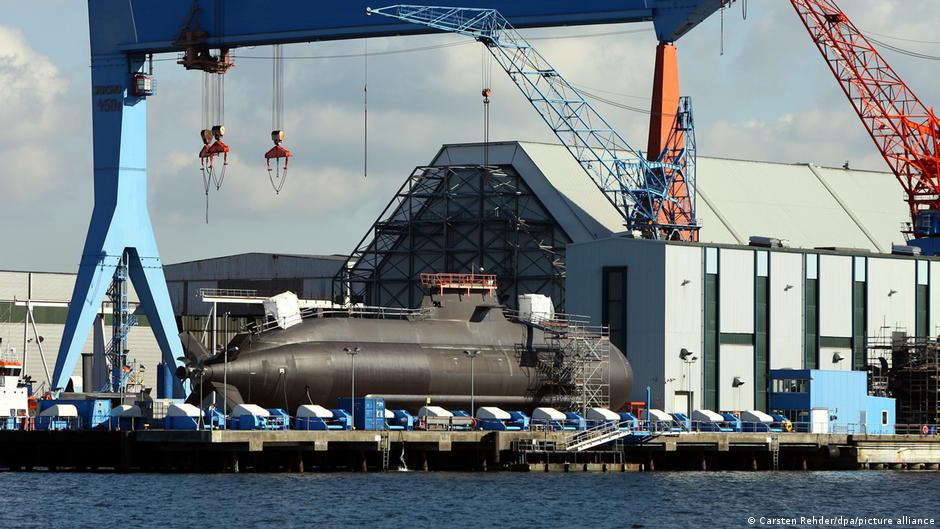
Canada's selection of German TKMS for submarine procurement signals deepening transatlantic ties, with wide-ranging effects on currencies, government budgets, and investors.

Far-right businessman Abelardo de la Espriella wins Colombia’s presidency, promising economic deregulation and security measures that may impact household finances and investments.

SpaceX’s record $75B IPO opens access to retail investors amid losses and ambitious space plans, impacting household portfolios and future tech investments.

A US federal judge canceled the Trump administration's $100,000 fee on H-1B visas, reducing financial pressure on tech firms and skilled foreign workers.

The EU plans to limit US tech giants' access to government cloud contracts, aiming to enhance data sovereignty but potentially raising costs for consumers and businesses.

Russia's military cooperation with the Taliban could influence global arms flow and economic stability, impacting household budgets and investment markets worldwide.

SpaceX’s upcoming $75 billion IPO is set to become the largest ever, presenting new opportunities and risks for household investors and impacting currency markets.

Ukraine and Germany deepen defense cooperation to enhance air defense and drone production, influencing regional security and economic stability amid ongoing conflict.

Ukraine’s plan to supply NATO with long-range drones and missiles could reshape defense dynamics and affect household finances, currency stability, and consumer investment decisions in Europe.

The US Defense Department has released 161 declassified UFO files, inviting public and expert analysis amid ongoing questions about unidentified aerial phenomena.

Uzbek banks saw a 30.88% rise in deposits in Q1 2026, with corporate and retail savings fueling growth and boosting confidence in the financial sector.

Phishing attacks targeting German officials via Signal expose risks in digital communication, highlighting the need for vigilance among everyday users to protect personal data and finances.

Tencent and Kaspi.kz executives have acquired 6 million shares in the Kazakh fintech firm, signaling strong confidence and potential benefits for consumers’ everyday finances.

Poland and France are jointly developing a military satellite to secure Poland’s defense communications, reflecting broader trends in European defense spending and technology investments.

Uzbek visitors are barred from Germany's Bundeswehr Military Technology Museum due to security policies, affecting travel plans and household budgets.