SpaceX Plans Record $75 Billion IPO, Impacting Household Investments and Market Dynamics
Elon Musk's SpaceX files for the largest IPO ever, poised to reshape investor portfolios and influence currency markets.
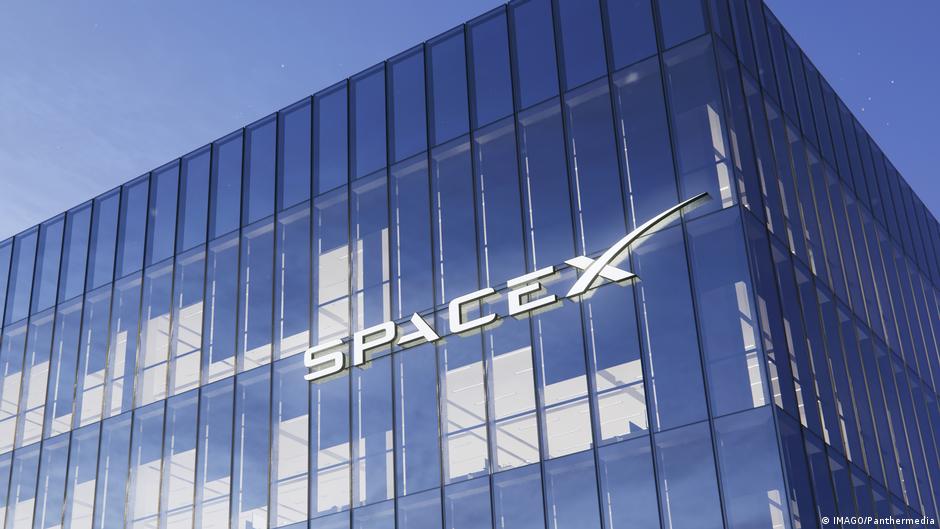
Elon Musk's aerospace company SpaceX has filed paperwork for an initial public offering (IPO) expected to raise a record-breaking $75 billion, potentially becoming the largest IPO in history. The company intends to list its shares on the Nasdaq stock exchange under the ticker symbol SPCX, with trading possibly commencing as early as June.
How the IPO Could Affect Everyday Investors and Household Budgets
For many individual investors and households, the opportunity to buy shares in SpaceX represents a new way to engage with one of the most innovative companies in the aerospace sector. The IPO’s historic scale and high valuation could have ripple effects across financial markets, influencing consumer portfolios and investment strategies.
With SpaceX revealing its financials for the first time in its 24-year history, potential investors now have insight into the company’s revenue streams and profitability. In 2025, SpaceX reported revenues of $18.7 billion but also an operating loss of $2.6 billion. This loss is attributed to substantial investments in next-generation rocket development and artificial intelligence technologies, key to maintaining its competitive edge.
“SpaceX’s IPO presents a unique investment opportunity but also highlights the risks associated with high capital expenditures and long-term growth strategies.”
Household savers should note that the company does not plan to pay dividends in the foreseeable future. This means returns on investment would primarily depend on stock price appreciation rather than income generation, which might affect more conservative investors seeking steady cash flow.
Currency markets may also react to this IPO. A $75 billion capital influx on U.S. exchanges can strengthen the dollar, especially if international investors allocate significant funds towards SpaceX shares. The increased demand for U.S. assets could influence exchange rates, impacting imported goods prices and overseas spending for American households.
Moreover, the IPO could shift capital allocations within households' investment portfolios—potentially reducing exposure to traditional sectors as investors chase growth in aerospace and technology innovation. Financial advisors may see a rise in client interest for space-related investments, prompting a reassessment of risk profiles and diversification strategies.
Since its founding in 2002, SpaceX revolutionized the aerospace industry by pioneering reusable rockets and creating the Starlink satellite network, which currently spans roughly 10,000 satellites to provide global broadband internet access. Elon Musk’s ambitious vision includes establishing a permanent human colony on Mars, underscoring the company’s long-term, high-risk, high-reward investment appeal.
As SpaceX prepares for this unprecedented public listing, individual investors and households should carefully evaluate how exposure to this space-focused enterprise fits within their broader financial goals and risk tolerance.