Germany-Ukraine Defense Pact Boosts Drone Production and Air Defense Amid Ongoing Conflict
Ukraine and Germany deepen military cooperation to enhance air defense and develop long-range drones, impacting regional security and economic stability.
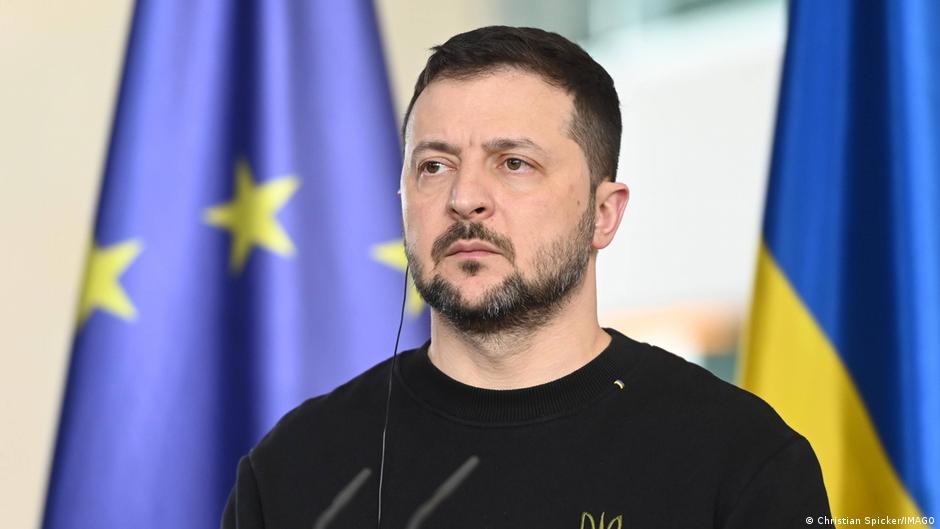
Ukrainian President Volodymyr Zelensky met in Kyiv with key German officials, including Thorsten Frei, head of the Federal Chancellor’s Office, and Martin Jäger, director of Germany's Federal Intelligence Service (BND), to discuss strengthening Ukraine's air defense capabilities amid ongoing Russian missile and drone attacks.
Strengthening Air Defense to Protect Civilians and Economies
The meeting came shortly after a significant overnight missile and drone strike on Kyiv, which resulted in at least 21 deaths and around 50 injuries. Zelensky emphasized the urgent need to accelerate agreements with Germany on air defense systems to better protect Ukrainian citizens from such attacks. Germany has previously assisted Ukraine in bolstering its airspace defense, and the Ukrainian leadership is hopeful for continued and expanded support.
"We discussed how to speed up our agreements with Germany on air defense to protect Ukrainians from such terror," Zelensky stated.
For Ukrainian households and the broader economy, enhanced air defense is critical. Persistent attacks have disrupted daily life, infrastructure, and economic activity, causing volatility in local currencies and instability in savings. Improved protection could mitigate these shocks, stabilizing consumer confidence and reducing inflationary pressures caused by wartime uncertainties.
Joint Drone Development and Defense Investments
Another significant topic was a "drone deal" proposed by Kyiv to Berlin. Ukraine and Germany have agreed to deepen defense cooperation, including joint production of medium- and long-range drones capable of reaching up to 1,500 kilometers. This cooperation, announced in mid-April, also includes multi-hundred-million-euro investments into Ukraine's long-range strike capabilities and enhanced intelligence sharing between the two countries' defense agencies.
German Defense Minister Boris Pistorius, during his visit to Kyiv on May 11, confirmed the joint development of drones with extended range and Germany’s intention to join the Ukrainian Brave1 platform, a collaborative network of Ukrainian military personnel and defense technology developers. The partnership also aims to incorporate artificial intelligence elements into weapon systems.
For everyday investors and households, these developments highlight increased foreign investment into Ukraine’s defense sector, indicating potential shifts in regional economic dynamics. Such collaborations may influence currency stability and offer new opportunities in defense technology markets, which could impact portfolios exposed to Eastern European markets.
Implications for Personal Finance and Consumer Stability
The ongoing conflict and the associated defense measures have direct repercussions on household budgets in Ukraine and neighboring regions. Frequent attacks contribute to inflation, higher energy and food prices, and uncertainty around currency values. Enhanced defense capabilities could reduce the frequency and severity of attacks, thereby providing some relief to consumers and investors.
Moreover, the influx of German investment and technology transfer may strengthen Ukraine’s economic resilience, potentially stabilizing the hryvnia and easing inflation over time. For investors, the evolving defense partnerships underscore the importance of monitoring geopolitical developments as they can rapidly affect market conditions and investment returns.