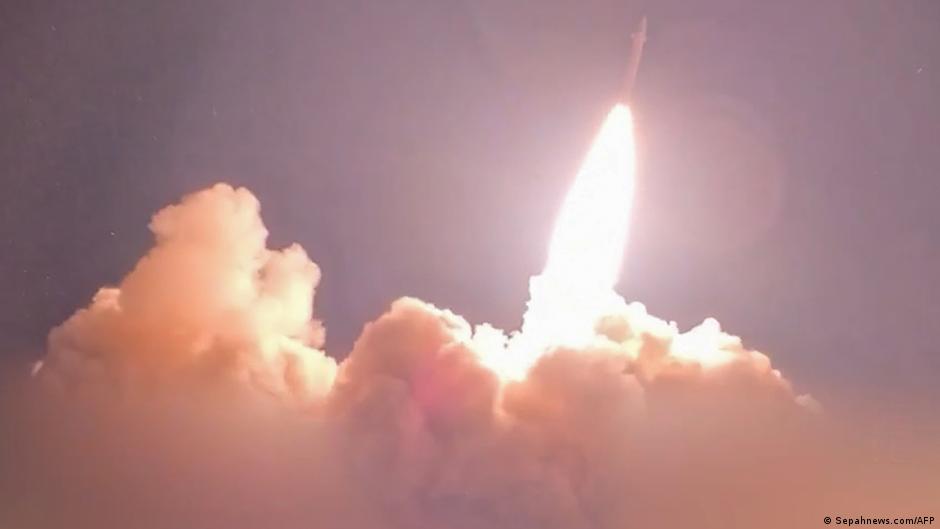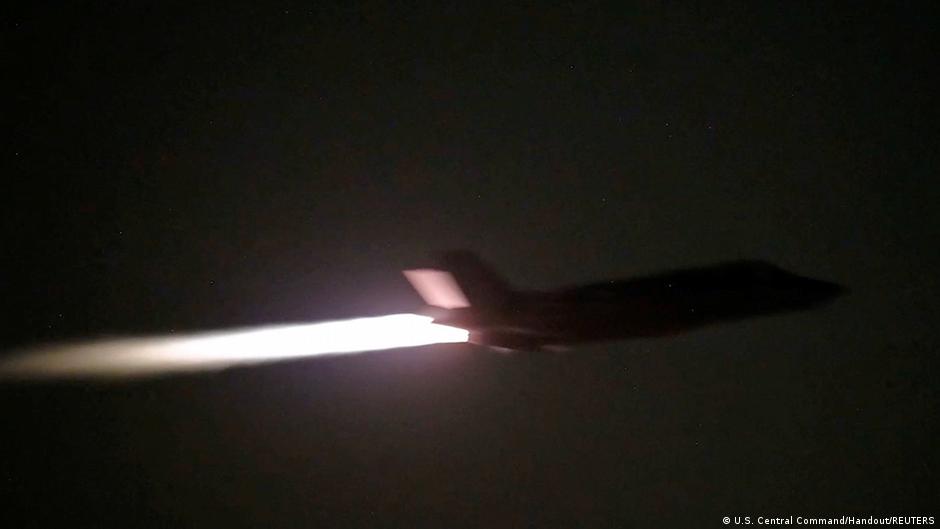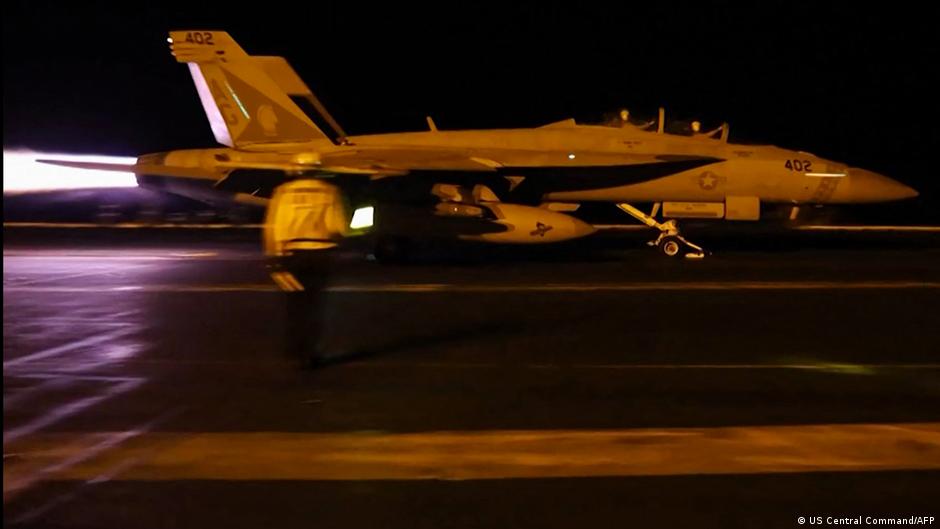
US Military Intercepts Iranian Missile Attack Amid Rising Middle East Tensions
US intercepts Iranian missiles amid Middle East tensions, threatening global energy prices and impacting household budgets and savings worldwide.

US intercepts Iranian missiles amid Middle East tensions, threatening global energy prices and impacting household budgets and savings worldwide.

Eleven nights of US strikes on Iran disrupt key oil routes, pushing energy costs higher and affecting household budgets and investor confidence globally.

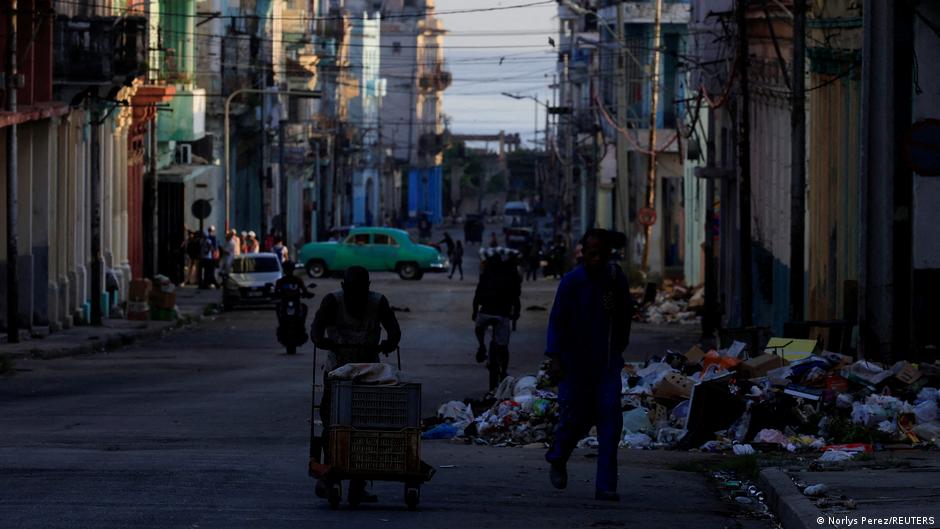
The US has sent $100 million in humanitarian aid to Cuba amid sanctions, providing direct relief to families while economic pressures and currency volatility rise.


US strikes on Iran enter the tenth day, risking global energy supply disruptions that could raise fuel prices and strain household budgets and investor portfolios worldwide.

US military deaths in the Iran conflict rise, increasing geopolitical risks that affect household budgets, currency markets, and investment decisions.

US strikes on Iran's infrastructure heighten risks of oil supply disruptions, driving up energy costs and impacting household budgets and investors worldwide.

The US is negotiating to restore an Iraq-Syria oil pipeline to bypass the Strait of Hormuz, aiming to stabilize energy supplies and ease global household energy costs.

US military strikes on Iran near the Strait of Hormuz risk disrupting oil supplies, driving up energy prices, and straining household budgets and investments globally.

US strikes on Iran have closed the crucial Strait of Hormuz, threatening global oil supplies and raising energy costs that impact household budgets and everyday investors worldwide.

The killing of UK politician Anne Widdicombe raises public safety concerns that may impact household budgets, consumer confidence, and the broader economy.

Renewed US-Iran military strikes and sanctions threaten Strait of Hormuz shipping, risking higher oil prices and increased costs for households and investors worldwide.

US strikes on Iran and renewed sanctions risk disrupting global oil supplies, pushing energy costs higher and impacting household budgets and investors worldwide.

Latvian President warns NATO to prepare for conflict escalation with Russia, highlighting increased defense spending and its impact on European household budgets and savings.

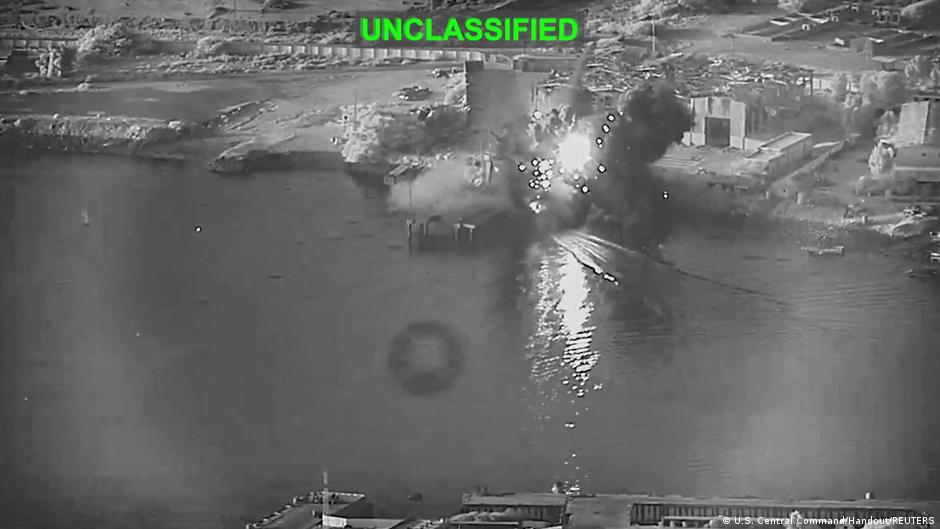
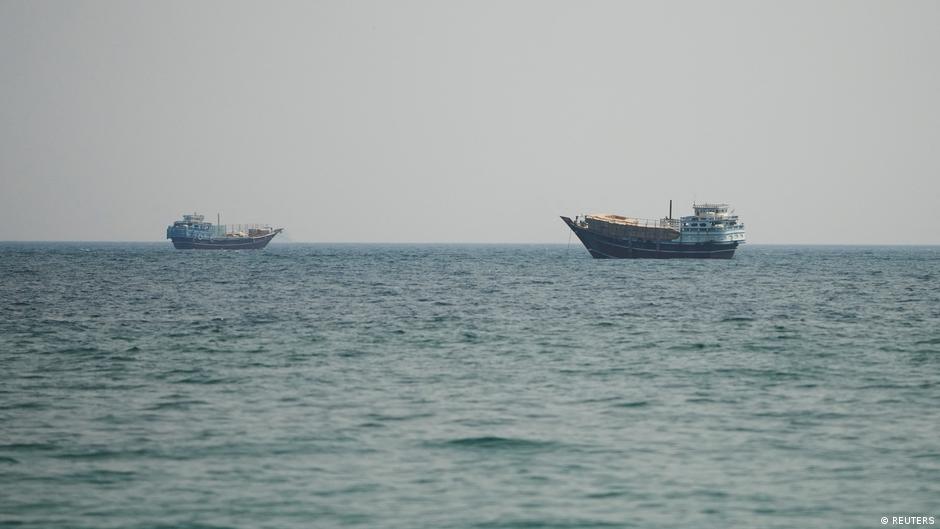
U.S.-Iran military clashes after a drone strike on a cargo ship in the Strait of Hormuz drive up global oil prices, impacting household budgets and everyday investors.

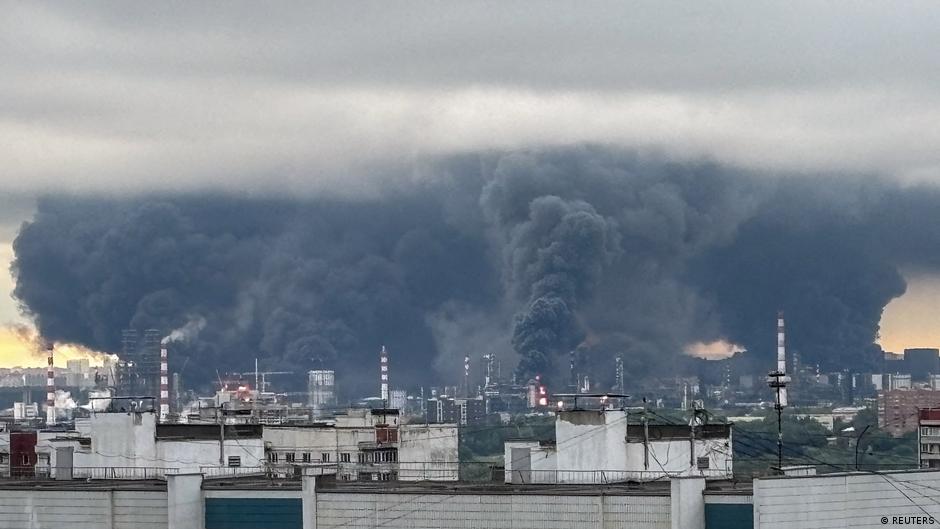
A drone attack caused a fire at a key oil depot near Krasnodar, disrupting regional fuel supplies and raising energy costs for households in Southern Russia.

US and Iran agree on a communication channel to prevent incidents in the Strait of Hormuz, aiming to stabilize global oil supply and ease household energy costs.

Germany urges Turkey to exclude Russian gas from future EU contracts, affecting energy prices, household budgets, and currency markets amid evolving geopolitics.

Drone strikes on Crimea's energy facilities threaten local energy supplies, potentially raising household costs and impacting regional markets and investors.

The EU has extended sanctions on Russia to one year, intensifying economic pressures that may raise energy costs and impact European household budgets and savings.

The reopening of the Strait of Hormuz after a US-Iran peace deal could stabilize oil prices, easing fuel costs and benefiting household budgets globally.

European leaders welcome the US-Iran peace deal as a move to stabilize energy markets, potentially easing household energy costs and inflation worldwide.

US sanctions on Cuba’s state oil company CUPET worsen fuel shortages and energy costs, straining Cuban household budgets and complicating savings and investments.

US strikes on Iran near the Strait of Hormuz raise the risk of higher oil prices, impacting household budgets, savings, and currency stability worldwide.

The Israel-Iran conflict is affecting global markets, household budgets, and investments by driving volatility in currencies and energy costs, impacting consumers worldwide.

US-Iran drone strikes near the Strait of Hormuz threaten energy supply routes, potentially driving up global oil prices and impacting household budgets worldwide.

The US House limits Trump's Iran war powers, signaling shifts that could ease energy price pressures and affect currency markets, impacting household budgets and investors.

Russia plans 1-2 month export restrictions on diesel and jet fuel to stabilize domestic supply amid refinery disruptions, affecting household budgets and energy prices.

Russia’s threat to suspend duty-free gas and fuel exports to Armenia could drive up household energy costs and disrupt consumer markets amid Armenia’s EU integration efforts.

European leaders and Ukraine's Zelensky renew peace talks as the war's economic toll grows, affecting household budgets, savings, currencies, and everyday investors.

The UK government has authorized indefinite imports of diesel and kerosene refined from Russian crude via third countries to ease rising fuel prices impacting households.

Moscow's approval of a new German ambassador amid strained ties may impact household budgets, currency stability, and everyday investors in Germany and Russia.

The US has ended its temporary easing of sanctions on Russian oil exports, potentially raising fuel costs and affecting household budgets and investments.

Germany is considering President Steinmeier to represent the EU in potential peace talks with Russia, a move that could influence European markets, currencies, and household finances amid the Ukraine conflict.

Latvia’s defense minister resigned after drones violated airspace, raising concerns about regional security and potential impacts on household budgets and energy prices.

Putin names former German Chancellor Schröder as preferred EU negotiator in Ukraine talks, potentially impacting energy prices, currencies, and household budgets across Europe.

US-Iran talks nearing a deal could ease sanctions and lower energy prices, impacting household budgets, savings, and investment markets globally.

Global oil reserves fell by a record 200 million barrels in April amid Middle East tensions, signaling higher fuel costs and economic pressure on households and investors worldwide.

Iran’s missile and drone strikes on the UAE escalate regional tensions, threatening global energy supplies and raising costs that impact household budgets and investors.

Germany transfers an 84 MW gas power plant from the Nord Stream pipeline to Ukraine, impacting energy infrastructure and household energy costs amid ongoing conflict.

The US plans to withdraw 5,000 troops from Germany, a move that could impact euro-dollar exchange rates, local economies, and household finances.

King Charles III’s US visit amid UK-US tensions spotlights rising energy costs and currency risks affecting household budgets and everyday investors.

US halts envoy travel to Pakistan for Iran talks, shifting to phone diplomacy amid strategic confidence, impacting energy markets and household budgets.

The US Treasury will not extend exemptions allowing purchases of Russian and Iranian oil at sea, potentially raising energy prices and affecting household budgets globally.

Trump sees Putin’s possible G20 attendance as "useful," but uncertainty over Russia’s participation raises concerns about market volatility affecting households and investors.

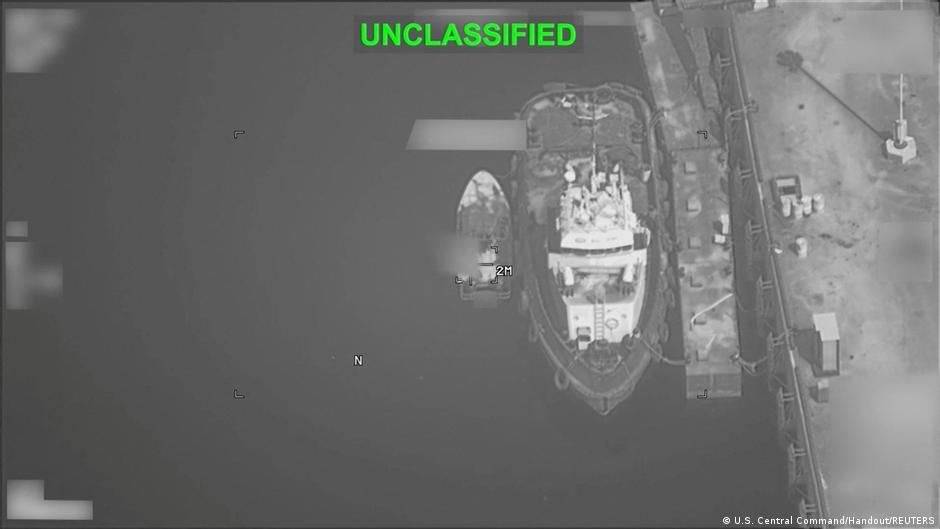
US seizure of Iranian cargo ship near Strait of Hormuz raises risks of rising energy prices and inflation, impacting household budgets and everyday investors worldwide.

Drone attacks on Russian oil depots caused fires that may disrupt fuel supplies, affecting household energy costs and market stability.

The US extends the exemption on sanctions against Russian oil exports, influencing energy prices and household expenses amid ongoing geopolitical tensions.

Slovakia will block the EU's 20th sanctions package against Russia until oil supplies resume via the Druzhba pipeline, impacting energy costs and household budgets.

The US Senate rejected a resolution to end the war with Iran, maintaining broad presidential war powers and raising concerns over impacts on household budgets, currencies, and investors.