EU Sanctions Deadline Puts Russia Curbs Back in Focus for Savers
Kaja Kallas urged EU ambassadors to extend sanctions on Russia as disputes over two billionaires raised questions for markets and households.
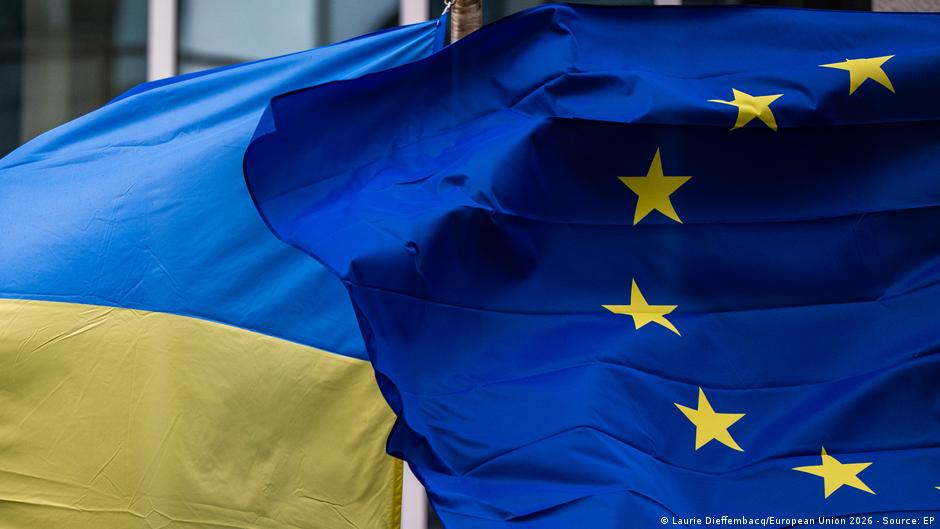
European Union foreign policy chief Kaja Kallas has urged the bloc’s ambassadors to extend sanctions against Russia over the war in Ukraine, warning that the measures remain central to Europe’s effort to limit Moscow’s financial capacity. For households, savers and everyday investors, the debate is more than a diplomatic procedure: sanctions policy can shape energy costs, currency sentiment, market risk and the broader economic backdrop in which family budgets are planned.
Kallas made the appeal in New York on Monday, September 21, ahead of a new meeting of the permanent representatives of EU member states. She said sanctions are a key part of the EU’s response to Russia’s war and are intended to deprive Moscow of financing. According to comments cited by AFP, representatives of EU countries are seeking to conclude talks on extending the penalties soon and ensure that they enter into force quickly.
“Sanctions are a key element of our response to the war launched by Russia,” Kallas said, describing them as a tool intended to cut off financing for Moscow.
The EU’s position, Kallas said, remains unchanged, and Brussels is already working on a new sanctions package. The immediate question, however, is whether ambassadors can agree on extending the existing regime after earlier talks stalled over disagreements linked to Russian billionaires Alisher Usmanov and Mikhail Fridman.
Why a Sanctions Vote Matters for Household Finances
Sanctions against Russia are designed as foreign policy instruments, but they can filter through to household finances in several ways. Measures affecting individuals, entities, trade flows and financial links may influence investor risk appetite, the euro’s political risk premium and the outlook for European companies with exposure to regulated markets. For consumers, the clearest connection has often been through energy and inflation, even when the direct effect of a particular sanctions decision is difficult to separate from broader market forces.
A firm extension of sanctions may reassure markets that EU policy is predictable, reducing uncertainty for investors who hold European equities, bonds or currency-linked savings products. A failure to extend sanctions, or a visibly divided process, could instead underline political fragmentation inside the bloc. That can matter for ordinary savers because market uncertainty often shows up in pension portfolios, exchange rates, borrowing costs and the returns available on savings.
The next meeting of EU permanent representatives is scheduled for the morning of September 22, according to a DW correspondent in Brussels citing an EU diplomat. The meeting is expected to address the possible removal of sanctions on Usmanov and Fridman while preserving restrictive measures against thousands of other individuals and organizations.
That distinction is important for investors watching the scale and durability of the sanctions regime. The issue is not only whether two names remain on a list, but whether member states can keep a common framework in place. Sanctions require political coordination, and any sign of weakening consensus may be interpreted by markets as a signal about future EU policy toward Russia, energy security and financial restrictions.
Disputes Over Billionaires Complicate the Extension
On September 14, EU ambassadors failed to agree on another six-month extension of sanctions imposed on Russia for violating Ukraine’s territorial integrity. Instead, they decided to extend the current regime temporarily while further consultations continued, with the stopgap running until midnight on September 22.
According to sources who spoke to DW on condition of anonymity, the disagreement was linked to Slovakia’s push to remove Usmanov and Fridman from the sanctions list. France, meanwhile, blocked the extension of the sanctions regime while seeking the removal of Usmanov. Luxembourg also supported lifting penalties on Fridman, Reuters reported on September 21, citing diplomatic sources.
For retail investors, such disputes are a reminder that political risk can be embedded in assets that appear far removed from foreign affairs. European bank shares, energy companies, industrial exporters and defense-related firms may all react differently to developments in sanctions policy. Currency markets can also respond when investors reassess unity inside the EU or the expected direction of policy toward Russia.
For households with mortgages, credit card balances or planned borrowing, the link is indirect but still relevant. If geopolitical tensions contribute to inflation pressures, risk aversion or changes in central bank expectations, financing costs can be affected over time. Conversely, policy clarity can help reduce one source of uncertainty for lenders, businesses and consumers.
Ukraine Pushes Back Against Any Relief
Ukraine has criticized the possibility of lifting sanctions on both Russian billionaires. Ukrainian Foreign Minister Andrii Sybiha said Usmanov and Fridman were placed on sanctions lists because of their connection to what he called the “Russian aggressive regime” waging a war of conquest against Ukraine. Since then, Sybiha said, nothing has changed.
That response highlights the political stakes surrounding any sanctions adjustment. For Kyiv, removing prominent individuals from the list could be seen as a weakening of pressure on Moscow. For EU governments, the challenge is to balance legal, diplomatic and strategic considerations while maintaining a sanctions framework that is credible and enforceable.
For consumers and small investors, the practical takeaway is to watch not only the final decision but also the degree of unity behind it. A smooth extension would likely preserve the status quo and keep attention on the next sanctions package under preparation in Brussels. A more contentious outcome could add to market caution, particularly in sectors sensitive to geopolitical risk.
Households do not need to trade on every diplomatic headline. But the EU sanctions deadline is a useful marker for anyone tracking the forces behind inflation, energy bills, currency moves and portfolio volatility. The decision expected around September 22 will help show whether the bloc can maintain a common economic front against Russia while navigating the financial and political pressures inside Europe.