European Weapon Factory Sabotage Raises Concerns Over Supply and Consumer Impact
Sabotage at European defense factories risks supply chain disruptions that could raise consumer costs and disrupt savings amid ongoing geopolitical tensions.

Sabotage at European defense factories risks supply chain disruptions that could raise consumer costs and disrupt savings amid ongoing geopolitical tensions.
The EU pledges ongoing support to Ukraine amid conflict, maintaining sanctions on Russia that affect European household budgets, currency markets, and investors.

Hundreds of Ukrainian soldiers have deserted military training in Germany since 2022, creating financial uncertainty for families dependent on remittances and affecting currency stability.

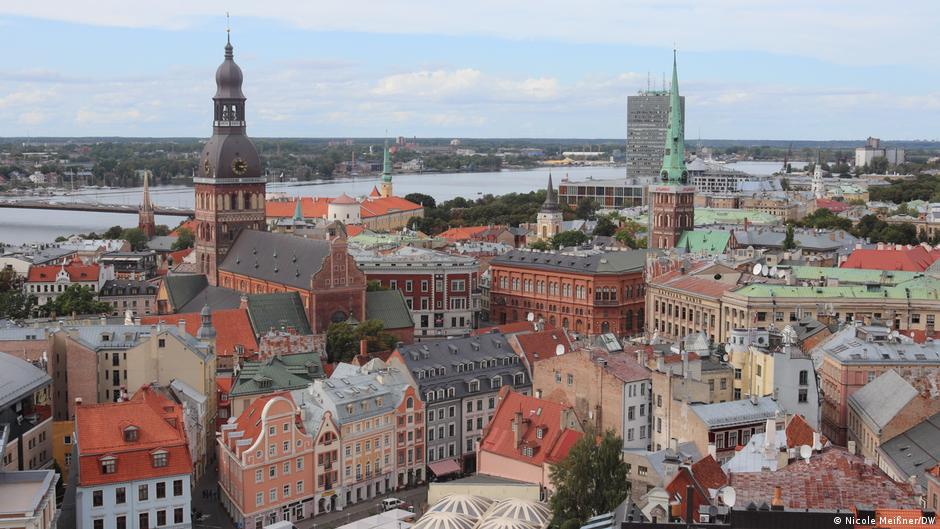
Latvia has published a list of 170 firms still trading with Russia and Belarus despite the Ukraine war, affecting consumer choices and investor confidence.

NATO responds to Iranian threats targeting European military sites, signaling potential impacts on household budgets, currency markets, and consumer prices amid rising tensions.

Former Ukrainian Defense Minister Mikhail Fedorov urges elections during wartime, highlighting key challenges impacting household finances and economic confidence.

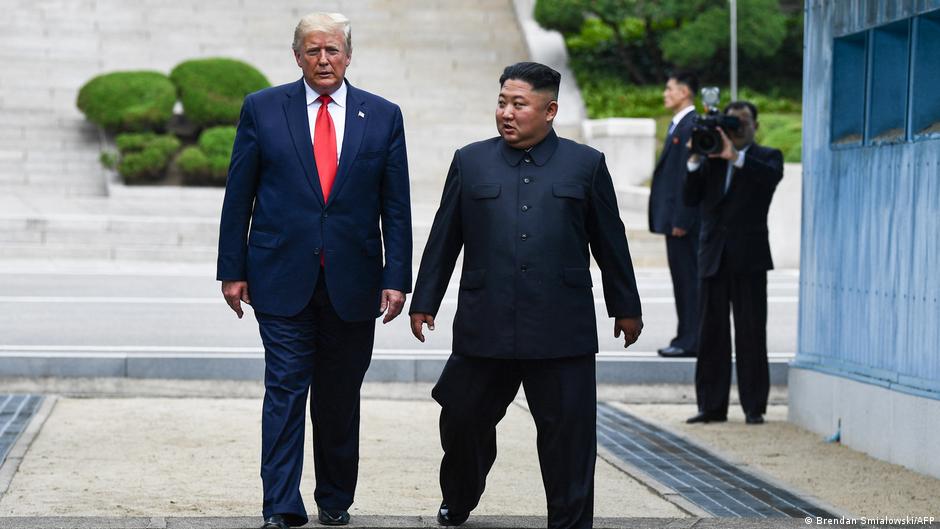
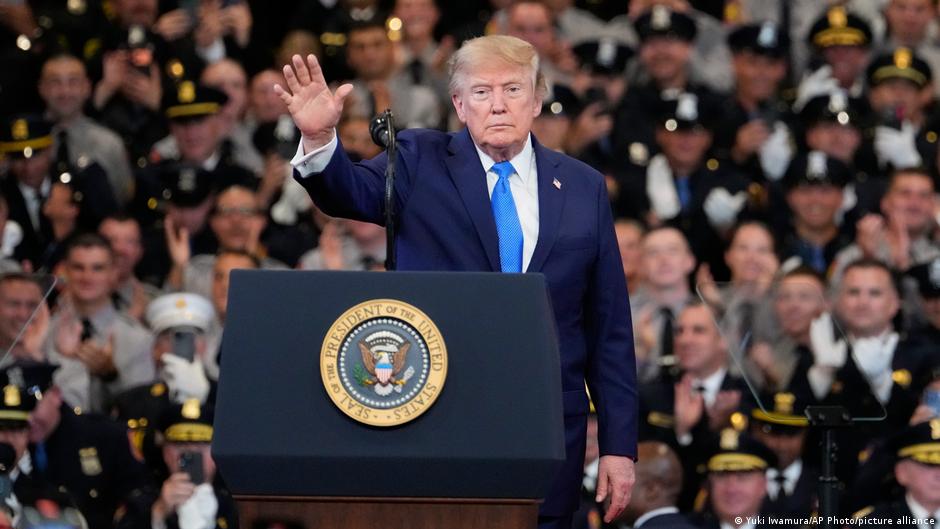
US President Trump plans a fall meeting with North Korean leader Kim Jong Un to revive nuclear talks, with potential impacts on currencies and household finances worldwide.

Rising tensions in the Strait of Hormuz threaten oil supply stability, potentially driving up fuel costs and affecting household budgets and investments globally.

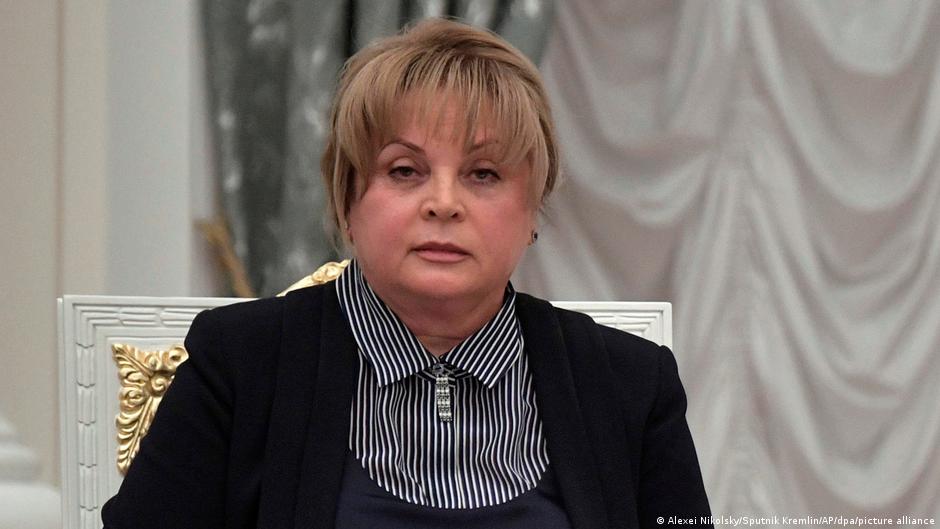
Russia considers barring emigrants labeled as foreign agents from voting, affecting expatriates' political rights and financial ties with the homeland.

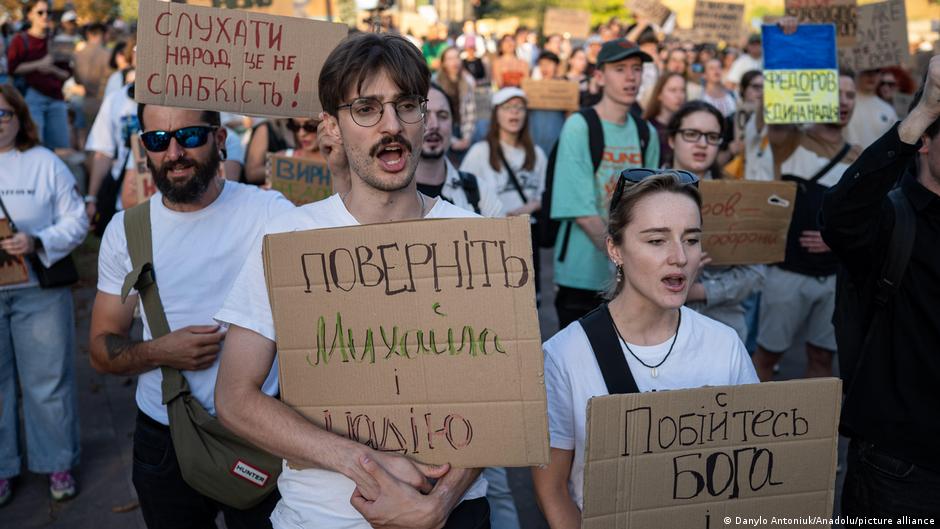
Protests in Kyiv demand the return of Mykhailo Fedorov as defense minister, raising concerns about political stability and reforms impacting household finances and currency stability.

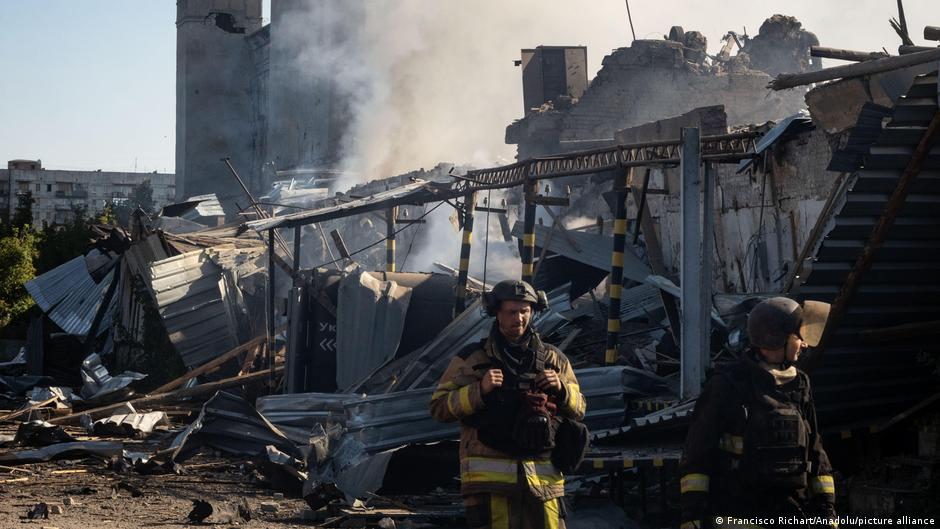
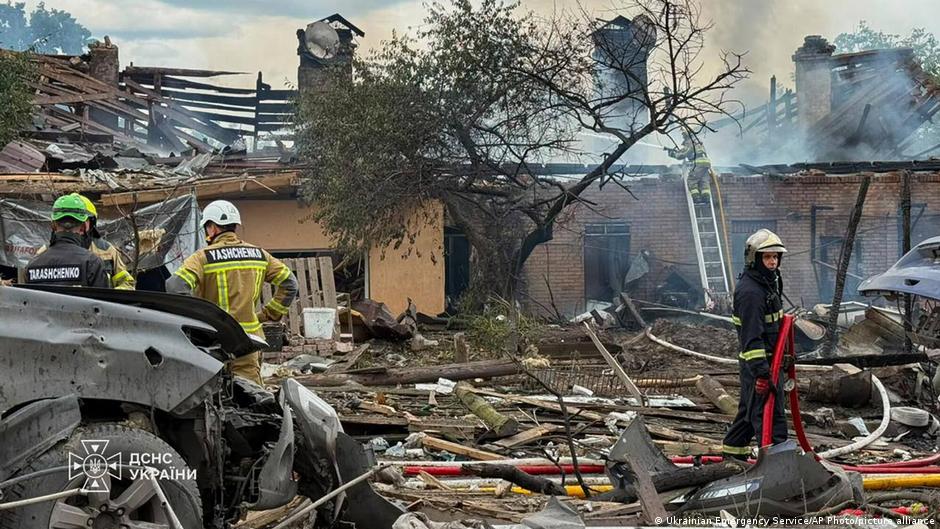
Recent Russian airstrikes in Kramatorsk caused casualties and damaged residential buildings, raising concerns over household safety and economic stability for local consumers and investors.

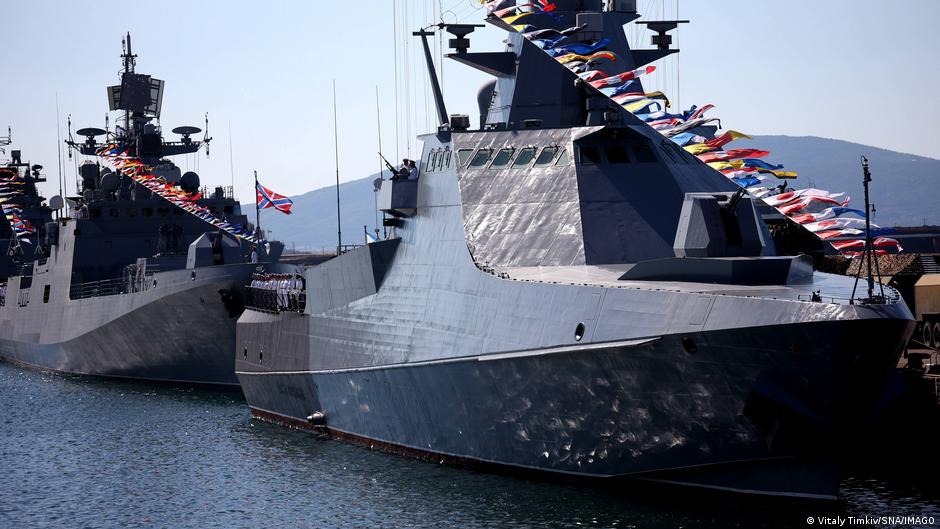
The strike on Russian warships and infrastructure in Novorossiysk disrupts regional energy and grain exports, impacting household budgets and consumer prices.

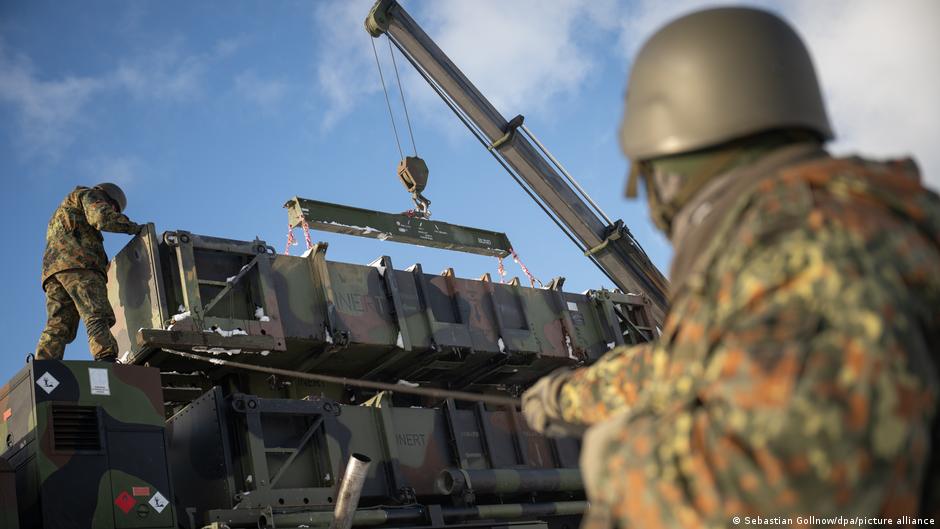
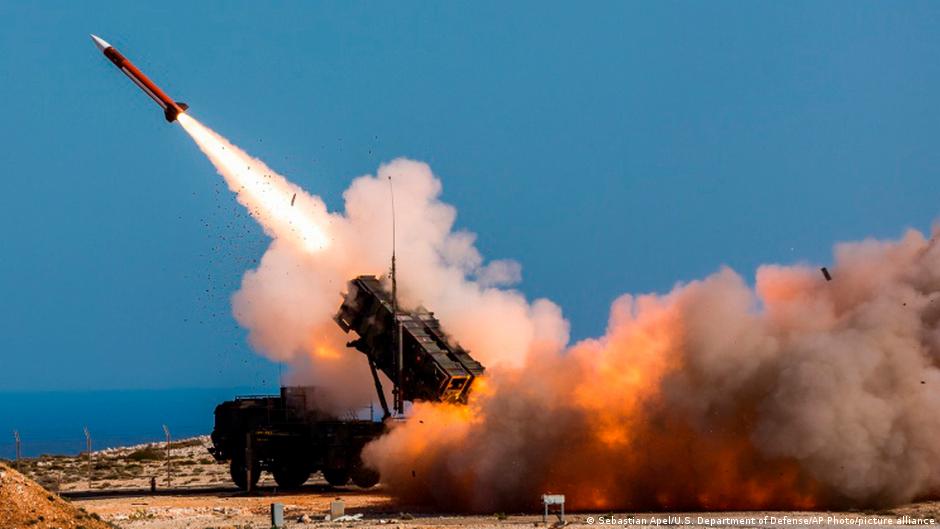
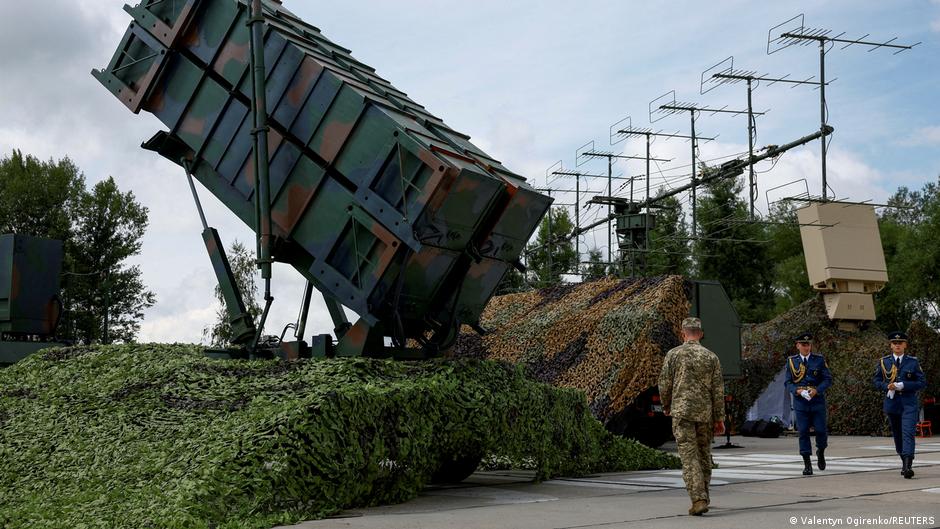
Concerns over Ukraine’s potential to produce Patriot missiles raise questions about defense spending, supply chains, currency impacts, and investor risks affecting households globally.

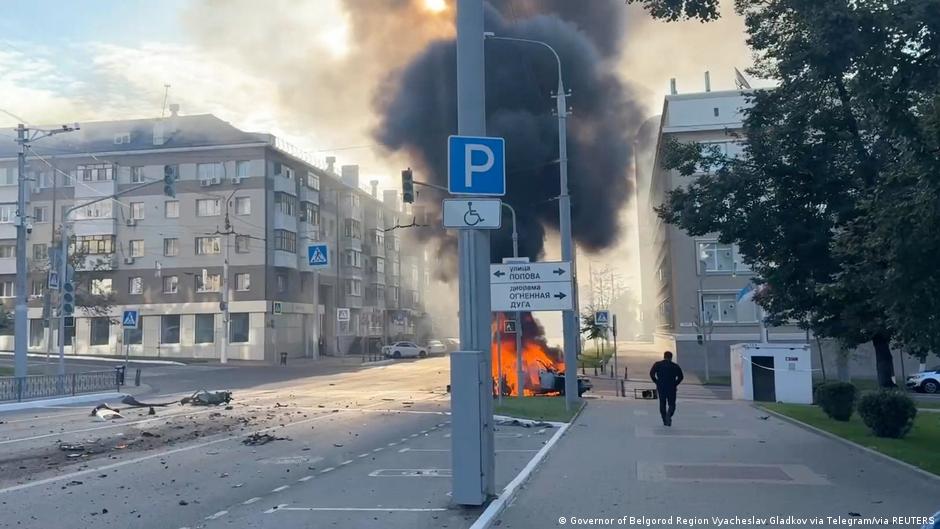
Drone attacks in Belgorod injured 13 and damaged homes and infrastructure, raising concerns over household financial burdens and local economic stability.

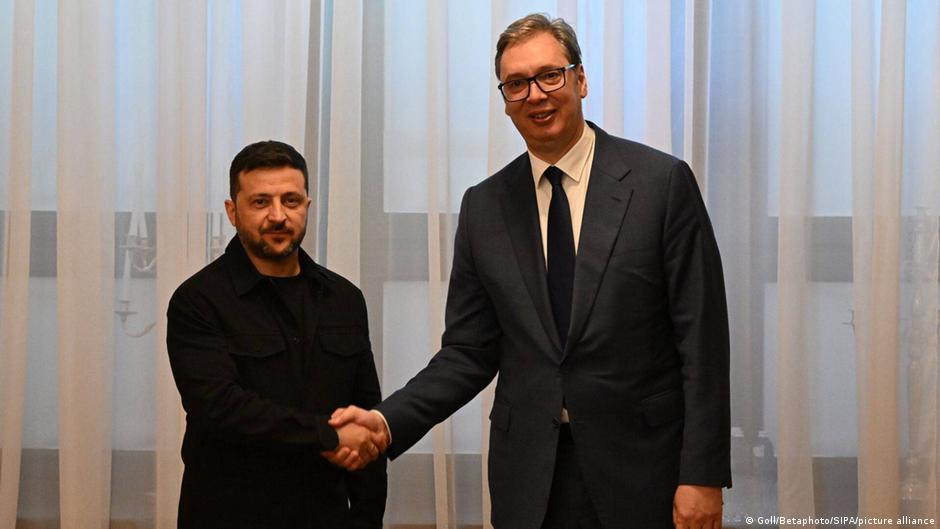
Ukrainian and Serbian presidents meet in Belgrade, focusing on economic and energy cooperation that may influence household budgets and consumer costs in both countries.

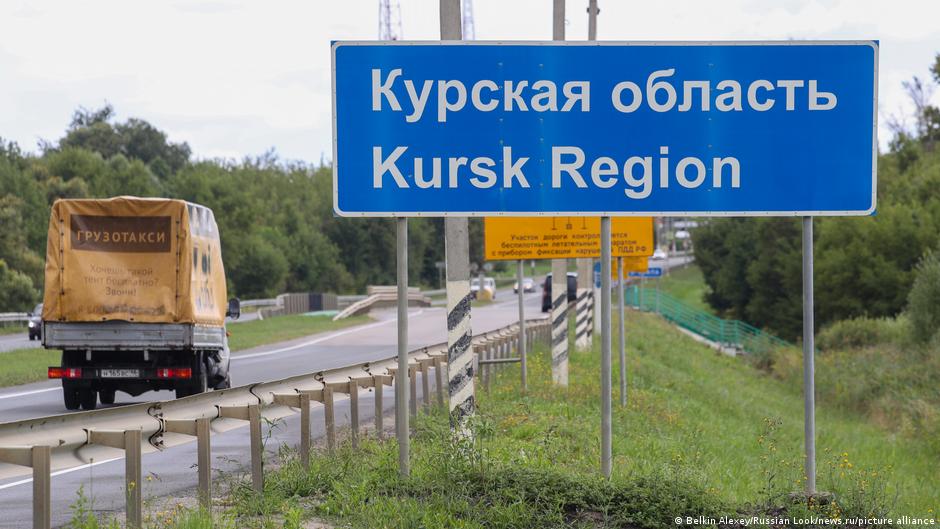
Drone attacks in Russia's Kursk and Belgorod regions cause casualties and disrupt daily life, affecting household safety and local economies.

Gulagu.net pauses amid legal and security pressures, highlighting risks to personal security, assets, and financial stability that impact Russian households and investors.

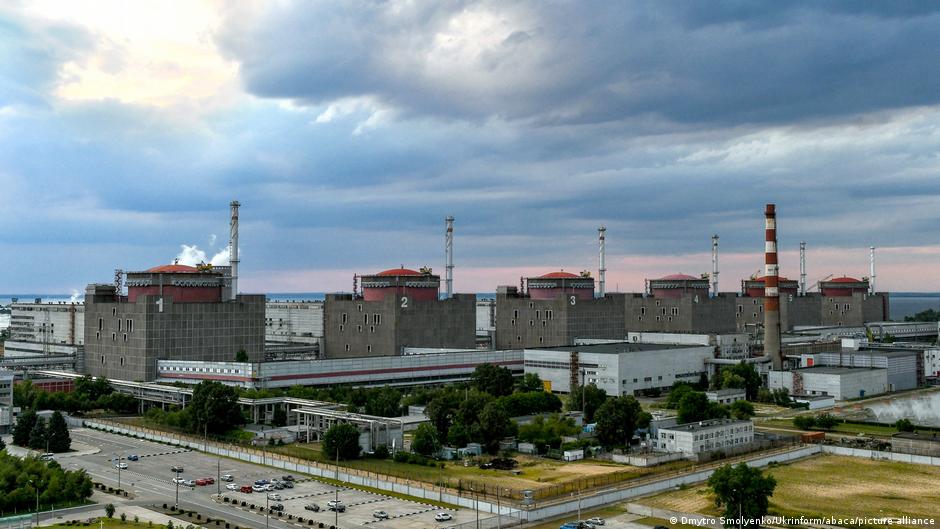
The Zaporizhzhia Nuclear Plant’s repeated power outages threaten regional energy stability, pushing up costs and straining household budgets amid ongoing conflict.

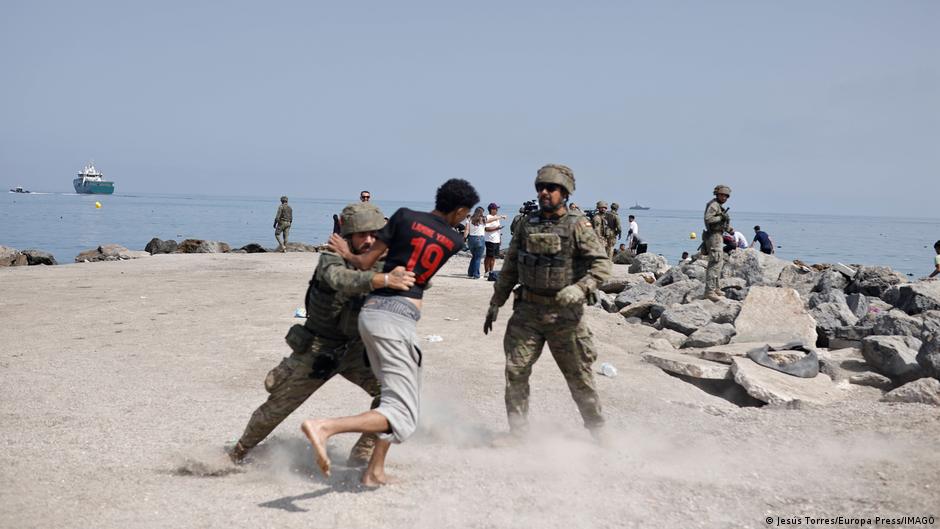
The surge of 60,000 migrants into Spain’s Ceuta enclave disrupts local economies, challenges household budgets, and raises currency and investment concerns across Europe.

NATO's plans to expand nuclear deterrence in Europe could influence household budgets and market stability amid rising geopolitical tensions.

The US-declared Hamas disarmament deal signals potential easing of Middle East tensions, likely impacting global currencies, commodity prices, and investment markets.

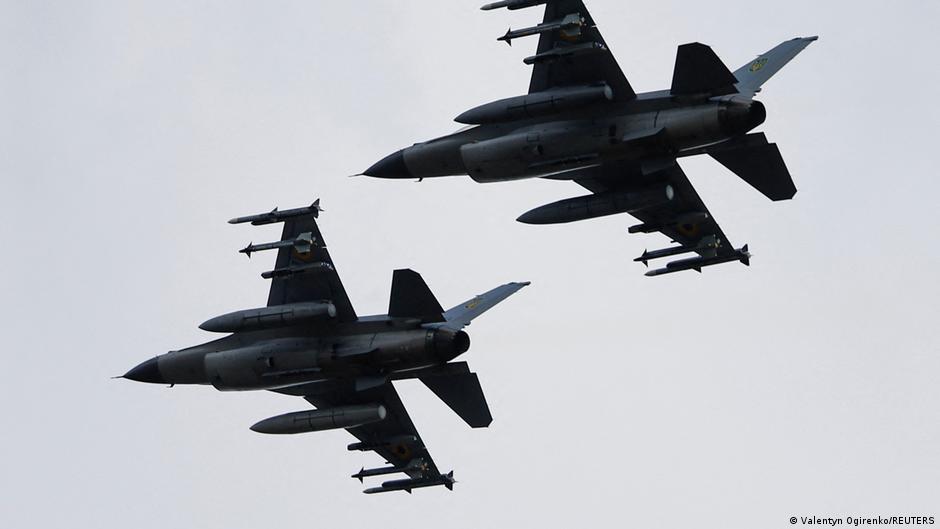
Ukraine’s fourth F-16 fighter jet crash highlights rising military costs and financial pressures affecting national budgets and household economies amid ongoing conflict.

The EU protests Russian missile strikes damaging civilian and diplomatic sites in Ukraine, escalating regional tensions that affect European household budgets, inflation, and currency markets.

Russia’s July oil and gas revenues may rise 60% year-on-year due to higher global prices, affecting household budgets, currency stability, and consumer finances amid ongoing sanctions.

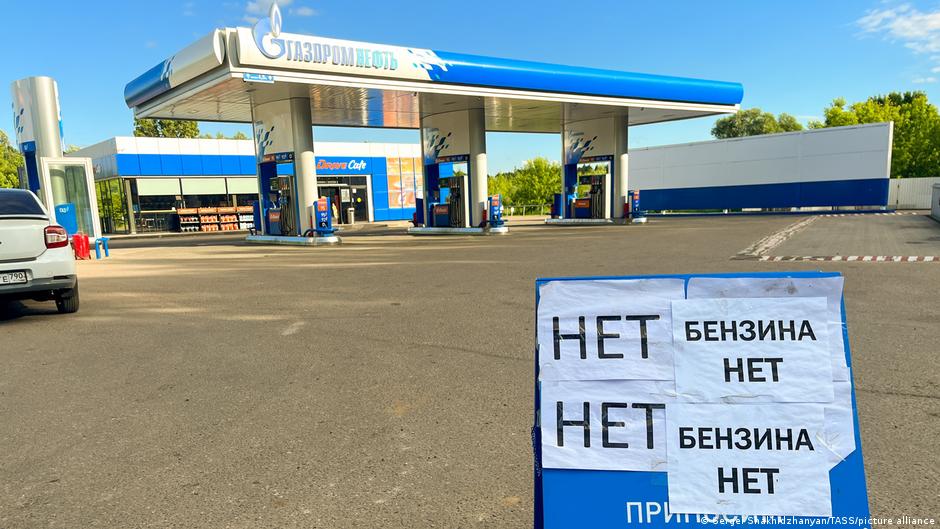
Russia’s oil product production dropped nearly 22% in June, driving fuel price increases and straining household budgets and consumer spending.

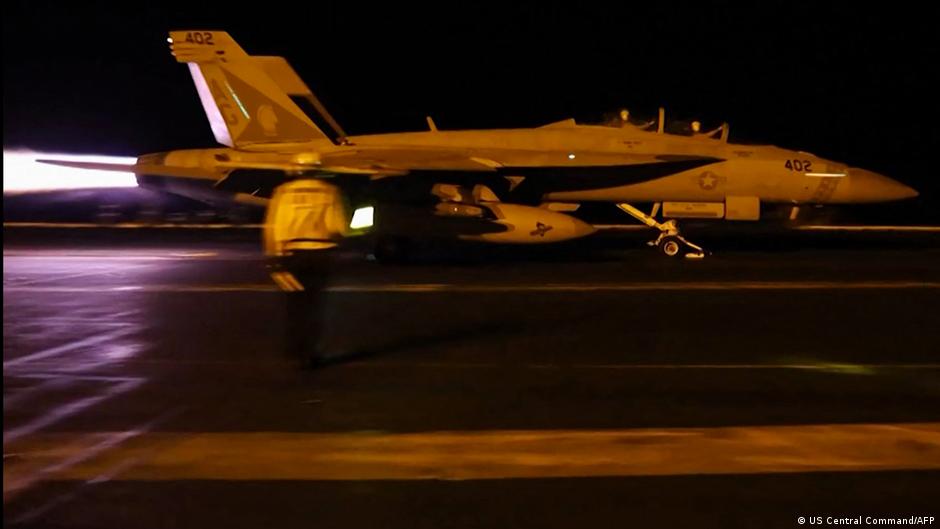
US strikes on Iran enter the tenth day, risking global energy supply disruptions that could raise fuel prices and strain household budgets and investor portfolios worldwide.

The IMF approved a €604 million payment to Ukraine, supporting budget deficits and economic reforms amid war, with implications for household finances and currency stability.

Russian air strikes on Zaporizhzhia and Sumy caused civilian deaths and infrastructure damage, impacting household finances and local economies.

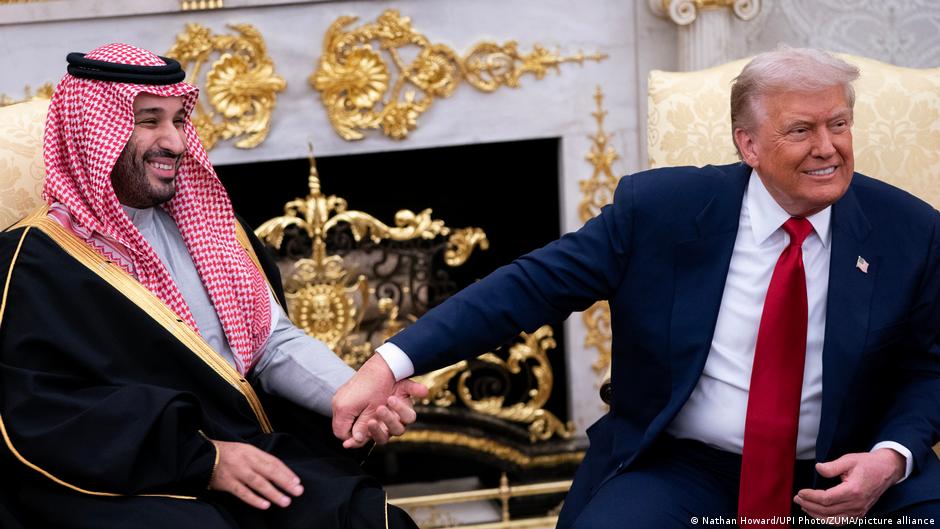
US plans to allow Saudi uranium enrichment could raise oil prices, affect currencies, and impact household budgets and investments worldwide.

Hungary’s veto on Ukraine’s EU accession negotiation clusters delays integration, risking currency volatility, inflation, and uncertainty for households and investors.

German President Steinmeier urges Europe to uphold international order and implement social reforms to stabilize economies and protect households amid rising geopolitical tensions.
Former Spanish PM’s remarks on the French World Cup team spark debate with implications for economic confidence and investor sentiment in Europe.

Iran’s leader’s death and rising conflicts threaten household budgets, savings, and currency stability amid a fragile political transition.

AKFA Aluminium plans its first international bond issuance, opening new opportunities and risks for household investors and impacting Uzbekistan's financial markets.

Gazprom's new defense contract enables employees to earn extra income by guarding gas infrastructure, impacting household budgets and job security amid economic uncertainty.

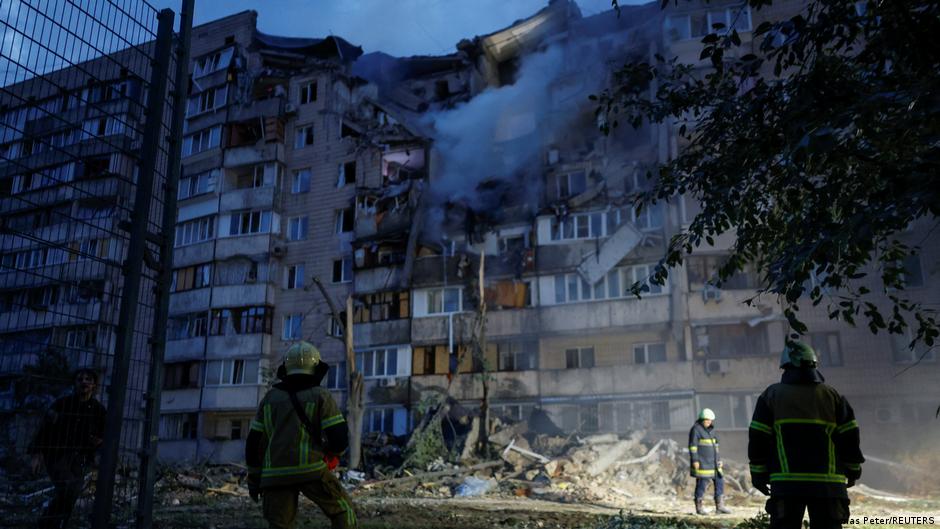
Russian missile and drone strikes on Kyiv cause casualties and property damage, increasing financial hardship for families and affecting local economies amid ongoing conflict.

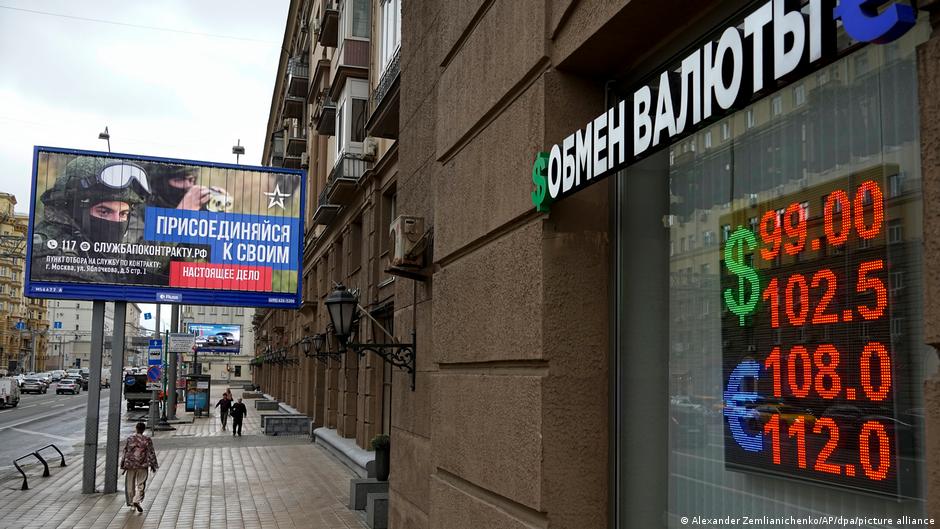
Russia’s Defense Ministry plans to cancel mandatory medical exams for contract soldiers, reflecting recruitment struggles that may affect household budgets and economic stability.

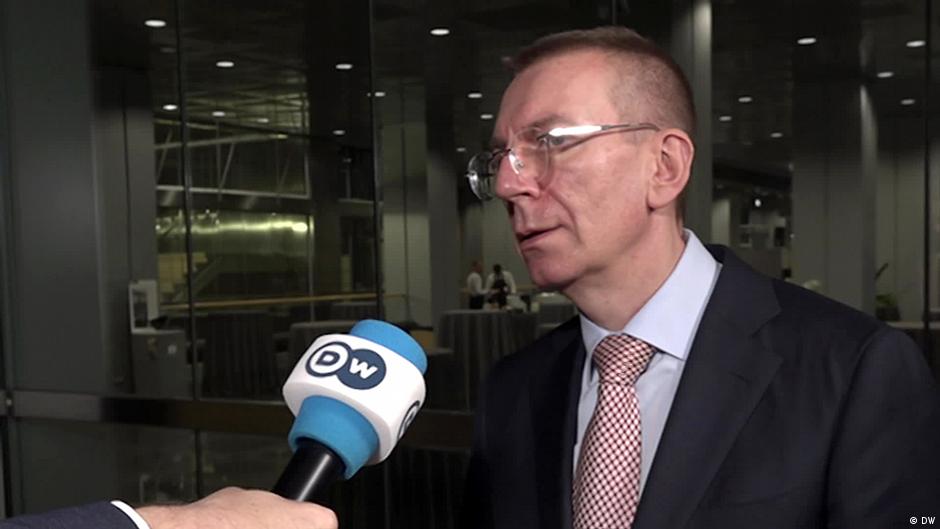
Latvian President warns NATO to prepare for conflict escalation with Russia, highlighting increased defense spending and its impact on European household budgets and savings.

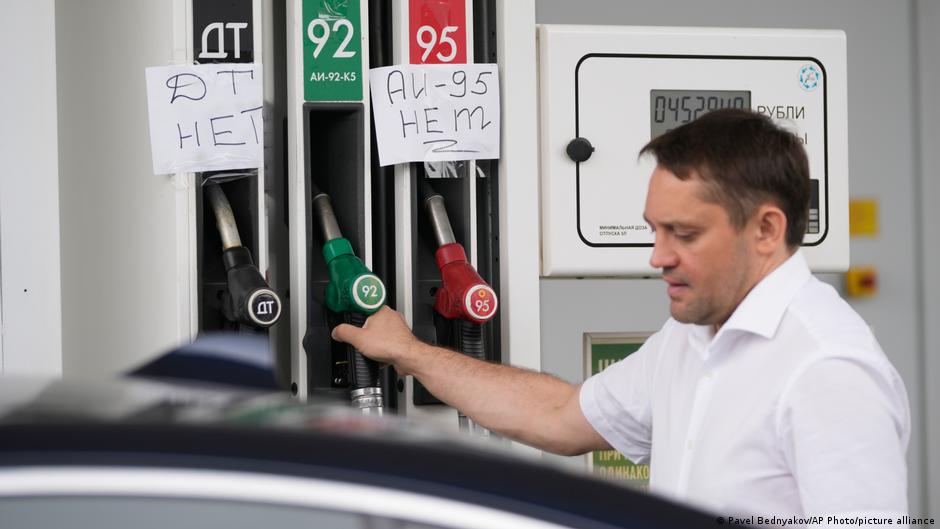
Russia permits use of older Euro-3 gasoline and diesel fuels until 2026, impacting fuel quality, prices, and household budgets amid a worsening supply crisis.

Poland deported 11 individuals accused of organizing Russia-funded protests among Ukrainian refugees, raising concerns over foreign influence and economic impact on households.

U.S.-Iran military clashes after a drone strike on a cargo ship in the Strait of Hormuz drive up global oil prices, impacting household budgets and everyday investors.

Finland's removal of the nuclear weapons ban may impact national security and economic stability, influencing household budgets, savings, and currency markets.

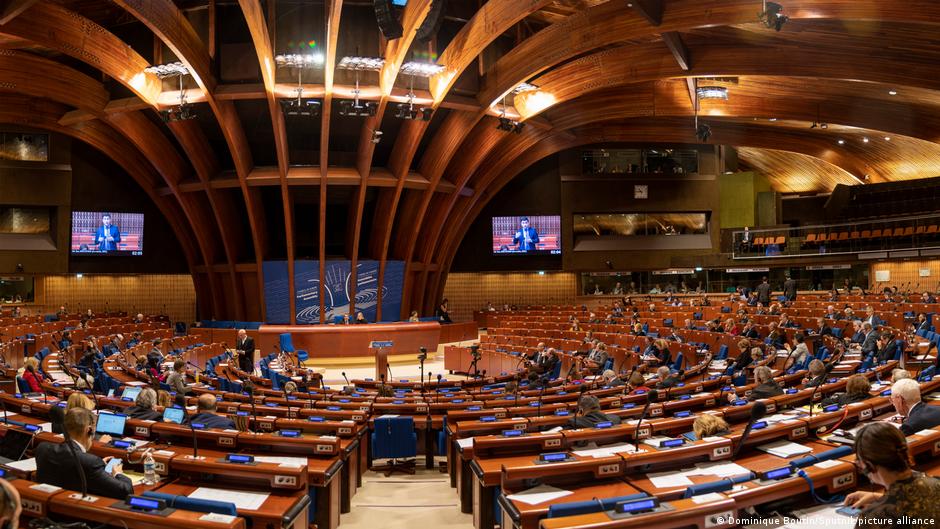
PACE criticized Georgia’s democratic decline and urged reforms, highlighting risks that political instability poses to household budgets, savings, currencies, and investors.

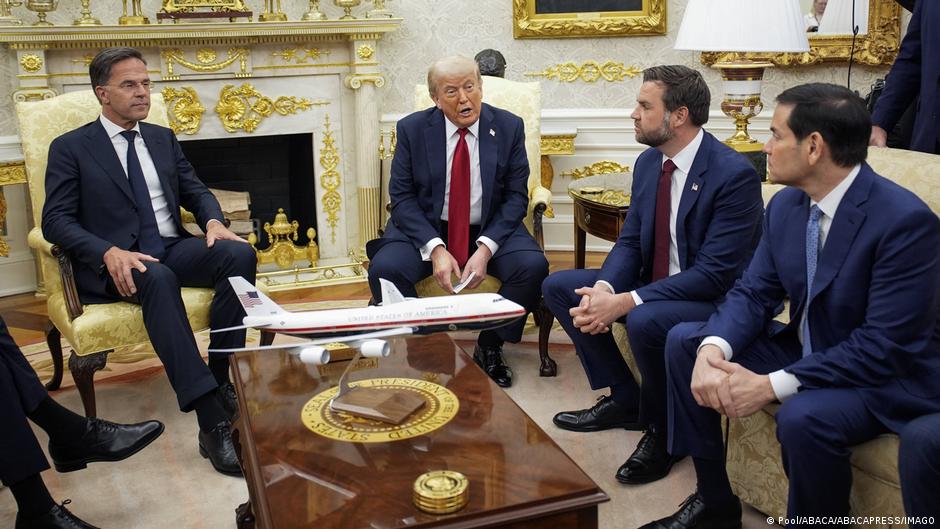
President Trump praises Zelensky amid the Ukraine war, highlighting impacts on household budgets, currencies, and market volatility affecting consumers and investors globally.

The US Senate voted to end military actions against Iran, signaling shifts that may ease economic pressures on households and investors amid ongoing peace talks.

US and Iran agree on a communication channel to prevent incidents in the Strait of Hormuz, aiming to stabilize global oil supply and ease household energy costs.

Germany urges Turkey to exclude Russian gas from future EU contracts, affecting energy prices, household budgets, and currency markets amid evolving geopolitics.

Bulgaria plans to veto the EU's new sanctions on Russia, citing risks to fuel supply, metro parts, and fertilizer availability that could impact household budgets and inflation.

The EU's quiet talks with Russia may pave the way for peace, potentially easing inflation and market volatility that affect European households and investors.

Hungary's parliament limits prime minister terms to two four-year periods, impacting political stability and economic policies that affect household budgets and investor confidence.