Russian Airstrikes on Kramatorsk Raise Concerns Over Economic Stability and Consumer Security
Recent attacks in Kramatorsk have caused casualties and infrastructure damage, impacting household safety and local economic conditions.
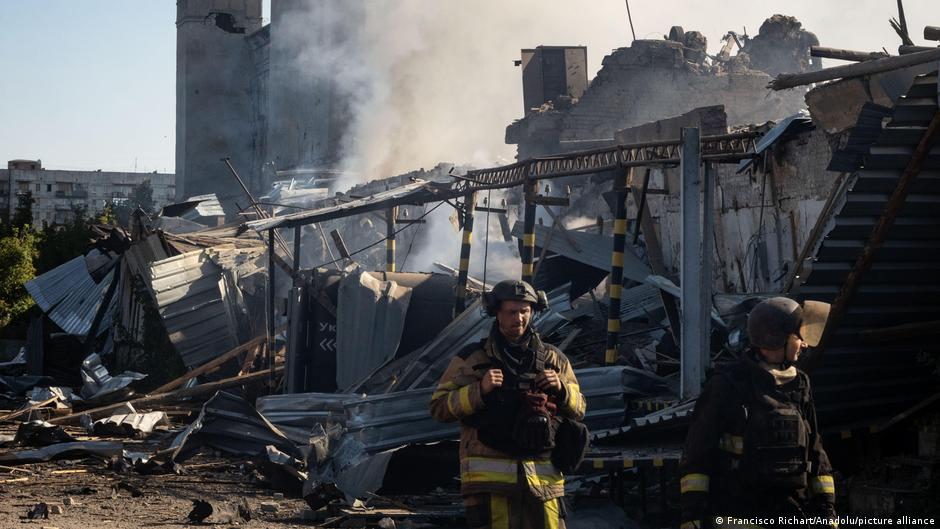
On the evening of August 13, Russian forces launched a series of airstrikes on the eastern Ukrainian city of Kramatorsk and the nearby settlement of Bilenke in the Donetsk region. Preliminary reports indicate the use of aerial bombs, resulting in one fatality and 15 injuries. The attacks caused significant damage to residential buildings, including the partial collapse of a nine-story apartment block and subsequent fires.
Impact on Households and Local Economy
Kramatorsk is a frontline city frequently targeted by Russian aerial attacks, with recent strikes causing repeated destruction to civilian infrastructure. The damage to residential areas not only threatens the safety of families but also disrupts local economic activity. Damaged homes and ongoing security concerns impede residents' ability to maintain steady employment and manage household budgets effectively.
"In Kramatorsk, bombings have led to destruction of multi-story residential buildings, exacerbating an already fragile consumer environment," noted local authorities.
For everyday citizens, this persistent instability translates into increased living costs, as rebuilding efforts require resources and inflation pressures local markets. Homeowners and renters face uncertainties about property values and insurance coverage, while displaced families incur additional expenses for temporary accommodation.
Furthermore, continuous conflict undermines local currency stability, contributing to broader economic volatility in the region. For household investors and savers, the heightened risk environment reduces confidence in long-term financial planning and exposes them to currency fluctuations and market unpredictability.
Previous attacks, including those on July 31 and earlier in July, similarly resulted in casualties and fires affecting residential buildings. Each incident adds cumulative strain on community resources, healthcare services, and emergency response systems.
As the conflict persists, the intersection of security concerns with economic and personal finance conditions highlights the urgent need for measures that protect civilian lives and stabilize the local economy. For residents and everyday investors in conflict zones like Kramatorsk, the ripple effects extend far beyond immediate safety, influencing savings, purchasing power, and financial resilience.