Yemen Offensive Raises Risks for Energy Bills, Trade Costs and Savers
Yemen’s new offensive against the Houthis could affect households through energy prices, shipping costs and market volatility tied to the Red Sea.

Yemen’s new offensive against the Houthis could affect households through energy prices, shipping costs and market volatility tied to the Red Sea.

Yemen’s mobilization call comes as Houthi advances threaten key waterways, oil exports and energy costs that can hit household budgets.

Russian attacks wounded civilians, including children, and damaged homes, offices, warehouses and cars in Kyiv, Odesa and Sumy.

Houthi gains near Bab el-Mandeb raise the risk of higher oil prices, shipping costs and market volatility for households and investors.

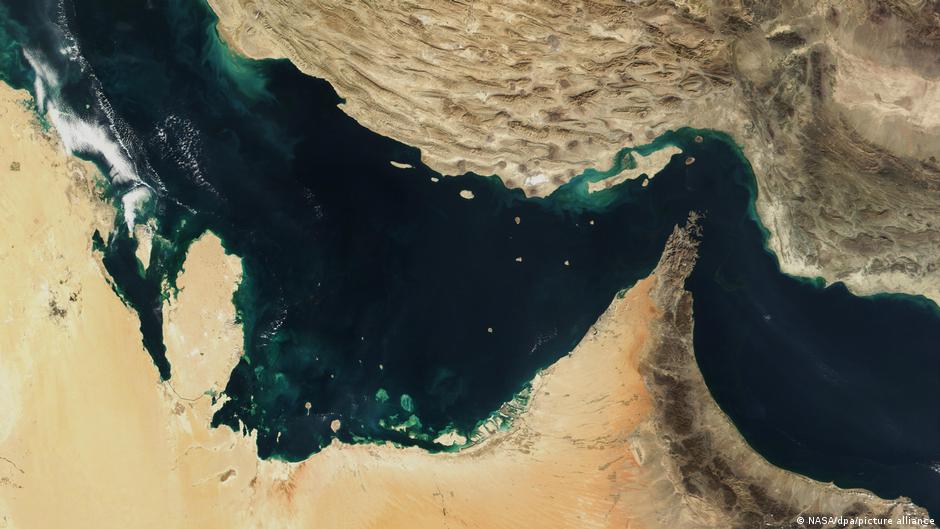
Rising tensions in the Strait of Hormuz threaten oil supply stability, potentially driving up fuel costs and affecting household budgets and investments globally.

Recent Russian airstrikes in Kramatorsk caused casualties and damaged residential buildings, raising concerns over household safety and economic stability for local consumers and investors.

Russian missile and drone strikes in Ukraine cause tragic losses and property damage, threatening household budgets, local currency stability, and everyday investors’ financial security.

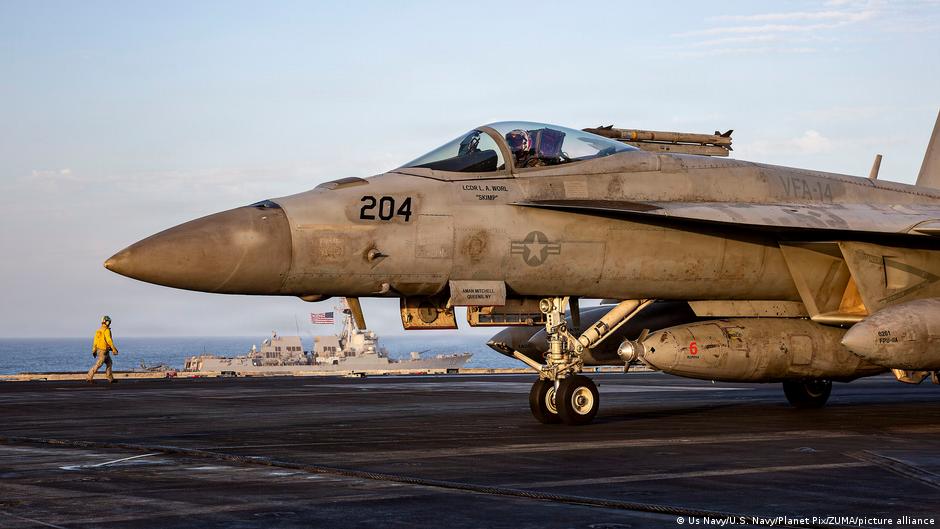
US intercepts Iranian missiles amid Middle East tensions, threatening global energy prices and impacting household budgets and savings worldwide.

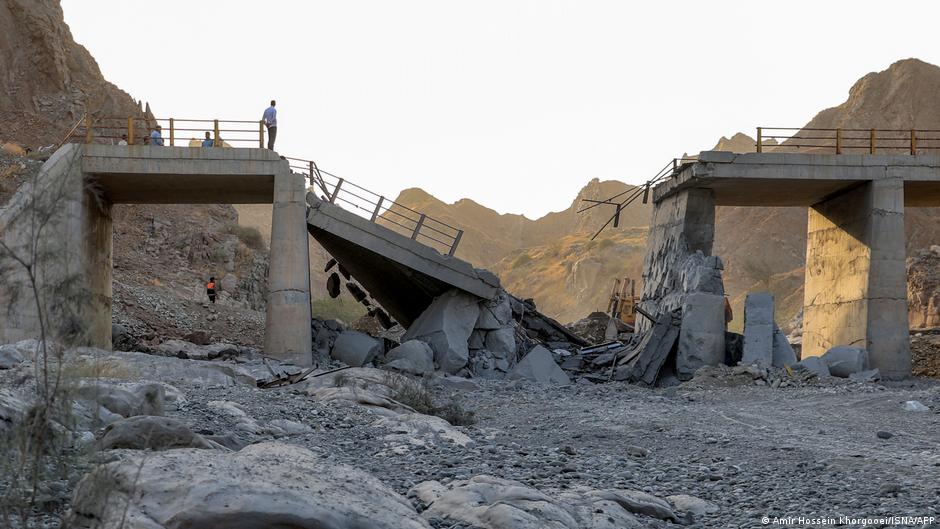
US-Iran conflict intensifies with nine nights of US strikes and Iranian retaliation, disrupting energy flows through the Strait of Hormuz and impacting global fuel prices.

US military strikes on Iran near the Strait of Hormuz risk disrupting oil supplies, driving up energy prices, and straining household budgets and investments globally.

US strikes on Iranian military targets follow drone attacks on oil tankers near the Strait of Hormuz, risking higher energy prices and economic uncertainty for consumers worldwide.

US President Trump halts planned strikes on Iran amid progress toward a regional deal, potentially stabilizing global oil prices and easing the burden on household finances.

Renewed US-Iran hostilities and the closure of the Strait of Hormuz are driving up oil prices, threatening household budgets and global consumer costs.

The Israel-Iran conflict is affecting global markets, household budgets, and investments by driving volatility in currencies and energy costs, impacting consumers worldwide.

A US-mediated ceasefire between Israel and Lebanon aims to reduce conflict-driven economic strain on households, currencies, and investors in the region.