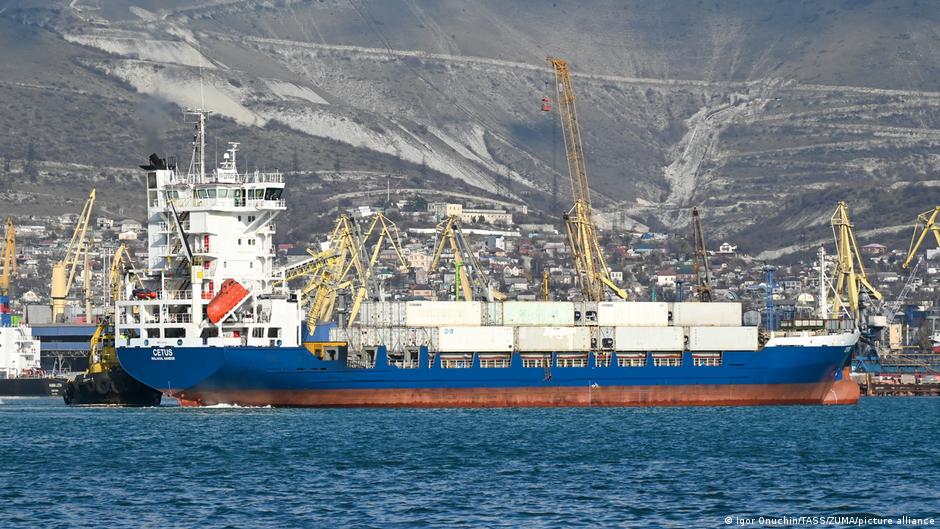
Norway Seizes Russian Research Vessel in Naftogaz Claim With Investor Focus
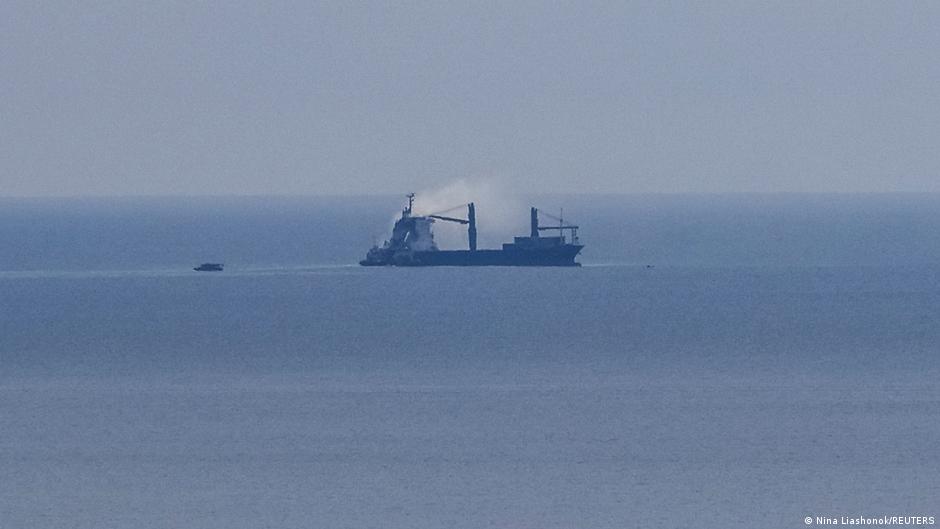
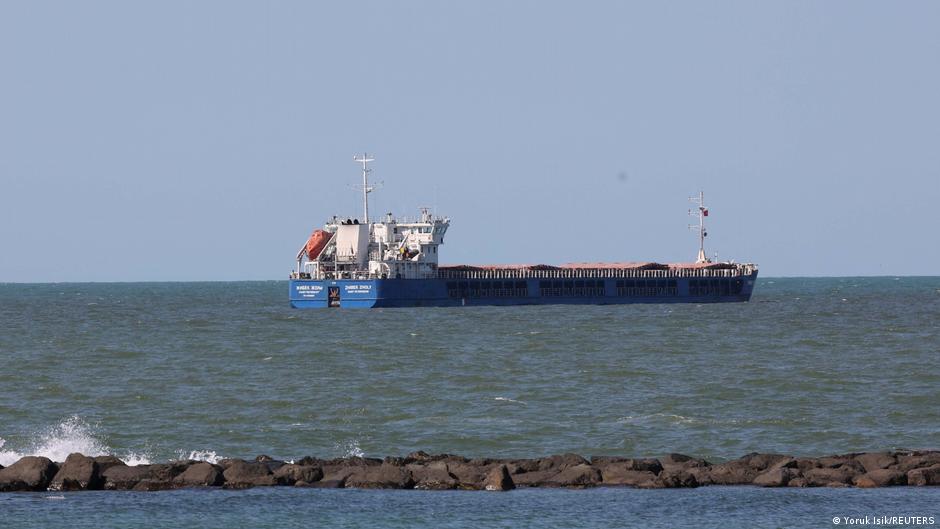
Norway’s seizure of a Russian vessel in a Naftogaz claim highlights how legal battles over assets can shape investor risk, currencies and household finances.
Norway’s seizure of a Russian vessel in a Naftogaz claim highlights how legal battles over assets can shape investor risk, currencies and household finances.

A decade of Uzbek reforms changed taxes, licensing and currency access, with knock-on effects for household budgets, jobs and small investors.

Putin says Armenia’s EU accession push would effectively mean quitting the EAEU, raising questions for trade, prices and investor confidence.

NATO responds to Iranian threats targeting European military sites, signaling potential impacts on household budgets, currency markets, and consumer prices amid rising tensions.

Protests in Kyiv demand the return of Mykhailo Fedorov as defense minister, raising concerns about political stability and reforms impacting household finances and currency stability.

The US imposes tariffs up to 100% on imported drones and parts, affecting prices for consumers, investors, and businesses amid national security concerns.

The strike on Russian warships and infrastructure in Novorossiysk disrupts regional energy and grain exports, impacting household budgets and consumer prices.

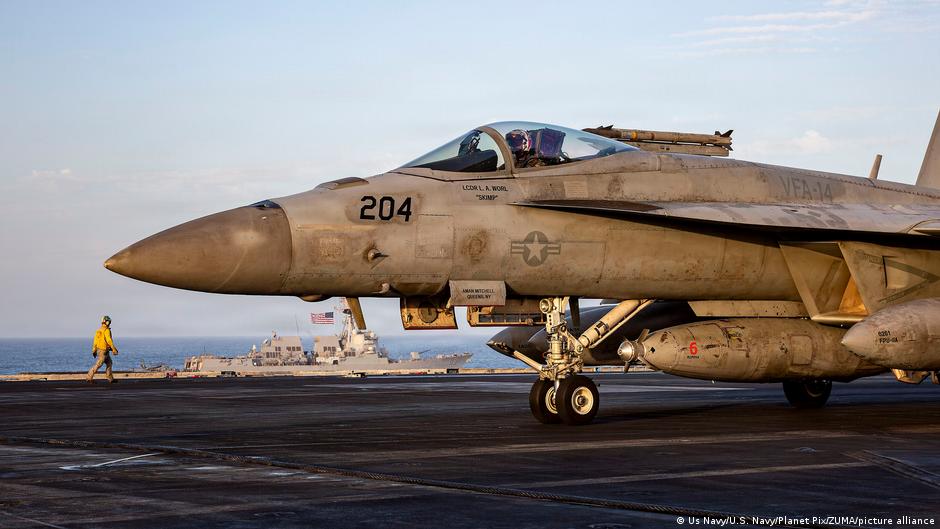
US missile strike disables Iranian-bound cargo ship amid blockade enforcement, potentially raising fuel and shipping costs and impacting consumer budgets globally.

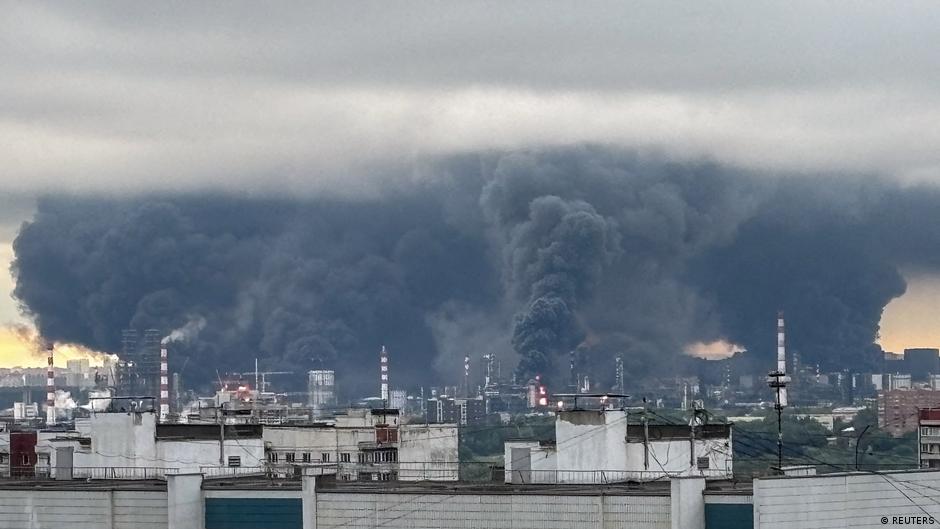
A massive fire at Wildberries’ largest warehouse in Voronezh disrupts supply chains, leading to product shortages, price rises, and strained household budgets across Russia.

US Senate sanctions targeting Russian energy exports may drive higher fuel prices and inflation, affecting household budgets and investors worldwide.

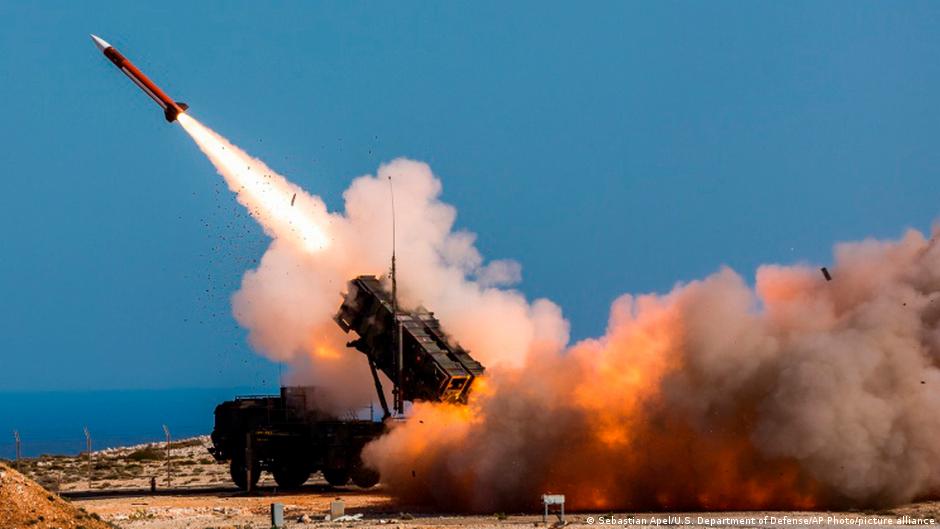
US missile supplies are strained by aid to Ukraine, prompting concerns about increased defense spending and potential impacts on household budgets and consumer finances.

Russia's redeployment of a major warship near Germany heightens risks to Baltic shipping routes, potentially affecting European energy supplies and consumer costs.

Following Ukrainian attacks, Belgorod Reservoir's water levels have dropped drastically, threatening local water supply and increasing costs for households and agriculture.

Russia’s use of North Korean ballistic missiles in Ukraine raises global concerns over economic stability, affecting household budgets, currencies, and investor confidence worldwide.

Belarus orders unproductive agricultural workers to military service, impacting household incomes and raising concerns over food production and consumer prices.

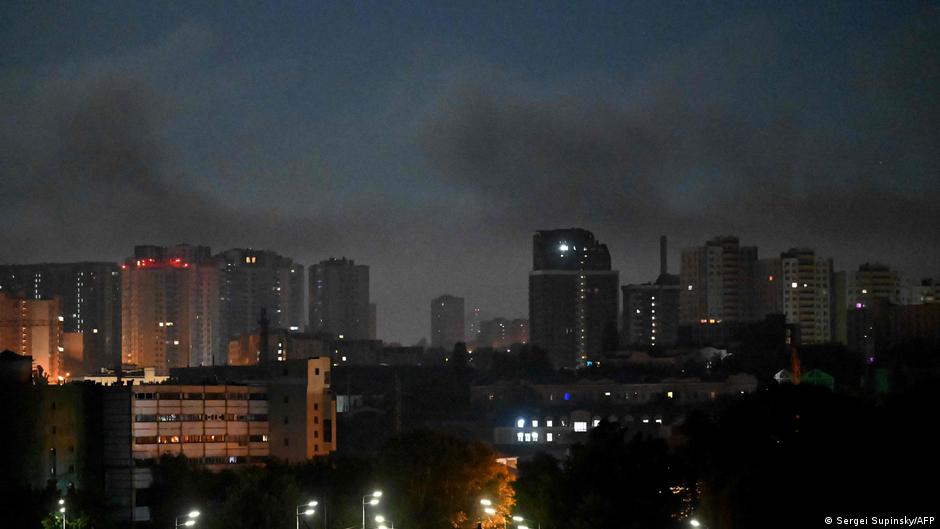
Russian missile and drone strikes in Ukraine cause tragic losses and property damage, threatening household budgets, local currency stability, and everyday investors’ financial security.

The US Senate advances sanctions bill imposing steep tariffs on Russian imports, potentially raising prices and affecting household budgets and investments.

Drone attacks on Russian cities disrupt energy and logistics infrastructure, potentially leading to higher consumer costs and financial market uncertainty.

Russian attacks on Black Sea trade routes disrupt global food supplies, risking higher consumer prices and straining household budgets worldwide.

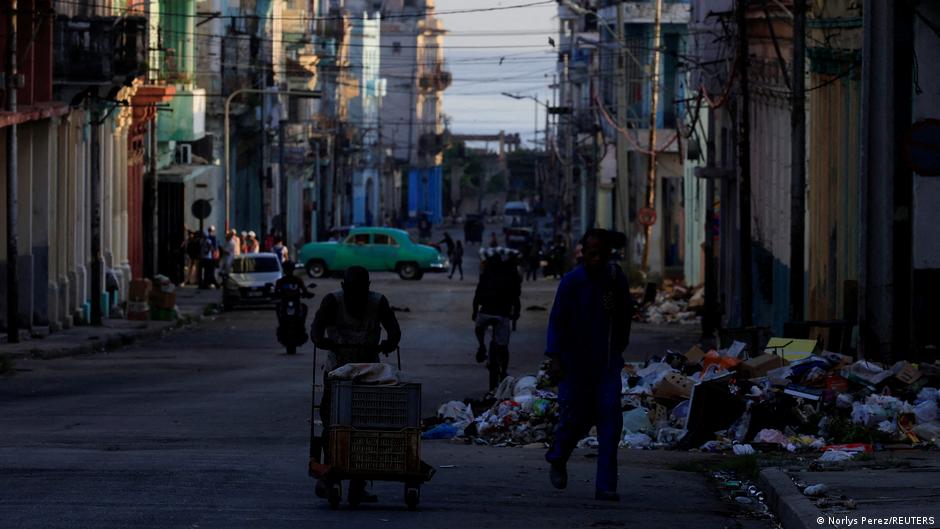
The US has sent $100 million in humanitarian aid to Cuba amid sanctions, providing direct relief to families while economic pressures and currency volatility rise.

The US has imposed 50% tariffs on Canadian imports, raising prices on goods like wine and cement, which may increase costs for American households and affect everyday investments.

Russian air strikes on Zaporizhzhia and Sumy caused civilian deaths and infrastructure damage, impacting household finances and local economies.

Drone strikes on Russian logistics hubs and residential areas threaten supply chains, risking higher consumer prices and financial market volatility that impact households and investors.

Russia's closure of the Azov-Don Canal after drone attacks disrupts grain exports, driving up wheat prices and posing risks to household budgets and commodity markets.

The Saratov refinery’s shutdown amid drone attacks worsens Russia’s fuel scarcity, impacting millions of consumers and raising fuel prices nationwide.

A temporary US-Iran ceasefire may lead to the reopening of the Strait of Hormuz, potentially lowering oil prices and easing fuel costs affecting households worldwide.

US strikes on Iranian military targets follow drone attacks on oil tankers near the Strait of Hormuz, risking higher energy prices and economic uncertainty for consumers worldwide.

Italy and France express concerns over the EU’s proposed entry ban on Russian combatants, warning of potential broader restrictions and economic impacts for households and investors.

The US has imposed new sanctions on five Cuban state firms controlling 40% of GDP, impacting trade, investments, and household economies amid escalating tensions.

Hungary's parliament limits prime minister terms to two four-year periods, impacting political stability and economic policies that affect household budgets and investor confidence.

Drone attacks on Russian chemical and oil facilities risk disrupting supply chains and raising costs for households and investors, affecting food, energy, and transportation prices.

Reports claim the UAE is unfreezing billions in Iranian oil funds to stop attacks, impacting currency stability and household finances across the region.

Renewed US-Iran hostilities and the closure of the Strait of Hormuz are driving up oil prices, threatening household budgets and global consumer costs.

Armenia’s parliamentary elections favor PM Pashinyan’s party, signaling potential economic shifts that may affect household expenses, savings, and currency stability amid geopolitical tensions.

A Russian drone crash in Romania caused injuries and fire, highlighting rising regional tensions that affect household budgets, currencies, and investor confidence in Eastern Europe.

Hungary reinstates its ban on Ukrainian agricultural imports, impacting local food prices, household budgets, and regional trade dynamics amid EU tariff changes.

The EU-Mexico trade deal removes tariffs and trade barriers, potentially lowering consumer prices and opening new investment opportunities for households and everyday investors.

The US Senate advances a resolution to restrict military actions against Iran, with significant impacts on household budgets, currency markets, and consumer investments.

Russian attacks on Ukrainian energy and port infrastructure threaten household budgets by disrupting supplies and increasing costs for consumers.

Trump's Beijing meeting with Xi Jinping signals potential easing of trade tensions and energy conflicts, with important effects on consumer prices and currency stability.

Putin names former German Chancellor Schröder as preferred EU negotiator in Ukraine talks, potentially impacting energy prices, currencies, and household budgets across Europe.

The potential redeployment of 5,000 US troops from Germany to Poland could influence local economies, household finances, currencies, and investment dynamics in Europe.

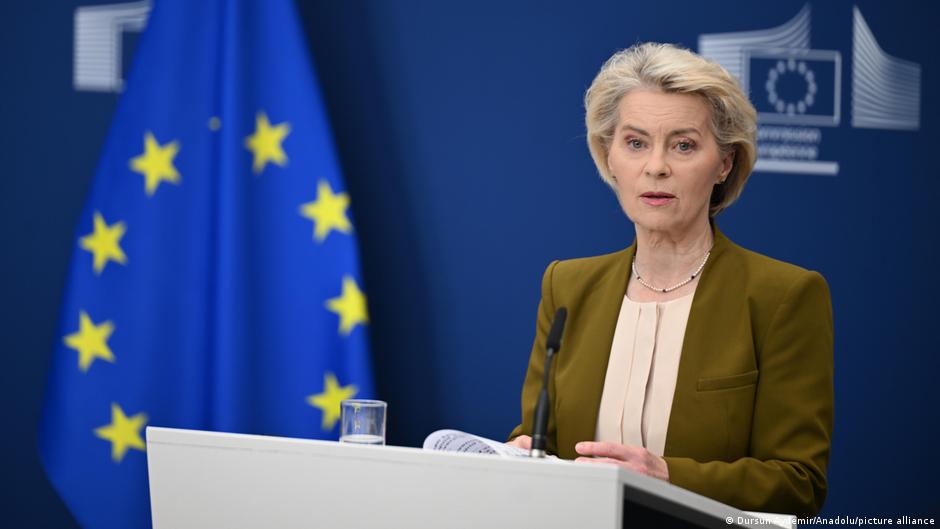
EU leaders prepare for potential talks with Russia, a move that could ease inflation and currency volatility affecting European households and investors.

Iran's new vessel declaration rules for the Strait of Hormuz may increase shipping costs, impacting global fuel prices and household budgets worldwide.

US plans to raise auto tariffs on EU imports threaten Germany’s economy, potentially triggering a 2026 recession with significant impacts on household budgets and consumer prices.

The EU-Mercosur free trade agreement starts provisionally, promising cheaper goods but raising concerns over environmental standards and agricultural impacts affecting households and investors.

Italy and Germany express concern as Israel halts Gaza aid flotilla, highlighting potential impacts on household budgets, currency markets, and consumer costs worldwide.

Uzbekistan’s suspension of gold exports for over six months has caused a near 30% drop in exports, impacting currency stability, consumer prices, and household savings.

Israel's naval blockade halts humanitarian aid to Gaza, deepening economic pressures on household budgets, currency stability, and consumer markets in the region.

The US Treasury will not extend exemptions allowing purchases of Russian and Iranian oil at sea, potentially raising energy prices and affecting household budgets globally.