Belarus Orders Unproductive Agricultural Workers to Military Service Amid Harvest Challenges
President Lukashenko mandates sending underperforming farmworkers to army duties to address labor discipline during harvest season.
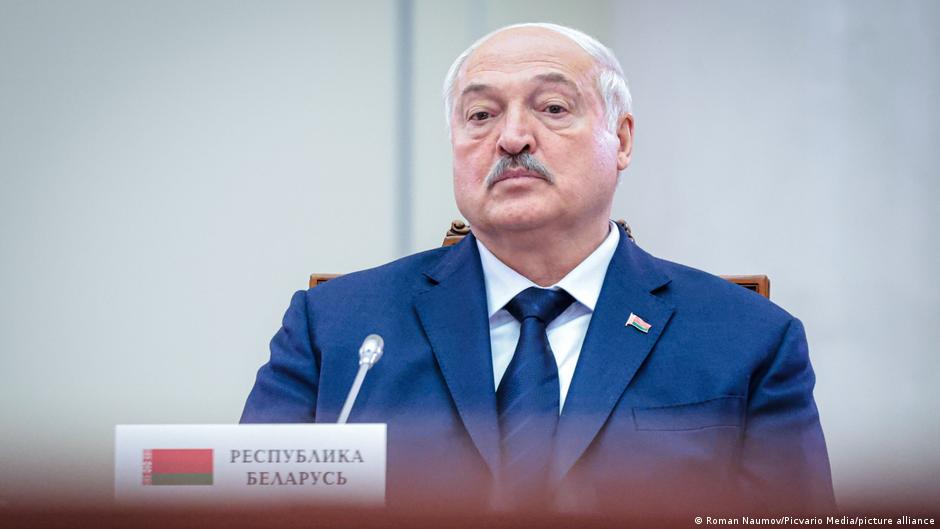
Belarusian President Alexander Lukashenko has announced a controversial measure directing underperforming agricultural workers to serve in the military during the critical harvest period. The move aims to enforce labor discipline and ensure efficient crop collection amid ongoing economic pressures.
Impact on Household Labor and Budgets
On July 21, Lukashenko ordered that all agricultural workers failing to meet work standards be sent to serve in "military-educational tasks," a directive further clarified as a form of military service lasting two to three months. The president emphasized that this is not intended as intimidation or punishment but as an opportunity for these workers to engage in "normal men's and women's work" within the army.
The head of Lukashenko's administration, Dmitry Krutoy, described the new regime as the toughest mobilization effort Belarus has seen for harvest management. Krutoy stated that unproductive workers—including those accused of laziness, drunkenness, or absenteeism—would be consigned to "spartan" military service conditions, designed to improve their physical fitness and instill discipline.
"If you do not want to work on this job, we will test you on another—real men's and women's work—in the army," Lukashenko said during a visit to the Brest region.
For Belarusian households, this initiative poses several economic and social challenges. For families dependent on agricultural wages, the removal of workers during harvests could reduce available household income, disrupting budgets and increasing financial uncertainty. Savings may be strained as families adjust to the loss of labor and possible delays or reductions in crop yields.
Furthermore, this policy may lead to a workforce shortage in agriculture, potentially hampering production and affecting food supply chains. This could drive up food prices domestically, directly impacting consumer spending and household financial planning.
From a currency and investment perspective, the increased militarization of labor and tight control over agricultural productivity reflect broader economic strains that may affect Belarusian currency stability. Everyday investors and savers may face heightened risks due to uncertainty in agricultural output—a key sector in Belarus' economy—and government interventionist policies.
While the government frames this as a necessary disciplinary measure to boost productivity and national resilience, the long-term effects on household finances, labor markets, and consumer prices remain uncertain. The policy highlights the difficult balance Belarus faces in managing economic stability amid internal and external pressures.