US Military Strikes Iranian-Bound Cargo Ship, Impacting Global Shipping Costs and Supply Chains
US missile attack disables steering on cargo vessel attempting to breach Iran blockade, raising concerns over shipping delays and consumer prices.
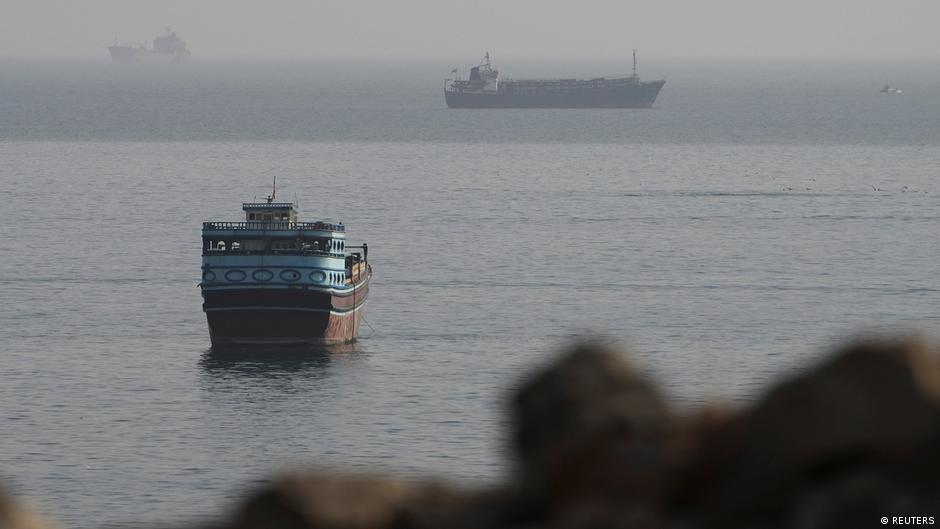
The recent US military strike on the Panama-flagged cargo ship Vela Nova, which was attempting to breach the US blockade of Iranian ports, signals escalating tensions that could disrupt global shipping routes and affect household finances worldwide.
Implications for Global Trade and Consumer Budgets
On August 11, US Central Command reported that American forces launched Hellfire missiles from a Navy MH-60 helicopter at the Vela Nova after repeated warnings to the civilian crew to halt their course were ignored. The attack targeted the ship's steering mechanism, effectively disabling its navigation capabilities. This action is part of ongoing US efforts to control maritime traffic through the strategic Strait of Hormuz and the adjacent Gulf of Oman.
According to US authorities, as of mid-August, 55 commercial ships have been redirected, three vessels disabled, and two boarded to prevent violations of the blockade. The Vela Nova was last tracked on August 6 in the Indian port of Nava Sheva before attempting to reach an unspecified Iranian port.
President Donald Trump asserted US dominance over the Strait of Hormuz, a vital chokepoint through which approximately 20% of the world's oil shipments pass. He stated that the US fully controls the strait and warned Iran of severe consequences should it take hostile actions.
"We fully control the Strait of Hormuz," Trump said. "If the Iranians do anything, they will be hit very hard."
In response, Iran has outlined new conditions for reopening the strait to shipping, including demands for war reparations and the lifting of sanctions against Tehran.
For consumers and everyday investors, these developments could translate into increased volatility in fuel prices and shipping costs. The Strait of Hormuz is a critical artery for global oil and goods transportation; interruptions can lead to supply chain delays, higher import costs, and inflationary pressure on consumer goods.
Household budgets may feel the strain through rising fuel prices at the pump, increased costs of imported products, and potential disruptions in availability of goods. Investors in energy stocks and shipping companies should also monitor these geopolitical risks closely, as heightened tensions often trigger market fluctuations.
While the US blockade aims to exert maximum pressure on Iran, the collateral impact on global trade highlights the interconnectedness of geopolitical events and everyday economic realities faced by consumers worldwide.