Western Embassy Evacuation Plans Add New Pressure to Ukraine Risk Outlook
Western plans to relocate embassies from Kyiv highlight rising winter risks for households, currencies, energy costs and investors.

Western plans to relocate embassies from Kyiv highlight rising winter risks for households, currencies, energy costs and investors.

The EU refused to advance part of a €90 billion Ukraine loan, keeping pressure on 2027 funding plans and European budgets.

The EU’s new €710 million aid package targets crises abroad, with indirect implications for public budgets, currencies and household finances.

Russian drone attacks killed at least three civilians in Zaporizhzhia and hit Odesa infrastructure, adding pressure on household finances.
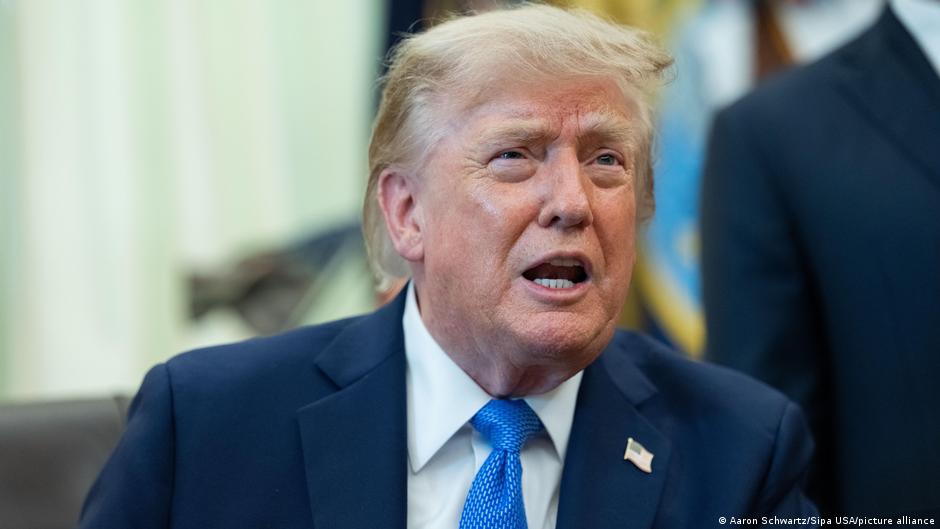
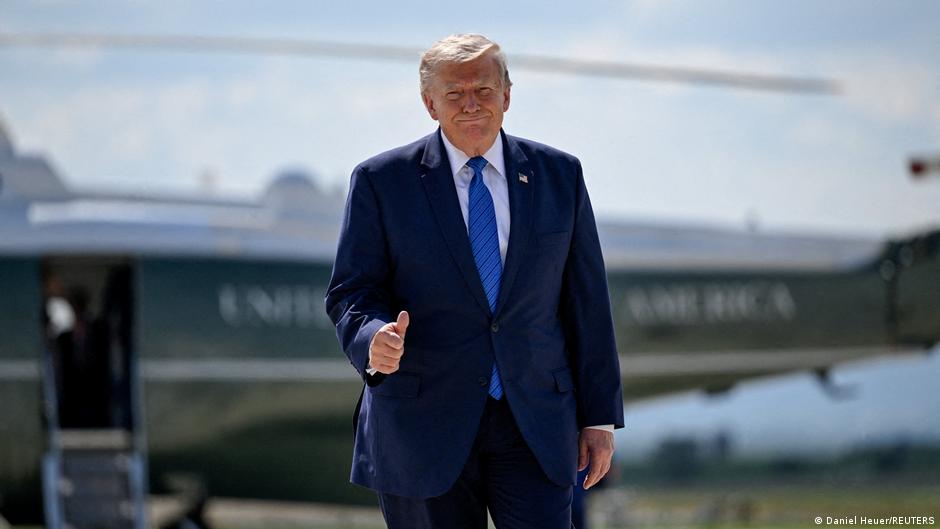
Macron and Trump discussed protecting Ukraine’s energy and civilian infrastructure, a move with implications for household costs and markets.

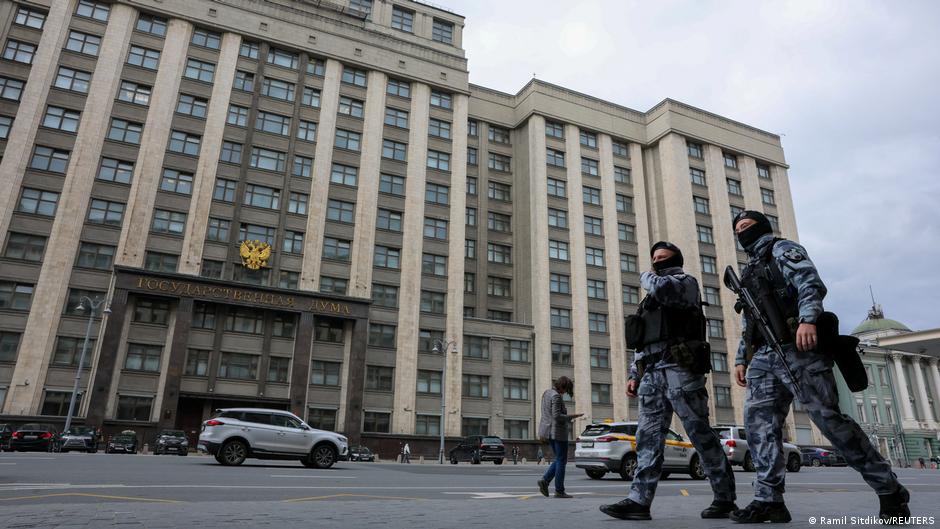
Russia’s three-day Duma vote opens amid war, occupied-territory voting and transparency concerns with implications for household finances.

Ukraine’s parliament will review unpopular budget bills tied to billions in Western aid, with consequences for defense pay, families and savings.

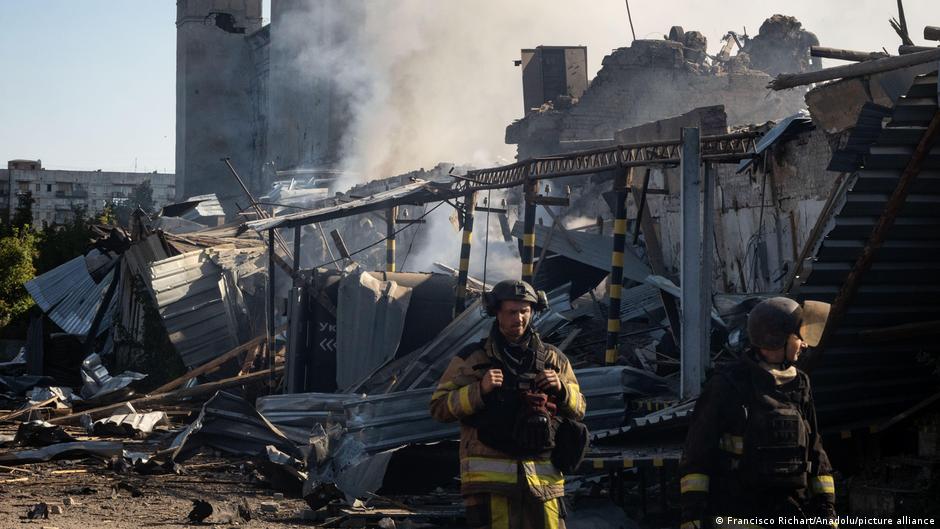
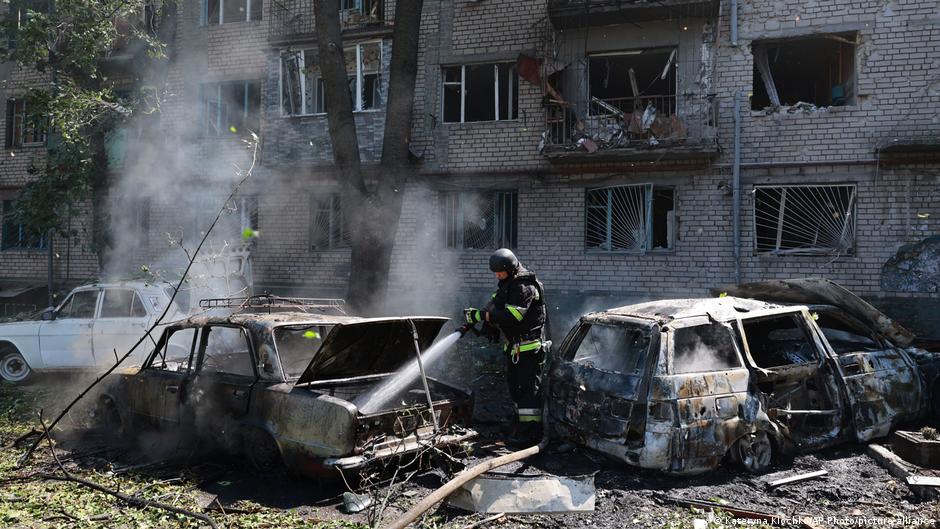
Russian attacks damaged homes, warehouses, a Nova Poshta branch and power infrastructure, adding pressure to Ukrainian household budgets.

Uzbekistan’s government auctions its full stake in the Fonon Jewelry Factory’s parent company, which carries substantial debt and uncertain financial prospects for consumers and investors.

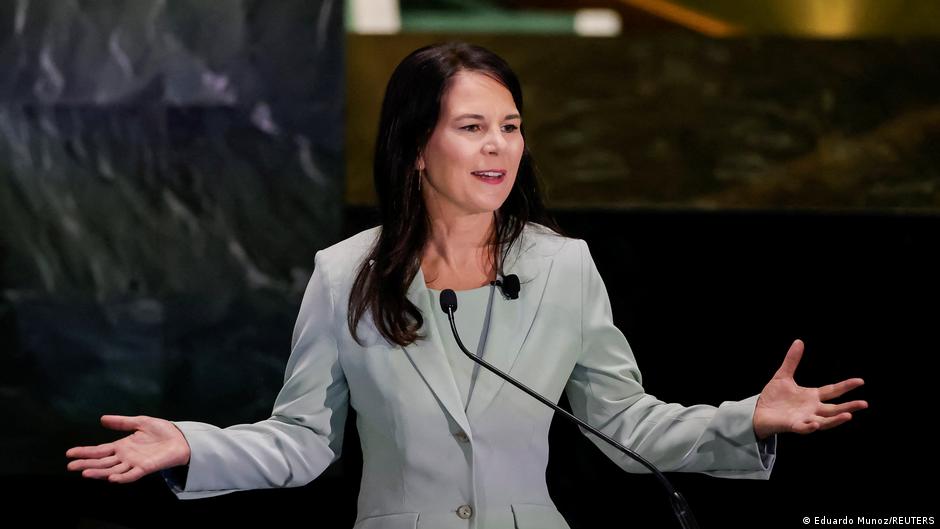
After leading Germany's foreign policy and chairing the UN General Assembly, Annalena Baerbock will join Columbia University as co-director of a public administration program focused on global leadership.

The detention of Russian blogger Ilya Remeslo amid political repression raises concerns about economic instability and impacts on household finances, savings, and currency confidence.

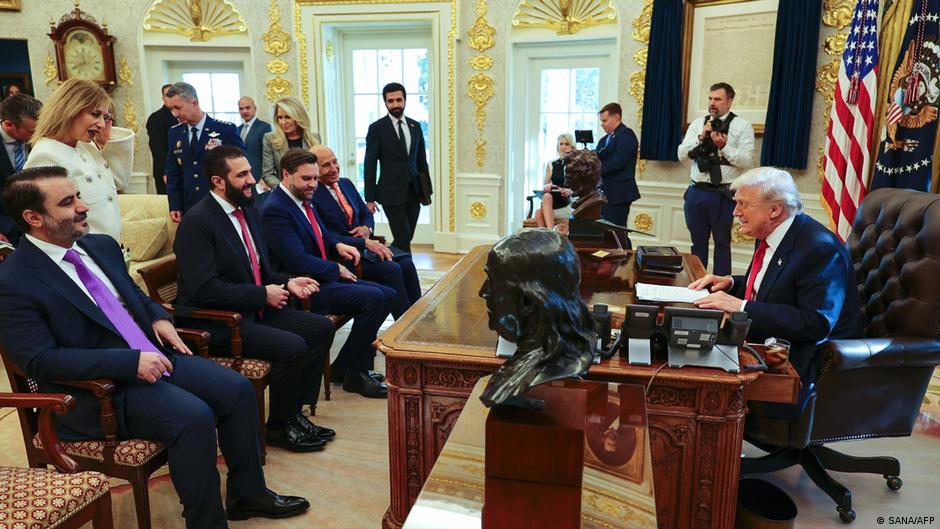
The U.S. has removed Syria from its terrorism sponsor list, opening new economic opportunities with potential impacts on currencies, investments, and household finances worldwide.

Drone attacks on Ozon warehouses in Krasnodar and Stavropol disrupt operations, cause casualties, and threaten supply chains, impacting consumer access and costs.

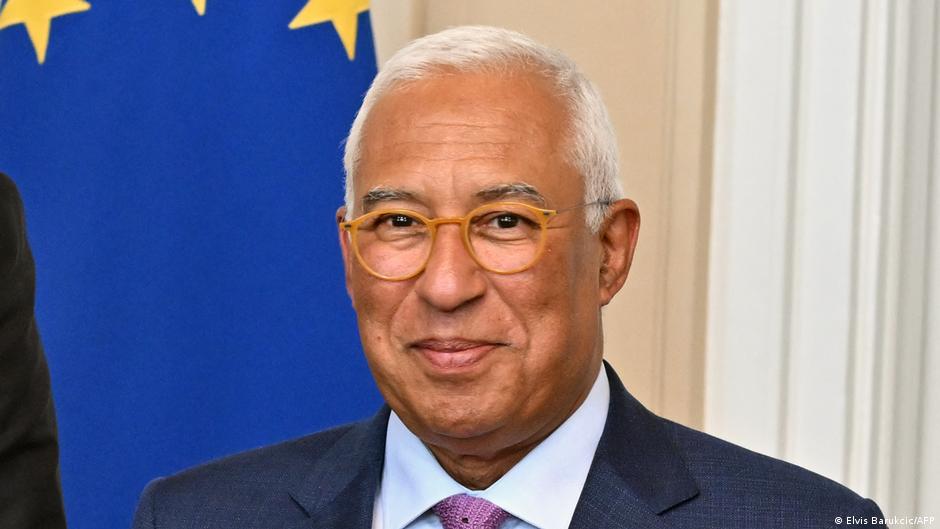
The EU pledges ongoing support to Ukraine amid conflict, maintaining sanctions on Russia that affect European household budgets, currency markets, and investors.

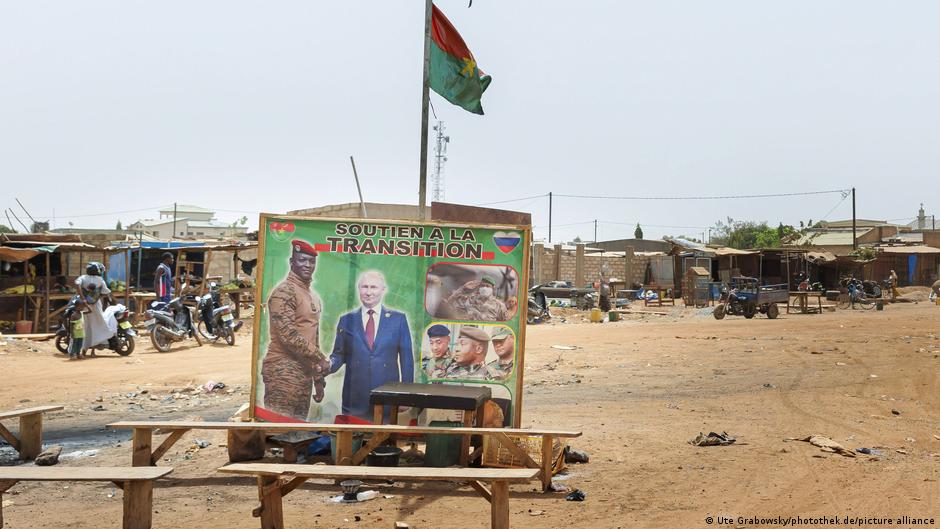
Russia's shadow air fleet in Africa bypasses sanctions, fueling geopolitical tensions that may impact household budgets, inflation, and investor risks globally.

Russian authorities detained about 100 people at a music festival near Vyborg for political songs and regime change calls, reflecting wider impacts on household budgets and market confidence.

The US Supreme Court permits President Trump to continue White House renovations, including a ballroom and bunker, with potential impacts on government spending and household finances.

Hundreds of Ukrainian soldiers have deserted military training in Germany since 2022, creating financial uncertainty for families dependent on remittances and affecting currency stability.

Kyiv missile attacks cause fatalities and damage residential and medical buildings, impacting household budgets and raising concerns for everyday financial security.

Russian drone strikes in Zaporizhzhia caused civilian casualties and damaged homes, intensifying financial and economic pressures on local households and investors.

Rising tensions in the Strait of Hormuz threaten oil supply stability, potentially driving up fuel costs and affecting household budgets and investments globally.

Protests in Kyiv demand the return of Mykhailo Fedorov as defense minister, raising concerns about political stability and reforms impacting household finances and currency stability.

The US scales back joint military drills with South Korea, affecting defense budgets and potentially impacting household finances and currency stability in the region.

Jared Kushner's talks with Hamas highlight persistent Middle East tensions that could impact currencies, inflation, and household finances worldwide.

Geopolitical tensions between Qatar and Iran threaten currency stability and consumer costs, impacting household budgets and everyday investors in the Gulf region.

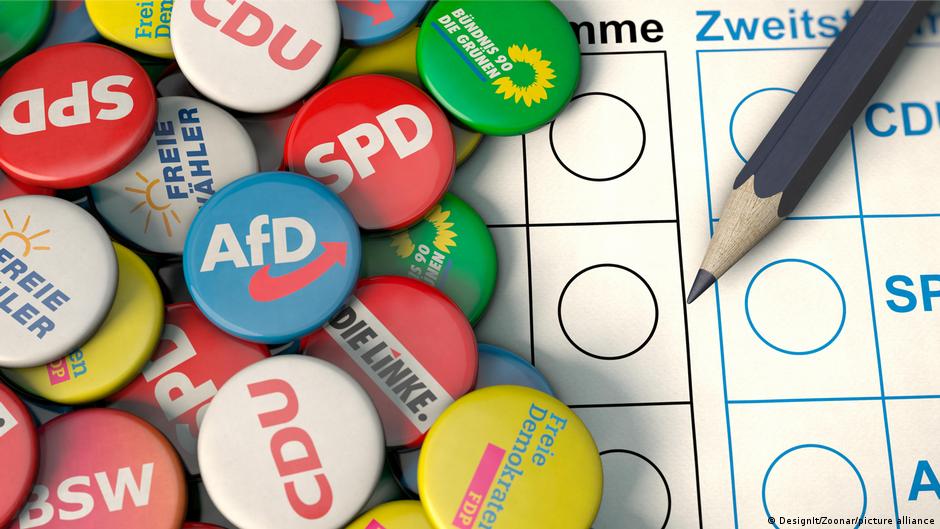
Support for Germany’s CDU/CSU falls to a five-year low, raising concerns about economic stability and consumer confidence ahead of regional elections.

Ukraine sanctions 13 ships and 28 companies over illegal grain exports from Russian-occupied territories, aiming to protect agricultural revenues and stabilize commodity markets.

Venezuela freed 131 political prisoners amid national reconciliation talks, a move that could influence currency stability and household finances in the long term.

Recent Russian airstrikes in Kramatorsk caused casualties and damaged residential buildings, raising concerns over household safety and economic stability for local consumers and investors.

War crimes allegations amidst the Ukraine conflict intensify economic uncertainty, impacting household budgets, currency stability, and everyday investors' confidence.

Germany faces rising drone incidents near military bases, prompting increased defense spending that could impact household budgets and economic stability.

Russian missile and aerial bomb attacks on Zaporizhzhia have caused casualties and damaged infrastructure, affecting household budgets, local economies, and financial stability.

A 7.4 magnitude earthquake in Colombia has caused major destruction to homes and infrastructure, impacting household finances and prompting emergency aid.

A massive fire at Wildberries’ largest warehouse in Voronezh disrupts supply chains, leading to product shortages, price rises, and strained household budgets across Russia.

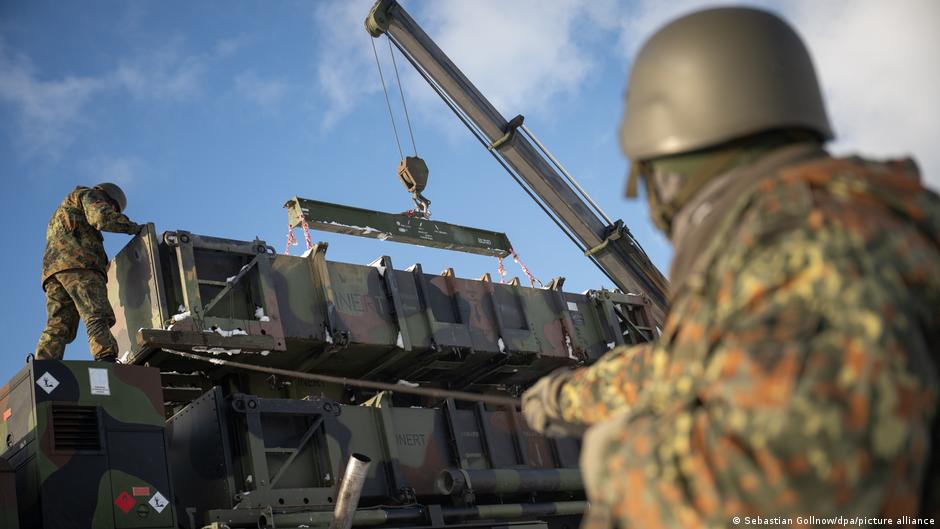
Concerns over Ukraine’s potential to produce Patriot missiles raise questions about defense spending, supply chains, currency impacts, and investor risks affecting households globally.

Germany faces growing hybrid warfare threats, including drone attacks, impacting national security and posing risks to household budgets, savings, and investor confidence.

Ukrainian and Serbian presidents meet in Belgrade, focusing on economic and energy cooperation that may influence household budgets and consumer costs in both countries.

Russia has declared the US Human Rights Foundation 'undesirable,' limiting independent information that supports household financial planning and investment decisions.

US missile supplies are strained by aid to Ukraine, prompting concerns about increased defense spending and potential impacts on household budgets and consumer finances.

The August 1 explosion in a Moscow restaurant highlights severe personal and financial consequences for victims’ families, affecting household budgets and investor confidence.

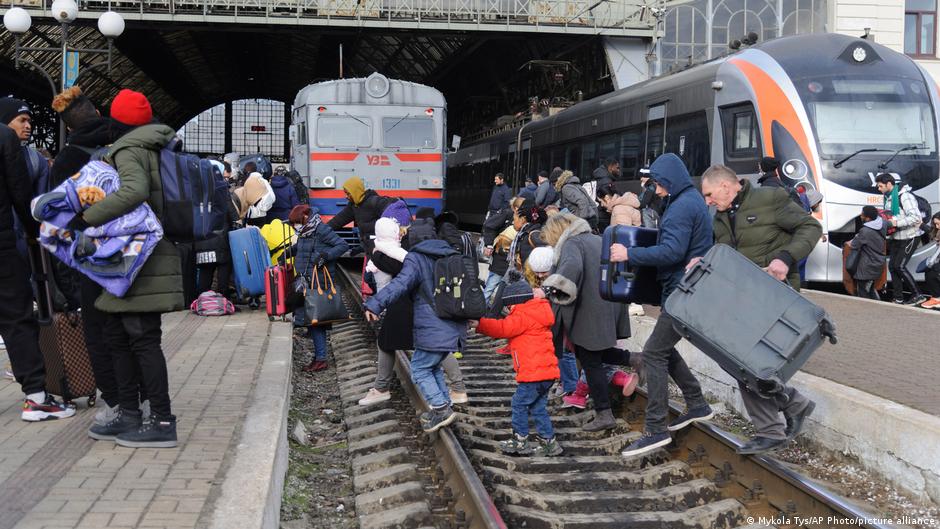
Over 8.4 million Ukrainians live abroad due to ongoing conflict, impacting household finances, savings, currency stability, and investment prospects within Ukraine.

Ukraine’s unlikely NATO membership shifts security alliances, impacting household budgets, currency stability, and the economic outlook for everyday investors.

Russia's redeployment of a major warship near Germany heightens risks to Baltic shipping routes, potentially affecting European energy supplies and consumer costs.

US-Iran talks resume August 3 as military strikes are postponed, affecting oil prices, currencies, and household budgets globally amid ongoing geopolitical tension.

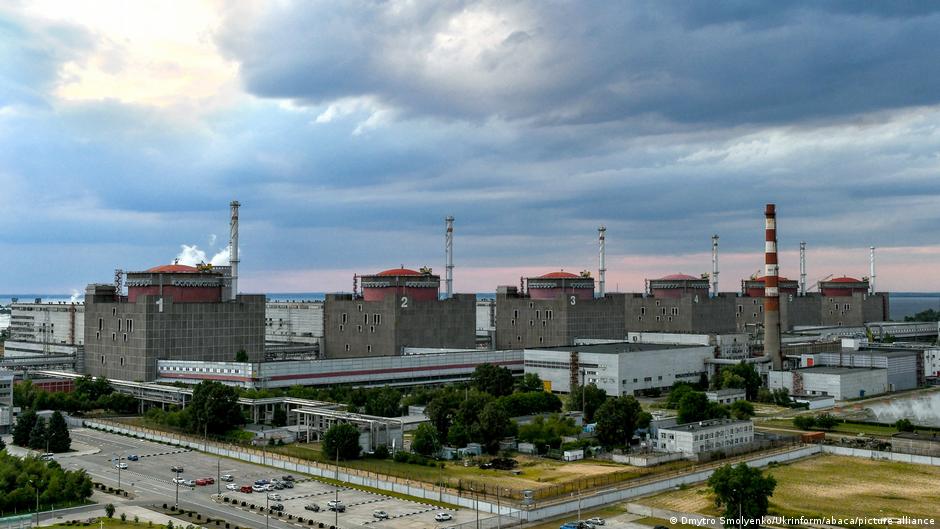
The Zaporizhzhia Nuclear Plant’s repeated power outages threaten regional energy stability, pushing up costs and straining household budgets amid ongoing conflict.

Venezuela’s government and opposition plan talks focusing on earthquake aid and elections, potentially affecting currency stability, household budgets, and investor confidence.

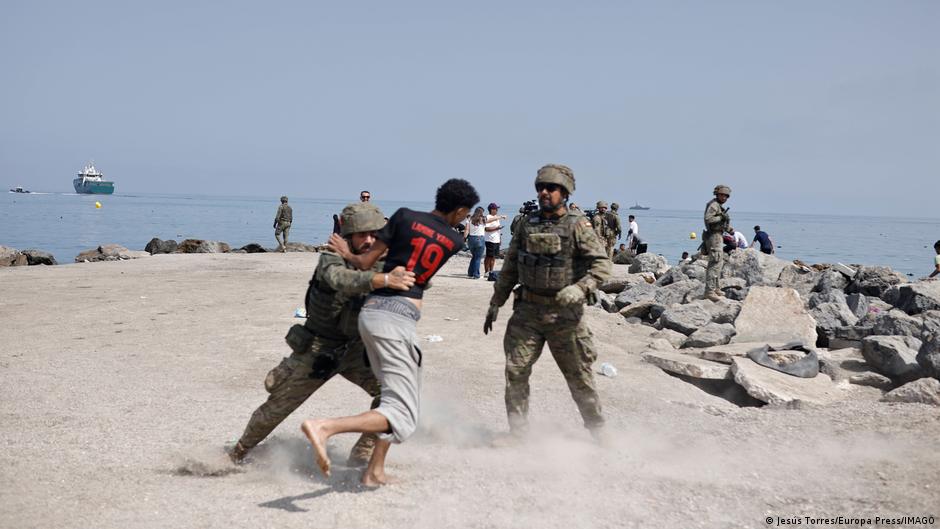
The surge of 60,000 migrants into Spain’s Ceuta enclave disrupts local economies, challenges household budgets, and raises currency and investment concerns across Europe.

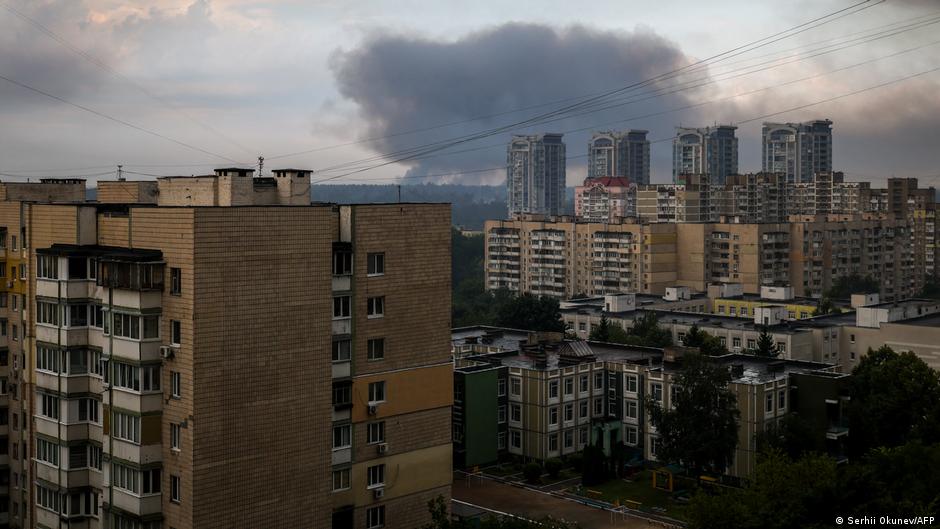
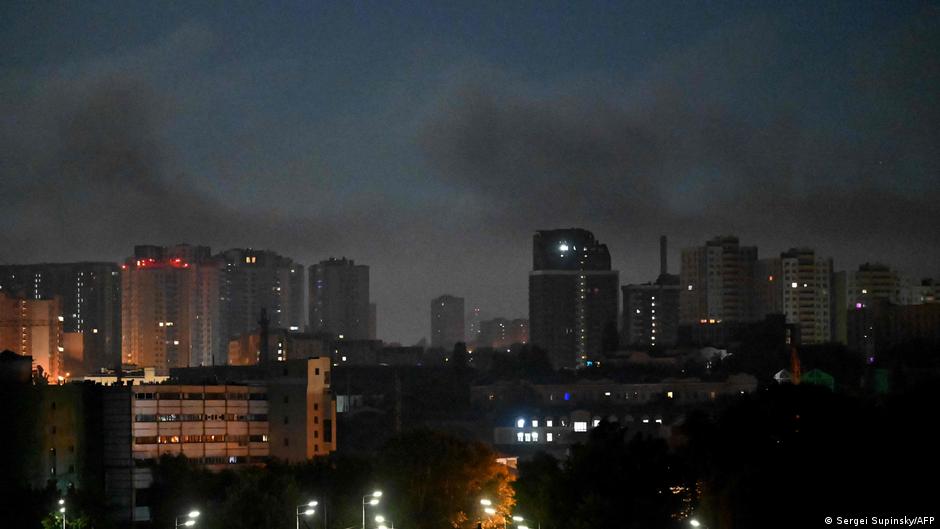
Russian missile strikes on Kyiv cause fatalities and damage, impacting household budgets and local economies amid ongoing conflict.

NATO's plans to expand nuclear deterrence in Europe could influence household budgets and market stability amid rising geopolitical tensions.

Russia’s use of North Korean ballistic missiles in Ukraine raises global concerns over economic stability, affecting household budgets, currencies, and investor confidence worldwide.