Drone Attacks in Russian Regions Intensify Economic Strain on Households and Local Budgets

Drone strikes in Russian border regions cause civilian casualties and property damage, adding financial strain to households and local economies.

Drone strikes in Russian border regions cause civilian casualties and property damage, adding financial strain to households and local economies.

Drone attacks on Russian cities disrupt energy and logistics infrastructure, potentially leading to higher consumer costs and financial market uncertainty.

US lifts sanctions on Belarus-linked Bel-Kap-Steel amid prisoner releases, potentially easing economic pressure on households and stabilizing currency and investments.

Russian attacks on Black Sea trade routes disrupt global food supplies, risking higher consumer prices and straining household budgets worldwide.

Eleven nights of US strikes on Iran disrupt key oil routes, pushing energy costs higher and affecting household budgets and investor confidence globally.

US military deaths in the Iran conflict rise, increasing geopolitical risks that affect household budgets, currency markets, and investment decisions.

Hungary’s veto on Ukraine’s EU accession negotiation clusters delays integration, risking currency volatility, inflation, and uncertainty for households and investors.

US strikes on Iran's infrastructure heighten risks of oil supply disruptions, driving up energy costs and impacting household budgets and investors worldwide.

US threats against the International Criminal Court spark concerns about global legal stability and economic impacts on currency markets, household budgets, and investors.

US military strikes on Iran near the Strait of Hormuz risk disrupting oil supplies, driving up energy prices, and straining household budgets and investments globally.

US strikes on Iran and renewed sanctions risk disrupting global oil supplies, pushing energy costs higher and impacting household budgets and investors worldwide.

Russia cut drone strikes on Ukraine by 29% in June, causing fuel shortages in Russia and potential price impacts for consumers and investors.

The US extended a temporary license allowing Serbia's NIS oil company to operate under sanctions, delaying Gazprom's divestment and easing potential fuel supply disruptions.

Ukraine’s new National Pantheon and Order of Europe initiatives highlight tensions with Poland that could affect household budgets, currency stability, and investor confidence.

A temporary US-Iran ceasefire may lead to the reopening of the Strait of Hormuz, potentially lowering oil prices and easing fuel costs affecting households worldwide.

US strikes on Iranian military targets follow drone attacks on oil tankers near the Strait of Hormuz, risking higher energy prices and economic uncertainty for consumers worldwide.

U.S.-Iran military clashes after a drone strike on a cargo ship in the Strait of Hormuz drive up global oil prices, impacting household budgets and everyday investors.

Finland's removal of the nuclear weapons ban may impact national security and economic stability, influencing household budgets, savings, and currency markets.

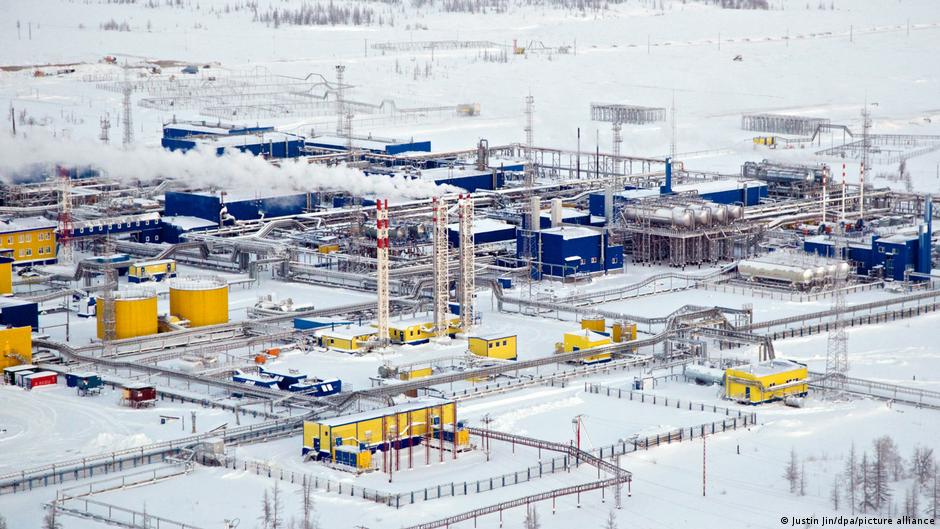
A drone attack caused a fire at a key oil depot near Krasnodar, disrupting regional fuel supplies and raising energy costs for households in Southern Russia.

The US may charge fees for passage through the Strait of Hormuz if Iran deal fails, risking higher oil prices and impacting household budgets and currency markets worldwide.

Italy’s Foreign Minister cancels US visit after President Trump's remarks about PM Meloni, potentially disrupting business ties and impacting households and investors.

US intelligence warns Israel may disrupt the US-Iran agreement, with implications for regional stability, household budgets, currencies, and investors.

The delay in US-Iran nuclear talks increases market volatility, impacting household budgets, savings, and investor confidence worldwide.

The US has ended its blockade of the Strait of Hormuz, allowing increased oil shipments that could stabilize fuel prices and ease household budget pressures worldwide.

The reopening of the Strait of Hormuz after a US-Iran peace deal could stabilize oil prices, easing fuel costs and benefiting household budgets globally.

European leaders welcome the US-Iran peace deal as a move to stabilize energy markets, potentially easing household energy costs and inflation worldwide.

Drone strikes in Russia and Ukraine cause civilian casualties and damage to businesses, impacting household budgets, consumer confidence, and local economies amid escalating conflict.

The U.S. plans to reduce its NATO fighter jets and naval presence in Europe, affecting defense budgets, currency stability, and investor outlooks across allied nations.

US President Trump halts planned strikes on Iran amid progress toward a regional deal, potentially stabilizing global oil prices and easing the burden on household finances.

Renewed US-Iran hostilities and the closure of the Strait of Hormuz are driving up oil prices, threatening household budgets and global consumer costs.

Twenty-two countries accuse Iran of orchestrating attacks abroad, raising geopolitical risks that could affect currencies, household budgets, and investor confidence.

US strikes on Iran near the Strait of Hormuz raise the risk of higher oil prices, impacting household budgets, savings, and currency stability worldwide.

President Zelensky's positive talks with US envoys highlight ongoing efforts to end the Ukraine war, affecting household budgets and financial markets worldwide.

US Treasury extends deadline for Hungarian MOL to finalize deal acquiring majority stake in Serbia’s Naftna Industrija Srbije amid sanctions on Gazprom.

Georgia arrests Russian woman on FBI request for sanctions evasion, highlighting risks to international trade, currency stability, and household finances.

US-Iran drone strikes near the Strait of Hormuz threaten energy supply routes, potentially driving up global oil prices and impacting household budgets worldwide.

The US House approved sanctions on Russia and aid to Ukraine, with potential impacts on household budgets, currencies, and investment markets worldwide.

The US House limits Trump's Iran war powers, signaling shifts that could ease energy price pressures and affect currency markets, impacting household budgets and investors.

A US-mediated ceasefire between Israel and Lebanon aims to reduce conflict-driven economic strain on households, currencies, and investors in the region.

Finland has confiscated €3.7 million in Russian assets following a legal claim by Ukraine's Naftogaz, highlighting geopolitical risks impacting currencies and investors.

The UN faces a financial crisis as major donors like the US and China delay payments, forcing cuts to vital programs and raising concerns for global aid and economic stability.

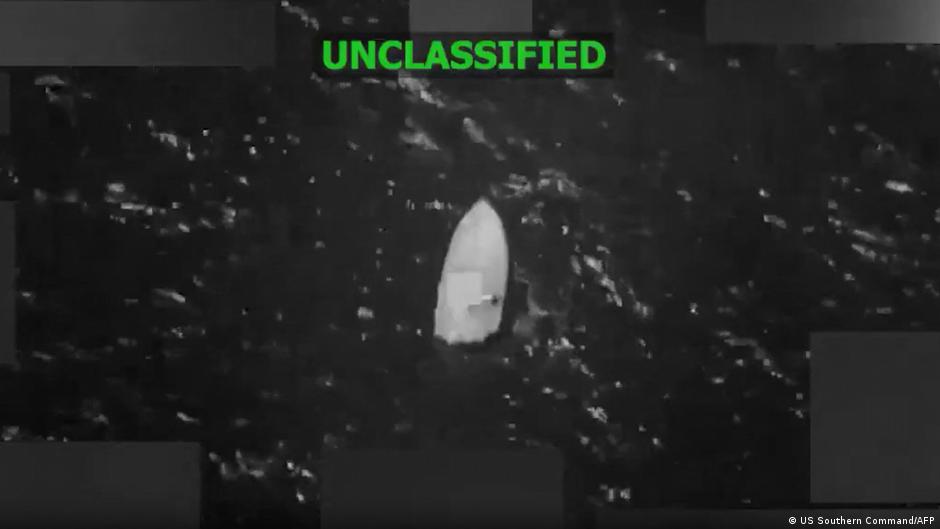
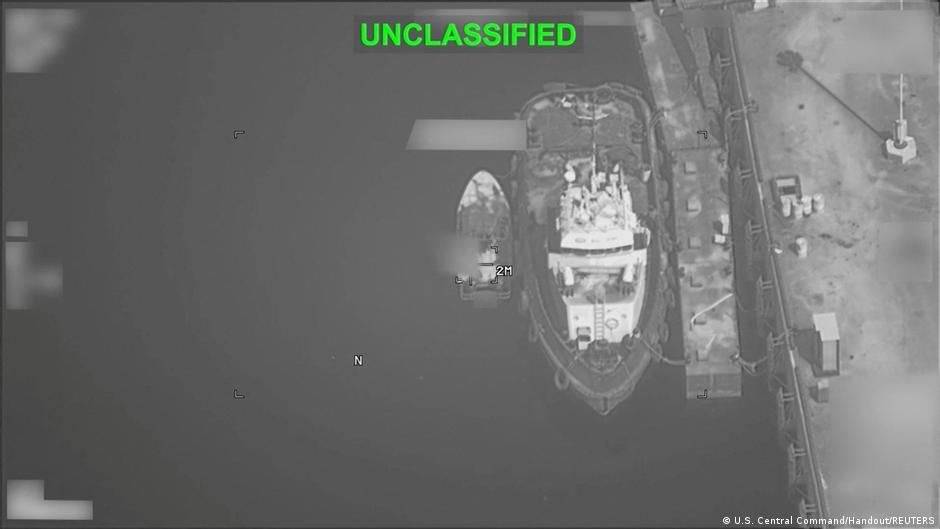
The US missile strike on a ship bound for Iran disrupts trade in the Strait of Hormuz, risking higher oil prices and impacting household budgets and savings globally.

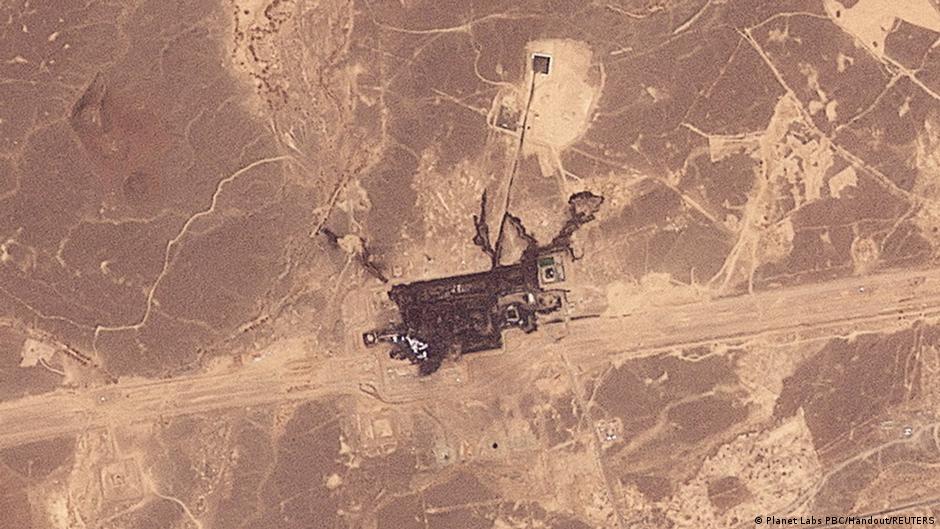
Drone strikes on oil facilities in Russia's Rostov and Saratov regions have sparked fires and damaged infrastructure, posing risks to fuel supply and household budgets.

Ksenia Fedorova, former RT France chief, continues media work on French TV despite Russia Today’s EU ban, influencing public perception and consumer trust in news.

The EU postpones appointing a negotiator with Russia, focusing on sanction strategies that impact European households' finances and market stability.

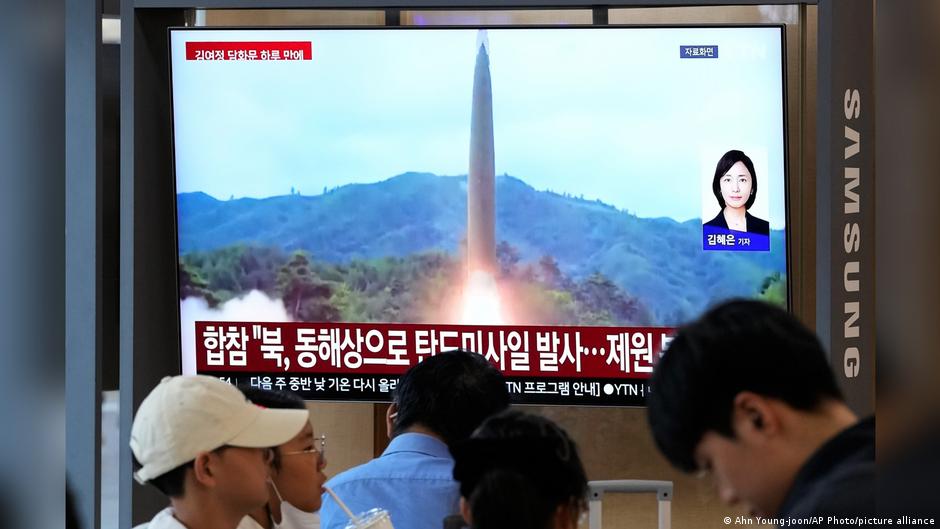
North Korea's missile tests heighten geopolitical risks, impacting currency stability, commodity prices, and everyday household finances worldwide.

US military strikes on Iran escalate geopolitical tensions, risking volatility in markets and currencies that affect household budgets, savings, and consumer costs globally.

Trump’s call to destroy Iran’s enriched uranium raises geopolitical risks that could affect currencies, inflation, and household budgets worldwide.

Russian strikes destroyed 40% of Kyiv's Chernobyl Museum exhibits, damaging cultural heritage and deepening financial challenges for Ukrainian households and investors.

NATO intelligence reveals Russia's secret underwater nuclear missile project which could impact global defense spending, currency stability, and everyday financial risks for consumers and investors.