Kosovo Premier’s Party Wins Elections Amid Ongoing Political Uncertainty
Kosovo’s ruling party wins elections but must form a coalition amid political instability, impacting household budgets, currency stability, and consumer confidence.

Kosovo’s ruling party wins elections but must form a coalition amid political instability, impacting household budgets, currency stability, and consumer confidence.

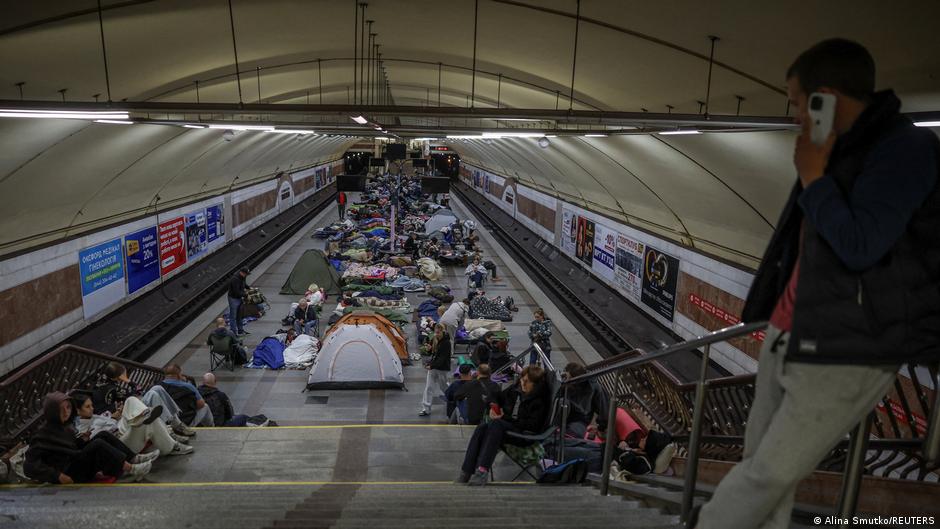
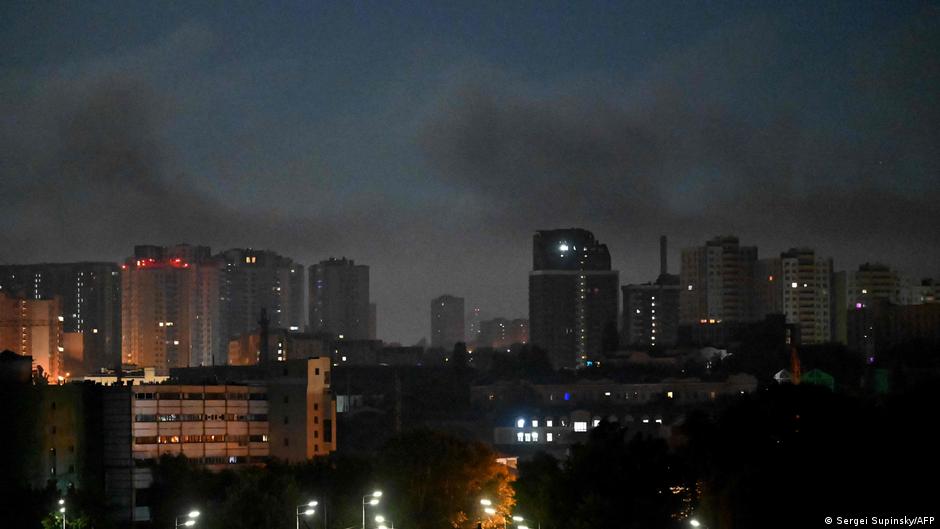
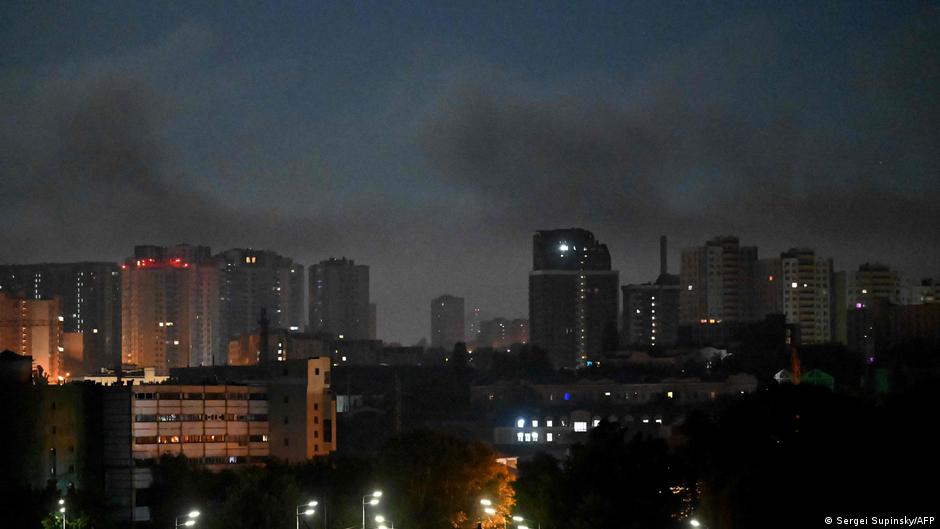
Repeated drone strikes over Kyiv disrupt daily life and threaten household finances, with impacts on incomes, savings, and currency stability amid ongoing conflict.

A Russian-origin drone crashed into a Romanian residential building, raising security and economic concerns for local households and investors amid regional tensions.

Ksenia Fedorova, former RT France chief, continues media work on French TV despite Russia Today’s EU ban, influencing public perception and consumer trust in news.

Denials of Chancellor Friedrich Merz’s early replacement ease political uncertainty, helping stabilize Germany’s economy and consumer confidence amid current challenges.

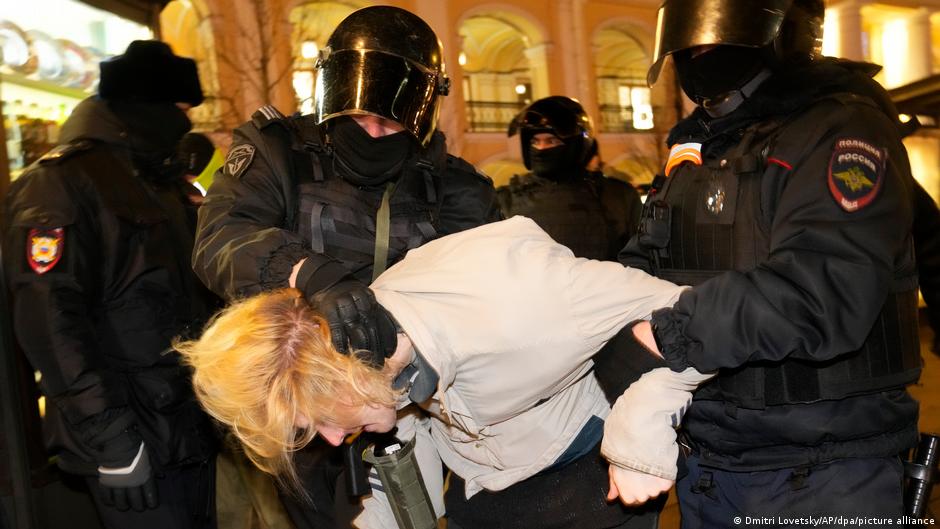
Millions of Russians face growing financial hardship as the Kremlin dismisses anti-war calls, deepening economic uncertainty affecting household budgets and savings.

UN peacekeeping forces have dropped to their lowest in 25 years due to funding and geopolitical issues, affecting global stability and economic conditions.

Russian strikes destroyed 40% of Kyiv's Chernobyl Museum exhibits, damaging cultural heritage and deepening financial challenges for Ukrainian households and investors.

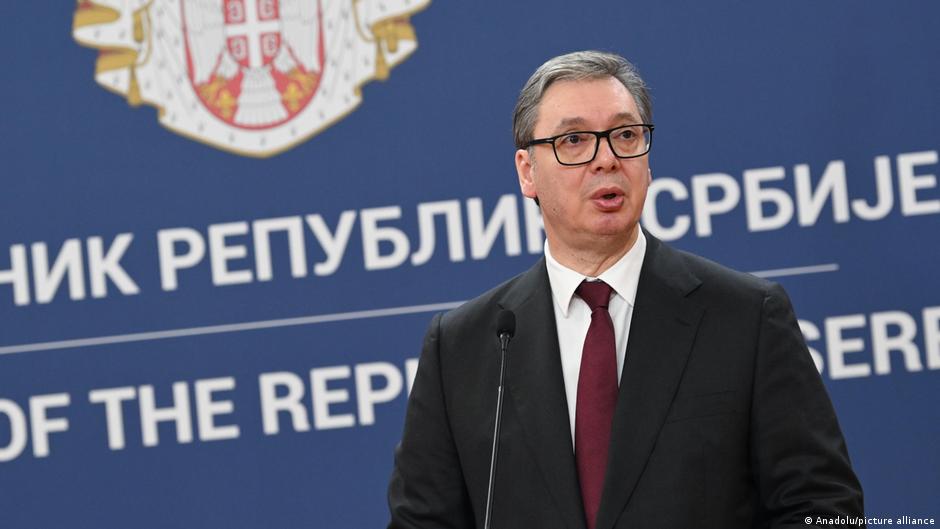
Serbia's anti-government protests disrupt daily life and threaten currency stability, affecting household budgets and economic confidence.

Western condemnation of Israel’s treatment of Palestinian activists highlights risks to currency stability and household finances amid rising geopolitical tensions.

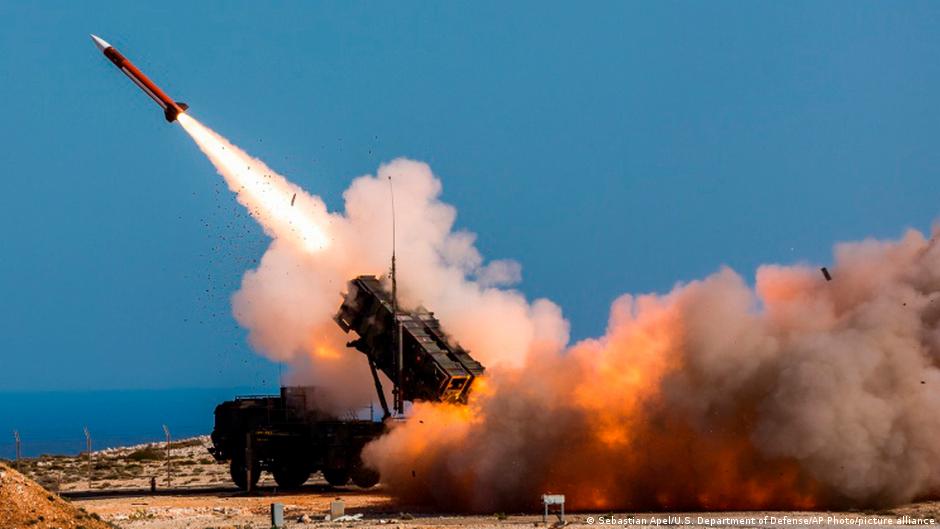
NATO confirms the steady supply of US air defense missiles to Ukraine, with implications for household budgets, government spending, and currency stability amid the ongoing conflict.

Moscow's approval of a new German ambassador amid strained ties may impact household budgets, currency stability, and everyday investors in Germany and Russia.

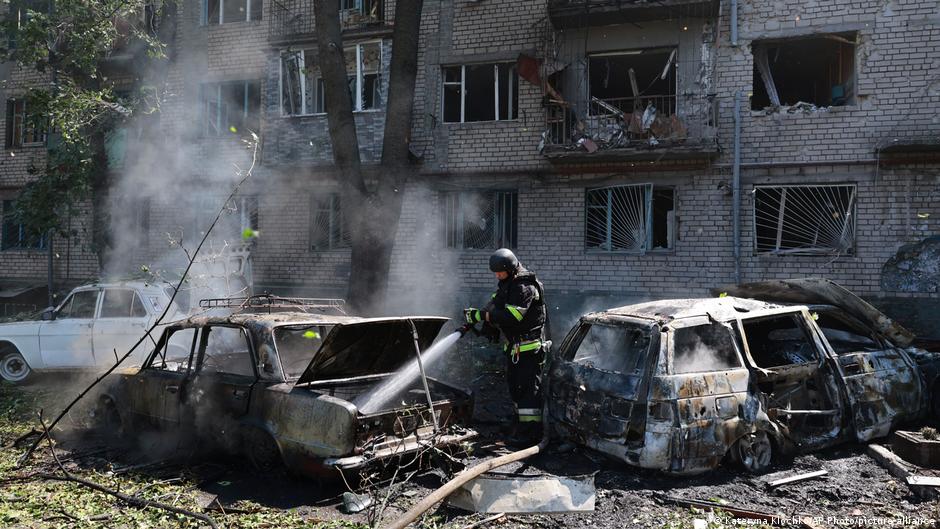
Drone and missile attacks in Odessa and Dnipro caused injuries and property damage, impacting household budgets, emergency expenses, and local economic stability.

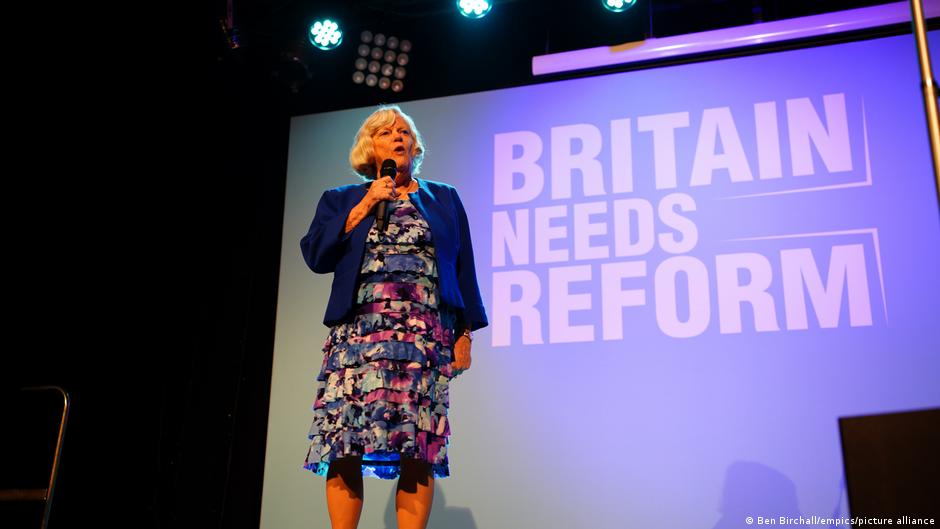
Tens of thousands rallied in London on May 16 in opposing demonstrations reflecting societal divisions, with potential effects on household finances and market confidence.

Russian missile and drone strikes on Ukrainian regions are damaging homes and infrastructure, threatening household finances and local economies amid ongoing conflict.

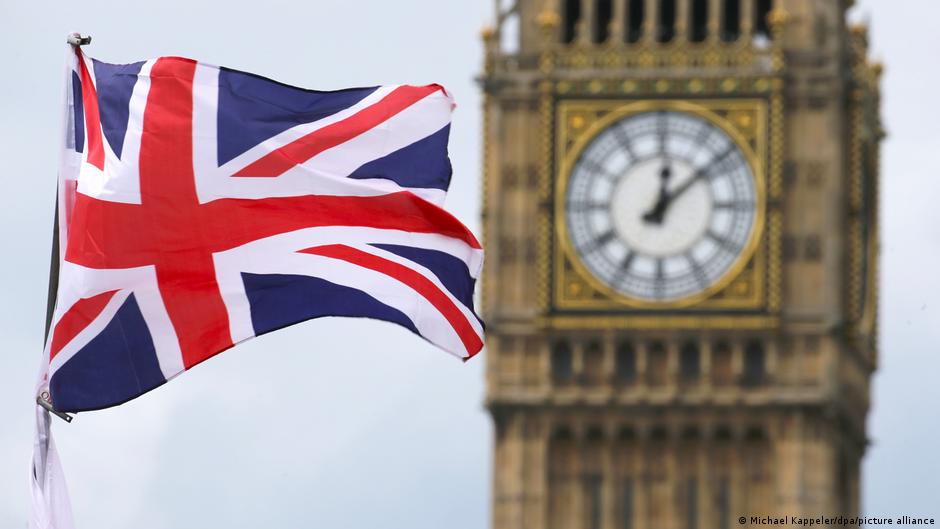
The UK plans to raise defense spending by £18 billion, a move that could reshape government budgets and impact household finances amid political unrest.

Ukraine and Germany deepen defense cooperation to enhance air defense and drone production, influencing regional security and economic stability amid ongoing conflict.

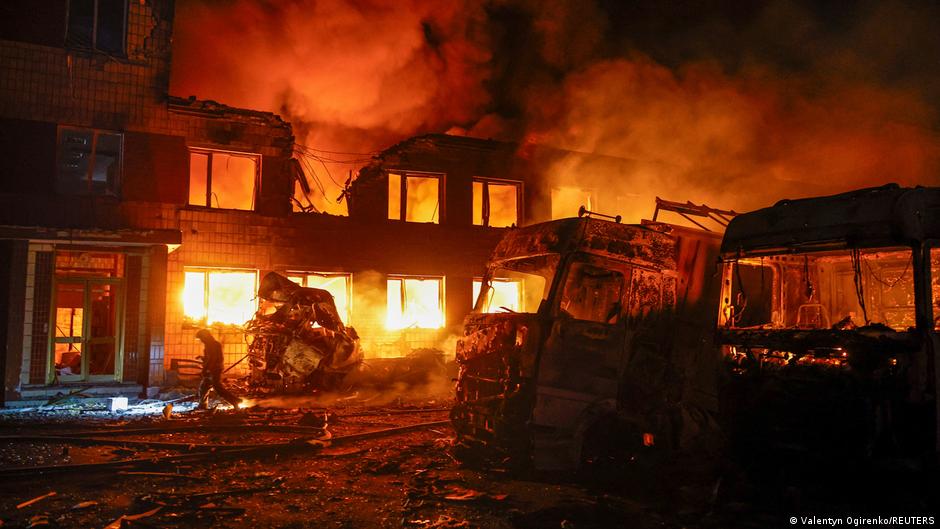
Russian missile and drone attacks on Kyiv have caused fires and damage, intensifying economic uncertainty for Ukrainian households, impacting budgets, savings, and currency stability.

Uzbekistan's rising meat imports amid slowed domestic production are driving higher prices that increase household food expenses and strain budgets.

Serbia hosts first joint NATO military exercises amid neutrality policy, with potential but limited impact on household finances and economic stability.

Ukraine’s plan to supply NATO with long-range drones and missiles could reshape defense dynamics and affect household finances, currency stability, and consumer investment decisions in Europe.

Germany is considering President Steinmeier to represent the EU in potential peace talks with Russia, a move that could influence European markets, currencies, and household finances amid the Ukraine conflict.

The escape of Poland’s ex-justice minister to the US amid corruption charges highlights risks to currency stability and household financial confidence across Europe.

Uzbek banks saw a 30.88% rise in deposits in Q1 2026, with corporate and retail savings fueling growth and boosting confidence in the financial sector.

EU leaders prepare for potential talks with Russia, a move that could ease inflation and currency volatility affecting European households and investors.

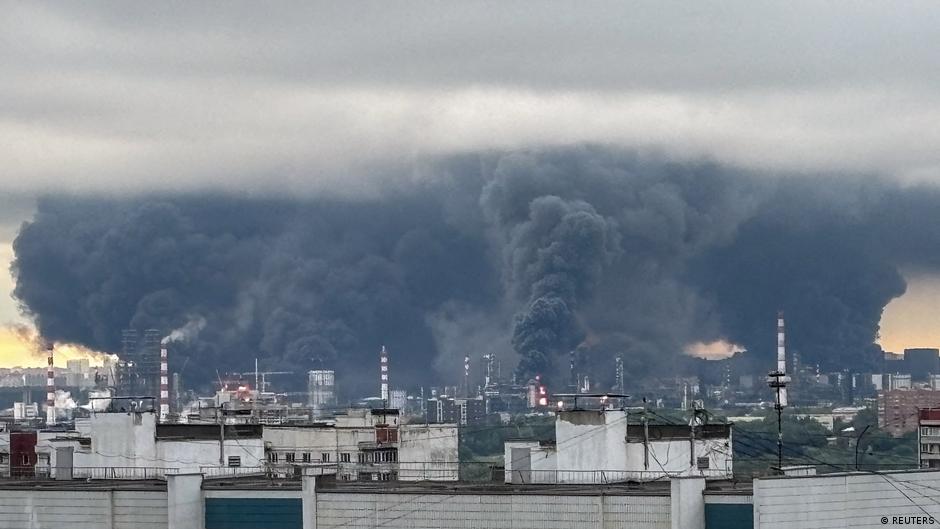
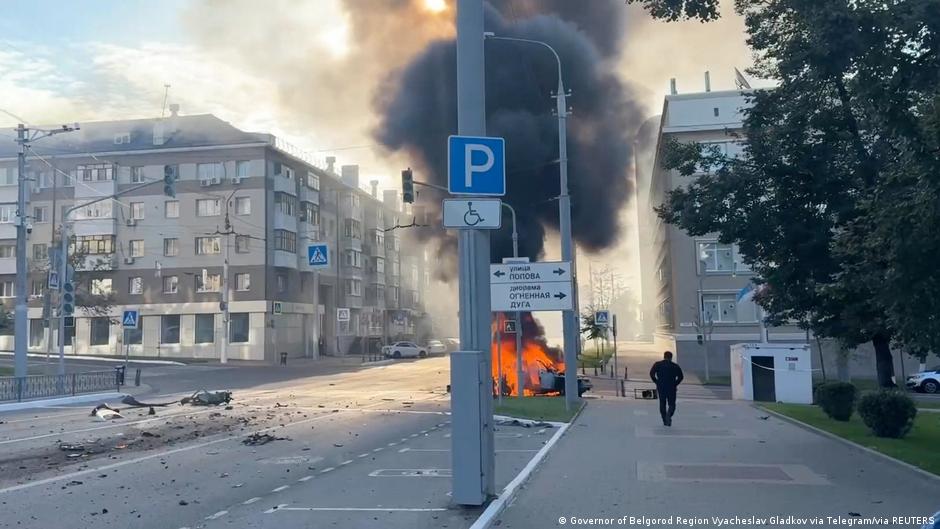
A drone struck a residential building in western Moscow, causing damage and raising concerns over household safety, repair costs, and local property values.

US plans to raise auto tariffs on EU imports threaten Germany’s economy, potentially triggering a 2026 recession with significant impacts on household budgets and consumer prices.

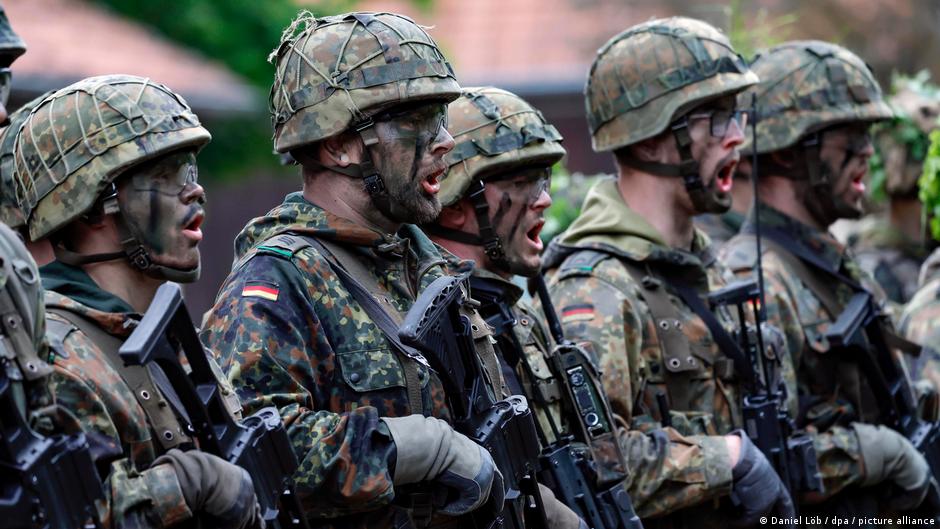
The US plans to withdraw 5,000 troops from Germany, a move that could impact euro-dollar exchange rates, local economies, and household finances.

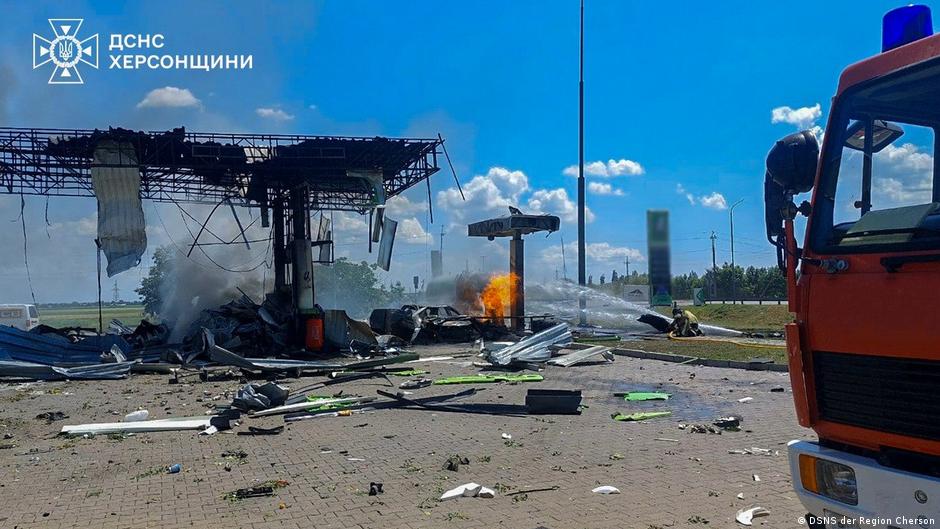
Renewed Russian drone attacks in Ukraine disrupt energy infrastructure and civilian areas, raising concerns about rising utility costs and economic stability for households and investors.

Uzbekistan’s suspension of gold exports for over six months has caused a near 30% drop in exports, impacting currency stability, consumer prices, and household savings.

Uzbekistan’s rising urban divorce rates threaten household finances and savings, posing challenges for everyday investors and consumer economic stability.

The 2026 Moscow Victory Day parade excludes military vehicles due to security concerns, signaling economic and social impacts on households and consumers across Russia.

King Charles III’s US visit amid UK-US tensions spotlights rising energy costs and currency risks affecting household budgets and everyday investors.

Hungary’s new government enters talks with the EU to unlock billions in frozen funds, potentially easing household budget pressures and stabilizing the economy.

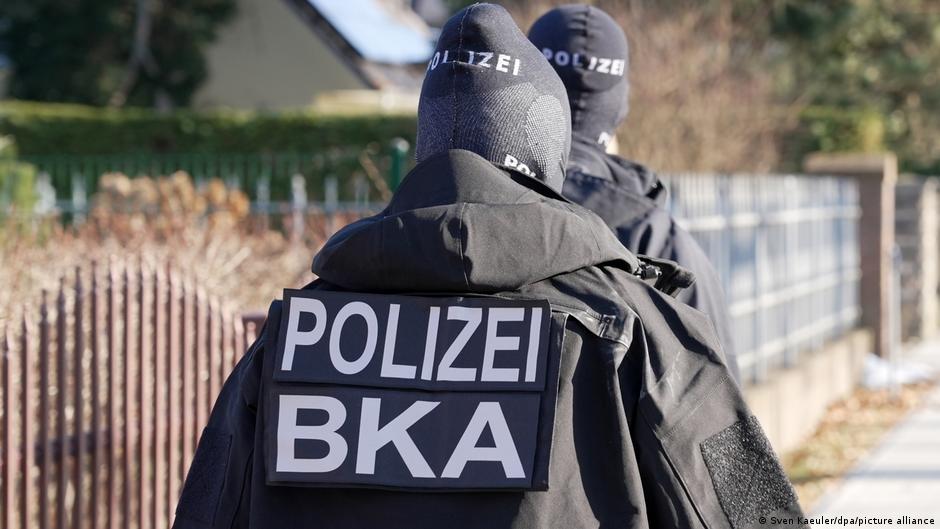
Phishing attacks targeting German officials via Signal expose risks in digital communication, highlighting the need for vigilance among everyday users to protect personal data and finances.

A fake BBC report claiming a stolen Cézanne painting was found in Zelensky's office exposes how disinformation can undermine consumer trust and impact household finances.

The extension of the Lebanon-Israel ceasefire could help stabilize regional currencies and ease financial pressures on households, affecting consumer confidence and investments.

Uzbekistan's car sales surged 19% in March, with new and used vehicles driving consumer spending and affecting household budgets and savings.

The hacking of Germany's Bundestag head’s Signal account highlights phishing risks that threaten household financial security and personal data protection.

Turkey is pushing to restart Russia-Ukraine peace talks, a move that could ease inflation and market volatility impacting household budgets and investors globally.

Drone attacks on Dnipro have injured residents and damaged homes, forcing families to face unexpected medical and repair costs that strain household budgets and savings.

NATO intercepted Russian bombers over the Baltic Sea, escalating regional tensions and potentially impacting household budgets, currencies, and investor confidence.

Serbia risks losing €1.5 billion in EU support due to democratic setbacks, potentially affecting household budgets, currency stability, and investment confidence.

Russian intimidation of German defense firms involved in Ukraine arms supplies raises cyber and security risks, impacting investors, supply chains, and household finances.