Drone Attacks in Ukraine’s Dnipropetrovsk Region Raise Concerns Over Household Safety and Costs
Russian drone strikes damaged residential buildings in Pavlograd, injuring 12 people and raising risks to personal finances and property security.
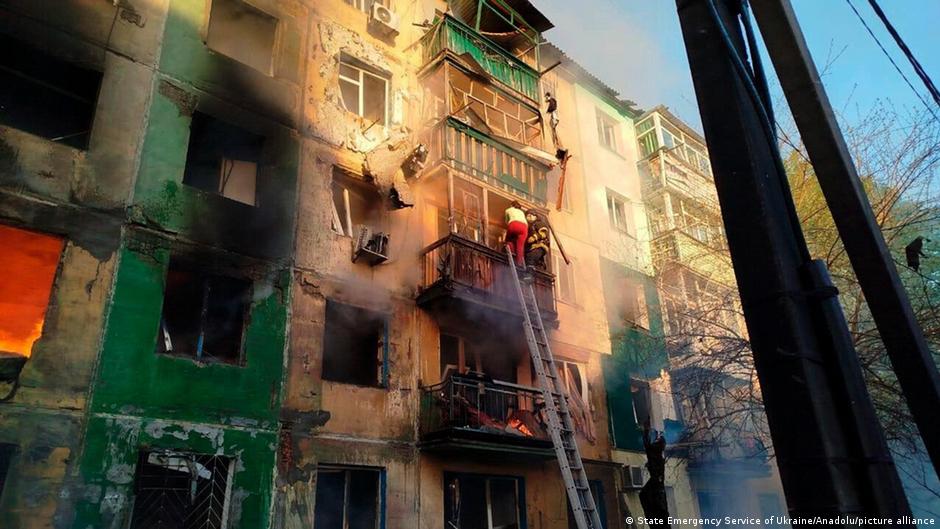
On the evening of June 10, Russian drone attacks targeted the Dnipropetrovsk region of Ukraine, causing significant damage to residential and industrial infrastructure in the city of Pavlograd. Among the affected was a multi-story residential building, where 12 people sustained injuries. The strikes have intensified worries about the financial impact on households and local economies amid ongoing conflict.
Impact on Residents and Household Budgets
The drone attacks not only inflicted physical damage but also disrupted the everyday lives of residents. The destruction of a multi-story apartment building means many families face sudden displacement and the costs associated with temporary relocation or repairs. Medical treatment for the 12 injured individuals, including a 75-year-old woman in critical condition, adds further strain on family finances.
"The damage to residential properties puts ordinary citizens at risk of losing savings invested in their homes and increases uncertainty about future living conditions," financial analysts warn.
For homeowners and renters alike, the destruction implies potential losses in property value and additional expenses for rebuilding or relocating. Insurance coverage in conflict zones is often limited or unavailable, leaving many to bear the full financial burden themselves.
Broader Economic Implications for the Region
Beyond the immediate damage, the strikes affected infrastructure and industrial enterprises, disrupting local supply chains and employment. In the Kryvorizky district, two men were injured and transport assets were damaged, further complicating logistics and commuting for workers.
The Sinelnikovsky district suffered complete destruction of a private home, signaling a severe toll on the housing stock and community stability. These losses contribute to an environment of economic uncertainty where local currencies may face pressure, savings can erode, and everyday investors grow increasingly cautious.
As the conflict persists, household budgets must increasingly account for emergency repairs, medical costs, and potential inflation stemming from infrastructure disruptions. The ripple effect on consumer confidence and investment could slow regional economic recovery, challenging families’ ability to maintain financial security.
In conflict-affected areas like Dnipropetrovsk, the intersection of military aggression and personal finance underscores the urgent need for protective measures for civilians and support mechanisms to mitigate economic shocks at the household level.