Russian Strikes Deepen Costs for Ukrainian Households and Businesses
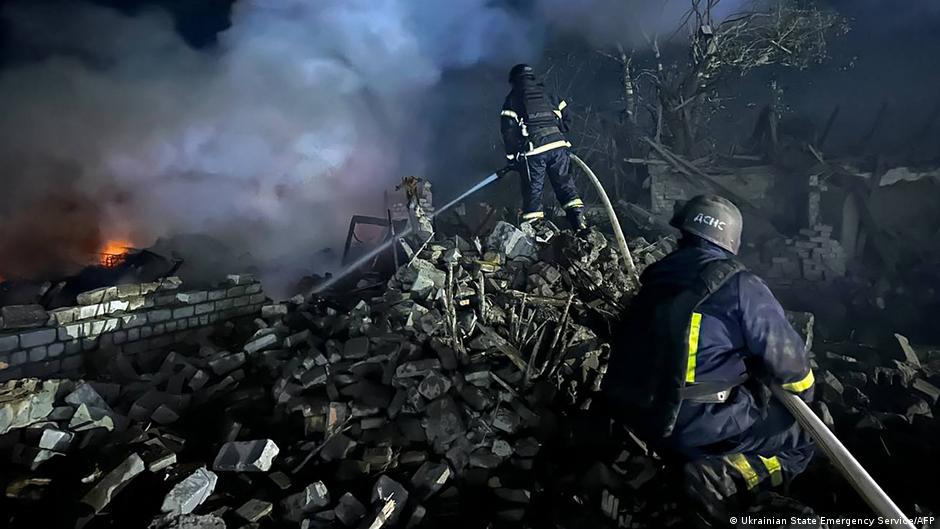
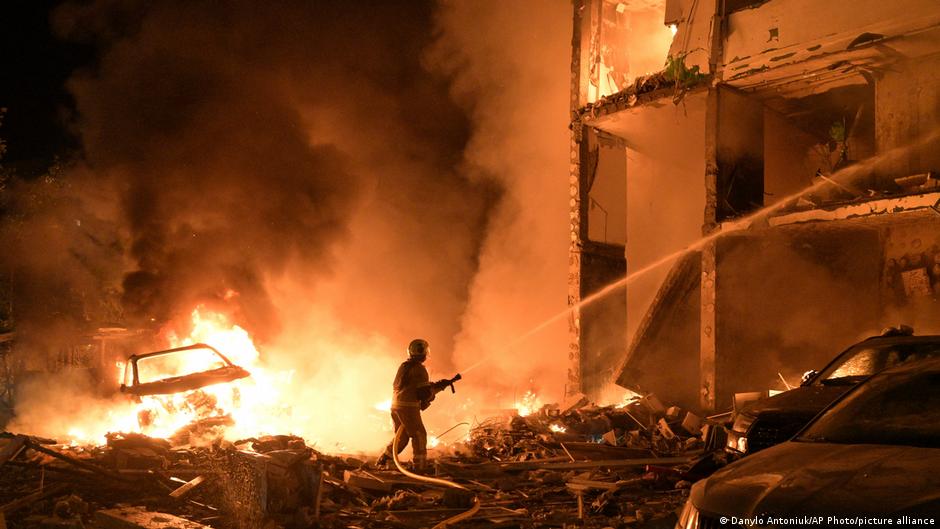
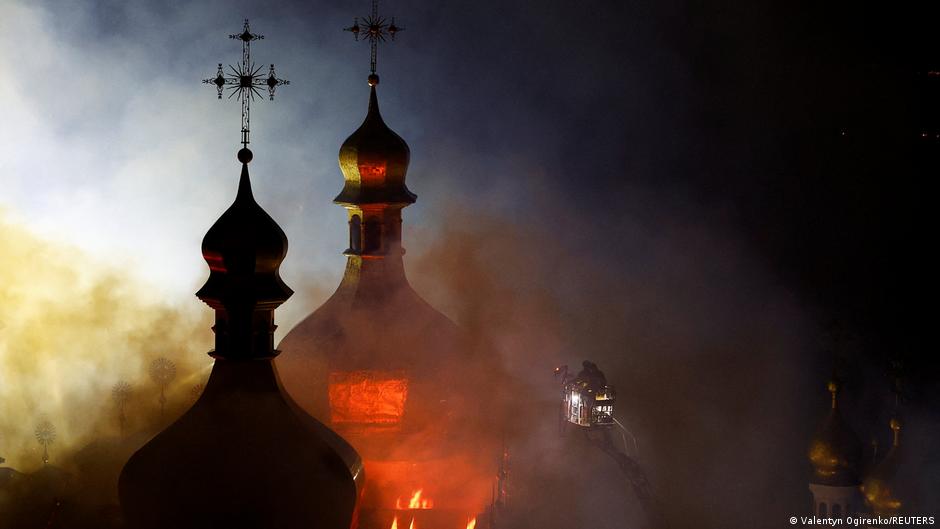
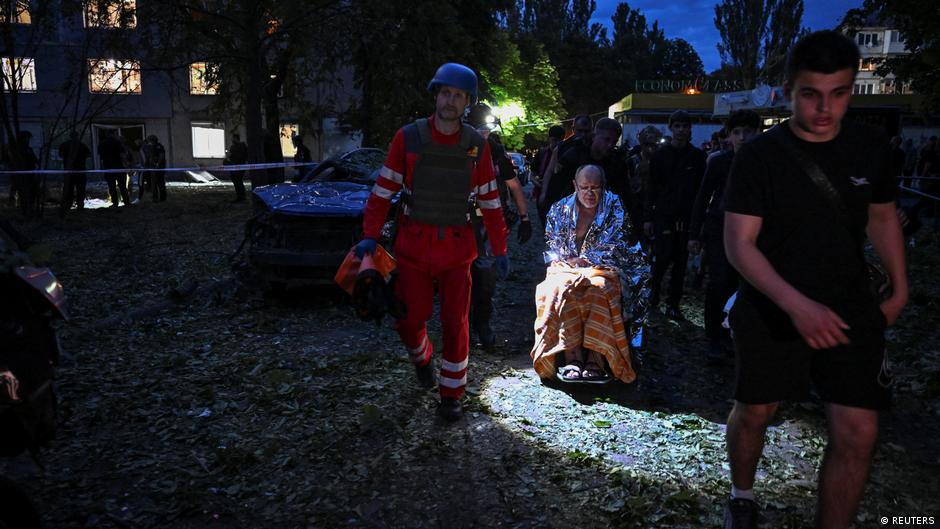
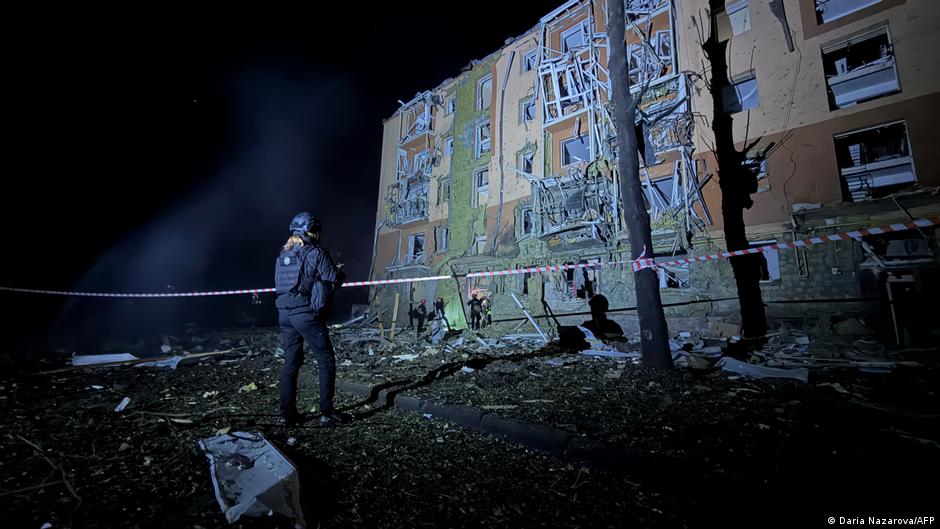
Fatal Russian strikes damaged homes and infrastructure, cut power to thousands and halted a factory, adding new pressure to Ukrainian household finances.

Fatal Russian strikes damaged homes and infrastructure, cut power to thousands and halted a factory, adding new pressure to Ukrainian household finances.

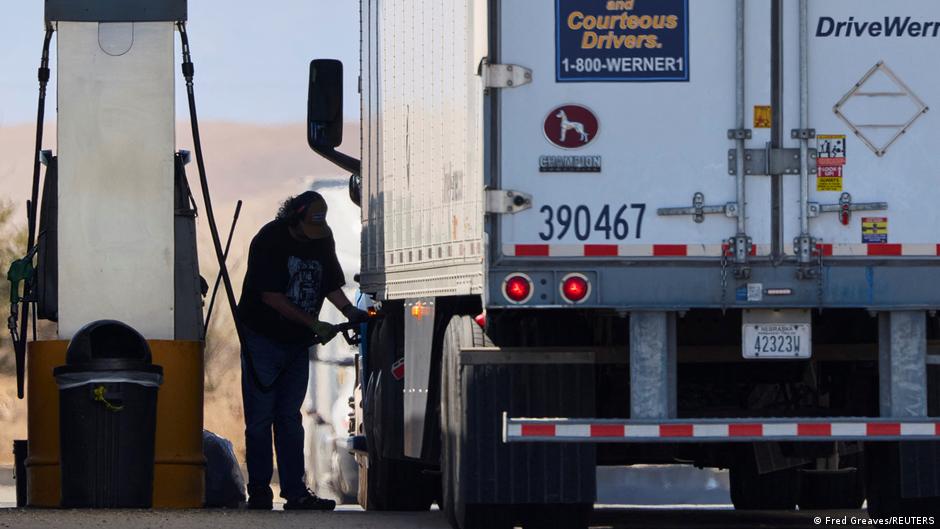
A bipartisan Senate group says Trump’s Russian diesel deal may not lower U.S. fuel costs while giving Moscow new war revenue.

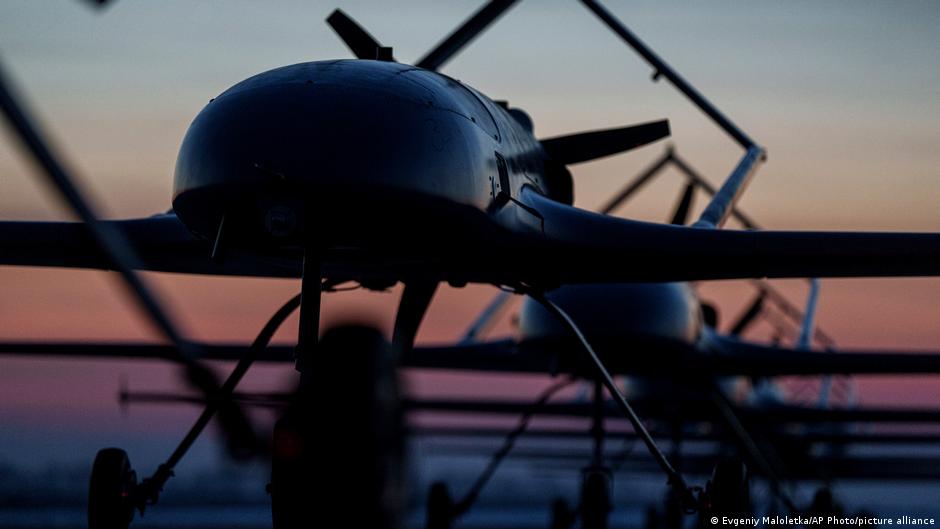
A reported drone attack toward Moscow disrupted flights, diverted aircraft and created fresh cost risks for travelers, households and investors.

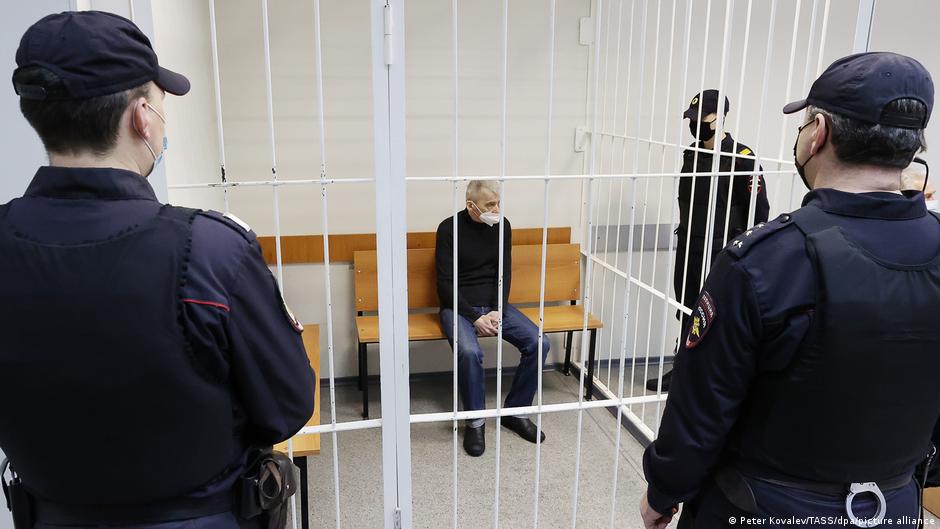
Yuri Dmitriev was reportedly returned to a Russian colony without a diagnosis after suspected stroke symptoms, raising legal, health and financial concerns.

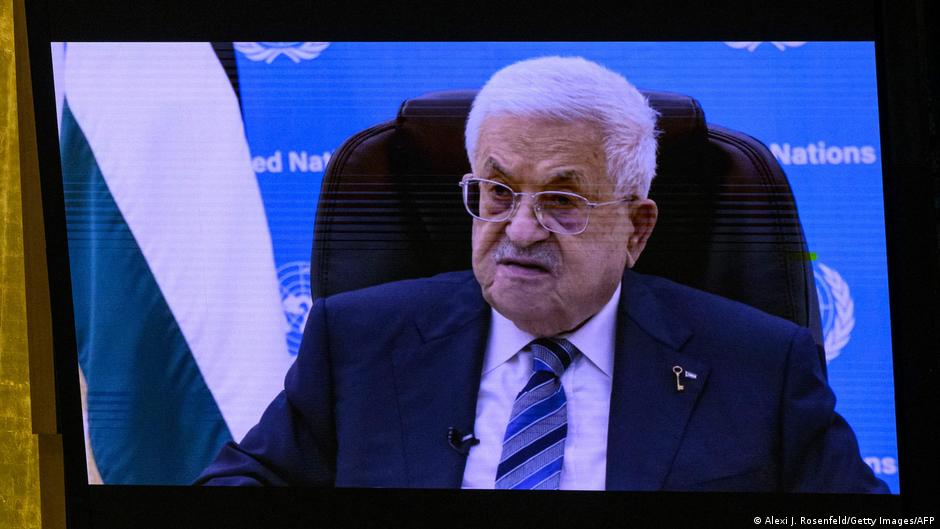
Palestinian elections were delayed to September 2027, extending political uncertainty with consequences for households, savings and investors.

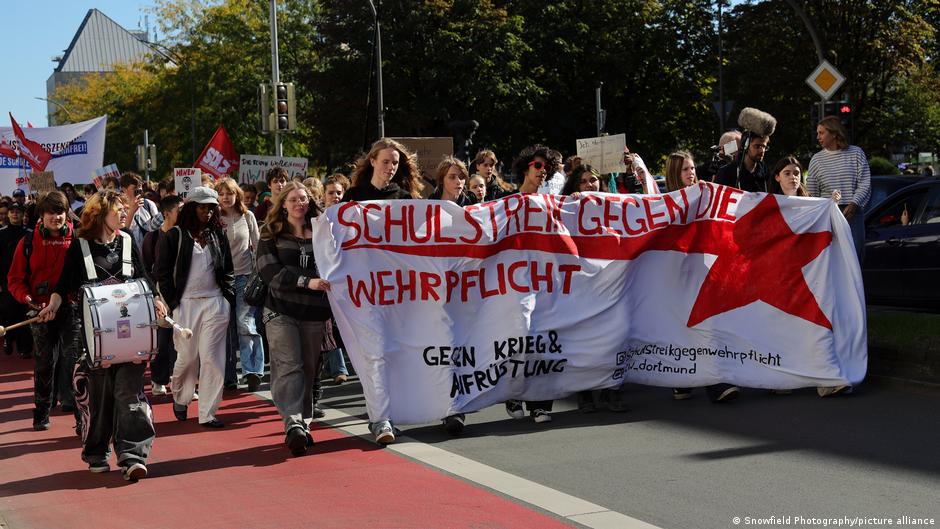
Military service objections in Germany have more than tripled from last year’s total, adding uncertainty for families and young workers.

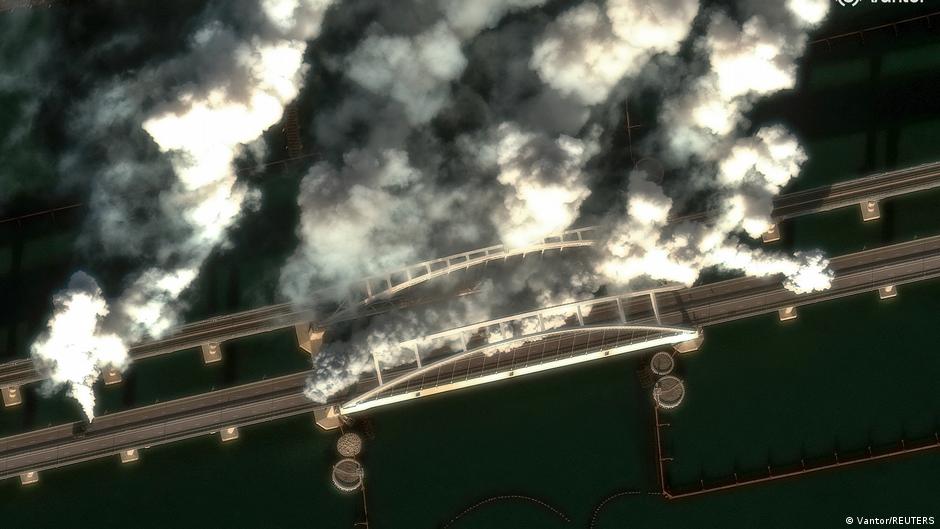
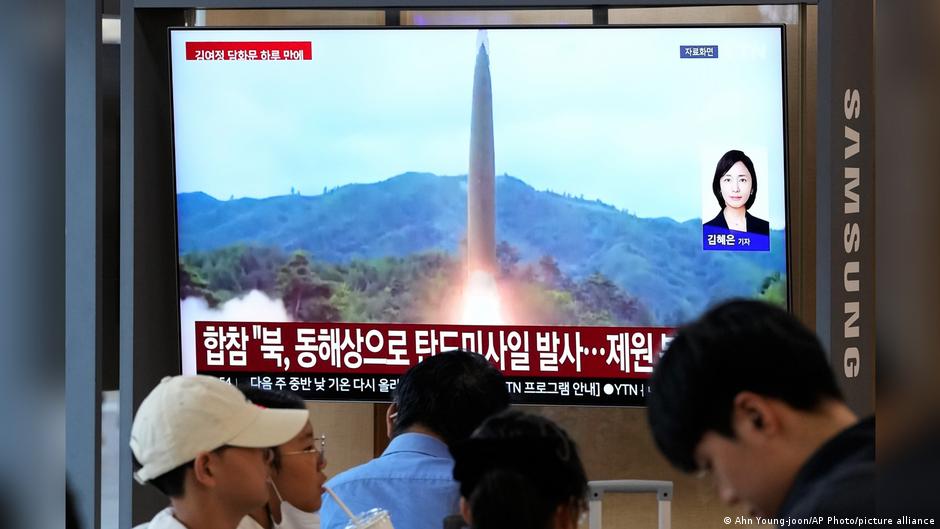
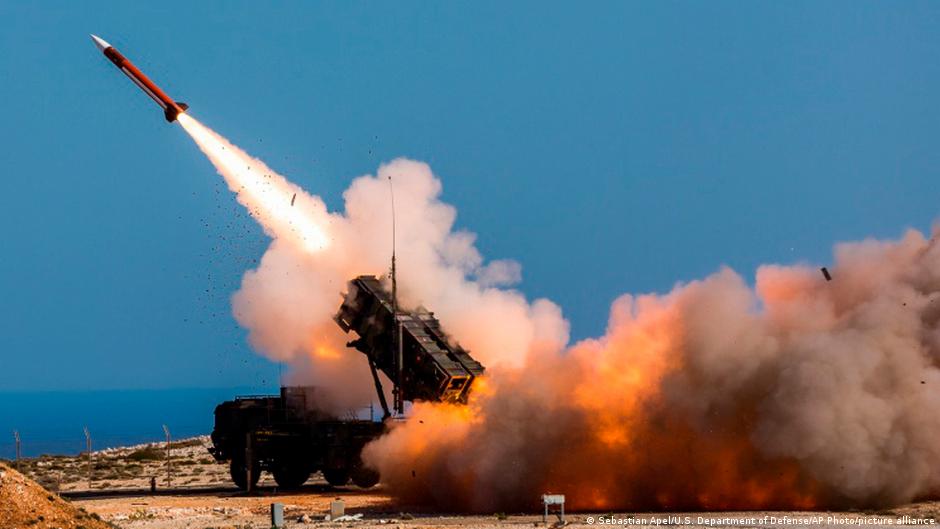
North Korea’s missile launch adds geopolitical risk for Asian markets, currencies and households exposed to regional prices or investments.

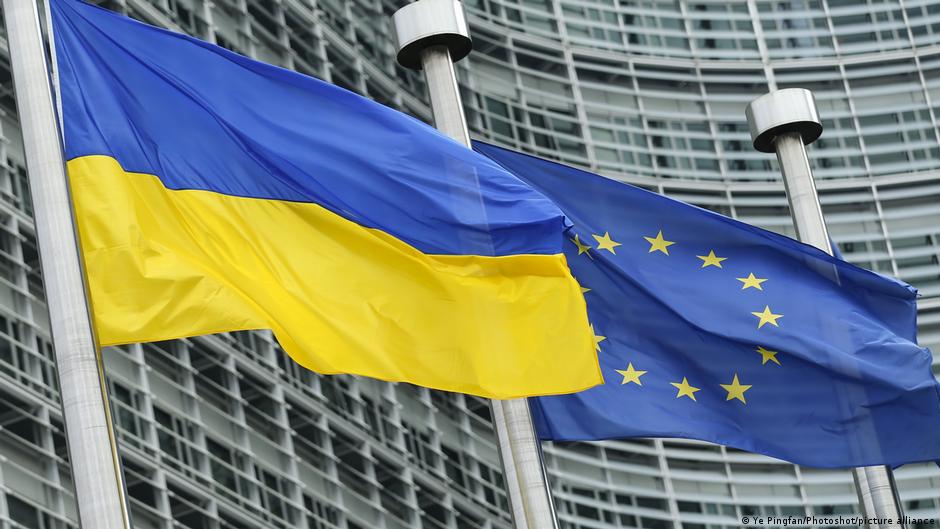
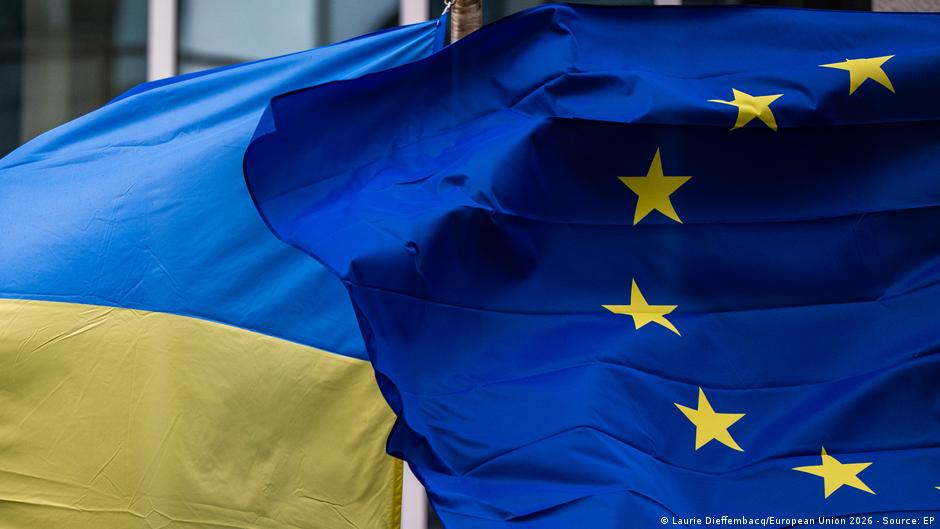
The EU refused to advance part of a €90 billion Ukraine loan, keeping pressure on 2027 funding plans and European budgets.

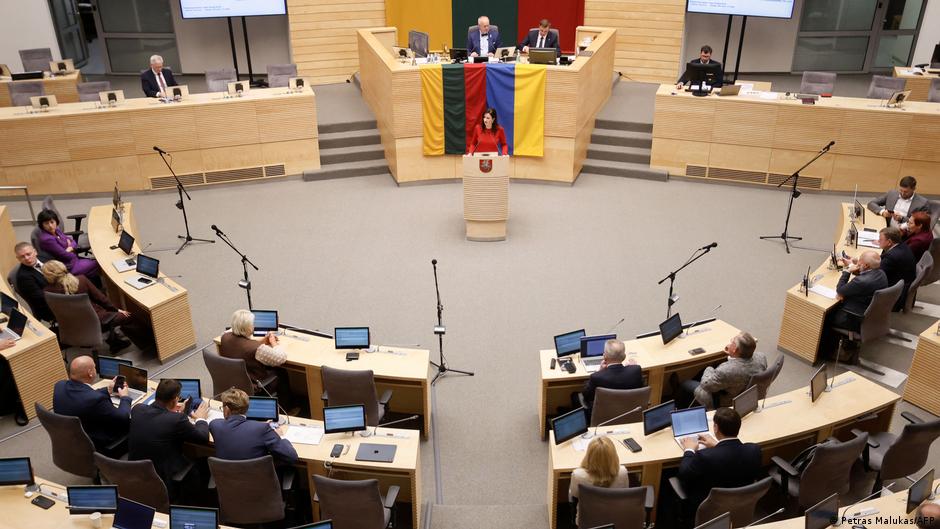
Lithuania’s proposed property curbs add legal and financial uncertainty for Russian and Belarusian residents planning home purchases.

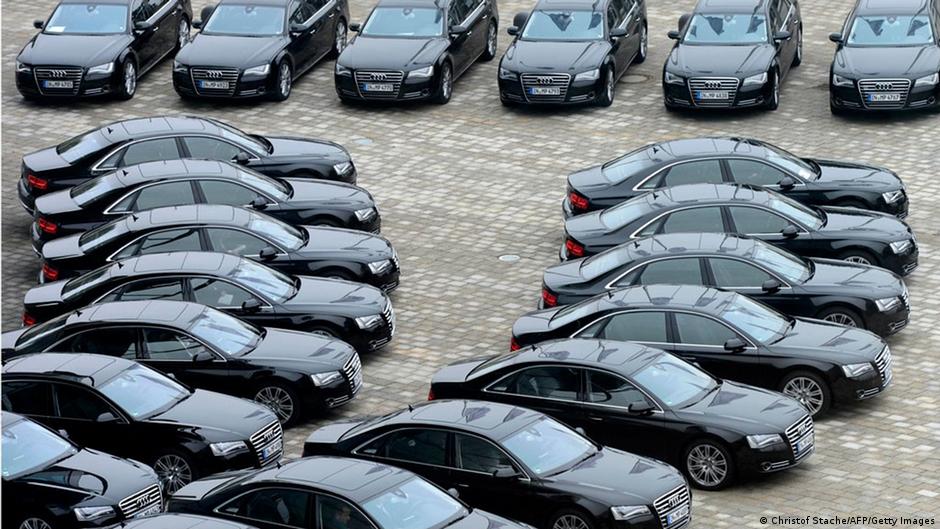
German and Austrian raids over alleged car exports to Russia show how sanctions enforcement can affect dealers, banks, consumers and investors.

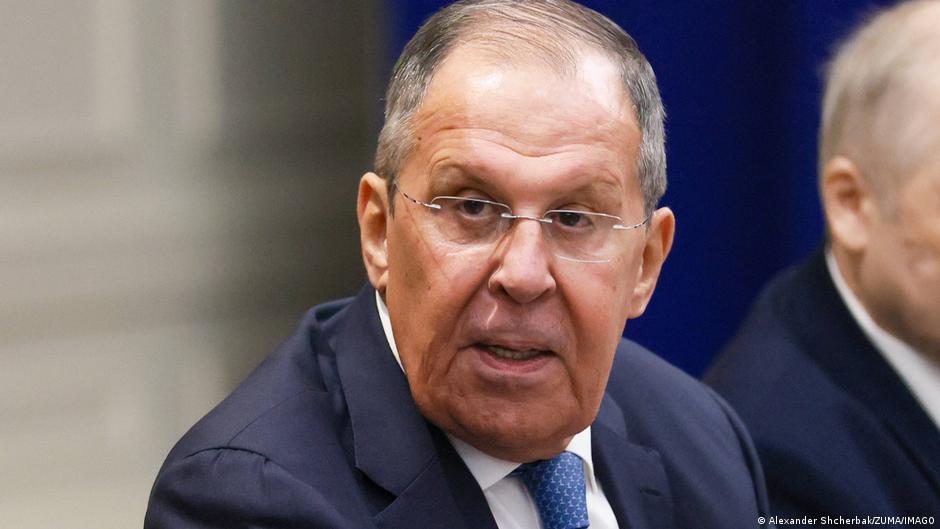
Lavrov ruled out a pause for Ukraine talks, keeping war-related uncertainty in focus for consumers, currencies and everyday investors.

EU ambassadors face a sanctions deadline as disputes over Russian billionaires add uncertainty for markets, currencies and household budgets.
A mass grave in Sri Lanka’s Chemmani area has yielded remains of 572 people, reopening wartime questions with deep household consequences.

Saudi Arabia said it intercepted a Houthi missile aimed at Riyadh, adding pressure to oil routes that affect fuel prices and consumer costs.

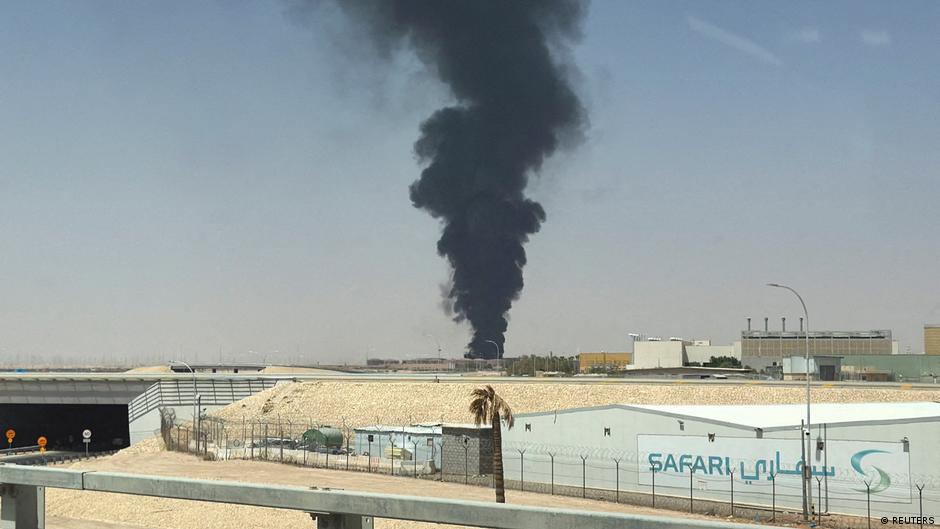
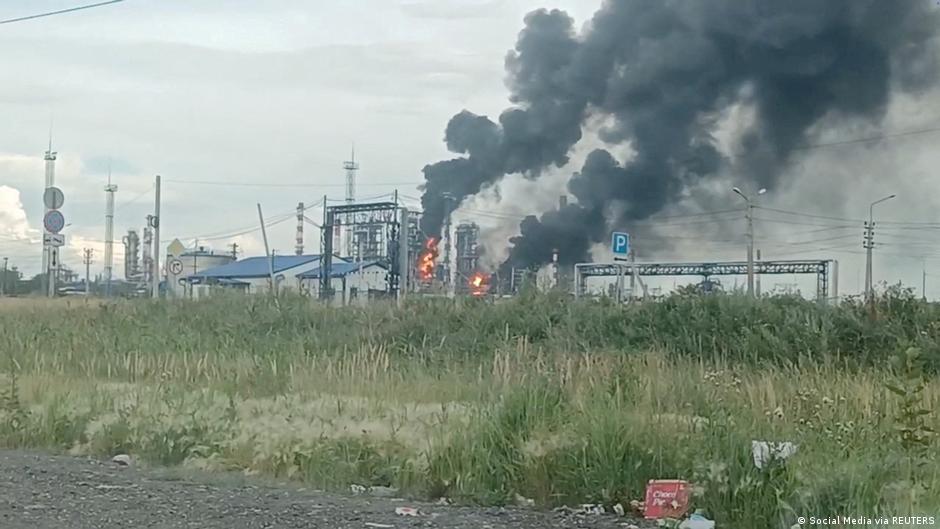
Strikes on a Russian refinery and warehouses raise questions for fuel costs, deliveries, inflation and investors tracking war risk.

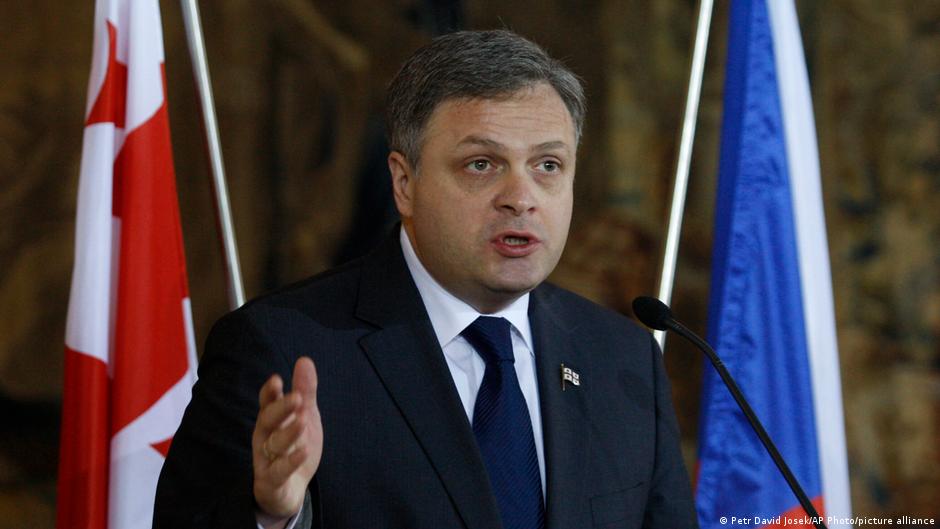
Georgia detained former defense chief Giorgi Baramidze in a treason case, adding political risk for households, savers and investors.

Norway’s seizure of a Russian vessel in a Naftogaz claim highlights how legal battles over assets can shape investor risk, currencies and household finances.

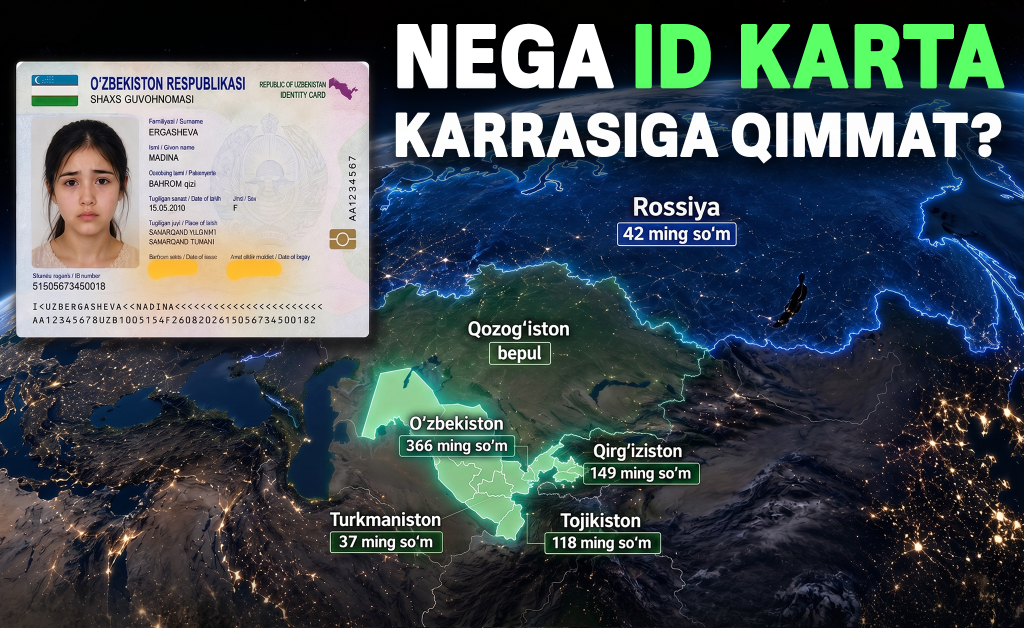
Uzbekistan's fee for a first ID card is under scrutiny after a viral passport-office account, with neighboring countries often charging less or nothing at all.

Meta’s $18B settlement over child safety mandates new age-verification tech with privacy risks, impacting household digital habits and platform trust.

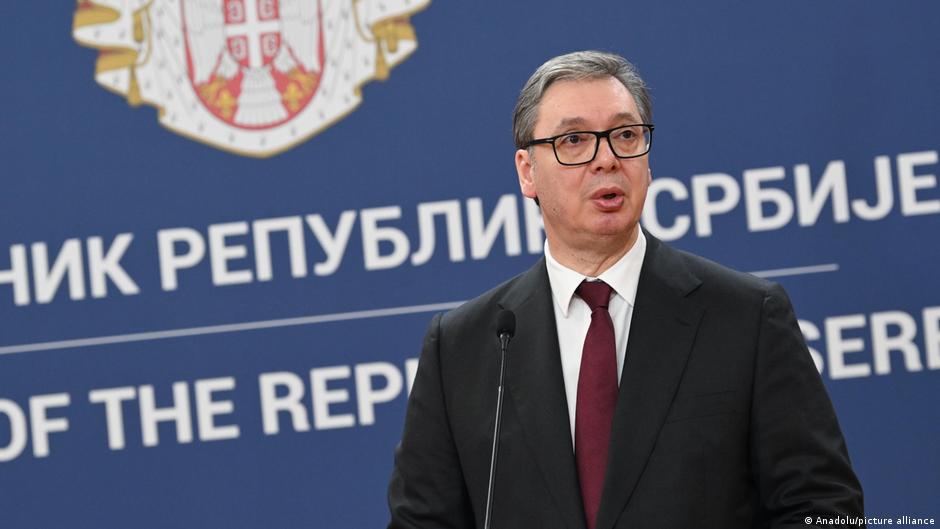
Serbia plans early parliamentary elections in October 2023 amid protests and political uncertainty, raising concerns about impacts on household finances and investor confidence.

NATO responds to Iranian threats targeting European military sites, signaling potential impacts on household budgets, currency markets, and consumer prices amid rising tensions.

Jared Kushner's talks with Hamas highlight persistent Middle East tensions that could impact currencies, inflation, and household finances worldwide.

Geopolitical tensions between Qatar and Iran threaten currency stability and consumer costs, impacting household budgets and everyday investors in the Gulf region.

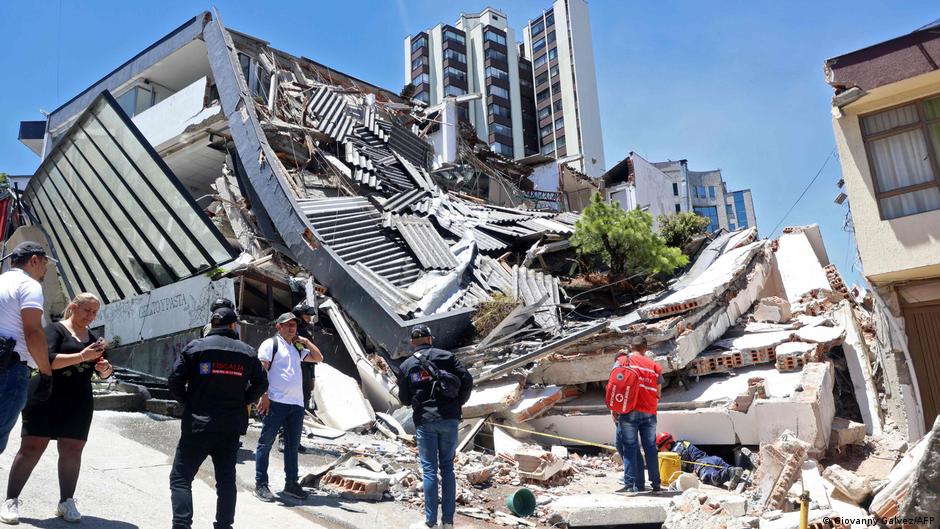
A 7.4 magnitude earthquake in Colombia has caused major destruction to homes and infrastructure, impacting household finances and prompting emergency aid.

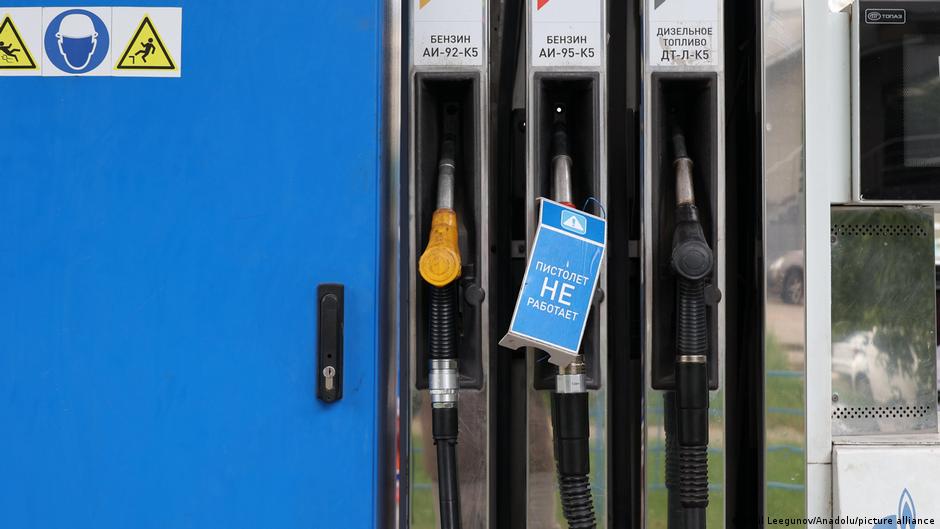
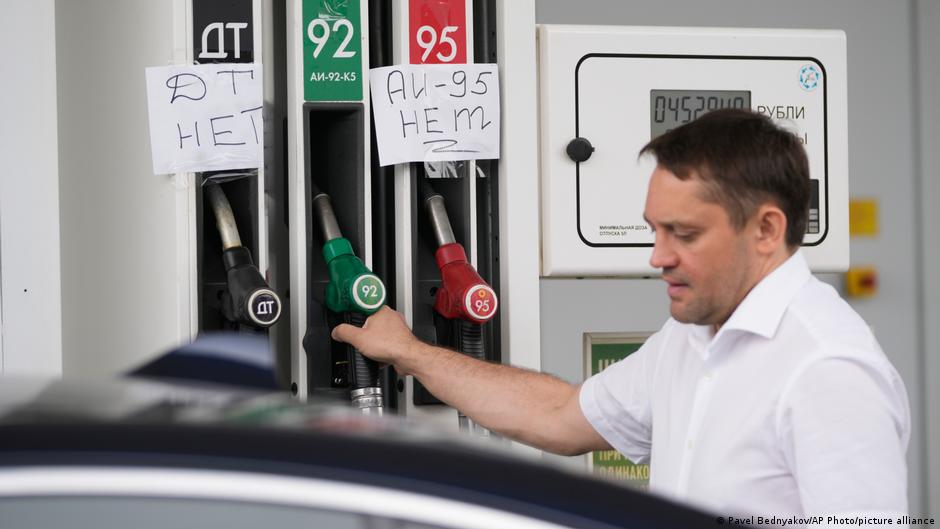
Russia extends sale of Euro-2 to Euro-4 fuels until 2027 amid refinery disruptions, impacting fuel prices and vehicle compatibility for consumers.

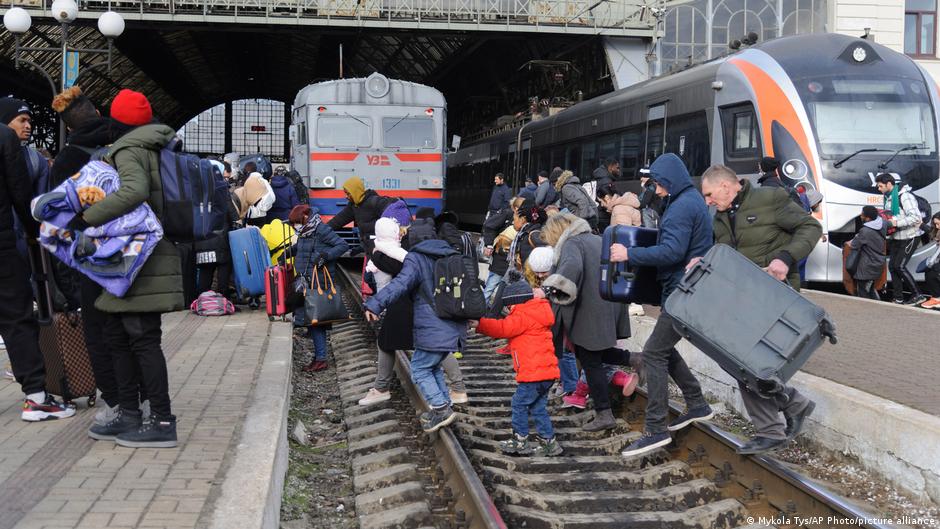
Over 8.4 million Ukrainians live abroad due to ongoing conflict, impacting household finances, savings, currency stability, and investment prospects within Ukraine.

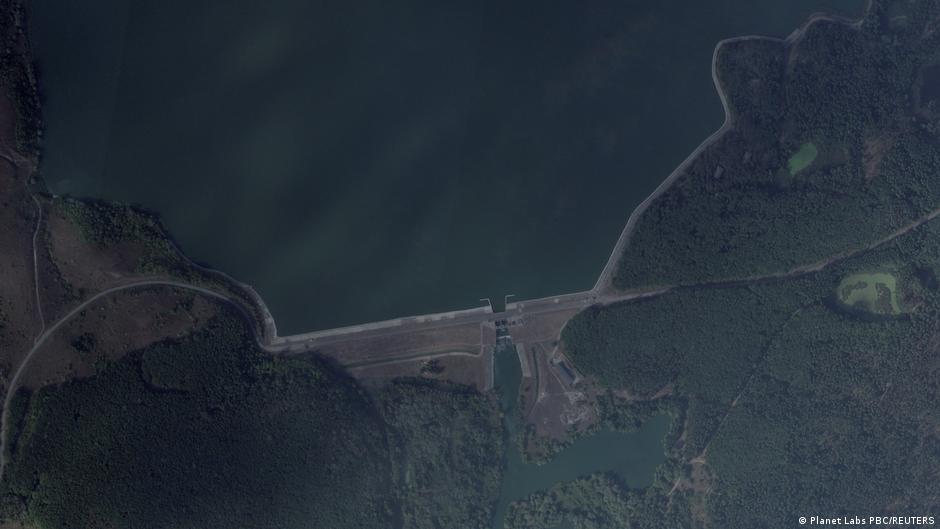
Following Ukrainian attacks, Belgorod Reservoir's water levels have dropped drastically, threatening local water supply and increasing costs for households and agriculture.

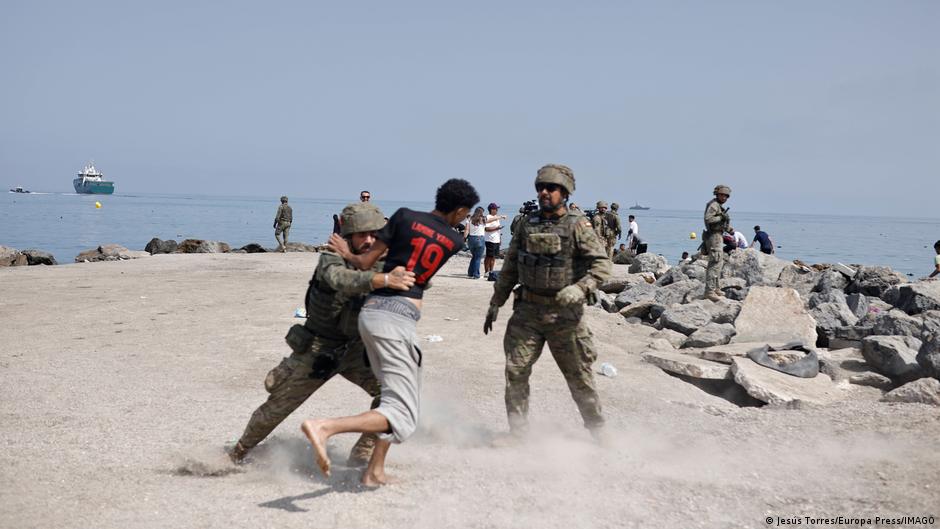
The surge of 60,000 migrants into Spain’s Ceuta enclave disrupts local economies, challenges household budgets, and raises currency and investment concerns across Europe.

Russia’s use of North Korean ballistic missiles in Ukraine raises global concerns over economic stability, affecting household budgets, currencies, and investor confidence worldwide.

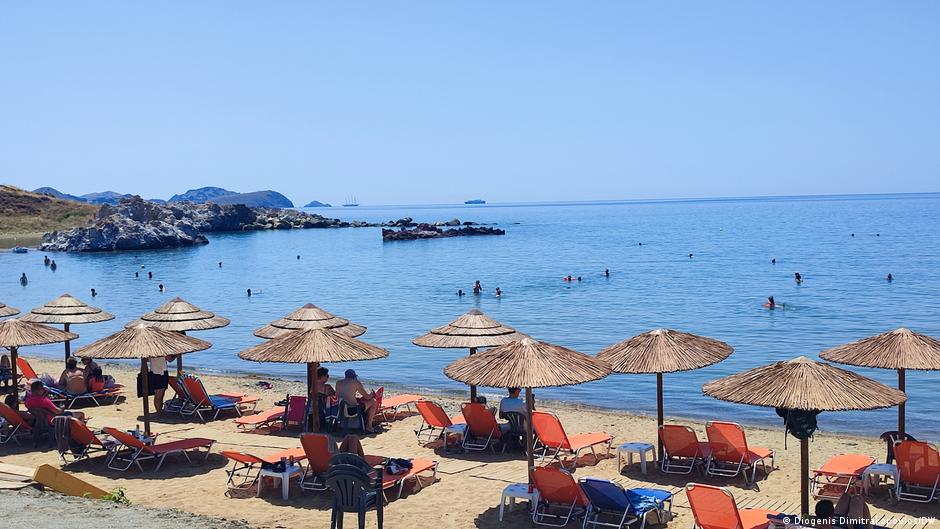
Greece’s surge in Schengen visa denials for Russians disrupts travel plans, straining household budgets and increasing financial costs for trips amid tightened EU visa policies.

The UK’s transfer of rights for the Stone Cloak electronic warfare system to Ukraine affects defense innovation and has broader implications for household budgets and currency stability.

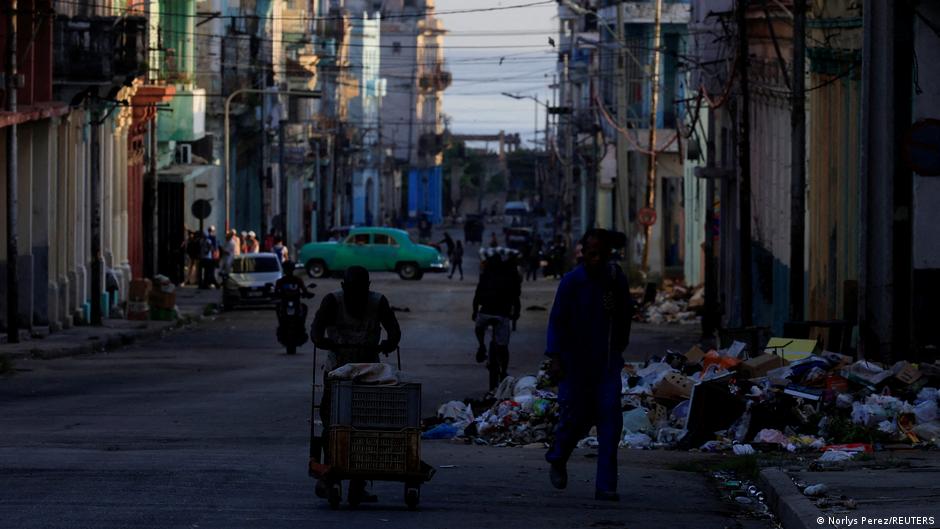
The US has sent $100 million in humanitarian aid to Cuba amid sanctions, providing direct relief to families while economic pressures and currency volatility rise.

Germany sees a sharp rise in military service refusals, raising concerns about household budgets, savings, and investment strategies amid defense reforms.

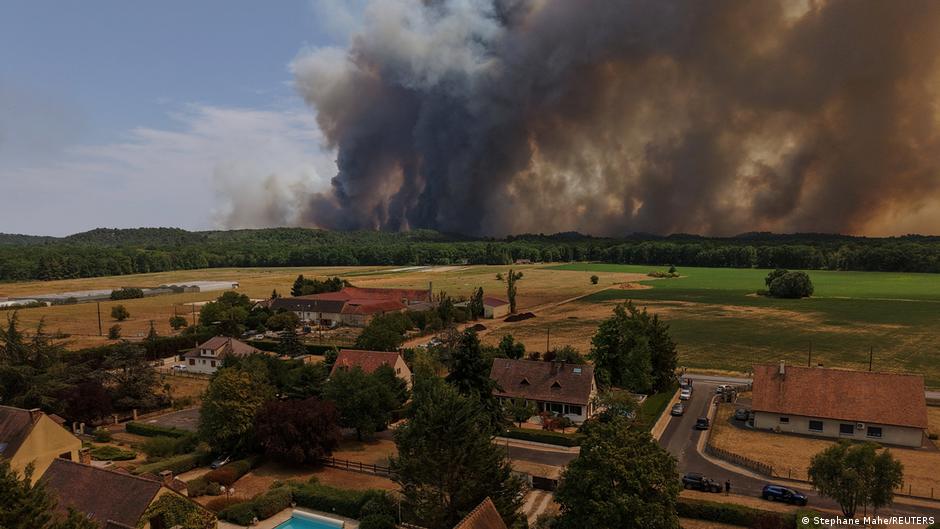
A massive wildfire near Paris has scorched over 1,300 hectares, forcing evacuations and highlighting rising financial risks for households amid increasing heatwaves.
Former Spanish PM’s remarks on the French World Cup team spark debate with implications for economic confidence and investor sentiment in Europe.

Missile attacks in Kyiv injure civilians and damage infrastructure, exacerbating fuel shortages and economic challenges that impact household budgets and regional markets.

The Saratov refinery’s shutdown amid drone attacks worsens Russia’s fuel scarcity, impacting millions of consumers and raising fuel prices nationwide.

Russian missile attacks on Kyiv and Kharkiv inflicted property damage and injuries, raising concerns over their impact on household finances and local economies.

Thunderstorms forced cancellation of Washington's 250th Independence Day events, disrupting celebrations and affecting consumer spending and household plans.

Russia permits use of older Euro-3 gasoline and diesel fuels until 2026, impacting fuel quality, prices, and household budgets amid a worsening supply crisis.

U.S.-Iran military clashes after a drone strike on a cargo ship in the Strait of Hormuz drive up global oil prices, impacting household budgets and everyday investors.

German authorities grant asylum to Russian activist Ilya Shkolny after a lengthy legal fight, underscoring the financial and social impacts of geopolitical instability on households and investors.

A drone attack caused a fire at a key oil depot near Krasnodar, disrupting regional fuel supplies and raising energy costs for households in Southern Russia.

Russian missile strikes on Kyiv and Kharkiv cause civilian deaths, power outages, and property damage, increasing financial strain on Ukrainian households and investors.

Twenty-two countries accuse Iran of orchestrating attacks abroad, raising geopolitical risks that could affect currencies, household budgets, and investor confidence.

Ukraine demands a ban on Russian military participation in UN missions over sexual violence allegations, escalating geopolitical tensions with economic implications for households and investors.

A Russian military strike in Zaporizhzhia caused a power outage, disrupting daily life and increasing household expenses amid warnings of further attacks.

A US-mediated ceasefire between Israel and Lebanon aims to reduce conflict-driven economic strain on households, currencies, and investors in the region.

Putin’s alleged children receive foreign language tutoring costing hundreds of thousands annually, revealing stark contrasts in elite versus average household spending amid Russia’s economic challenges.

Millions of Russians face growing financial hardship as the Kremlin dismisses anti-war calls, deepening economic uncertainty affecting household budgets and savings.