Colombia Declares Emergency After 7.4 Magnitude Earthquake Impacting Households and Economy
The earthquake has caused significant damage to homes and infrastructure, posing challenges for Colombian households and financial stability.
Severe Earthquake in Colombia Triggers National Emergency
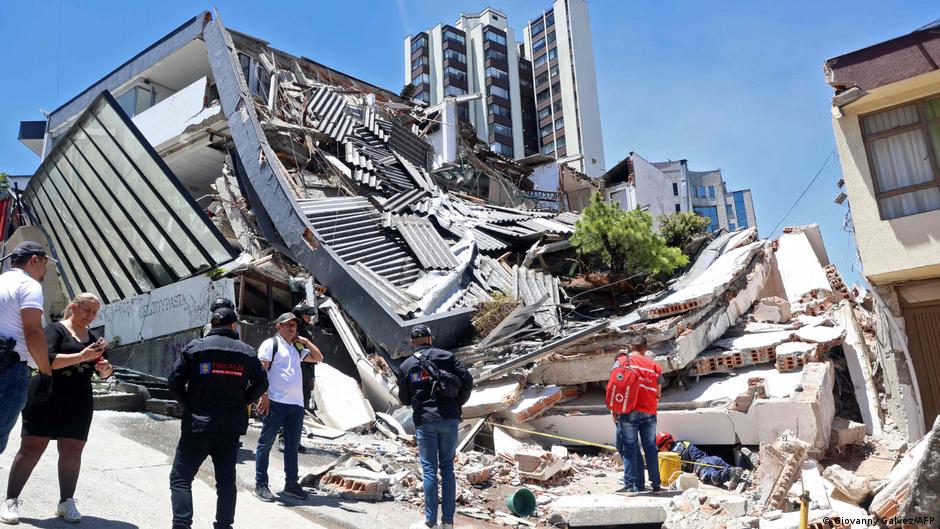
Colombia is grappling with the aftermath of a powerful 7.4 magnitude earthquake that struck on August 10, prompting President Abelardo de la Espriella to declare a nationwide state of emergency. The disaster has resulted in at least 132 fatalities and hundreds of injuries, while causing extensive damage to residential buildings and critical public infrastructure.
The quake, centered near the town of San José del Palmar at a depth of approximately 103 kilometers, is the strongest recorded in Colombia in the 21st century. It has destroyed or severely damaged over 1,500 homes across several cities including Pereira, Cali, and Manizales. About 60 buildings have completely collapsed, along with damage to 18 hospitals and 52 schools.
Financial and Personal Impact on Colombian Households
Beyond the immediate human toll, the earthquake poses serious challenges to household finances and the broader consumer economy. Thousands of families face displacement and costly repairs, straining savings and increasing demand for emergency funds. The destruction of homes and public facilities disrupts daily life, impacting access to education and healthcare services.
"All institutional resources will be mobilized to respond adequately to the catastrophe, with priority given to saving lives," President de la Espriella declared.
For everyday Colombians, the disaster could lead to increased living costs, as rebuilding efforts may drive up prices for construction materials and services. Additionally, the economic strain may affect currency stability and inflation, influencing savings and investment decisions. The destruction of infrastructure and homes could also affect employment opportunities and income streams for many households.
International Aid and Government Response
The United States has pledged $15.5 million in emergency assistance to support Colombia’s recovery efforts. The U.S. State Department emphasized solidarity with the Colombian people and readiness to aid the new administration led by President de la Espriella, who took office just days before the earthquake.
De la Espriella, who won the presidency in June, has prioritized strengthening security and economic deregulation. His administration now faces the immediate challenge of managing disaster relief while advancing its broader policy agenda. The earthquake’s impact will likely shape budget allocations and government priorities in the near term.
As Colombia rebuilds, households and consumers will need to navigate financial pressures, including potential inflationary effects and disruptions to everyday economic activities. This natural disaster underscores the importance of resilient financial planning and emergency preparedness for individuals and communities alike.