EU Backs New Accession Talks for Ukraine and Moldova, With Budget Stakes
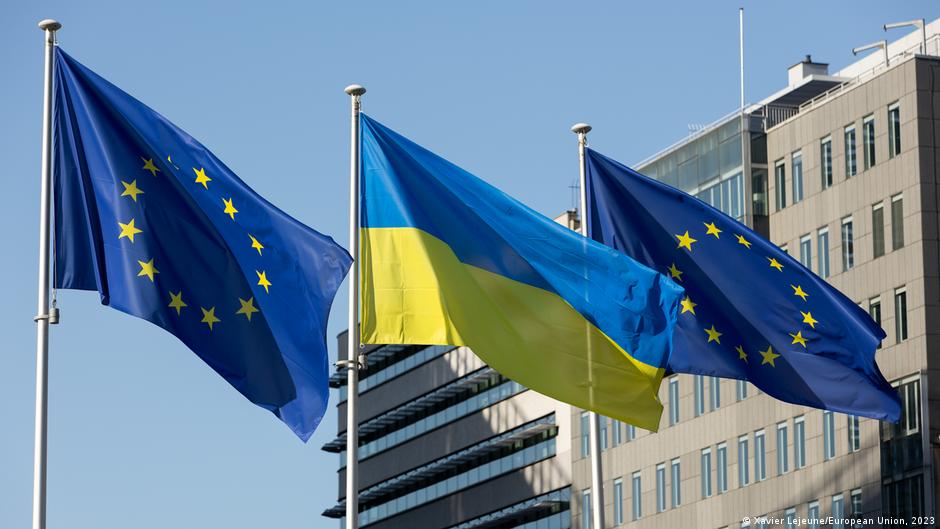
EU states agreed to open accession clusters for Ukraine and Moldova, advancing reforms tied to markets, budgets, consumer rules and investor confidence.

EU states agreed to open accession clusters for Ukraine and Moldova, advancing reforms tied to markets, budgets, consumer rules and investor confidence.

Palestinian elections were delayed to September 2027, extending political uncertainty with consequences for households, savings and investors.

Brazil’s runoff between Flavio Bolsonaro and Lula da Silva could affect inflation expectations, the real, savings and investor confidence.

Germany’s economy minister warned the Left Party’s Berlin win could weaken investor confidence and raise risks for households and savers.


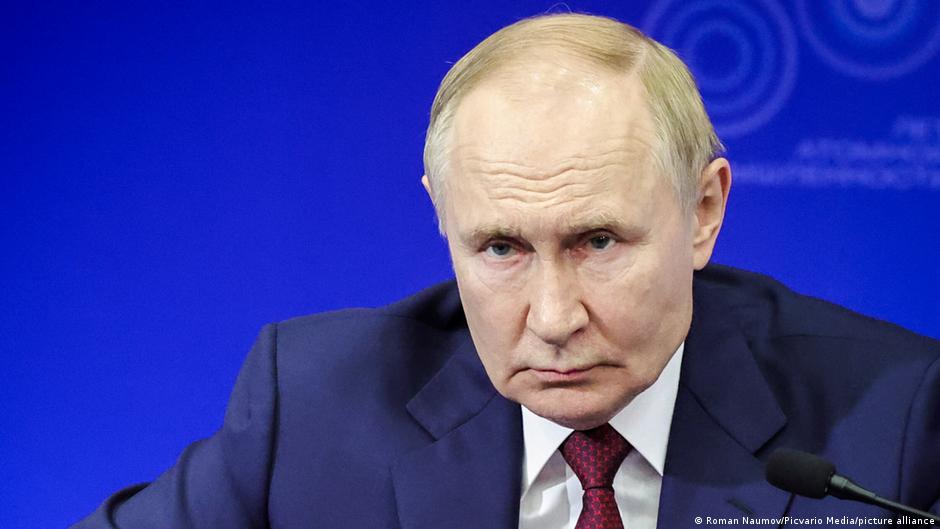
Putin’s latest Valdai remarks renewed nuclear warnings and war claims, adding another layer of uncertainty for household budgets and investors.

The EU refused to advance part of a €90 billion Ukraine loan, keeping pressure on 2027 funding plans and European budgets.

Germany’s Eurofighter deployment to Latvia highlights how Baltic security risks can affect budgets, savings and investor confidence.

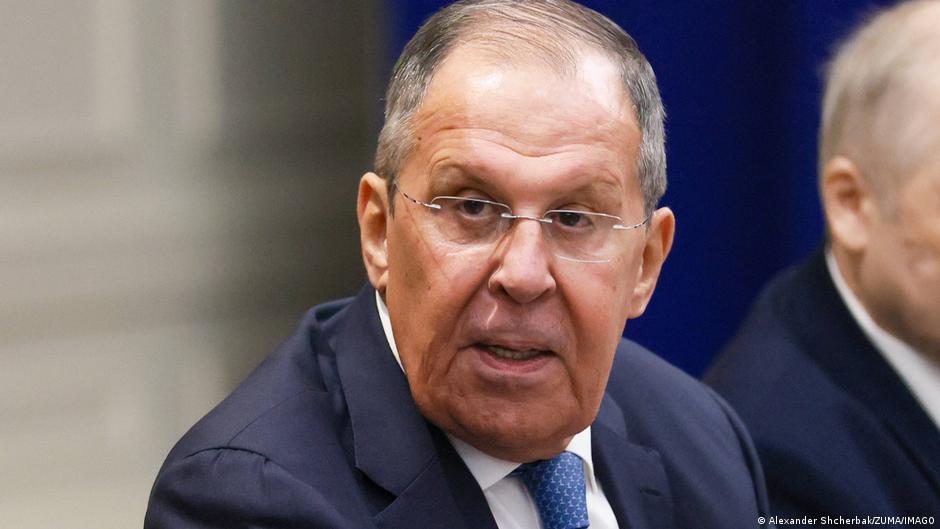
Lavrov ruled out a pause for Ukraine talks, keeping war-related uncertainty in focus for consumers, currencies and everyday investors.

German investigators are examining a suspected explosive substance found near drone wreckage by a Bundeswehr air base in Lower Saxony.

U.S.-Iran talks in New York may influence energy costs, currencies and investor confidence as households watch geopolitical risks.
A mass grave in Sri Lanka’s Chemmani area has yielded remains of 572 people, reopening wartime questions with deep household consequences.

Russian drone strikes hit Kyiv fuel stations, warehouses and Odesa infrastructure, killing at least two and raising household cost risks.

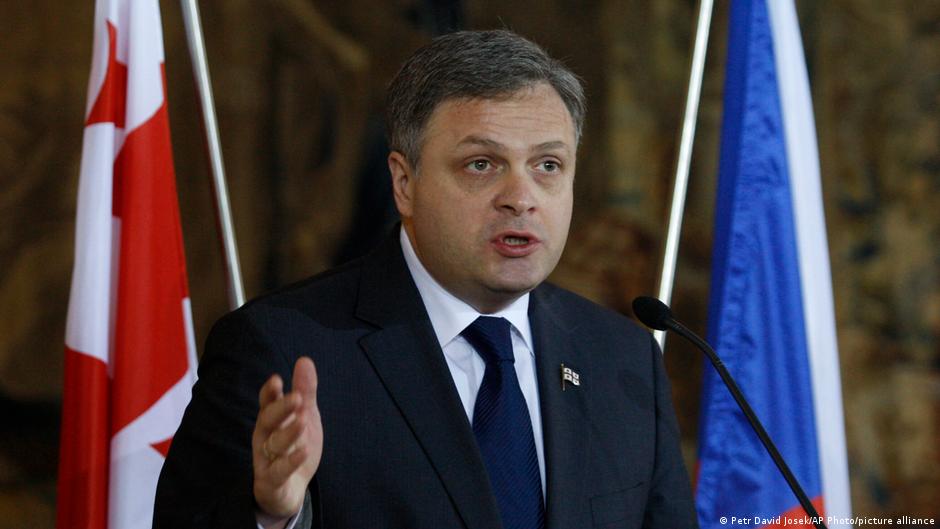
Georgia detained former defense chief Giorgi Baramidze in a treason case, adding political risk for households, savers and investors.

AfD’s Saxony-Anhalt win drew sharp reactions from Poland and France, adding political uncertainty for European savers, households and investors.

Latvia says a suspect in the Leipzig sabotage case had been living in Russia, as Germany tightens checks and sanctions enforcement with possible spillovers for travel and trade.

Putin said chances for peace exist, while Zelenskyy said U.S. envoys will visit Kyiv and Moscow, reviving focus on the war’s impact on budgets and markets.

Putin says Armenia’s EU accession push would effectively mean quitting the EAEU, raising questions for trade, prices and investor confidence.

Meta’s $18B settlement over child safety mandates new age-verification tech with privacy risks, impacting household digital habits and platform trust.

The U.S. has removed Syria from its terrorism sponsor list, opening new economic opportunities with potential impacts on currencies, investments, and household finances worldwide.

Sabotage at European defense factories risks supply chain disruptions that could raise consumer costs and disrupt savings amid ongoing geopolitical tensions.

Drone attacks on Ozon warehouses in Krasnodar and Stavropol disrupt operations, cause casualties, and threaten supply chains, impacting consumer access and costs.

Finland summons Russian ambassador after an Il-20 spy plane briefly entered its airspace, raising concerns that may impact regional economic stability and household finances.

Latvia has published a list of 170 firms still trading with Russia and Belarus despite the Ukraine war, affecting consumer choices and investor confidence.

Serbia plans early parliamentary elections in October 2023 amid protests and political uncertainty, raising concerns about impacts on household finances and investor confidence.

NATO responds to Iranian threats targeting European military sites, signaling potential impacts on household budgets, currency markets, and consumer prices amid rising tensions.

Former Ukrainian Defense Minister Mikhail Fedorov urges elections during wartime, highlighting key challenges impacting household finances and economic confidence.

Rising tensions in the Strait of Hormuz threaten oil supply stability, potentially driving up fuel costs and affecting household budgets and investments globally.

The US scales back joint military drills with South Korea, affecting defense budgets and potentially impacting household finances and currency stability in the region.

Ukraine sanctions 13 ships and 28 companies over illegal grain exports from Russian-occupied territories, aiming to protect agricultural revenues and stabilize commodity markets.

A massive fire at Wildberries’ largest warehouse in Voronezh disrupts supply chains, leading to product shortages, price rises, and strained household budgets across Russia.

Concerns over Ukraine’s potential to produce Patriot missiles raise questions about defense spending, supply chains, currency impacts, and investor risks affecting households globally.

Russian attacks in Ukraine’s Dnipropetrovsk and Kharkiv regions cause civilian casualties and damage to infrastructure, intensifying financial hardships for affected households.

Germany faces growing hybrid warfare threats, including drone attacks, impacting national security and posing risks to household budgets, savings, and investor confidence.

Ukrainian and Serbian presidents meet in Belgrade, focusing on economic and energy cooperation that may influence household budgets and consumer costs in both countries.

The August 1 explosion in a Moscow restaurant highlights severe personal and financial consequences for victims’ families, affecting household budgets and investor confidence.

Ukraine’s unlikely NATO membership shifts security alliances, impacting household budgets, currency stability, and the economic outlook for everyday investors.

Gulagu.net pauses amid legal and security pressures, highlighting risks to personal security, assets, and financial stability that impact Russian households and investors.

Venezuela’s government and opposition plan talks focusing on earthquake aid and elections, potentially affecting currency stability, household budgets, and investor confidence.

The surge of 60,000 migrants into Spain’s Ceuta enclave disrupts local economies, challenges household budgets, and raises currency and investment concerns across Europe.

Humo payment system’s net profit jumped 3.3 times to 411 billion UZS in H1 2026, reflecting strong revenue growth and rising operational costs impacting consumer finance.

Russia’s use of North Korean ballistic missiles in Ukraine raises global concerns over economic stability, affecting household budgets, currencies, and investor confidence worldwide.

Germany identifies 410 individuals linked to Islamist extremism, raising concerns about impacts on household finances, consumer confidence, and economic stability.

Germany’s transport minister resigns amid political tensions, raising concerns over infrastructure projects and economic effects on households and investors.

Ukraine warns Russia plans to expand military mobilization in 2026, including North Korean troops, raising economic risks for Russian households, savings, and currency stability.

Germany seeks to secure Ukraine’s advanced drone technologies through a government deal, impacting defense spending, currency stability, and investment opportunities.

Attacks on Wildberries warehouses in Russia and Crimea disrupt logistics, threatening consumer goods availability and impacting household budgets and local markets.

Eleven nights of US strikes on Iran disrupt key oil routes, pushing energy costs higher and affecting household budgets and investor confidence globally.

CIA director reveals Russian conscripts in Ukraine face 20-30 minute survival, driven by AI drone warfare impacting household finances and investor confidence.

US threats against the International Criminal Court spark concerns about global legal stability and economic impacts on currency markets, household budgets, and investors.

Darlin Graham Norton assumes her late brother Lindsey Graham’s Senate seat, preserving Republican control and influencing policies that affect household budgets and investor confidence.