Macron Pushes EU Social Media Ban for Under-15s, Raising Family Stakes
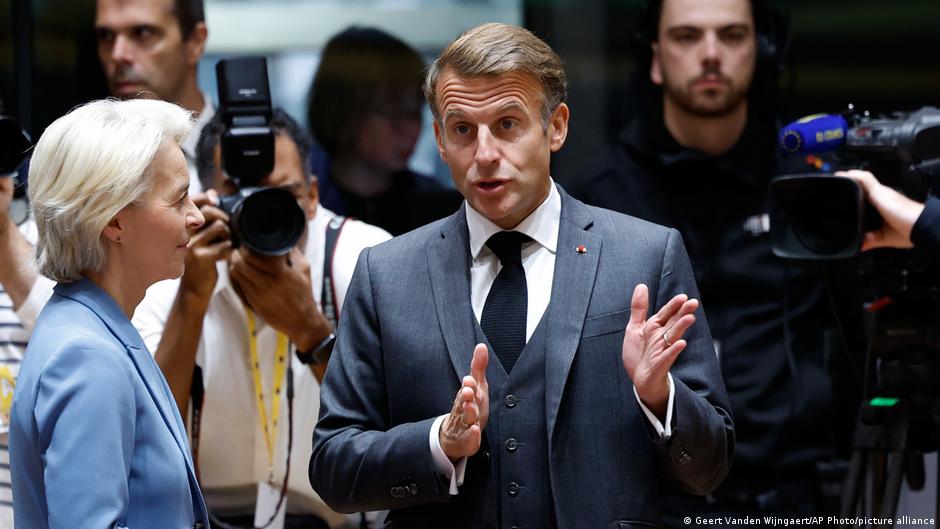
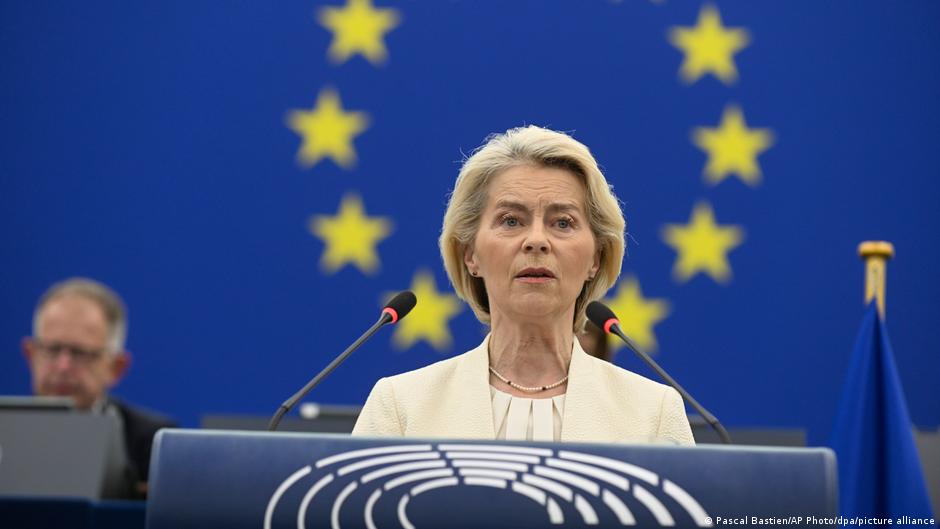
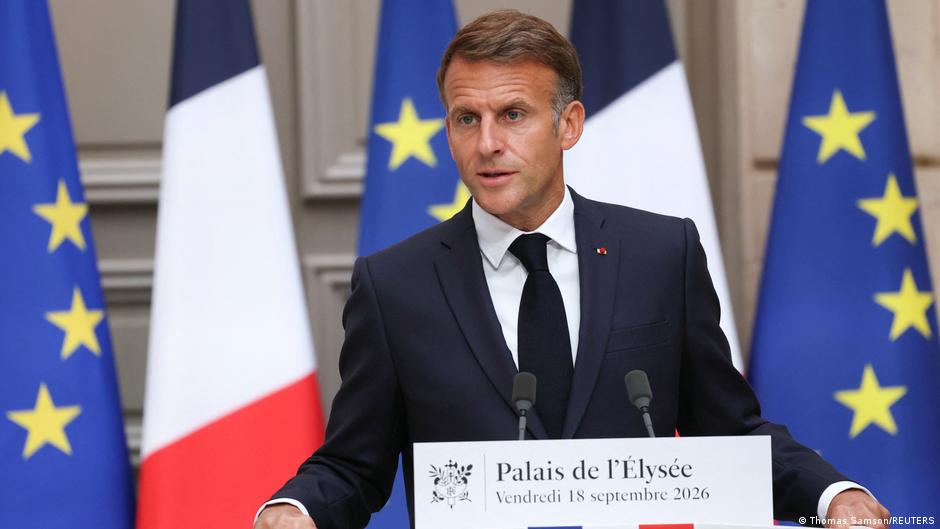
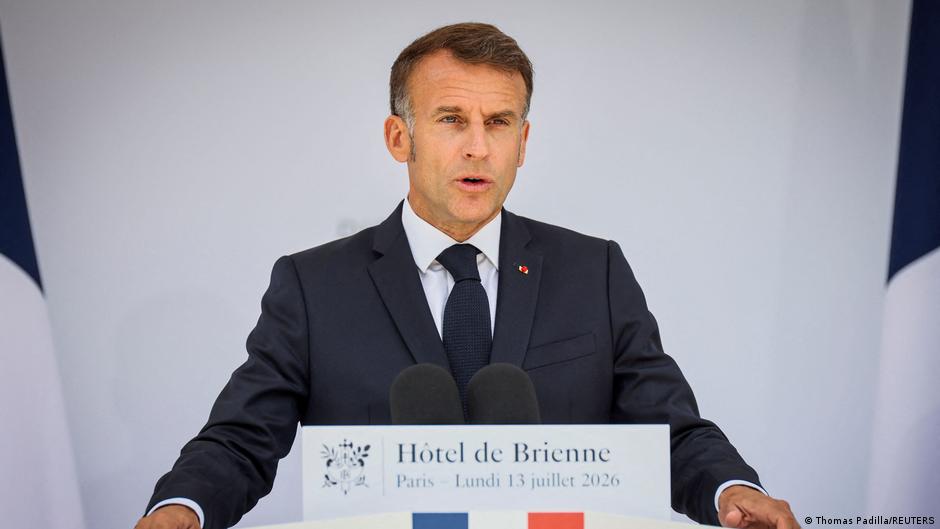
Macron is seeking an EU-wide under-15 social media ban, a move that could affect family tech spending, advertising exposure and platform investors.

Macron is seeking an EU-wide under-15 social media ban, a move that could affect family tech spending, advertising exposure and platform investors.

AfD’s Saxony-Anhalt win drew sharp reactions from Poland and France, adding political uncertainty for European savers, households and investors.


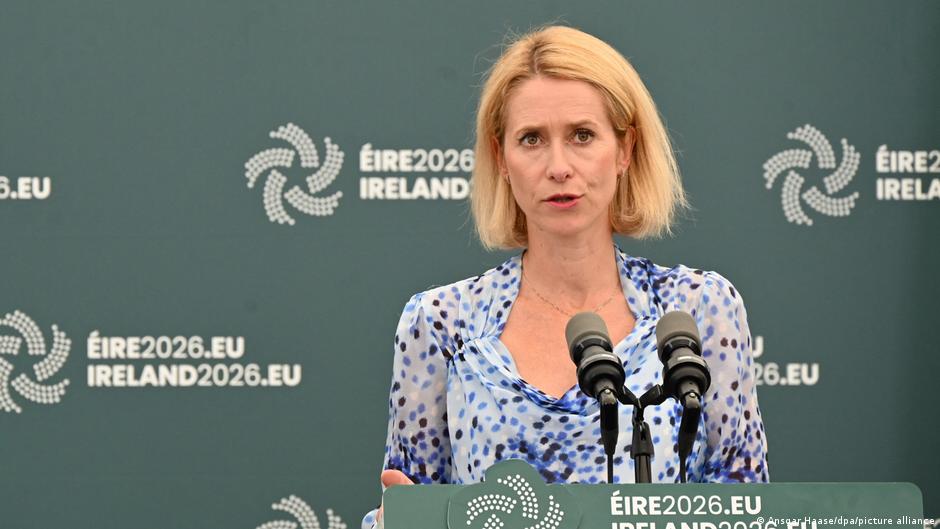
Kaja Kallas shelved an EU defense expert group after resistance from Germany and Italy, raising questions for budgets and investors.

Germany’s planned anti-sabotage shield could add new cost pressures across transport, energy, cybersecurity and household budgets.

Latvia says a suspect in the Leipzig sabotage case had been living in Russia, as Germany tightens checks and sanctions enforcement with possible spillovers for travel and trade.

Putin says Armenia’s EU accession push would effectively mean quitting the EAEU, raising questions for trade, prices and investor confidence.

Foreign investment in Germany rose to 86 billion euros in 2025, with British firms gaining ground as U.S. investment fell sharply.

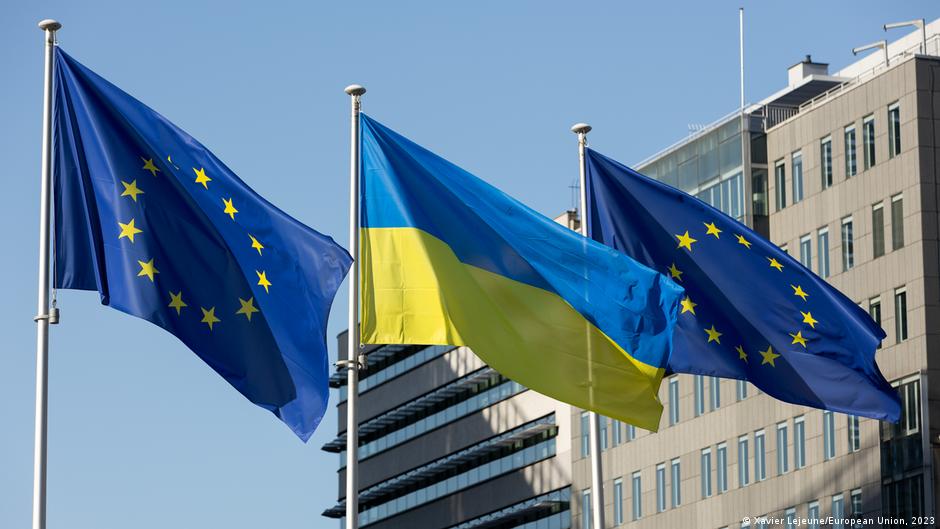
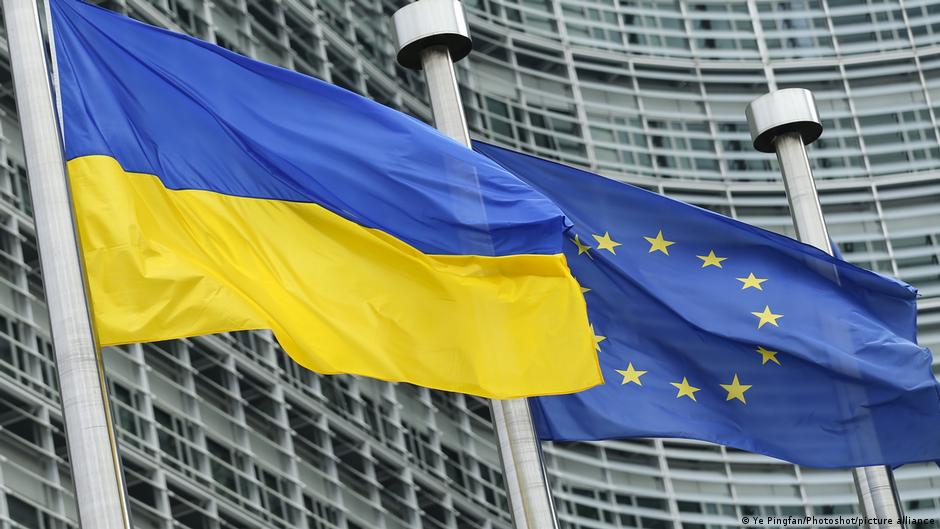
The EU pledges ongoing support to Ukraine amid conflict, maintaining sanctions on Russia that affect European household budgets, currency markets, and investors.

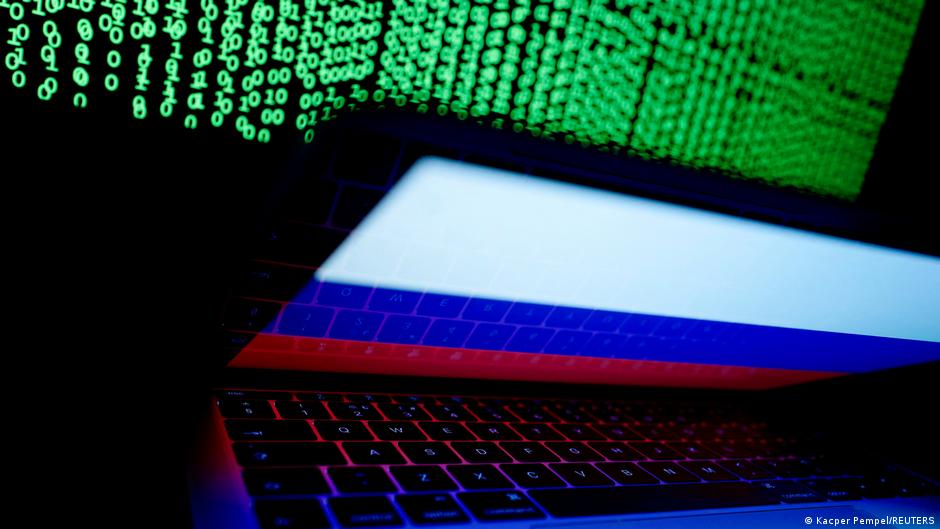
The Russian-linked hacker group Cl0p claims to have stolen data from nearly 50 global companies, raising concerns over consumer data security and financial risks.

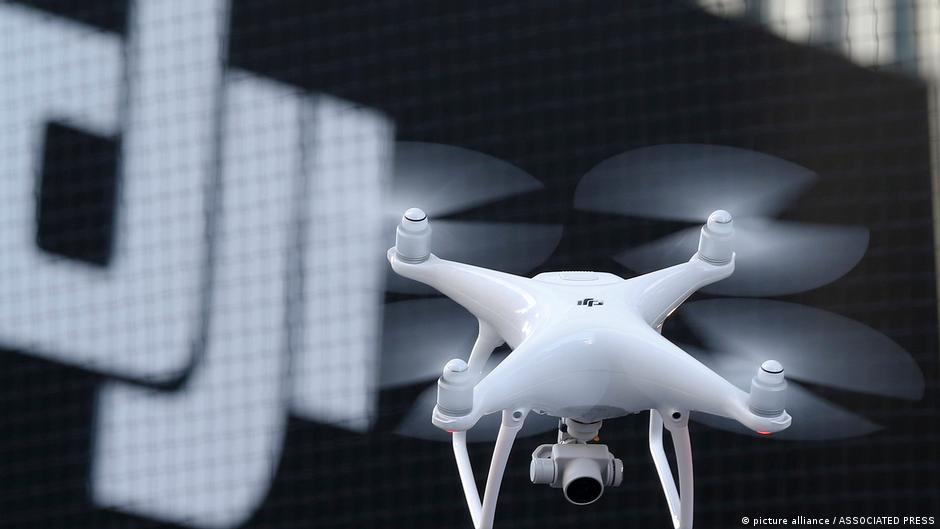
The US imposes tariffs up to 100% on imported drones and parts, affecting prices for consumers, investors, and businesses amid national security concerns.

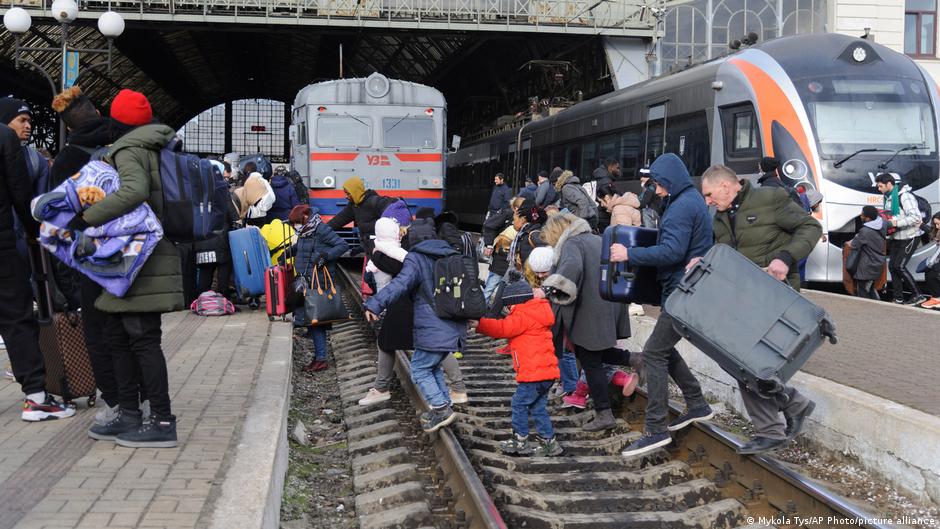
Over 8.4 million Ukrainians live abroad due to ongoing conflict, impacting household finances, savings, currency stability, and investment prospects within Ukraine.

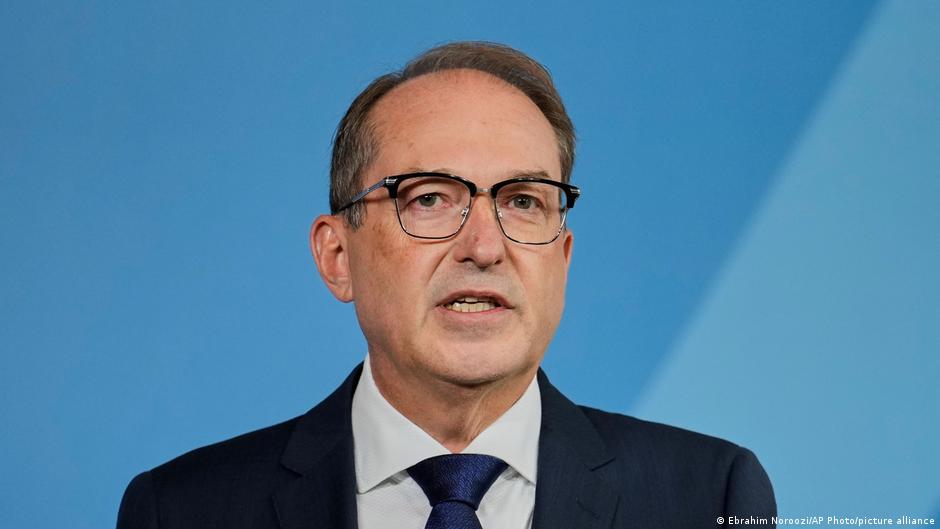
Germany’s transport minister resigns amid political tensions, raising concerns over infrastructure projects and economic effects on households and investors.

A Russian disinformation campaign ahead of German elections threatens public trust, potentially impacting household finances, savings, and investment confidence across Europe.

The EU protests Russian missile strikes damaging civilian and diplomatic sites in Ukraine, escalating regional tensions that affect European household budgets, inflation, and currency markets.
Montenegro will end visa-free travel for Russian and Belarusian citizens from November 1, 2026, raising travel costs and affecting household budgets and investments.

Russia’s July oil and gas revenues may rise 60% year-on-year due to higher global prices, affecting household budgets, currency stability, and consumer finances amid ongoing sanctions.

US lifts sanctions on Belarus-linked Bel-Kap-Steel amid prisoner releases, potentially easing economic pressure on households and stabilizing currency and investments.

The IMF approved a €604 million payment to Ukraine, supporting budget deficits and economic reforms amid war, with implications for household finances and currency stability.

Hungary’s veto on Ukraine’s EU accession negotiation clusters delays integration, risking currency volatility, inflation, and uncertainty for households and investors.

US threats against the International Criminal Court spark concerns about global legal stability and economic impacts on currency markets, household budgets, and investors.
Former Spanish PM’s remarks on the French World Cup team spark debate with implications for economic confidence and investor sentiment in Europe.

The EU recommends cutting €2 million in funding from the Venice Biennale over Russia's participation, raising questions about the use of taxpayer money amid geopolitical tensions.

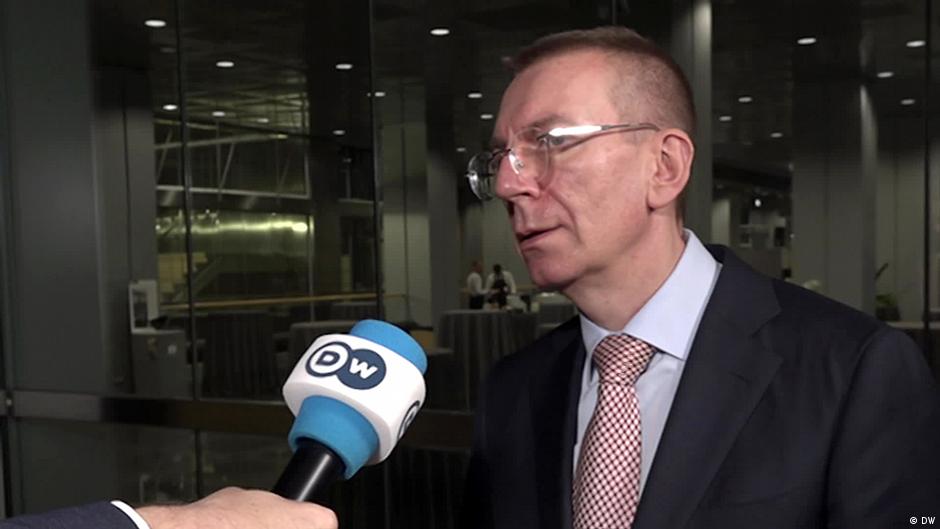
Latvian President warns NATO to prepare for conflict escalation with Russia, highlighting increased defense spending and its impact on European household budgets and savings.

Two brothers in Germany admitted to violating EU sanctions by exporting industrial parts to Russia, highlighting risks for businesses and impacts on consumer finances and markets.

France has tightened visa rules for Russian applicants, requiring in-person submissions and biometric data, increasing challenges for households planning travel to Europe.

The EU cuts duty-free steel imports by 47%, imposing 50% tariffs on excess, potentially raising prices for consumers and impacting household budgets and investors.

Poland deported 11 individuals accused of organizing Russia-funded protests among Ukrainian refugees, raising concerns over foreign influence and economic impact on households.

Yulia Navalnaya receives a European Prize for opposing Russia’s authoritarian regime, highlighting the broader economic and financial impacts on European households.

Polish opposition leader Jarosław Kaczyński calls to block Ukraine’s EU accession talks amid rising tensions that could affect consumer economies and household budgets.

Italy and France express concerns over the EU’s proposed entry ban on Russian combatants, warning of potential broader restrictions and economic impacts for households and investors.

Belgium granted one-day visas to five Taliban representatives for EU talks on Afghan deportations, highlighting migration policy impacts on households and financial stability.

Germany urges Turkey to exclude Russian gas from future EU contracts, affecting energy prices, household budgets, and currency markets amid evolving geopolitics.

Bulgaria plans to veto the EU's new sanctions on Russia, citing risks to fuel supply, metro parts, and fertilizer availability that could impact household budgets and inflation.

The EU has extended sanctions on Russia to one year, intensifying economic pressures that may raise energy costs and impact European household budgets and savings.

The EU's quiet talks with Russia may pave the way for peace, potentially easing inflation and market volatility that affect European households and investors.

The EU has started formal accession talks with Ukraine and Moldova, moving to detailed discussions that will affect economies, currencies, and household finances.

Joint military drills near the Suwalki Corridor may drive up defense spending, impacting household budgets, inflation, and local currencies in the Baltic region.

Germany commits an extra €300 million to Ukraine ammunition supplies, raising concerns about European fiscal pressures affecting household budgets and consumer finances.

Kosovo’s ruling party wins elections but must form a coalition amid political instability, impacting household budgets, currency stability, and consumer confidence.

Armenia’s parliamentary elections favor PM Pashinyan’s party, signaling potential economic shifts that may affect household expenses, savings, and currency stability amid geopolitical tensions.

Finland has confiscated €3.7 million in Russian assets following a legal claim by Ukraine's Naftogaz, highlighting geopolitical risks impacting currencies and investors.

Rheinmetall’s €5.7B arms deal with Romania, funded by the EU’s SAFE program, highlights defense spending’s broader impact on household budgets, currencies, and investors.

The EU plans to limit US tech giants' access to government cloud contracts, aiming to enhance data sovereignty but potentially raising costs for consumers and businesses.

Putin warns Armenia of tariff hikes and work restrictions if it leaves the Eurasian Economic Union, threatening household budgets and economic ties.

The EU postpones appointing a negotiator with Russia, focusing on sanction strategies that impact European households' finances and market stability.

Russia’s threat to suspend duty-free gas and fuel exports to Armenia could drive up household energy costs and disrupt consumer markets amid Armenia’s EU integration efforts.

European leaders and Ukraine's Zelensky renew peace talks as the war's economic toll grows, affecting household budgets, savings, currencies, and everyday investors.

Hungary reinstates its ban on Ukrainian agricultural imports, impacting local food prices, household budgets, and regional trade dynamics amid EU tariff changes.

The EU-Mexico trade deal removes tariffs and trade barriers, potentially lowering consumer prices and opening new investment opportunities for households and everyday investors.

Western condemnation of Israel’s treatment of Palestinian activists highlights risks to currency stability and household finances amid rising geopolitical tensions.