Russian-Linked Hackers Claim Data Breach of Nearly 50 Global Companies Including Philips and Shell
Cyberattack by Russian-affiliated group Cl0p threatens corporate data security and raises concerns for consumer financial safety worldwide.
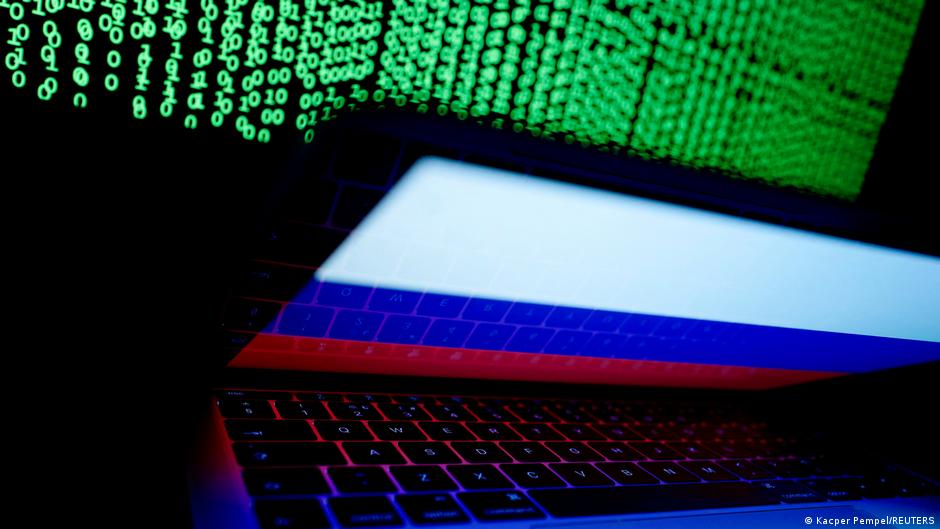
The hacker group Cl0p, widely reported to be linked with Russia, has announced a massive data breach affecting nearly 50 companies worldwide, including industry giants Philips, Shell, Fiserv, and General Electric. This cyberattack highlights growing risks to corporate and consumer data security, with potential repercussions for household finances and everyday investors.
Impact on Corporations and Consumer Data Security
Cl0p employs software vulnerabilities to launch simultaneous attacks on multiple targets, aiming to steal large volumes of sensitive information. According to reports on the night of August 14, companies spanning various sectors and countries have been impacted, causing widespread concern about the security of both corporate and client data.
Philips acknowledged detecting and containing a cyber threat targeting a specific corporate server associated with internal data. The company emphasized that client environments were not compromised, aiming to reassure customers about their personal data safety. Similarly, Fiserv, a major fintech firm, stated that despite being aware of the hacker claims, thorough analysis has found no evidence of client data, bank accounts, transactions, or personal information being compromised or operational disruption occurring.
“Comprehensive analysis found no evidence of compromise to client data or operational environment,” noted a Fiserv representative.
Independent verification of the hackers’ claims about the type and extent of stolen data remains unavailable, as Cl0p did not respond to media requests for comment. Nonetheless, the incident underscores the vulnerability of global digital infrastructure and raises alarms for consumer financial security.
Broader Context: Russian-Linked Cyber Threats and Consumer Implications
Recent months have seen multiple reports of cyberattacks linked to Russian-speaking hacking groups, often believed to have Kremlin affiliations. In March, Dutch intelligence revealed Russian cybercriminals targeted messaging platforms Signal and WhatsApp, possibly accessing sensitive data belonging to officials, military personnel, and journalists. In April, German and US agencies warned of router hacks in government institutions worldwide by Fancy Bear, a group connected to Russia’s military intelligence.
More recently, on July 5, British media reported Russian hackers had breached the email accounts of UK government officials and critical infrastructure staff, with stolen information being sold on the dark web. In response, the European Union and United Kingdom implemented sanctions against Russia’s FSB hackers in July, aiming to curb these cyber threats.
For households and individual investors, such large-scale cyber breaches signal increased risks regarding the security of personal financial data and savings. While direct impacts on consumer bank accounts or transactions have not been confirmed in this instance, the potential for data theft or manipulation threatens confidence in digital financial services and calls for heightened vigilance regarding cybersecurity practices.
Financial advisors recommend consumers regularly monitor their bank statements and credit reports, use strong and unique passwords, enable multi-factor authentication, and stay informed about cybersecurity updates from financial institutions to mitigate risks.
Conclusion
The Cl0p cyberattack serves as a stark reminder that cyber threats linked to state-affiliated groups remain a persistent global challenge. While companies affected seek to contain damage and protect clients, consumers must remain proactive in safeguarding their financial data amid an increasingly complex cyber threat landscape.