UK, Dutch Ukraine Aid Packages Put Billions in Public Funds to Work

Britain and the Netherlands unveiled new Ukraine aid, combining military support with loans, guarantees and reconstruction funding that may affect taxpayers and businesses.

Britain and the Netherlands unveiled new Ukraine aid, combining military support with loans, guarantees and reconstruction funding that may affect taxpayers and businesses.

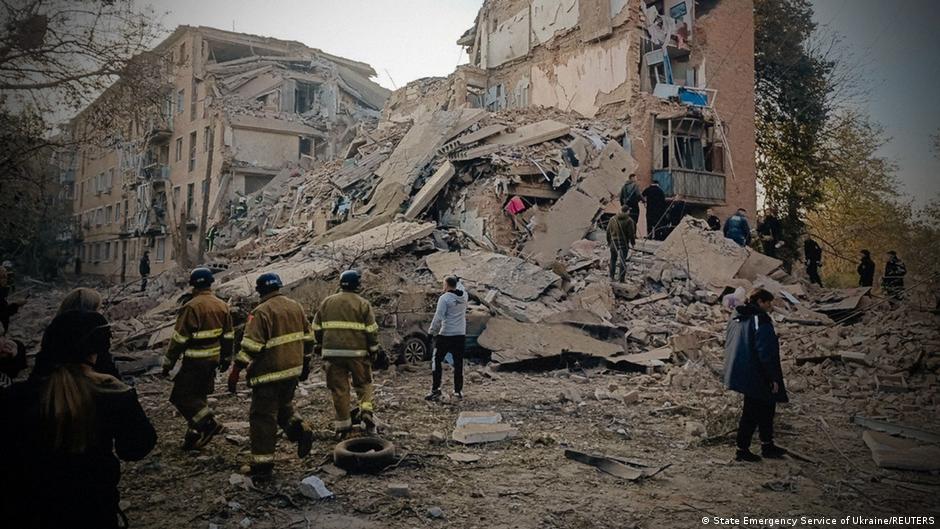
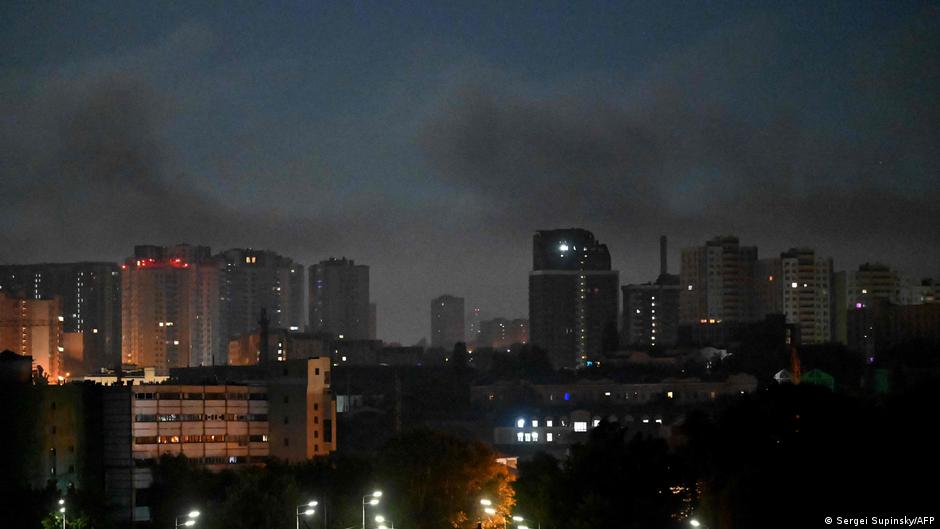
A Russian missile strike killed a 21-year-old woman and damaged buildings and metro tracks in Kyiv, creating fresh costs for households and commuters.

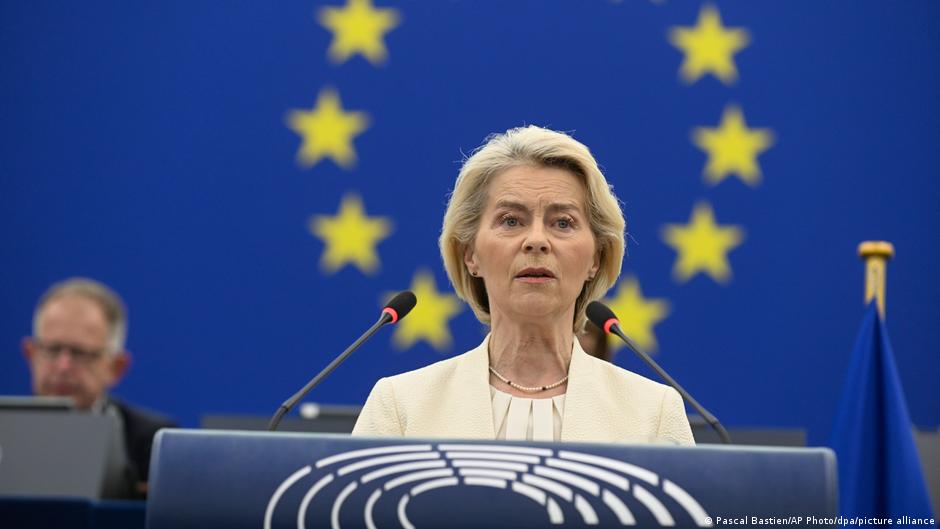
The EU plans new funding for Ukraine’s drone and missile purchases as leaders weigh broader financing needs and budget pressures.

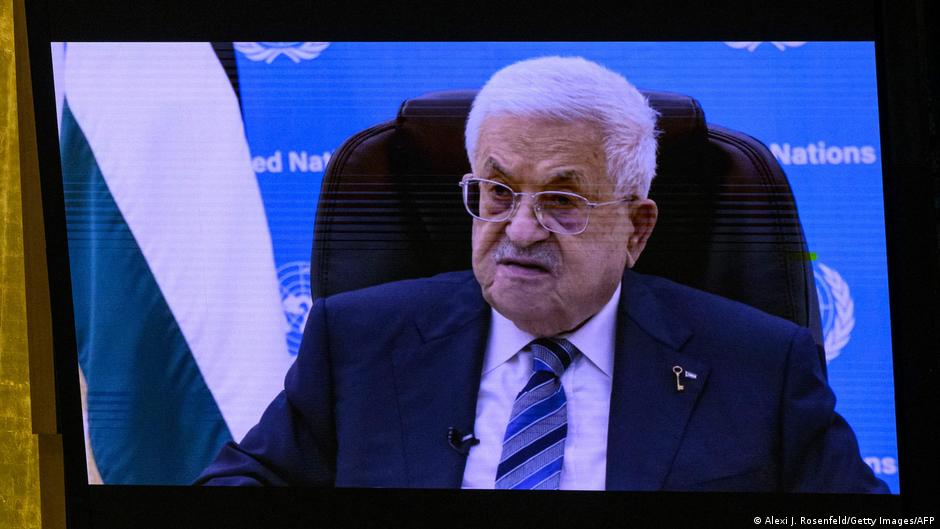
Palestinian elections were delayed to September 2027, extending political uncertainty with consequences for households, savings and investors.

Ukraine will discuss a new war-ending plan with Trump envoys as households and investors watch the budget, currency and market risks.

Ukraine says 28 people were killed in a Russian missile and drone attack, renewing focus on household costs, sanctions, oil revenue and investor risk.

The EU refused to advance part of a €90 billion Ukraine loan, keeping pressure on 2027 funding plans and European budgets.

Russian strikes damaged homes, businesses and energy sites in Ukraine, triggering power limits that could raise costs for households and firms.

The EU’s new €710 million aid package targets crises abroad, with indirect implications for public budgets, currencies and household finances.

Russian drone attacks killed at least three civilians in Zaporizhzhia and hit Odesa infrastructure, adding pressure on household finances.

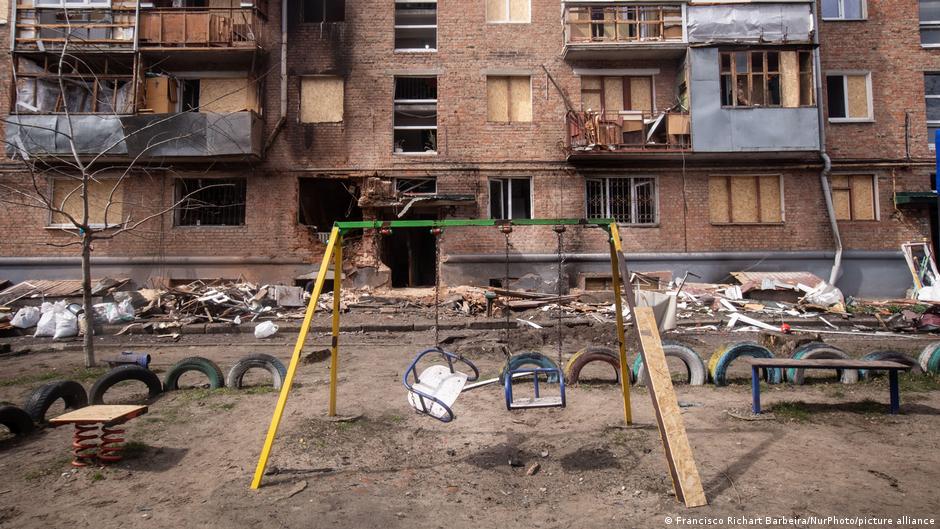
Russian strikes killed four people and damaged homes, a hospital site, an administrative building and warehouses, adding pressure on Ukrainian households.

Russian attacks wounded civilians, including children, and damaged homes, offices, warehouses and cars in Kyiv, Odesa and Sumy.

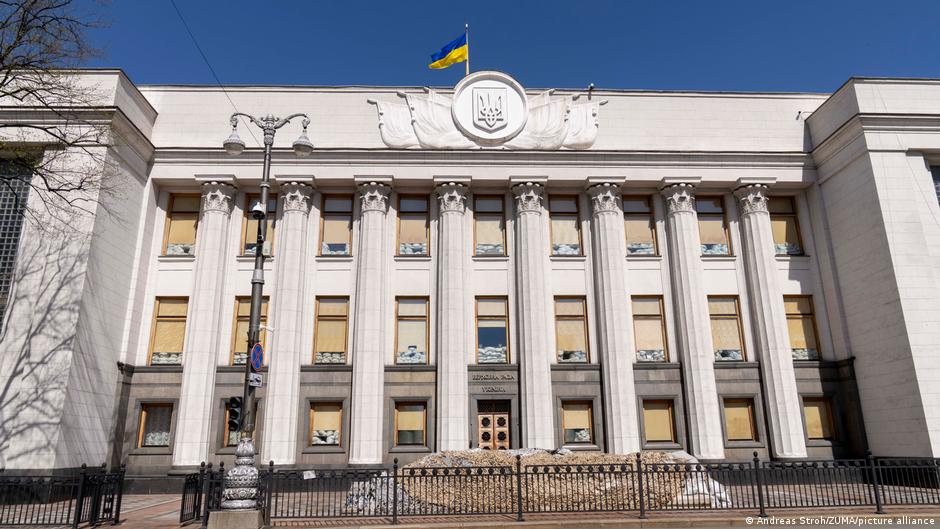
Ukraine’s parliament will review unpopular budget bills tied to billions in Western aid, with consequences for defense pay, families and savings.

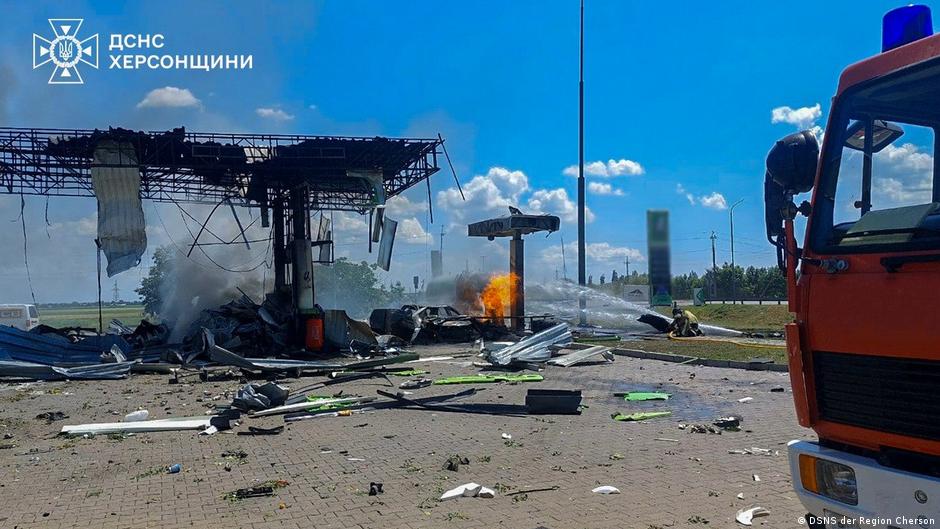
Russian drone strikes hit Kyiv fuel stations, warehouses and Odesa infrastructure, killing at least two and raising household cost risks.

Canada is negotiating to join the EU’s €90 billion Ukraine loan, a move with implications for taxpayers, currency risk and investors.

Critical damage at Zaporizhstal raises risks for jobs, taxes, steel supply and household finances after a third Russian missile strike in a month.

Russian attacks damaged homes, warehouses, a Nova Poshta branch and power infrastructure, adding pressure to Ukrainian household budgets.

Germany’s foreign minister says aid to Ukraine should also benefit German defense firms, citing the need to justify spending to taxpayers.

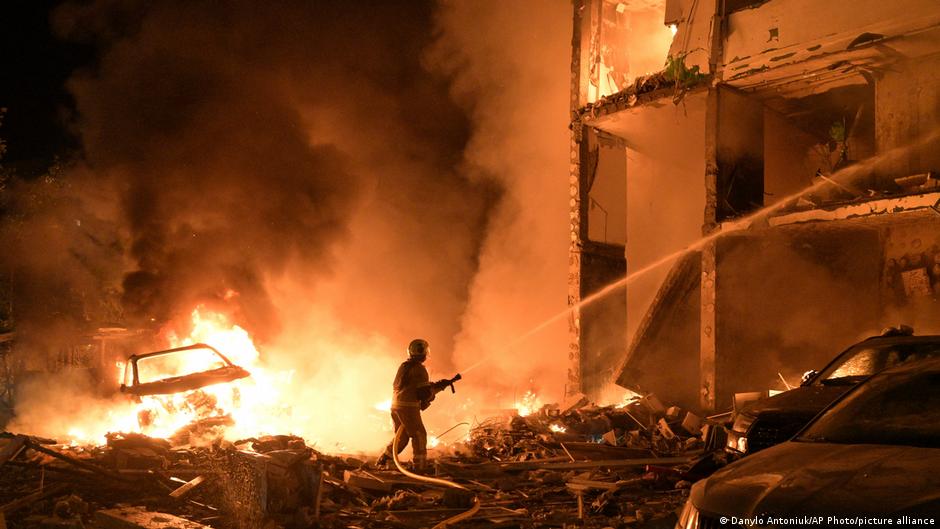
Russian strikes on Kyiv damaged homes, cars, garages and businesses, raising fresh financial pressure for households and local firms.

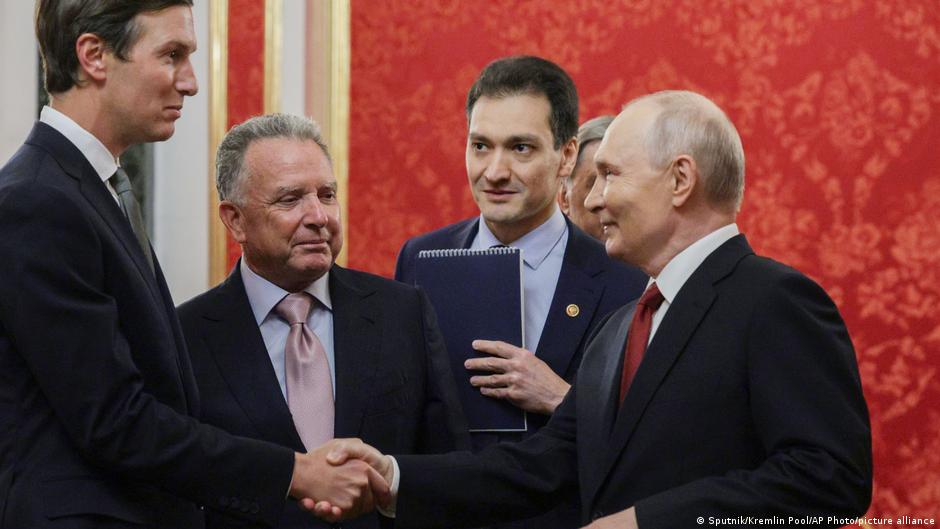
U.S. envoys discussed Ukraine peace plans with Putin before Kyiv talks, a development that could affect household costs, currencies and investors.

The EU pledges ongoing support to Ukraine amid conflict, maintaining sanctions on Russia that affect European household budgets, currency markets, and investors.

The US Supreme Court permits President Trump to continue White House renovations, including a ballroom and bunker, with potential impacts on government spending and household finances.

The US-declared Hamas disarmament deal signals potential easing of Middle East tensions, likely impacting global currencies, commodity prices, and investment markets.

Russian missile and drone strikes in Ukraine cause tragic losses and property damage, threatening household budgets, local currency stability, and everyday investors’ financial security.

The US is negotiating to restore an Iraq-Syria oil pipeline to bypass the Strait of Hormuz, aiming to stabilize energy supplies and ease global household energy costs.

Russian drone strikes in Kharkiv damaged homes and a food industry plant, impacting local households and raising economic concerns for Ukraine’s civilians.

Removal of US sanctions on Syria may affect investments, currency stability, and household budgets as the country reintegrates into the global economy.

Russian missile attacks on Kyiv and Kharkiv inflicted property damage and injuries, raising concerns over their impact on household finances and local economies.

Missile and drone strikes in Sumy and Zaporizhzhia have caused casualties and damage, threatening household finances and local economic stability amid ongoing conflict.

Missile and drone attacks on Kyiv have caused deaths and widespread damage, intensifying financial pressures on households through repair costs, healthcare expenses, and economic disruption.

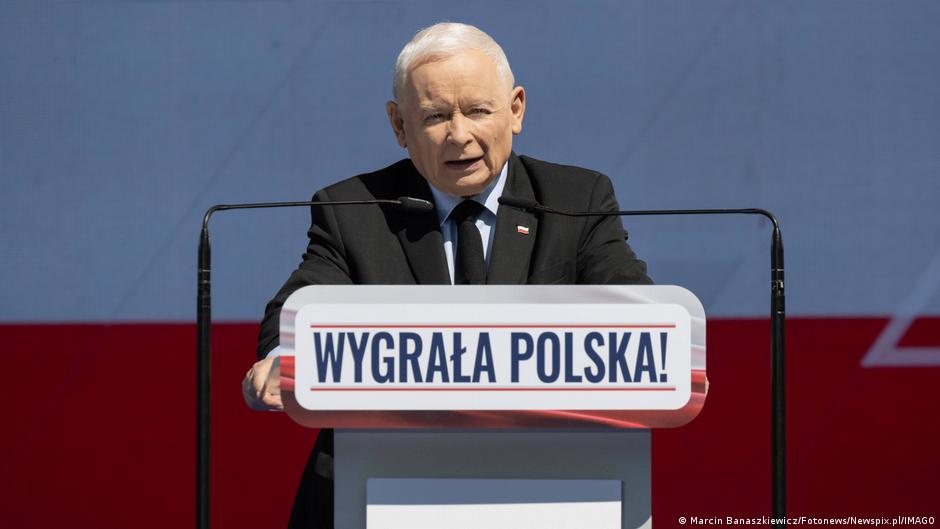
Polish opposition leader Jarosław Kaczyński calls to block Ukraine’s EU accession talks amid rising tensions that could affect consumer economies and household budgets.

The US Senate voted to end military actions against Iran, signaling shifts that may ease economic pressures on households and investors amid ongoing peace talks.

The US has ended its blockade of the Strait of Hormuz, allowing increased oil shipments that could stabilize fuel prices and ease household budget pressures worldwide.

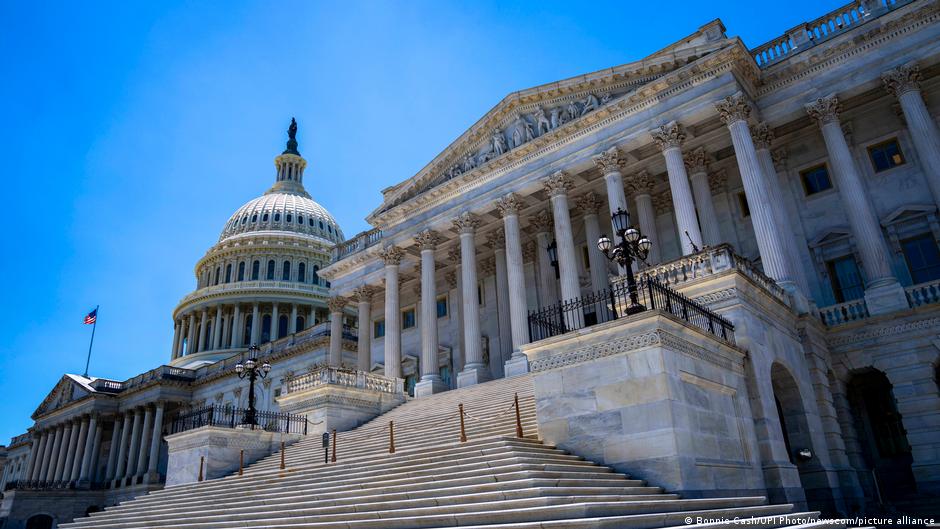
The US House approved sanctions on Russia and aid to Ukraine, with potential impacts on household budgets, currencies, and investment markets worldwide.

Russia's military cooperation with the Taliban could influence global arms flow and economic stability, impacting household budgets and investment markets worldwide.

Russian strikes destroyed 40% of Kyiv's Chernobyl Museum exhibits, damaging cultural heritage and deepening financial challenges for Ukrainian households and investors.

Russian missile and drone strikes on Ukrainian regions are damaging homes and infrastructure, threatening household finances and local economies amid ongoing conflict.

Ukraine’s recent military gains against Russia signal regional shifts affecting currency stability, energy prices, and household budgets amid ongoing conflict.

Iran's new vessel declaration rules for the Strait of Hormuz may increase shipping costs, impacting global fuel prices and household budgets worldwide.

Uzbekistan speeds up Asakabank privatization, affecting household savings, investments, and currency stability with asset transfers and financial restructuring.