US Supreme Court Allows Trump to Continue White House Ballroom and Bunker Construction
The ruling permits President Trump to proceed with White House renovations, impacting government spending and security infrastructure.
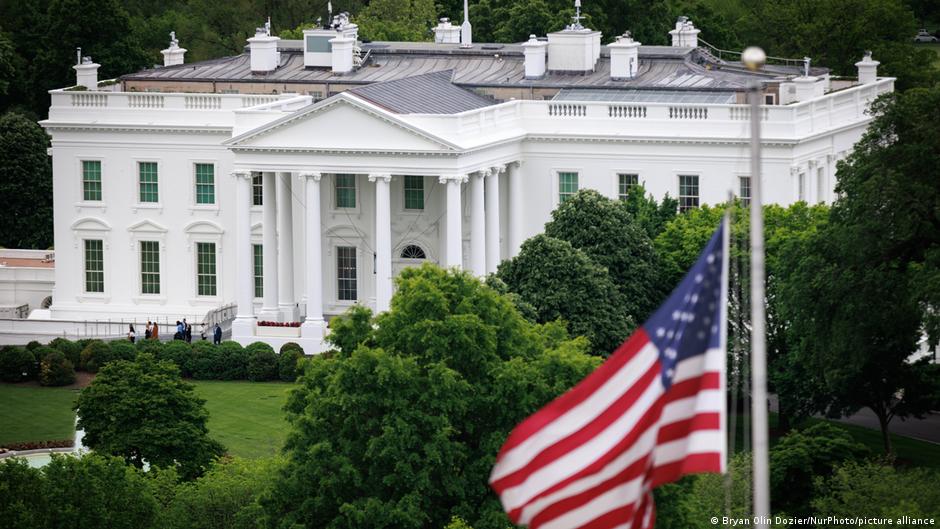
The US Supreme Court has temporarily permitted President Donald Trump to continue the extensive reconstruction of the White House, including the construction of a new ballroom and a military bunker. This decision came after lower courts had ordered a halt to the project, citing limitations on presidential authority over significant alterations to the historic residence.
Implications for Household Budgets and Public Spending
The Federal Appeals Court in Washington had previously blocked the renovation, arguing that the current administration does not possess "unlimited powers" to redesign and reconstruct the White House according to the president’s personal preferences. This case highlights the tension between executive ambitions and fiscal oversight.
While this development is primarily a matter of national governance and historical preservation, it indirectly affects American taxpayers and household budgets. Large-scale government projects, especially those involving the executive branch's residence, are funded by public money. Such expenditures can contribute to broader budgetary allocations and potentially influence government debt levels, which in turn can have ripple effects on the national economy and currency stability.
Donald Trump has defended the project, emphasizing the ballroom and bunker complex as "the greatest structure of its kind," essential for national security. The project, initiated without Congressional approval last year, involved demolishing the historic East Wing to make space for the new facilities.
"This complex, consisting of a ballroom and military bunker, is vital for national security," stated President Trump.
For everyday investors and consumers, government spending on large infrastructure projects can impact monetary policy and fiscal priorities. Increased expenditure might lead to inflationary pressures, influencing the purchasing power of households and savings. Moreover, any shifts in government borrowing to fund such projects can affect interest rates, which are critical for mortgage holders and those with variable-rate loans.
Trump’s renovation ambitions extend beyond the White House ballroom and bunker. According to reports, the president aims to reshape parts of Washington, D.C., including reconstructing the Reflecting Pool area with a 76-meter triumphal arch. This arch would be nearly three times the height of the Brandenburg Gate in Berlin. These grand projects underline the administration's focus on monumental infrastructure, which may carry long-term financial implications for government budgets.
Consumers should stay aware of how such high-profile government spending initiatives might indirectly influence economic conditions, currency strength, and interest rates, all of which play a role in personal finance management.