Russian Strikes on Ukrainian Cities May Strain Household Budgets and Local Economies
Recent missile and drone attacks in several Ukrainian regions risk disrupting everyday life and increasing financial uncertainty for families and investors.
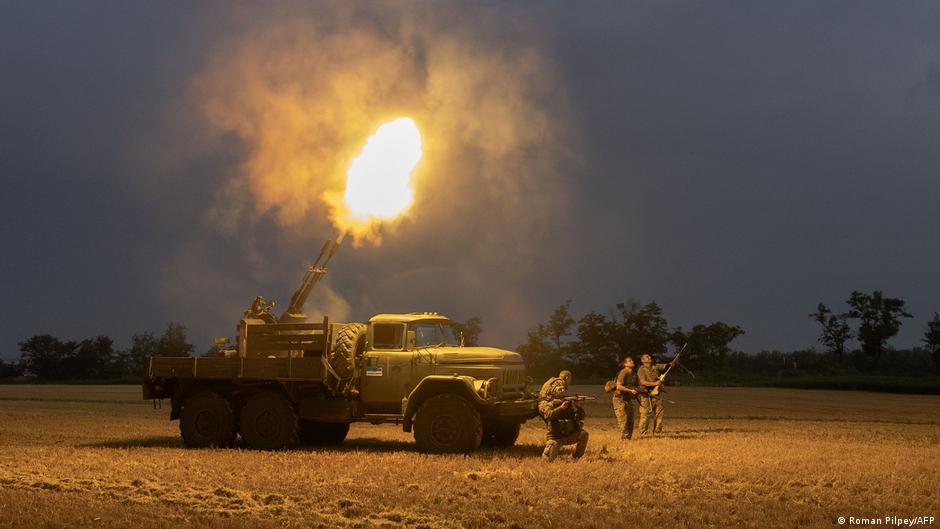
On the night of May 17, Russian military forces launched a series of missile and drone strikes targeting multiple Ukrainian regions, including Kharkiv, Zaporizhzhia, Dnipropetrovsk, and Odesa. These attacks, which hit residential areas and critical infrastructure, not only threaten lives but also pose significant risks to household budgets, local economies, and the financial stability of everyday consumers and investors in the affected areas.
Impact on Household Budgets and Local Economies
In Kharkiv, drones struck several districts, damaging windows in multi-story residential buildings and destroying over ten vehicles. Although no casualties were reported so far, the damage to property means families face unexpected repair costs, which can strain already tight household budgets. Disrupted transportation and damaged vehicles further complicate daily logistics for workers and consumers.
Zaporizhzhia experienced a direct hit on a gas station, which was completely destroyed by fire, injuring a 25-year-old woman. The destruction of such essential fuel infrastructure can lead to localized fuel shortages and price hikes, impacting transportation costs for individuals and businesses alike. This can have a cascading effect on prices of goods and services, increasing the cost of living in the region.
In Dnipropetrovsk, a private house was burned down in the strikes, and a 70-year-old woman was wounded. Property loss and injury not only deepen personal financial stress but also reduce community wealth and consumer spending power. Reconstruction demands can divert savings and local government resources, reducing funds available for social services and economic development.
“The damage to residential areas and infrastructure from these strikes will create ripple effects, increasing financial uncertainty for families and complicating recovery efforts,” an economic analyst noted.
Furthermore, warnings of drone activity over Poltava and Sumy regions, though as yet unaccompanied by confirmed damage, contribute to a climate of uncertainty. This can undermine consumer confidence and deter everyday investors from engaging with local markets, potentially weakening currency stability and investment flows.
Odesa authorities also reported air raid alerts during the night. Recurrent alerts and attacks can disrupt business operations, reduce workforce efficiency, and elevate stress levels among residents, all factors that negatively influence economic productivity.
For everyday investors and savers, these developments highlight the importance of assessing geopolitical risks in their portfolios. Local currencies and asset values in conflict zones often face volatility, emphasizing the need for diversification and risk management strategies.
As the situation evolves, households and businesses in Ukraine must navigate not only physical rebuilding but also financial resilience in the face of ongoing conflict-related uncertainty.