US Strikes on Iran Raise Oil Price Risks, Impacting Household Budgets and Savings
US strikes on Iran near the Strait of Hormuz raise the risk of higher oil prices, impacting household budgets, savings, and currency stability worldwide.

US strikes on Iran near the Strait of Hormuz raise the risk of higher oil prices, impacting household budgets, savings, and currency stability worldwide.

Germany commits an extra €300 million to Ukraine ammunition supplies, raising concerns about European fiscal pressures affecting household budgets and consumer finances.

US Congress approved $70 billion for immigration enforcement, raising concerns about effects on household budgets, currency, and consumer finances.

President Zelensky's positive talks with US envoys highlight ongoing efforts to end the Ukraine war, affecting household budgets and financial markets worldwide.

A US federal judge canceled the Trump administration's $100,000 fee on H-1B visas, reducing financial pressure on tech firms and skilled foreign workers.

Ukraine demands a ban on Russian military participation in UN missions over sexual violence allegations, escalating geopolitical tensions with economic implications for households and investors.

Armenia’s parliamentary elections favor PM Pashinyan’s party, signaling potential economic shifts that may affect household expenses, savings, and currency stability amid geopolitical tensions.

The Israel-Iran conflict is affecting global markets, household budgets, and investments by driving volatility in currencies and energy costs, impacting consumers worldwide.

US Treasury extends deadline for Hungarian MOL to finalize deal acquiring majority stake in Serbia’s Naftna Industrija Srbije amid sanctions on Gazprom.

Repeated drone strikes over Kyiv disrupt daily life and threaten household finances, with impacts on incomes, savings, and currency stability amid ongoing conflict.

A Russian military strike in Zaporizhzhia caused a power outage, disrupting daily life and increasing household expenses amid warnings of further attacks.

Ukraine apologized to Greece after an explosive naval drone was found near Lefkada, highlighting risks to regional maritime safety and energy supply chains impacting household budgets.

Georgia arrests Russian woman on FBI request for sanctions evasion, highlighting risks to international trade, currency stability, and household finances.

US-Iran drone strikes near the Strait of Hormuz threaten energy supply routes, potentially driving up global oil prices and impacting household budgets worldwide.

Recent drone strikes on Ukrainian cities Zaporizhzhia and Konotop cause civilian casualties, damage infrastructure, and strain household budgets and local economies.

The US House approved sanctions on Russia and aid to Ukraine, with potential impacts on household budgets, currencies, and investment markets worldwide.

The US House limits Trump's Iran war powers, signaling shifts that could ease energy price pressures and affect currency markets, impacting household budgets and investors.

Russia may face decades of conflict, impacting household budgets, savings, currency stability, and daily life due to economic shifts and infrastructure disruptions.

A US-mediated ceasefire between Israel and Lebanon aims to reduce conflict-driven economic strain on households, currencies, and investors in the region.

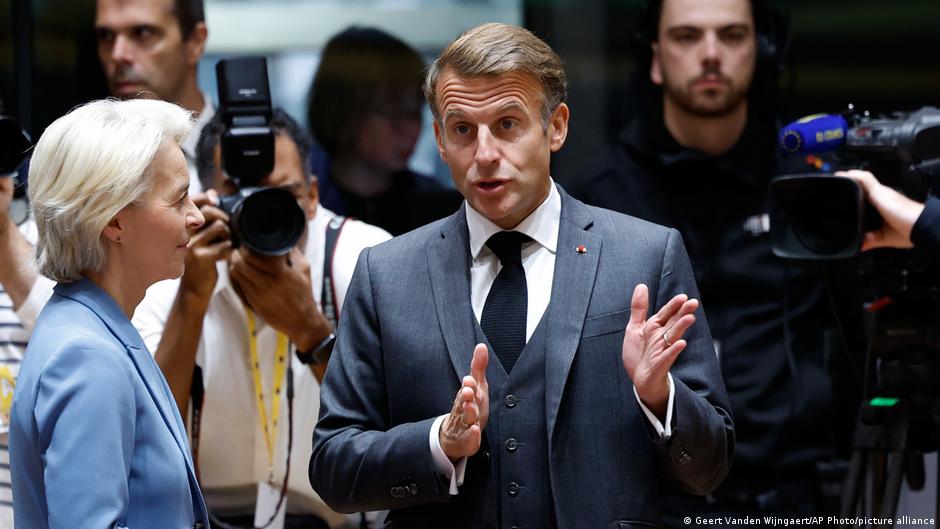
Rheinmetall’s €5.7B arms deal with Romania, funded by the EU’s SAFE program, highlights defense spending’s broader impact on household budgets, currencies, and investors.

The EU plans to limit US tech giants' access to government cloud contracts, aiming to enhance data sovereignty but potentially raising costs for consumers and businesses.

Escalating conflict in the Middle East threatens currency stability and market confidence, affecting household budgets and everyday investors worldwide.

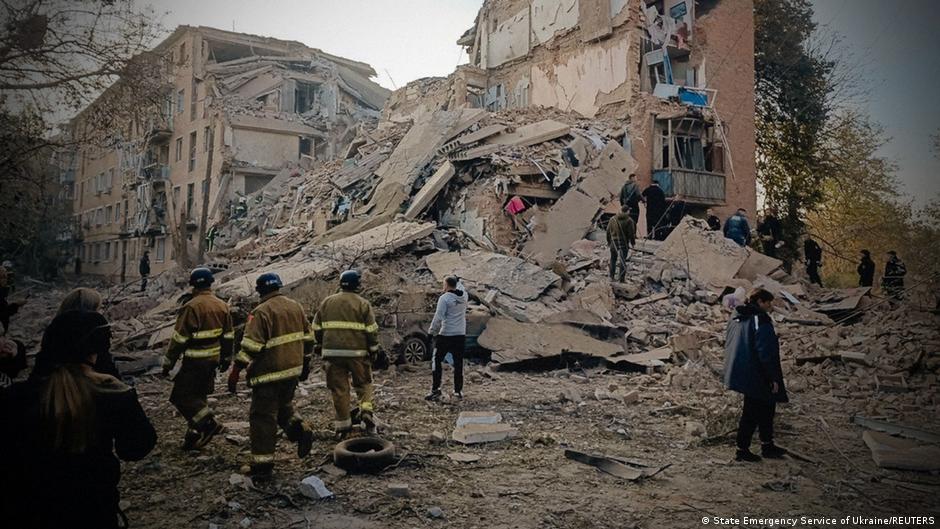
Russian missile strikes on Ukrainian cities cause casualties and infrastructure damage, impacting household budgets and financial stability amid ongoing conflict.

The UN faces a financial crisis as major donors like the US and China delay payments, forcing cuts to vital programs and raising concerns for global aid and economic stability.

The US has secretly aided about 70 commercial ships through the Iran-blocked Strait of Hormuz, easing supply chain pressures and influencing consumer costs worldwide.

The US missile strike on a ship bound for Iran disrupts trade in the Strait of Hormuz, risking higher oil prices and impacting household budgets and savings globally.

Belgorod authorities have resumed mobile internet and street lighting after months of disruptions caused by military attacks, easing daily challenges for residents managing finances and safety.

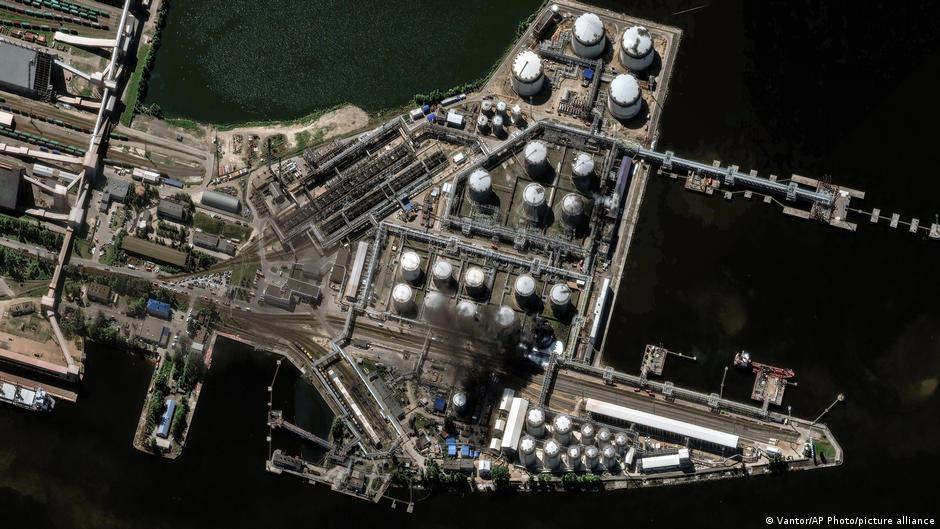
Drone strikes on oil facilities in Russia's Rostov and Saratov regions have sparked fires and damaged infrastructure, posing risks to fuel supply and household budgets.

Putin warns Armenia of tariff hikes and work restrictions if it leaves the Eurasian Economic Union, threatening household budgets and economic ties.

US-Iran talks hinge on nuclear restrictions, with potential impacts on currencies, inflation, and household budgets amid ongoing uncertainty.

Putin’s alleged children receive foreign language tutoring costing hundreds of thousands annually, revealing stark contrasts in elite versus average household spending amid Russia’s economic challenges.

A Russian drone crash in Romania caused injuries and fire, highlighting rising regional tensions that affect household budgets, currencies, and investor confidence in Eastern Europe.

Ksenia Fedorova, former RT France chief, continues media work on French TV despite Russia Today’s EU ban, influencing public perception and consumer trust in news.

Paxtakor football club faced over 50 billion UZS loss in 2025, with growing tax debts and reduced state funding, impacting public budgets and future of sports financing.

Denials of Chancellor Friedrich Merz’s early replacement ease political uncertainty, helping stabilize Germany’s economy and consumer confidence amid current challenges.

Russia's military cooperation with the Taliban could influence global arms flow and economic stability, impacting household budgets and investment markets worldwide.

The EU postpones appointing a negotiator with Russia, focusing on sanction strategies that impact European households' finances and market stability.

Russia plans 1-2 month export restrictions on diesel and jet fuel to stabilize domestic supply amid refinery disruptions, affecting household budgets and energy prices.

Russia’s threat to suspend duty-free gas and fuel exports to Armenia could drive up household energy costs and disrupt consumer markets amid Armenia’s EU integration efforts.

North Korea's missile tests heighten geopolitical risks, impacting currency stability, commodity prices, and everyday household finances worldwide.

US military strikes on Iran escalate geopolitical tensions, risking volatility in markets and currencies that affect household budgets, savings, and consumer costs globally.

Millions of Russians face growing financial hardship as the Kremlin dismisses anti-war calls, deepening economic uncertainty affecting household budgets and savings.

Trump’s call to destroy Iran’s enriched uranium raises geopolitical risks that could affect currencies, inflation, and household budgets worldwide.

Russia's tightening internet controls and economic pressures are straining household budgets, savings, and investor confidence, signaling widening challenges for everyday consumers.

Russian strikes destroyed 40% of Kyiv's Chernobyl Museum exhibits, damaging cultural heritage and deepening financial challenges for Ukrainian households and investors.

Serbia's anti-government protests disrupt daily life and threaten currency stability, affecting household budgets and economic confidence.

Renewed Russian missile strikes on Kyiv intensify economic uncertainty, impacting Ukrainian household budgets, savings, and investor confidence amid ongoing conflict.

European leaders and Ukraine's Zelensky renew peace talks as the war's economic toll grows, affecting household budgets, savings, currencies, and everyday investors.

Hungary reinstates its ban on Ukrainian agricultural imports, impacting local food prices, household budgets, and regional trade dynamics amid EU tariff changes.

The EU-Mexico trade deal removes tariffs and trade barriers, potentially lowering consumer prices and opening new investment opportunities for households and everyday investors.