German Youth Protests Turn Violent as Cost-of-Living Anger Deepens
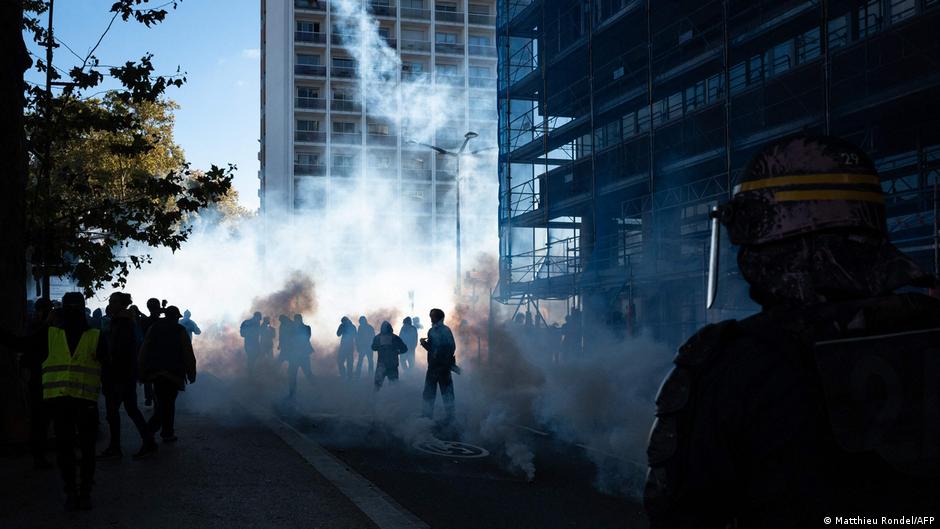
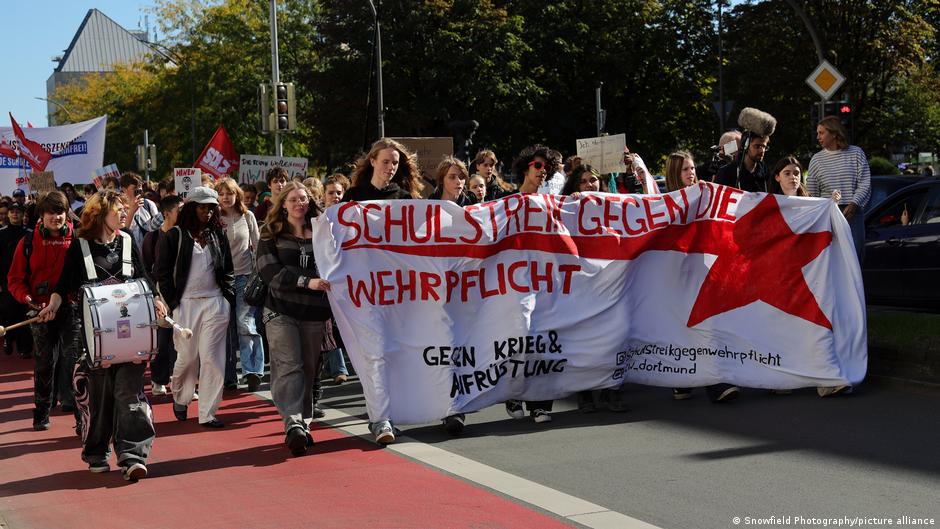
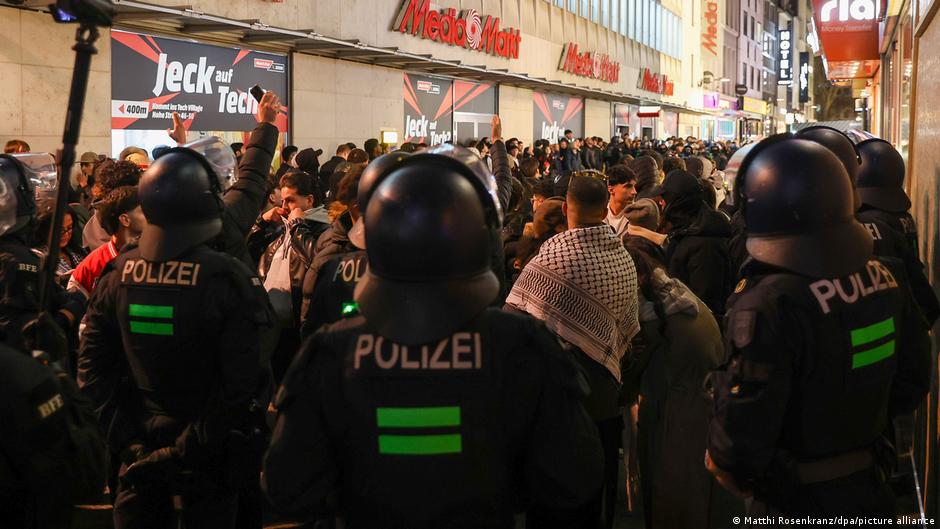
Youth protests across Germany turned violent as demands over living costs, social spending and public services exposed growing pressure on household finances.

Youth protests across Germany turned violent as demands over living costs, social spending and public services exposed growing pressure on household finances.

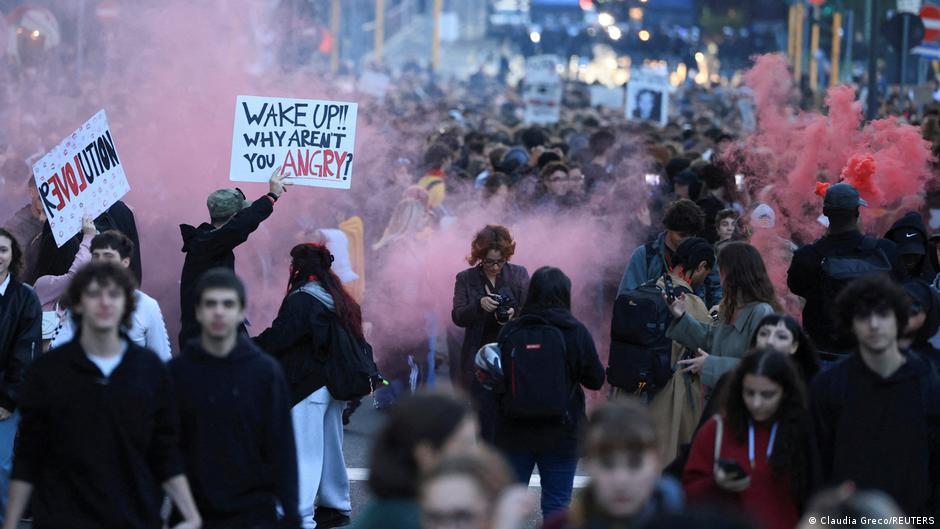
France detained 565 people as 320,000 joined protests over living costs, education problems and young people's financial prospects.

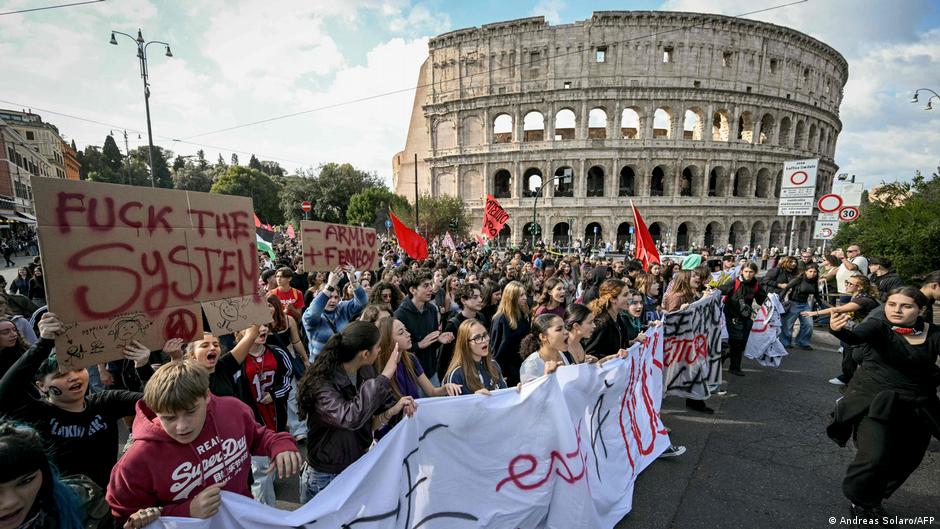
Protests across more than 60 Italian cities spotlighted pressure from rising rents and fuel costs as a nationwide 24-hour strike disrupted the country.

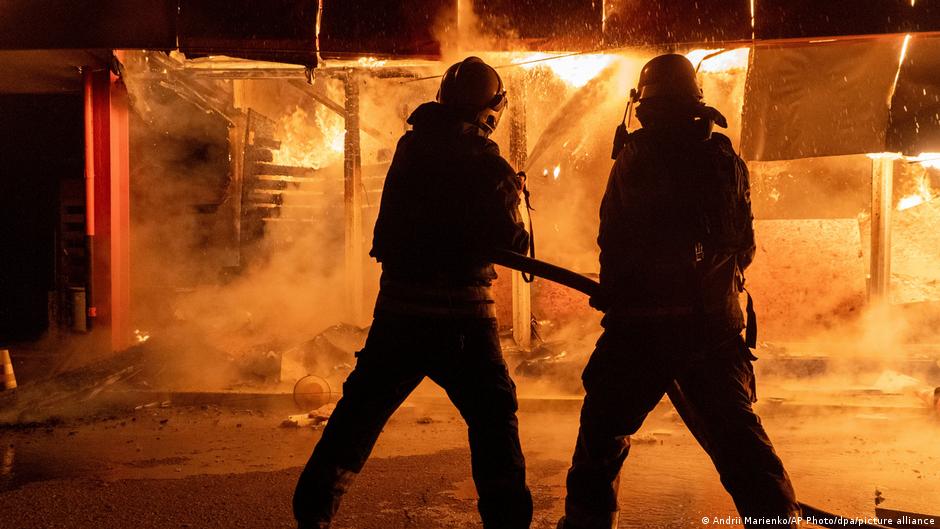
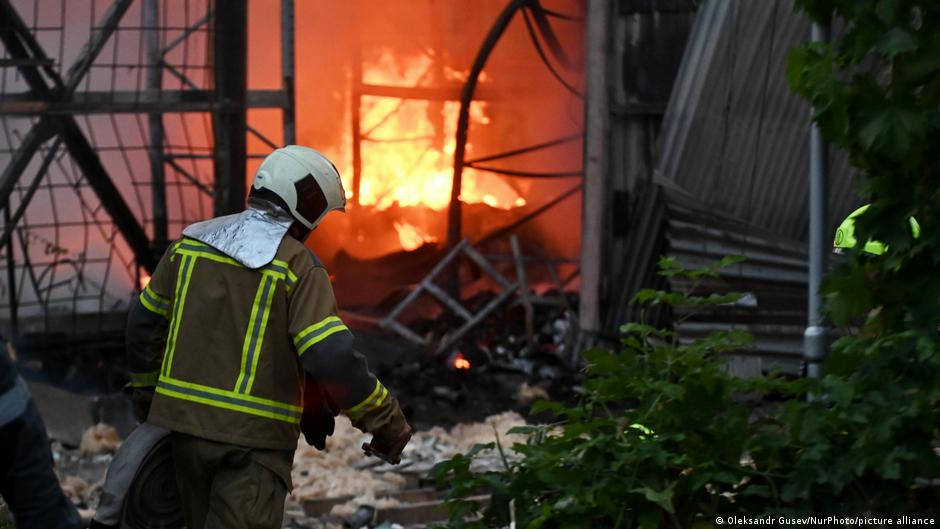
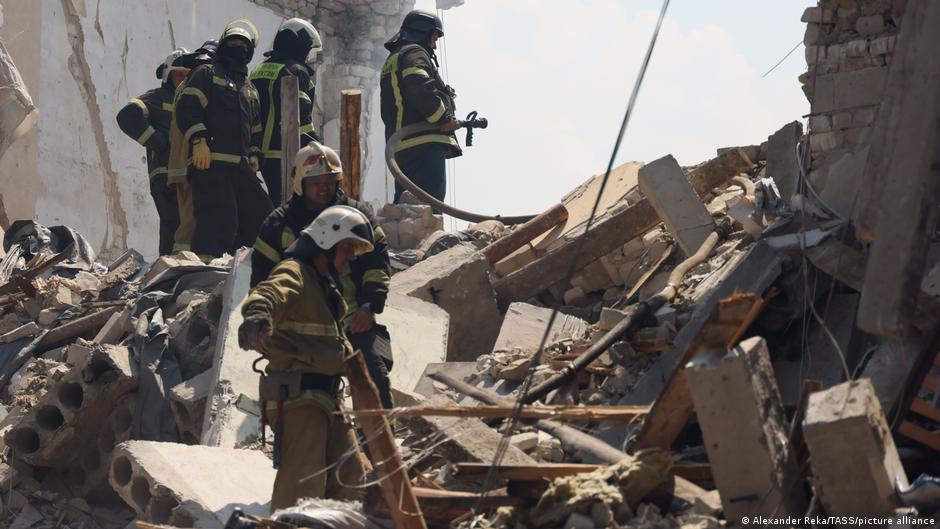
A Russian drone strike injured four people in Kharkiv and damaged homes and a production building, adding emergency costs and income risks for residents.

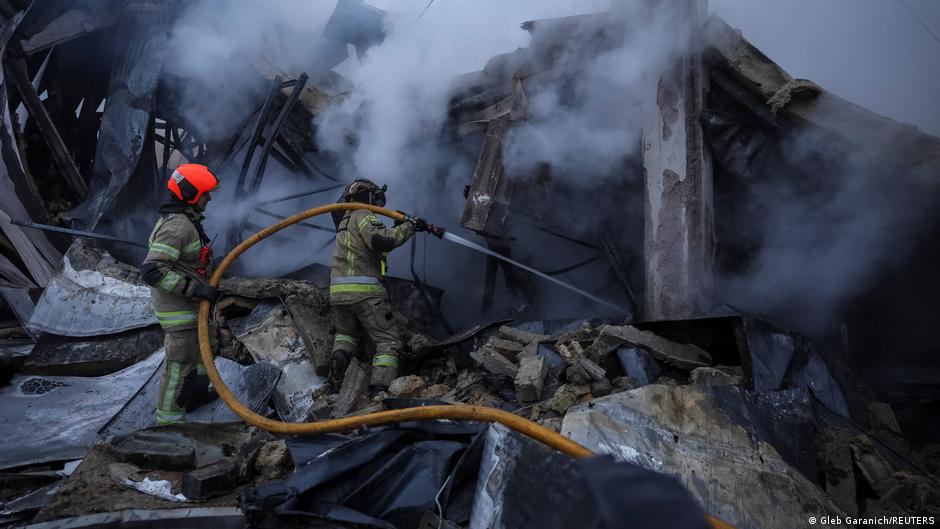
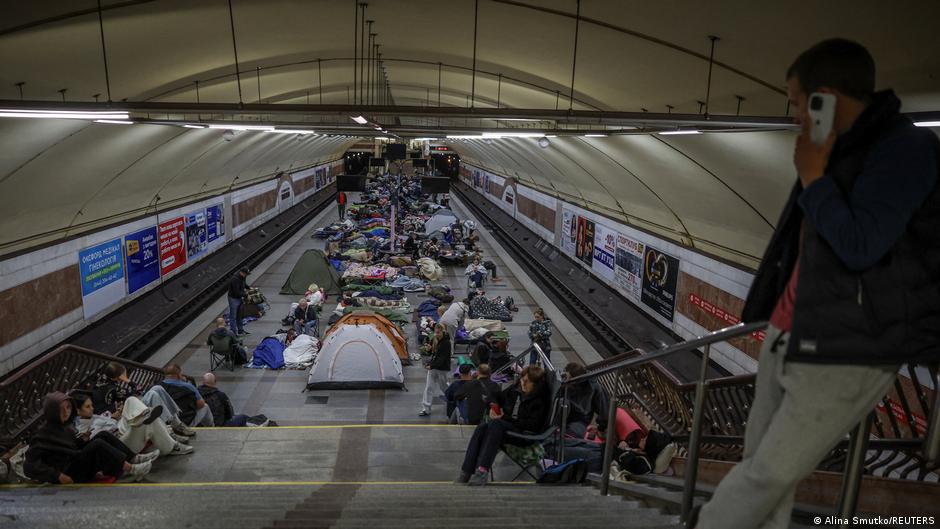
Missile strikes killed at least one person in Kyiv and two in Kharkiv, damaging homes, vehicles and infrastructure while adding pressure to household finances.

Italy’s cost-of-living protests continued as police reported 371 preliminary detentions and nine arrests amid tighter security in major cities.

Finland is urging an EU-wide tourist visa ban for Russians, a move that could affect travel budgets, currencies and consumer spending flows.

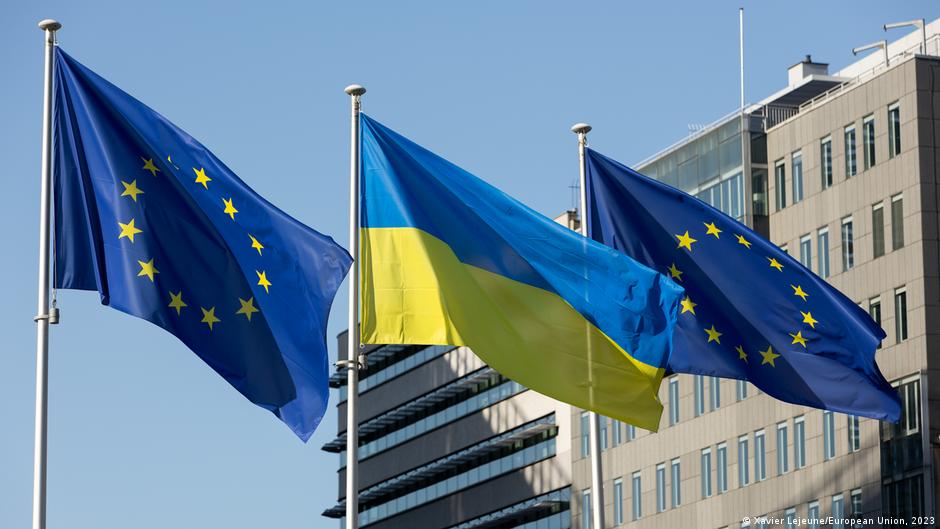
EU states agreed to open accession clusters for Ukraine and Moldova, advancing reforms tied to markets, budgets, consumer rules and investor confidence.

Military service objections in Germany have more than tripled from last year’s total, adding uncertainty for families and young workers.

Russian strikes damaged homes, businesses and energy sites in Ukraine, triggering power limits that could raise costs for households and firms.

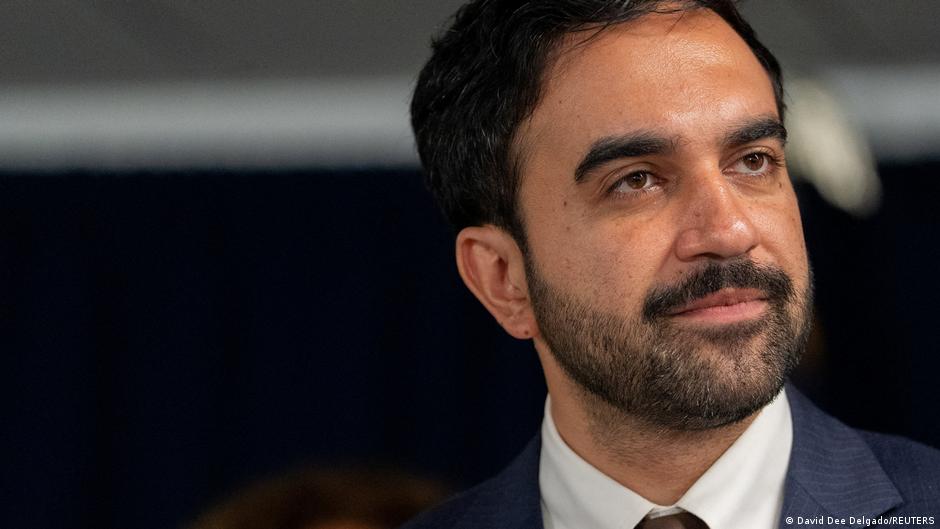
New York’s plan would raise hate-crime funding to $29 million, with money for synagogue security, education and Jewish institutions.

Dutch police detained a 24-year-old Amsterdam man in a ShinyHunters probe, underscoring the financial risks consumers face after major data breaches.

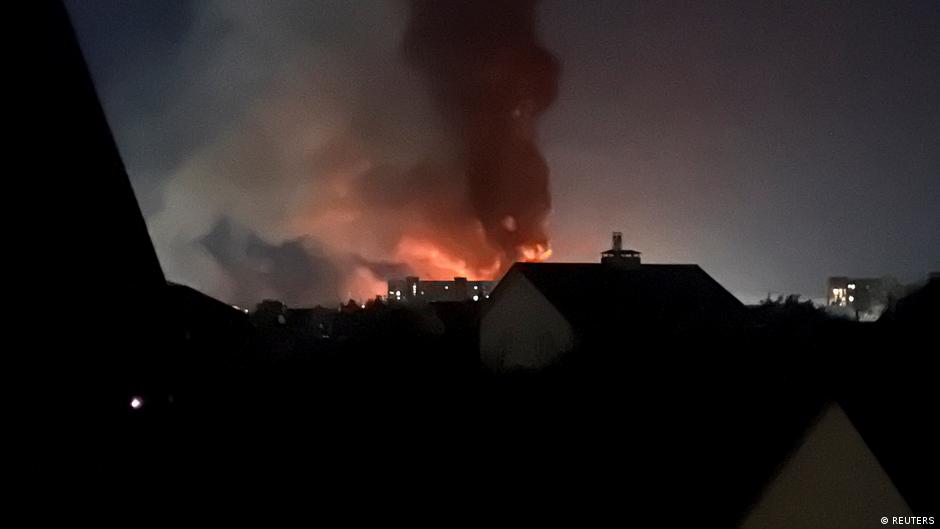
Russian overnight attacks on Kyiv followed deadly daytime strikes, adding pressure on residents’ safety, repairs, transport and emergency savings.

Kyiv officials reported two deaths, six injuries and damage near medical and residential sites, raising new pressure on household budgets.

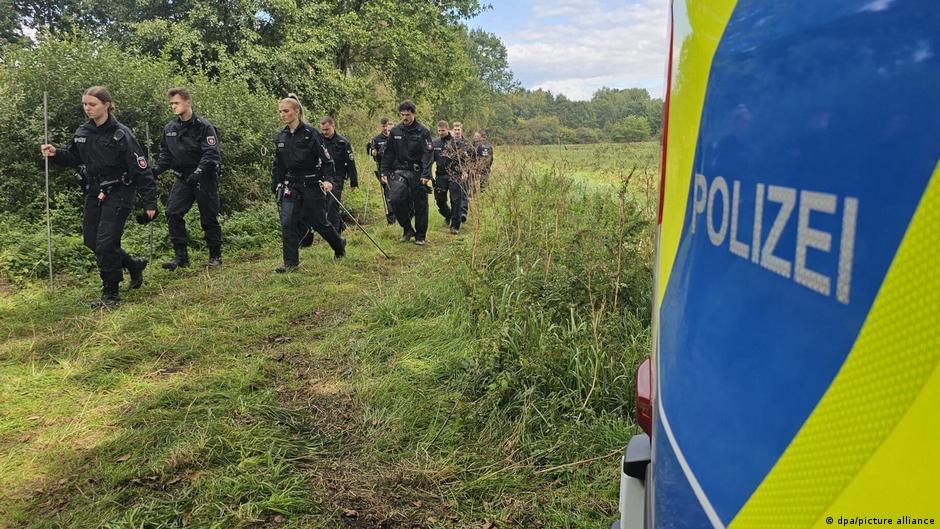
German investigators are examining a suspected explosive substance found near drone wreckage by a Bundeswehr air base in Lower Saxony.

Russian attacks wounded civilians, including children, and damaged homes, offices, warehouses and cars in Kyiv, Odesa and Sumy.

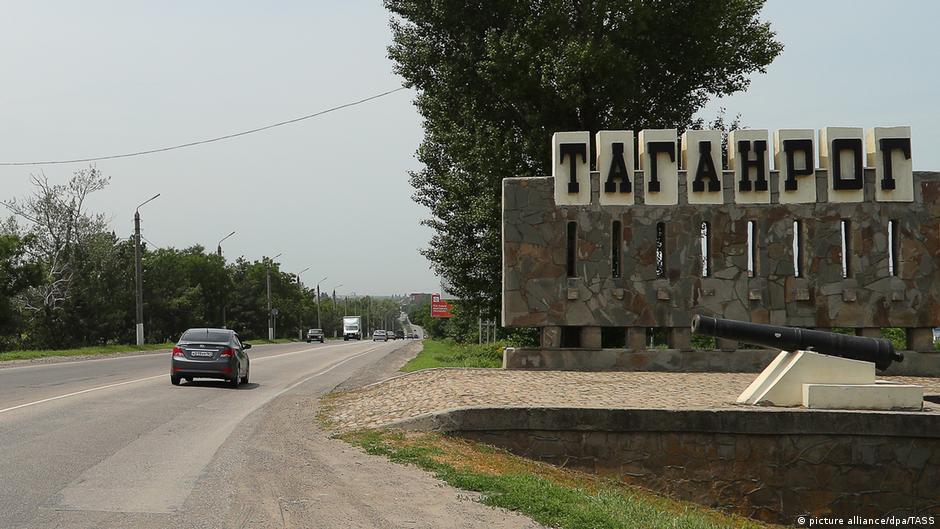
Strikes on a Russian refinery and warehouses raise questions for fuel costs, deliveries, inflation and investors tracking war risk.

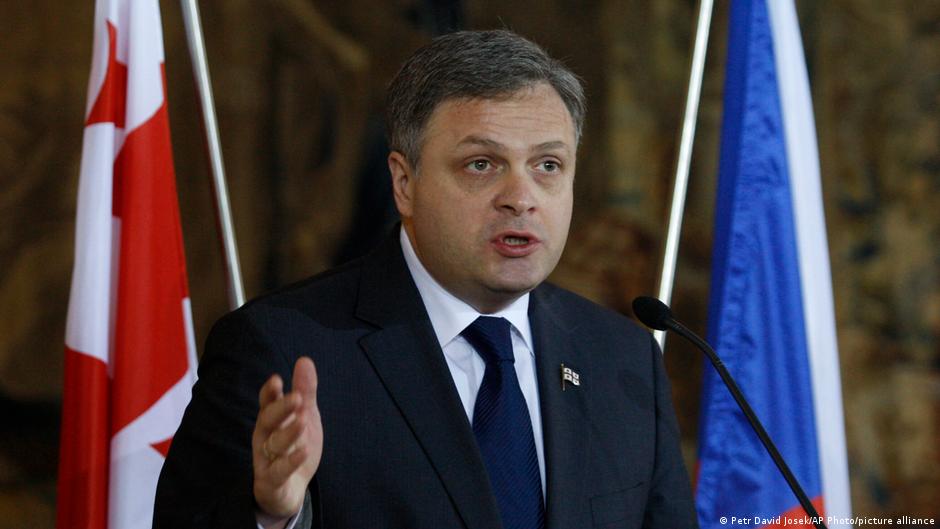
Georgia detained former defense chief Giorgi Baramidze in a treason case, adding political risk for households, savers and investors.

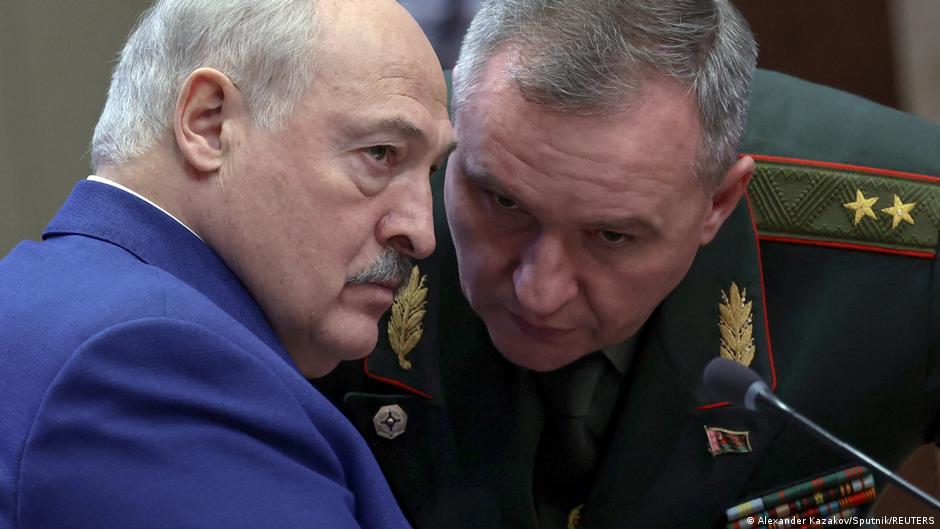
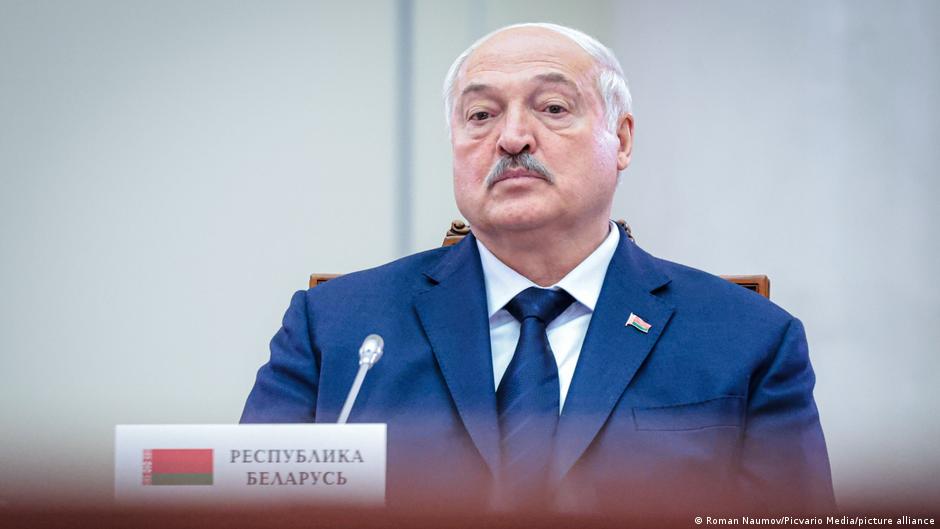
Belarus will continue army checks that may extend to mobilization, raising fresh questions for households, savers and regional investors.

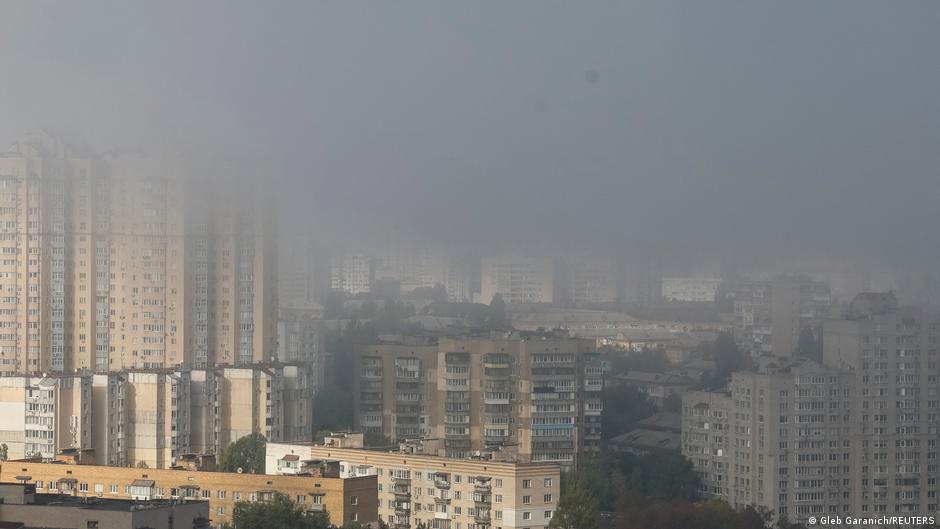
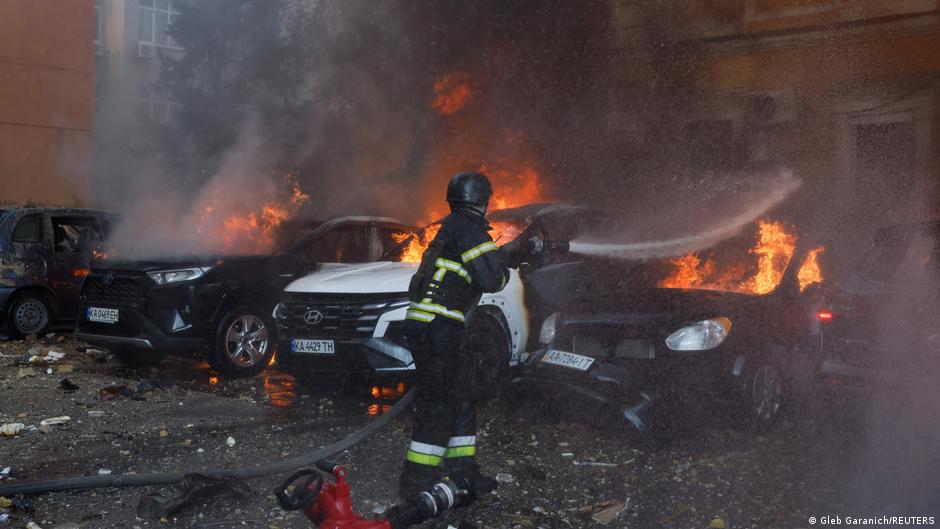
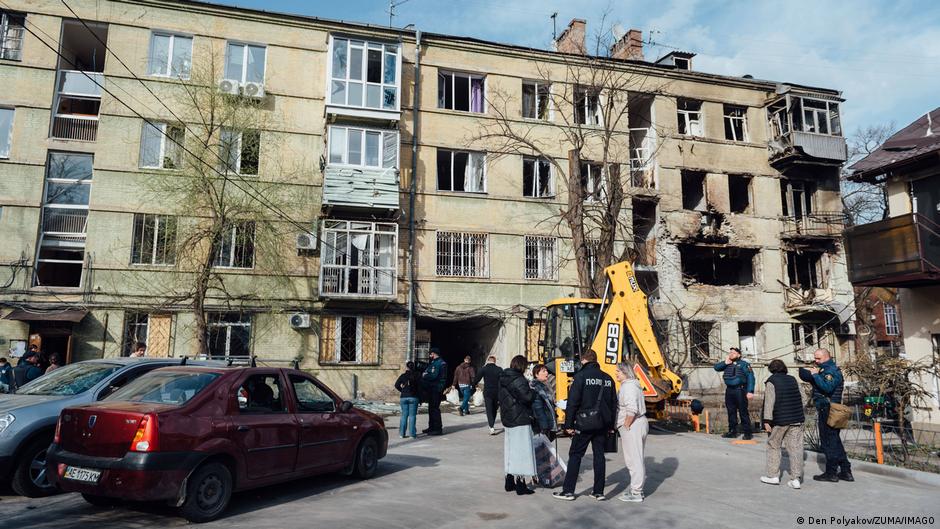
Russian strikes on Kyiv damaged homes, cars, garages and businesses, raising fresh financial pressure for households and local firms.

AfD’s Saxony-Anhalt win raises uncertainty over coalition talks, energy policy, sanctions and the economic outlook for households and investors.

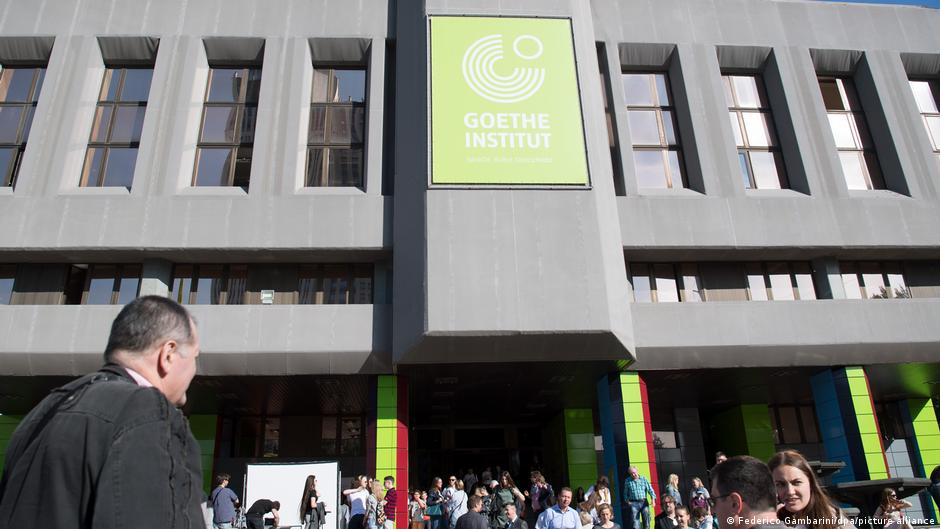
Russia says it will close Goethe-Institut branches after Berlin ends a cultural agreement, adding to uncertainty for households, students and investors.

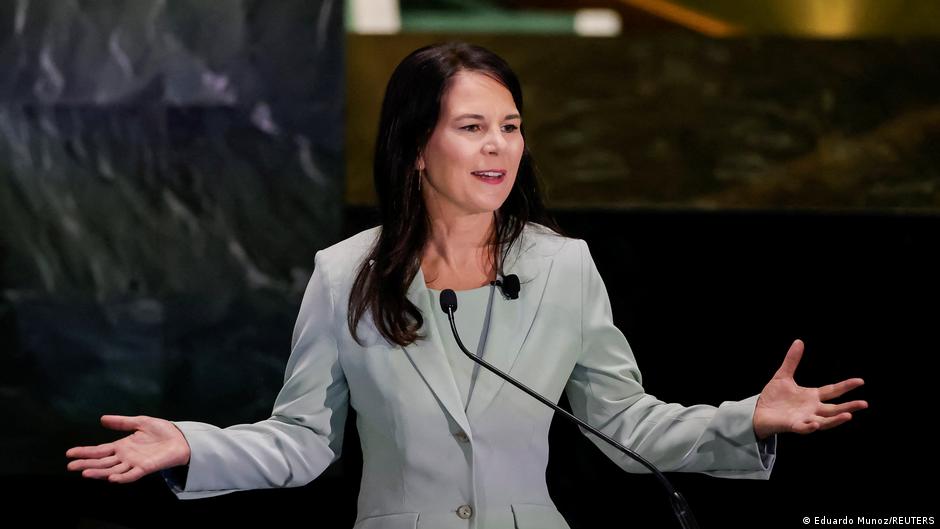
After leading Germany's foreign policy and chairing the UN General Assembly, Annalena Baerbock will join Columbia University as co-director of a public administration program focused on global leadership.

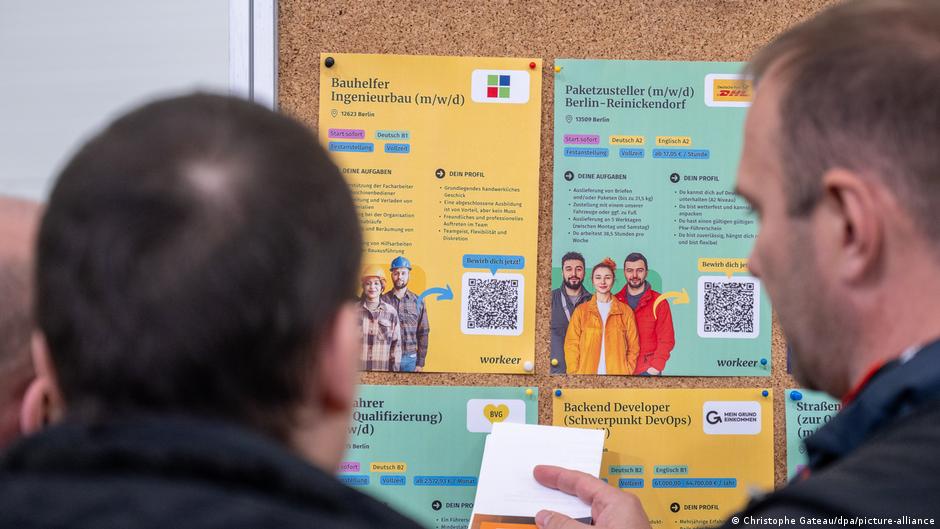
A 23.6% wage gap between German and foreign workers persists, affecting immigrant household budgets, savings potential, and investment opportunities in Germany.

Jared Kushner's talks with Hamas highlight persistent Middle East tensions that could impact currencies, inflation, and household finances worldwide.

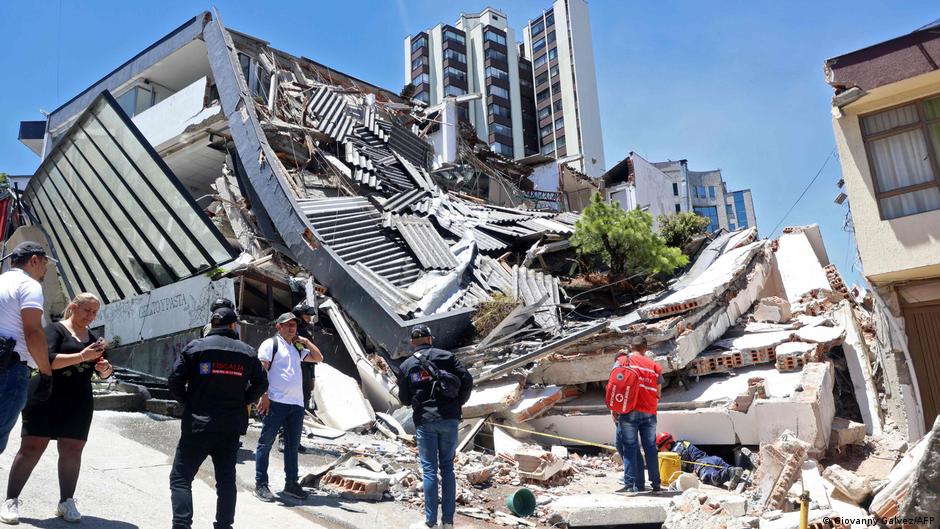
A 7.4 magnitude earthquake in Colombia has caused major destruction to homes and infrastructure, impacting household finances and prompting emergency aid.

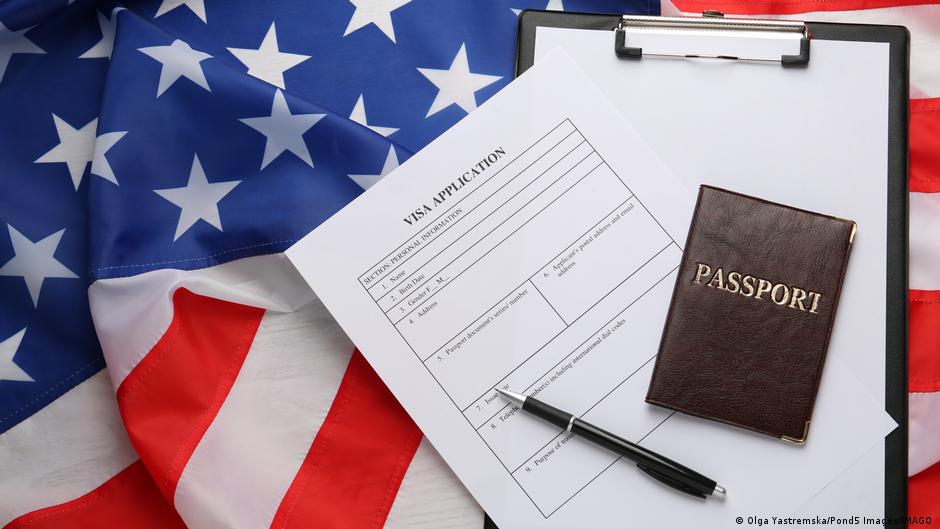
The U.S. enacts a permanent visa bond of up to $20,000 for citizens of 50 countries, impacting household budgets, savings, and international travel costs.

Belarus orders unproductive agricultural workers to military service, impacting household incomes and raising concerns over food production and consumer prices.

Russia’s proposed law would allow convicted offenders to serve under military contracts, raising concerns about household income stability and economic impacts amid ongoing mobilization.

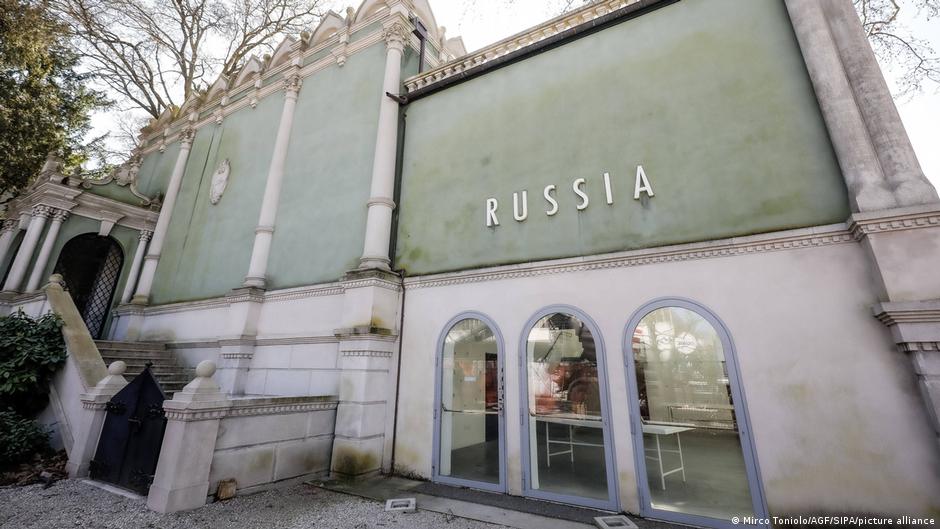
The EU recommends cutting €2 million in funding from the Venice Biennale over Russia's participation, raising questions about the use of taxpayer money amid geopolitical tensions.

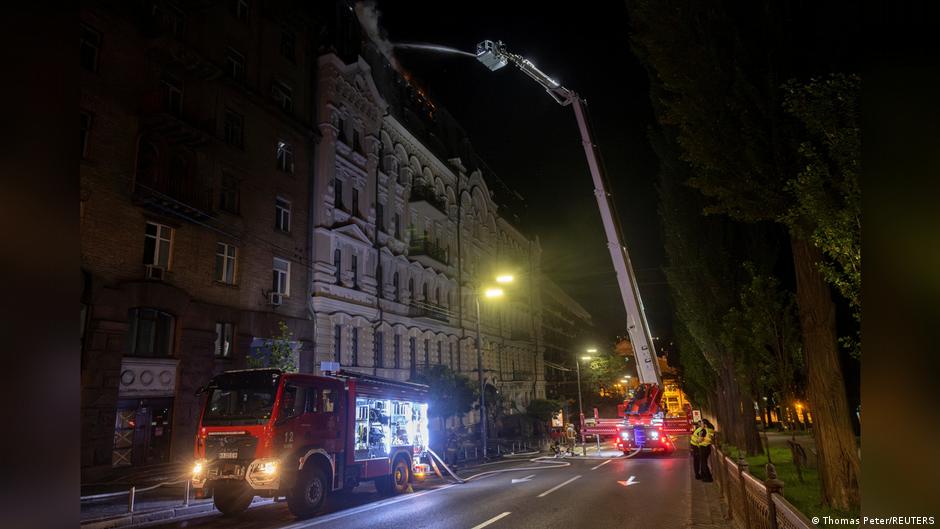
Missile and drone attacks on Kyiv have caused deaths and widespread damage, intensifying financial pressures on households through repair costs, healthcare expenses, and economic disruption.

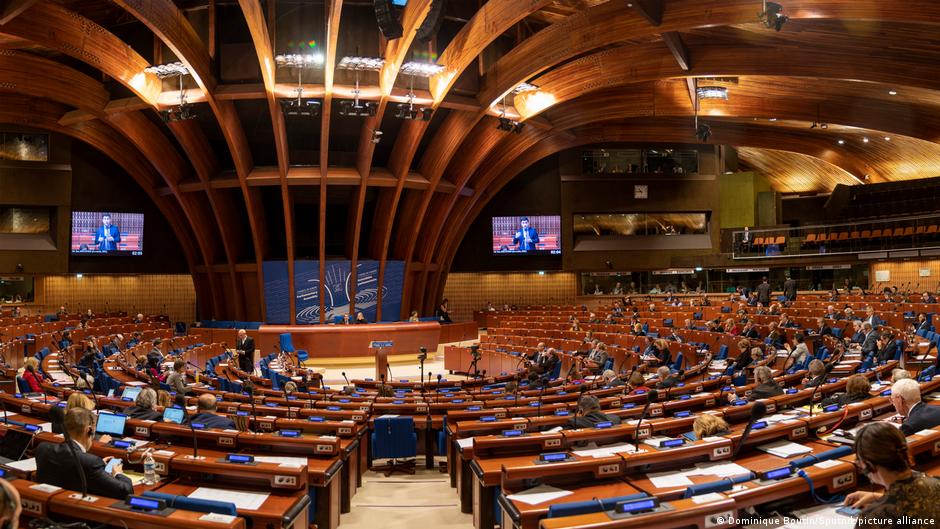
PACE criticized Georgia’s democratic decline and urged reforms, highlighting risks that political instability poses to household budgets, savings, currencies, and investors.

Russia may face decades of conflict, impacting household budgets, savings, currency stability, and daily life due to economic shifts and infrastructure disruptions.

Putin’s alleged children receive foreign language tutoring costing hundreds of thousands annually, revealing stark contrasts in elite versus average household spending amid Russia’s economic challenges.

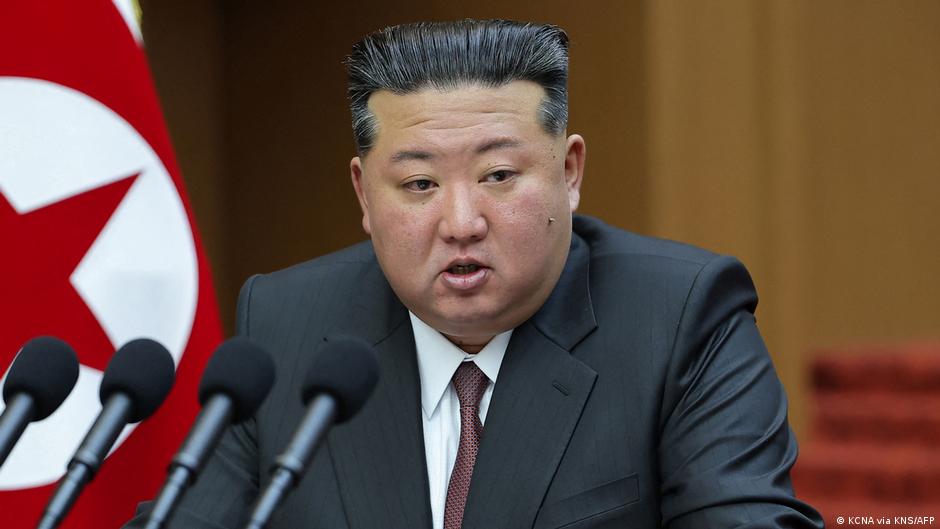
North Korea's missile tests heighten geopolitical risks, impacting currency stability, commodity prices, and everyday household finances worldwide.

Millions of Russians face growing financial hardship as the Kremlin dismisses anti-war calls, deepening economic uncertainty affecting household budgets and savings.

The Starobelsk dormitory attack has claimed 21 lives, imposing heavy financial and emotional burdens on families and destabilizing local economies and currencies.

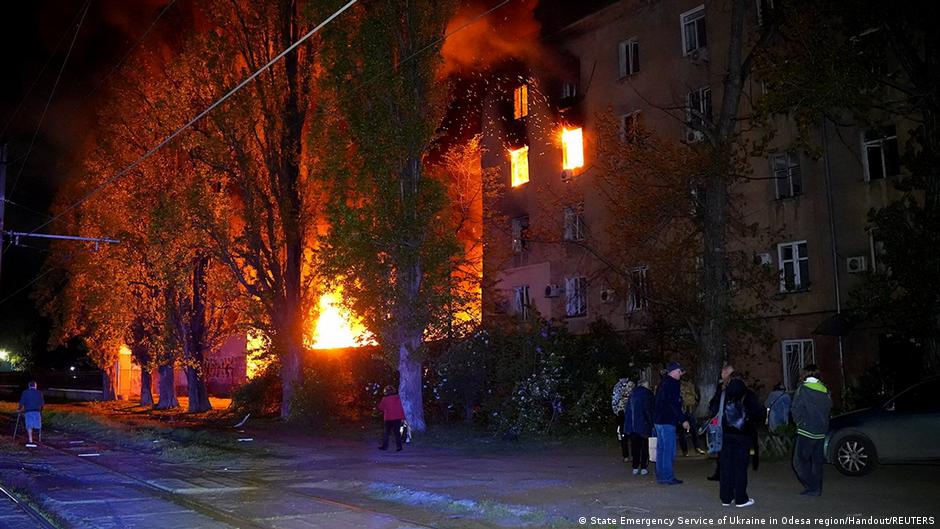
Drone and missile attacks in Odessa and Dnipro caused injuries and property damage, impacting household budgets, emergency expenses, and local economic stability.

Octobank now enables direct money transfers from South Korea to HUMO cards via E9PAY, easing remittances for Uzbek households and impacting consumer finances.

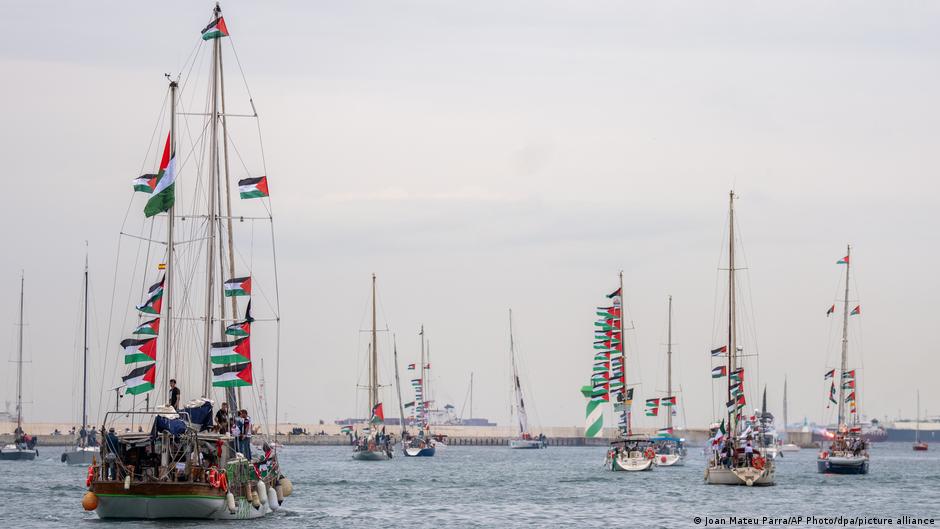
Israel's naval blockade halts humanitarian aid to Gaza, deepening economic pressures on household budgets, currency stability, and consumer markets in the region.

Phishing attacks targeting German officials via Signal expose risks in digital communication, highlighting the need for vigilance among everyday users to protect personal data and finances.

Drone attacks on Dnipro have injured residents and damaged homes, forcing families to face unexpected medical and repair costs that strain household budgets and savings.

Uzbek visitors are barred from Germany's Bundeswehr Military Technology Museum due to security policies, affecting travel plans and household budgets.