New York Mayor Mamdani Unveils $29 Million Antisemitism Strategy
The plan would sharply increase hate-crime funding and direct more city money toward synagogue security, education and Jewish cultural institutions.
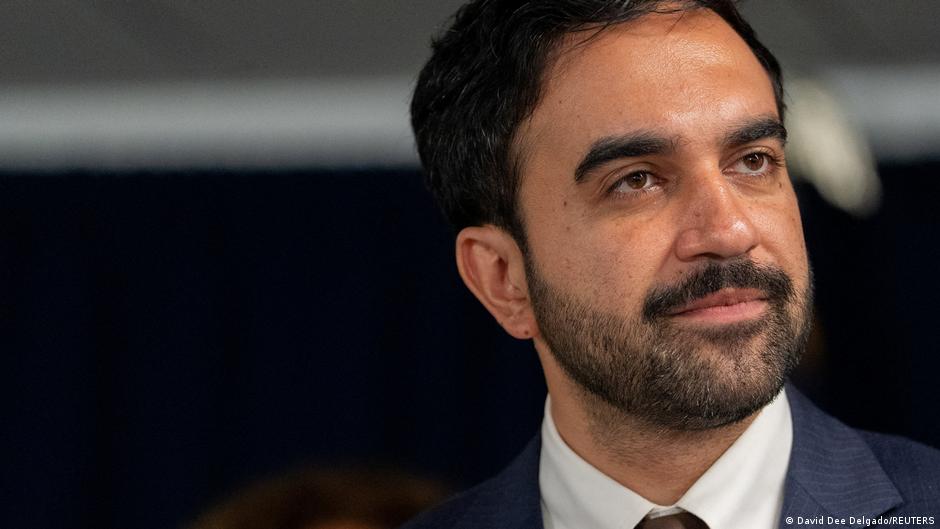
New York Mayor Zohran Mamdani on Tuesday, September 29, presented a broad city strategy to combat antisemitism and hate crimes targeting Jews, a plan with both public-safety and budget implications for residents of the nation’s largest city.
The proposal would raise the city’s annual budget for fighting hate crimes from $3 million to $29 million. For households, taxpayers and community organizations, that shift matters because it signals a sizable reallocation of municipal spending toward security, education and nonprofit support at a time when city budgets are often judged by how directly they affect daily life.
The plan includes additional funding for the protection of synagogues and would restore a task force focused on the security of Jewish houses of worship. It also calls for citywide public-information campaigns against antisemitism and expanded educational programs about the Holocaust.
Millions of dollars are also expected to go to Jewish cultural centers and nonprofit organizations, including a Holocaust victims’ memorial being created in Queens and a new Jewish culture center in Brooklyn. Those allocations could reach beyond security costs alone, affecting neighborhood institutions that provide cultural programming, education and community services.
A City Budget Issue With Household Impact
For New Yorkers, the most immediate financial question is how the city prioritizes limited public money. The proposed increase from $3 million to $29 million represents a substantial expansion in annual anti-hate-crime spending. While the article does not specify how the city would finance the increase, any major budget shift can influence debates over municipal services, tax priorities and the funding available for other programs.
The consumer angle is not limited to taxes. Hate-crime prevention and security spending can affect the cost of operating religious institutions, schools, cultural centers and nonprofits. When the city contributes to security at synagogues or supports community organizations, those institutions may face less pressure to raise funds from members, donors or local families to cover safety-related expenses.
In practice, security spending is often felt at the neighborhood level. Houses of worship and community centers may need guards, cameras, access controls, training and emergency planning. The mayor’s plan, by promising additional support, places more of that burden on the city budget rather than leaving it entirely to individual institutions and their communities.
Mamdani framed the issue as an urgent public obligation, citing police statistics showing that antisemitic crimes account for more than half of all recorded hate crimes in the city, even though Jewish residents make up 12% of New York’s population.
“This is not only unacceptable, this is something we are obligated to change, and city authorities will take the lead,” Mamdani said in a video address posted on X.
Security, Savings And Everyday Risk
For households, the financial impact of hate crimes can be indirect but real. Families connected to synagogues, schools and Jewish cultural institutions may contribute through dues, donations, tuition or fundraising campaigns. If those organizations face higher security needs, members can feel that pressure in their personal budgets. City funding can help absorb some of those costs, although the plan does not state how much relief individual families or institutions may ultimately see.
The strategy also highlights how public safety can intersect with savings and everyday financial planning. Residents may not think of hate-crime prevention as a personal-finance issue in the same way they think about rent, food prices, currency movements or retirement accounts. But safety concerns can shape where families worship, educate children, attend cultural events and donate money. They can also influence the operating costs of local nonprofits, which in turn affects the communities they serve.
The proposal’s education component could have a longer-term budget effect by expanding Holocaust-related programming across the city. Educational campaigns and curriculum-related programs require staffing, materials, outreach and coordination. The source article does not provide a breakdown of these costs, but the inclusion of education alongside security suggests that the city intends to spend not only on immediate protection but also on prevention and public awareness.
Political Tensions Around The Plan
The announcement also lands in a politically sensitive context. Mamdani, the first Muslim mayor of New York City, is known for his pro-Palestinian stance and criticism of Israel. Those views have drawn opposition from parts of the city’s Jewish community, though the source also notes that some New York Jews support him.
Israeli Prime Minister Benjamin Netanyahu, speaking at the United Nations General Assembly in New York, called Mamdani an antisemite. During the 2026 election campaign, Mamdani said that if Netanyahu visited New York, he would seek his arrest based on a warrant issued by the International Criminal Court in 2024. After taking office as mayor, however, Mamdani acknowledged that he did not have the authority to do so.
That background may affect how the budget plan is received. Supporters may view the $29 million strategy as evidence that the administration is responding to a documented rise in antisemitic hate-crime concerns. Critics may scrutinize whether the funding, task force and public campaigns are sufficient, how quickly money reaches institutions, and whether the plan can overcome distrust rooted in Mamdani’s foreign-policy positions.
For everyday investors and savers, the proposal is unlikely to move currency markets or household portfolios on its own. But it is part of a broader municipal-finance story: how large cities allocate money amid competing pressures, and how public-safety spending can become a direct concern for families, nonprofits and neighborhood institutions.
The clearest numbers in the plan are the budget increase from $3 million to $29 million and the demographic and crime-statistics contrast cited by Mamdani. Jewish New Yorkers make up 12% of the city’s population, while antisemitic crimes account for more than half of all reported hate crimes, according to the police statistics referenced in his remarks.
For households watching city spending, the next practical questions will be how the expanded budget is distributed, which institutions receive support, how security needs are assessed and whether the city’s investment reduces financial pressure on community organizations. The plan sets a larger fiscal commitment; its effect on residents’ wallets will depend on implementation.



