Rising Casualties from Starobelsk Attack Highlight Risks to Civilian and Educational Facilities
The death toll from the attack on a pedagogical university dormitory in Starobelsk has risen to 21, raising concerns about safety and economic impact on affected families.
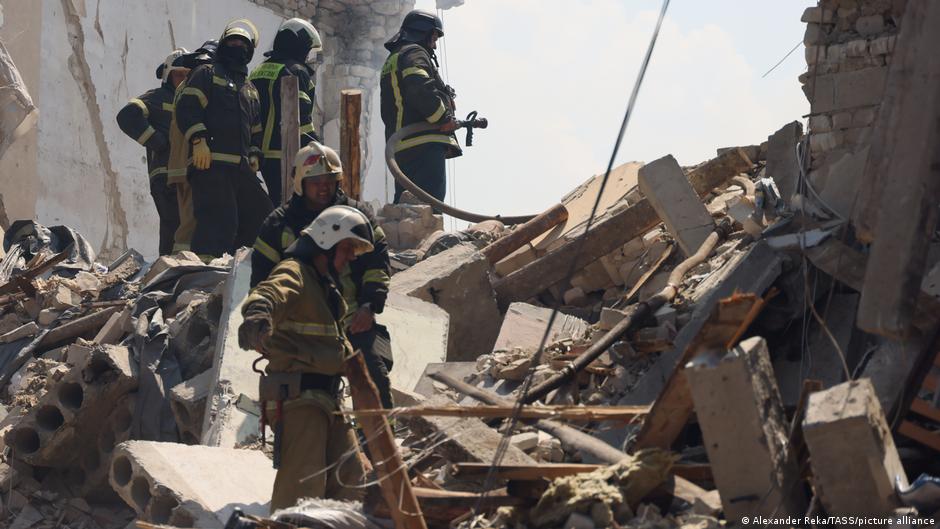
Recent hostilities in Starobelsk have resulted in a tragic loss of life and pose significant challenges to household budgets and local economies. According to reports, the death toll following an attack on the dormitory of the pedagogical university in Starobelsk has increased to 21, with 63 people injured or killed in total. The incident occurred on May 22, when military strikes targeted educational and residential facilities.
Economic and Personal Finance Implications for Families
The loss of young lives—students aged 14 to 18—has both emotional and financial consequences for families. Beyond the immediate human tragedy, household budgets are impacted through potential medical expenses for the injured, funeral costs, and loss of future earning potential for victims. The psychological toll may also affect survivors’ ability to work or save, compounding financial strain.
“The aftermath of such attacks extends well beyond the initial tragedy, deeply affecting family incomes and community stability.”
Local educational institutions are also disrupted, potentially forcing students and their families to seek alternatives that may be more costly. Displacement due to damage to infrastructure further inflates living expenses and strains savings.
Currency and Investment Risks Amid Conflict
Such incidents, embedded within ongoing conflict, exacerbate volatility in regional currencies and investment environments. Risk-averse investors may withdraw funds, leading to currency depreciation and difficulty accessing credit. This destabilization trickles down, affecting everyday investors and families reliant on stable economic conditions for their financial planning.
Moreover, misinformation around the military use of civilian facilities can complicate insurance claims and compensation efforts, leaving victims without adequate support. The conflicting narratives regarding the presence of military assets in educational buildings underscore challenges in assessing damage and responsibility, which influences economic recovery.
In summary, the attack on Starobelsk’s educational facilities represents not only a profound human loss but also a significant economic disruption for households and communities. Families face increased financial burdens, while broader economic uncertainty threatens local currency stability and investment confidence.