France Cost-of-Living Protests Draw 320,000 and Lead to 565 Arrests
A third consecutive Saturday of nationwide demonstrations highlighted pressure on household budgets and concerns over education and opportunity.
French authorities detained 565 people during a third consecutive Saturday of nationwide mass protests, as anger over the rising cost of living and problems in education continued to draw large crowds across the country.
The Interior Ministry said 320,000 demonstrators participated in events in different French cities on Saturday, October 31, including 70,000 in Paris. Organizers offered a substantially higher estimate, saying almost 500,000 people took to the streets.
The official turnout was lower than during the two previous Saturdays. Authorities estimated that 550,000 people demonstrated on October 17 and 410,000 on October 24. Although participation has declined, the latest figures indicate that concerns about living costs, public services and young people's prospects remain capable of mobilizing hundreds of thousands of households.
Living costs bring household finances into focus
For consumers, the protests center partly on a familiar financial pressure: the rising cost of everyday life. Higher living expenses can force households to devote more of their income to necessities, leaving less room for saving and discretionary purchases. The demonstrations do not provide a detailed list of financial demands, but their scale underscores the depth of public concern over affordability.
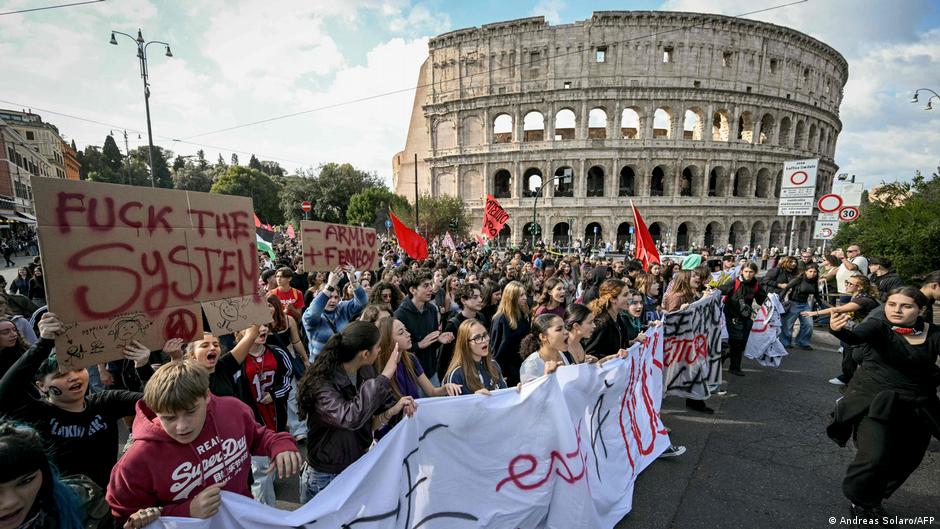
Education is another important part of the unrest and carries direct implications for family finances and future earning opportunities. The nationwide demonstrations began with protests by school pupils and university students in late September. Participants cited teacher shortages, overcrowded classrooms, excessively long school days, outdated school buildings and a lack of modern equipment.
Students also expressed anxiety about the future, including difficulties gaining admission to universities. Those concerns broaden the financial significance of the protests beyond immediate household bills: access to education can shape employment prospects, incomes and families' longer-term saving decisions.
The movement subsequently attracted people dissatisfied with other social problems. Demonstrations have increasingly deteriorated into unrest involving burning rubbish bins and vehicles, vandalism, looting and severe clashes with police.
Violence complicates the economic picture
Interior Minister Laurent Nuñez said the demonstrations were mostly peaceful, but accused members of far-left groups involved in the protests of using what he called “monstrous violence” against law enforcement officers.
Authorities deployed 70,000 police officers across France to provide security during the nationwide demonstrations.
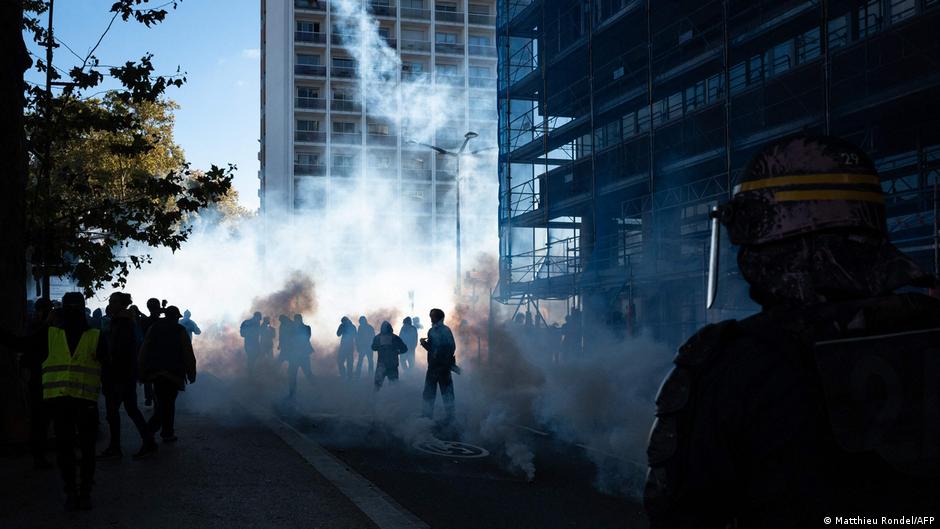
In Paris, five officers were injured during clashes with several hundred protesters, according to the authorities. Three were hurt by Molotov cocktails. One officer's clothing caught fire, and he was diagnosed with a burn to his leg. Protesters also threw paving stones and rocks at police in the capital, while officers responded with tear gas and batons.
Law enforcement officers used water cannon and tear gas against participants in an unauthorized demonstration in Toulouse. An unauthorized march involving about 10,000 people also took place in Marseille before developing into clashes with police. Violence was reported in Lyon as well, where tear gas was used against rioters.
For households and everyday investors, prolonged unrest can add uncertainty to an already difficult cost-of-living environment. Disruption and damage can affect local businesses and consumers directly, while repeated nationwide confrontations may weigh on confidence. The source figures, however, provide no estimate of the economic damage, impact on prices or effect on financial markets and currencies.
French demonstrations inspire protests elsewhere
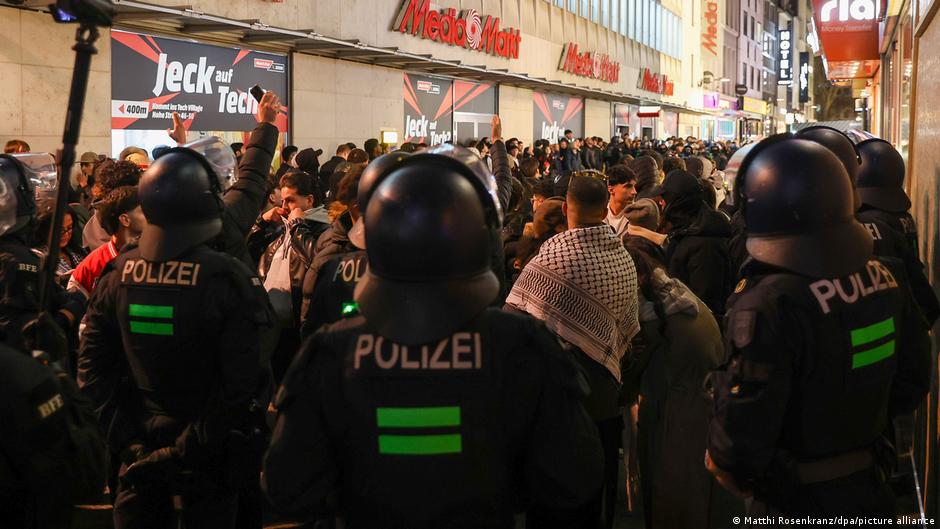
The protests have also resonated beyond France. Youth movements in Italy, Germany and Belgium were inspired to organize demonstrations of their own. In major German cities, protests held on October 31 ended in unrest.
The spread of demonstrations across European countries highlights how worries about education, living standards and future opportunities are not confined to one national economy. For savers and small investors, the immediate lesson is not a specific market forecast but the persistence of social pressure surrounding household affordability and public services.
France's falling turnout provides one indication that participation may be losing momentum: the authorities' estimates declined from 550,000 on October 17 to 410,000 on October 24 and then 320,000 on October 31. Organizers' latest estimate nevertheless remained close to half a million, showing a wide gap over the size of the movement.
Whether demonstrations continue at a similar scale will help determine how long the unrest remains a concern for families, businesses and consumers. For now, the third consecutive Saturday of protests has kept living costs and education at the center of a widening debate over financial security and young people's prospects.