Binance’s $6.3 Billion Hack Puts Crypto Savers’ Safety in Focus
Binance says it has reimbursed 90% of stolen customer funds as US officials dispute who was responsible for the attack.
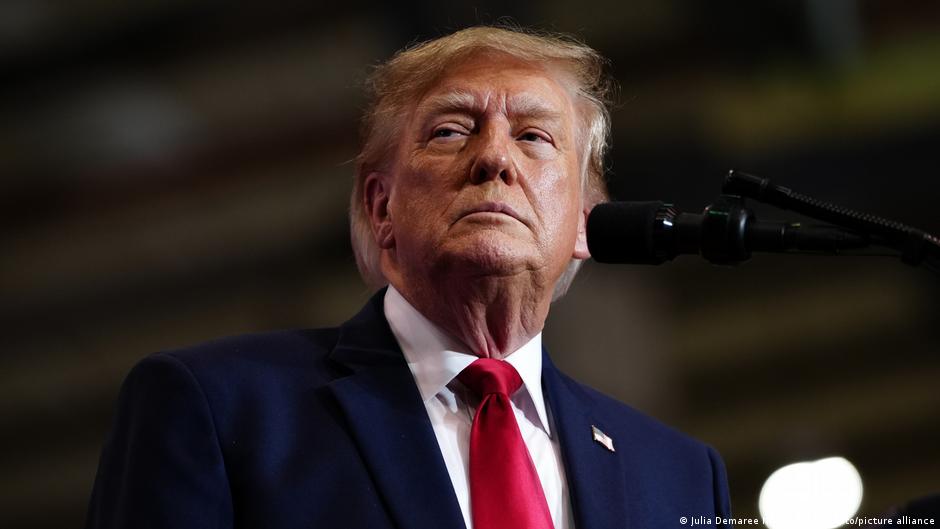
A $6.3 billion theft from Binance has put the financial risks facing ordinary cryptocurrency holders back in the spotlight, even as the White House and the Federal Bureau of Investigation publicly diverge over whether North Korean hackers were responsible.
US President Donald Trump questioned the FBI’s assessment that North Korea was behind the attack on the world’s largest cryptocurrency exchange, which resulted in the theft of about $6.3 billion, or more than €5.6 billion, from Binance customers.
“We don’t know whether it is connected to North Korea,” Trump said.
Speaking to reporters at his Mar-a-Lago estate in Florida on November 1, Trump said the US was still investigating. He added that if a North Korean connection were established, Washington would discuss the matter with North Korea.
The president’s remarks followed an FBI statement issued on Saturday, October 31. The bureau attributed the October 29 theft—the largest recorded theft of crypto assets—to North Korean hackers belonging to the TraderTraitor group.
Reimbursements limit the immediate household loss
For Binance customers, the most consequential development is the exchange’s claim that it has already reimbursed 90% of the stolen funds. Binance said on October 31 that losses involving BTC, ETH, USDT, BNB, SOL, USDC, XRP, USD1, RLUSD and ZEC had been fully compensated.
That significantly reduces the immediate financial damage for customers who held the affected assets. It also shifts attention to the remaining 10%, which consists of tokens outside the 10 largest. Binance said those assets have lower liquidity, meaning it will take longer to buy enough of them to complete customer reimbursements.
For households, the distinction matters. An account balance displayed in a trading app can feel similar to money held with a conventional financial institution, but a major cyberattack can interrupt access and leave customers dependent on an exchange’s ability and willingness to cover losses. Binance’s reimbursement has softened the impact in this case, although holders of less-liquid tokens may face a longer wait.
The incident also highlights how liquidity affects personal financial risk. Large tokens generally have more active markets, making them easier to acquire when an exchange needs to replace stolen assets. Smaller tokens can be harder to purchase in volume, potentially delaying compensation even when a platform has committed to making customers whole.
Why the FBI’s attribution matters to investors
The FBI said TraderTraitor members typically convert stolen funds into Ethereum, or ETH, before laundering them through channels that include instant cryptocurrency exchange services. The bureau urged companies handling crypto-asset transactions to block transfers involving wallets linked to the group and published a list of those wallets in its press release.
Such blocking efforts can help prevent stolen assets from moving through the broader market, but they may also increase scrutiny of transactions and wallets across the crypto sector. Everyday investors could consequently encounter additional compliance checks or delayed transfers as platforms attempt to identify funds connected to the theft.
The disagreement between Trump and the FBI adds uncertainty to the geopolitical dimension of the case. The bureau has publicly identified TraderTraitor and North Korea, while Trump has said the connection has not yet been established. For consumers, the identity of the attackers does not change the amount stolen or Binance’s reimbursement commitments, but it could influence the US response and the controls imposed on cryptocurrency businesses.
A reminder about concentration and savings risk
Binance’s global scale makes the breach especially significant. Different estimates put the number of registered users on the exchange at more than 300 million worldwide. In 2024, the company said it managed assets worth more than $160 billion.
Those figures show how a security failure at a single large platform can affect savers across numerous countries and currencies. The theft was valued in both dollars and euros, but customers’ household impact ultimately depends on the assets they held, whether reimbursement is complete and how long any outstanding compensation takes.
The case offers a practical warning for people who treat cryptocurrency as part of their savings. Holding several tokens on one exchange creates exposure not only to price swings but also to the platform’s cybersecurity, transaction controls and reimbursement process. Smaller, less-liquid assets can add another layer of risk because replacing them may take longer after a theft.
Binance’s repayment of 90% of stolen customer funds has prevented the attack from immediately becoming a full $6.3 billion loss for its users. Yet the unresolved reimbursements, the FBI’s warning about connected wallets and the dispute over North Korean involvement mean the financial consequences are still unfolding. Customers with affected smaller tokens remain the group most directly exposed while the exchange works to complete compensation.