German Youth Protests Turn Violent as Cost-of-Living Anger Deepens
Demonstrations across more than 30 German cities highlight mounting pressure on household budgets, public services and social spending.
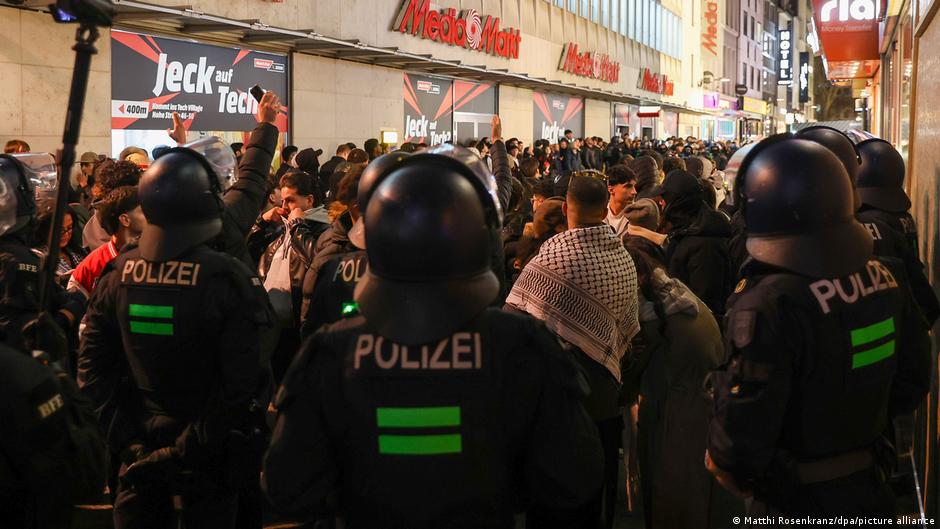
Youth demonstrations across Germany descended into disorder on Saturday, October 31, as protesters demanding action on the rising cost of living, education and social services clashed with police in several major cities.
The protests were organized by the Gen-Z regelt movement, whose name translates as “Generation Z Decides.” Organizers said more than 100,000 people participated in over 30 German cities. While the movement’s platform covers climate protection, education and healthcare, its economic demands place household finances and public spending at the center of the unrest.
Protesters called for measures to curb the rising cost of living, improve the quality of education and make psychotherapy and addiction treatment easier to access. Organizers also opposed cuts to social expenditure and the introduction of compulsory military service. For households, those demands reflect concern that higher everyday expenses and reduced public support could leave younger people paying more for housing, healthcare and other essentials while limiting their ability to save.
Frankfurt unrest disrupts businesses and the city center
In Frankfurt, an initially peaceful demonstration involving between 8,000 and 9,000 people escalated into looting and attacks on police. Some demonstrators smashed shop windows, and officers said Molotov cocktails were thrown at them.
A group of aggressive protesters entered a gun shop as well as a Snipes clothing and sneaker store. Authorities confiscated two weapons from those who attacked the gun shop. The damage to retailers adds a direct commercial cost to unrest driven partly by broader concerns about consumer finances.
Hesse Interior Minister Roman Poseck said roughly 100 violence-prone left-wing extremists had been among the demonstrators and were responsible for the disorder. Police checked the identification of approximately the same number of people and detained more than 30 others.
Authorities brought the unrest under control closer to nightfall, using water cannon, armored police vehicles, a helicopter and drones. Police also closed part of central Frankfurt, disrupting access to a major shopping and business district.
“Those who behave like the perpetrators in central Frankfurt place themselves outside our society,” Hesse Premier Boris Rhein said.
Rhein said officials would thoroughly analyze the aggressors’ actions, the composition of the offending groups and the course of events before drawing conclusions.
Arrests in Berlin and water cannon in Cologne
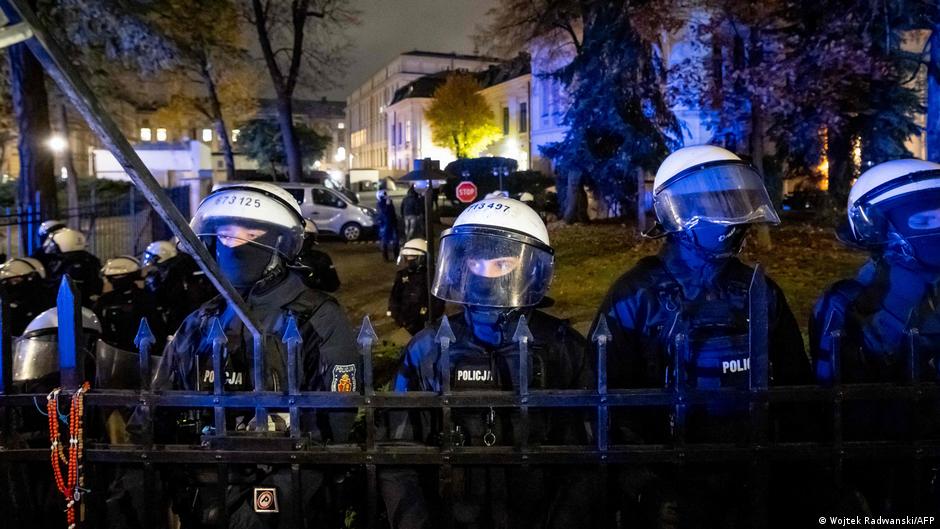
One of two large demonstrations in Berlin also turned violent. The rally drew about 3,500 people, predominantly members of far-left groups. Some participants threw firecrackers and bottles toward police and launched fireworks. Police said demonstrators also damaged property and violated weapons legislation.
Officers detained 56 people in Berlin, while 27 police personnel sustained minor injuries. Such incidents can carry costs extending beyond immediate property damage, including additional policing, transport disruption and lost business for shops located near affected areas.
In Cologne, police prohibited protesters from holding a march and allowed only a stationary demonstration. Authorities cited face coverings worn by some participants and the use of pyrotechnics, including items thrown at police. Officers used water cannon toward the end of the gathering.
In Hamburg, some demonstrators built and set fire to barricades during the evening and threw bottles and stones at police. Protests ended in similar disorder in Stuttgart and Bremen.
Cost pressures become a wider European flashpoint
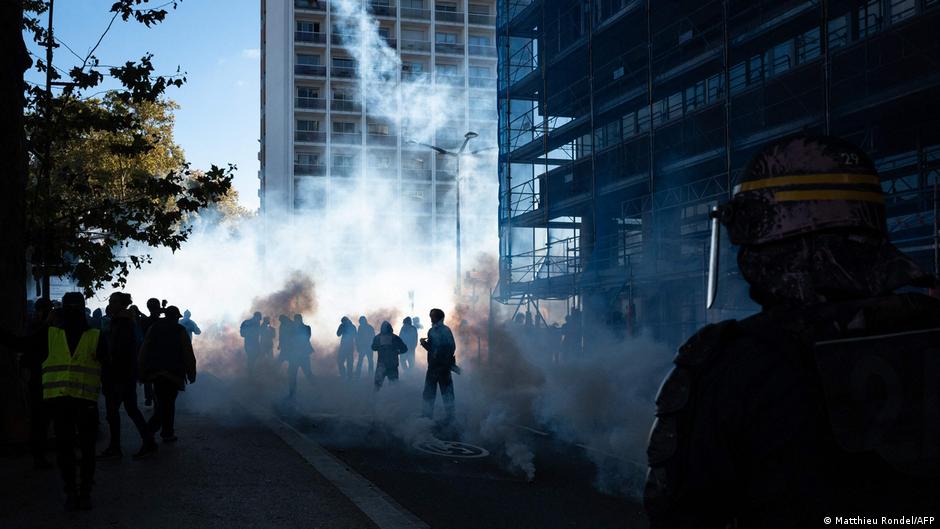
The October 31 demonstrations formed part of a broader wave of youth protests spreading across Europe in recent weeks. In France, demonstrations in several cities escalated into vandalism and clashes with police, while protests also took place in Belgium.
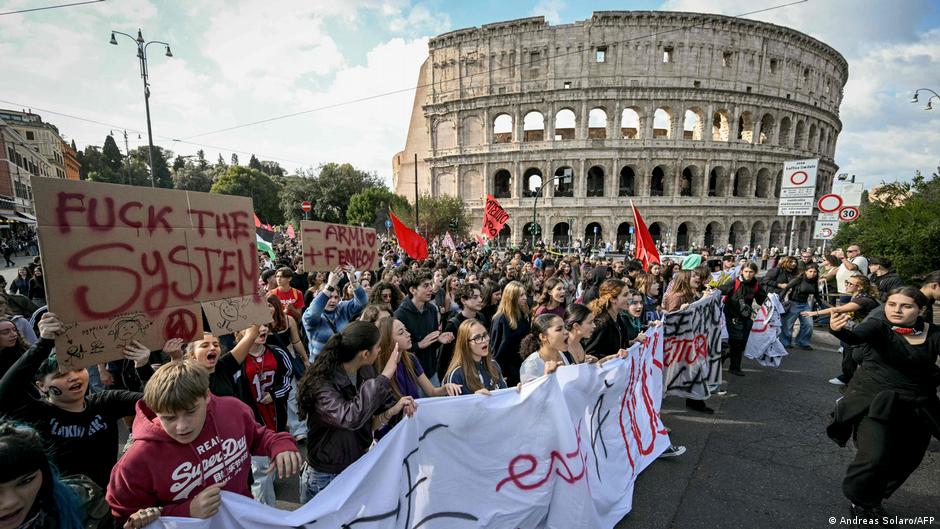
Italy has faced similarly serious unrest. Organizers said more than one million people joined protests there on October 30. Following severe rioting in Milan, Italian authorities ordered 500 military personnel into the city to help maintain order.
For consumers and everyday investors, the protests do not by themselves establish an immediate change in Germany’s economic outlook, household savings or the euro. They do, however, expose the political pressure surrounding living costs and government budget priorities. Calls to preserve social spending compete with other demands on public finances, while damage to businesses and restrictions in city centers impose more immediate local costs.
The scale of participation also shows that household affordability has become linked with a wider set of concerns among young Europeans, from access to mental healthcare to education and climate policy. How governments respond could influence future public spending choices and the financial burden carried directly by families.