Kyiv Strikes Raise Fresh Budget Risks for Ukrainian Households
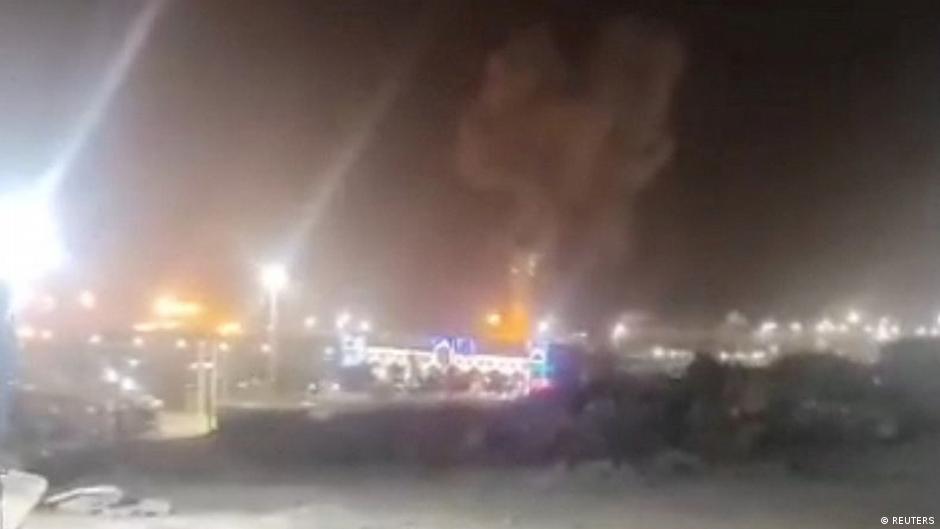
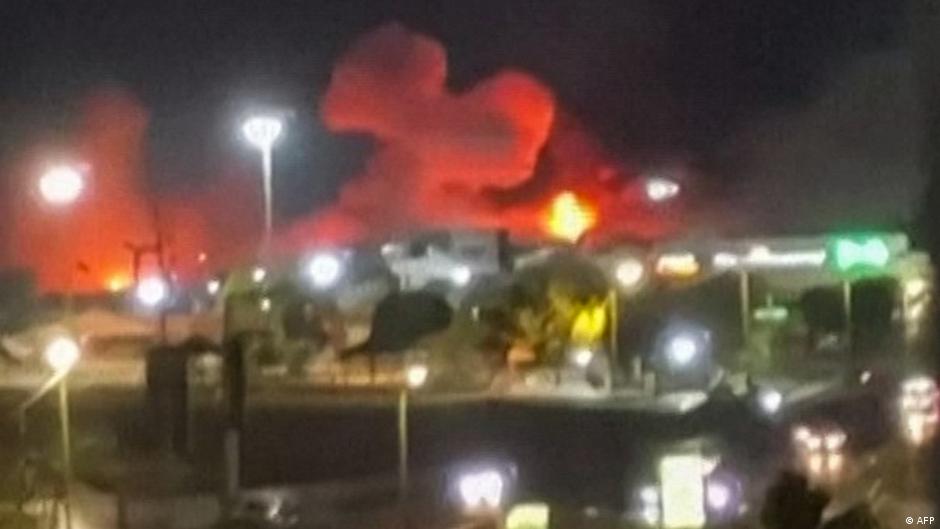
Russian strikes on Kyiv damaged homes, cars, garages and businesses, raising fresh financial pressure for households and local firms.

Russian strikes on Kyiv damaged homes, cars, garages and businesses, raising fresh financial pressure for households and local firms.

Germany’s planned anti-sabotage shield could add new cost pressures across transport, energy, cybersecurity and household budgets.

Sabotage at European defense factories risks supply chain disruptions that could raise consumer costs and disrupt savings amid ongoing geopolitical tensions.

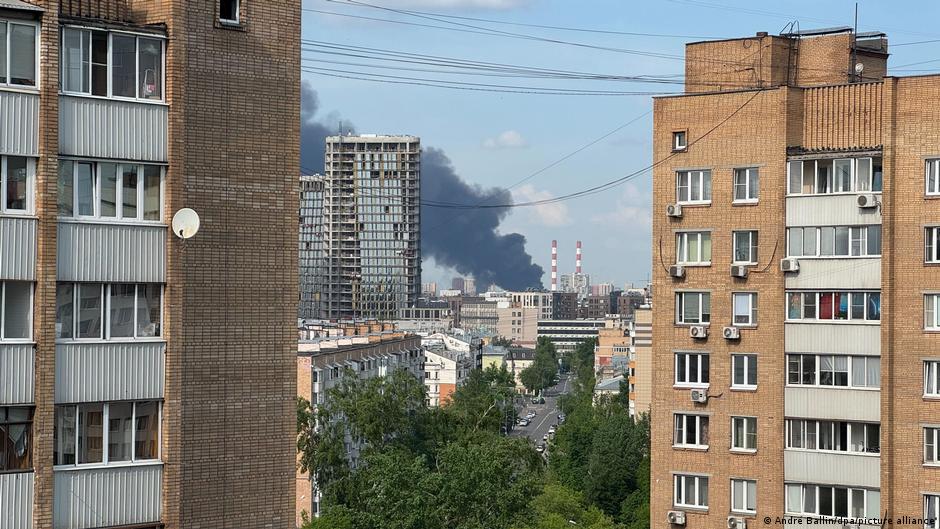
More than 180 drones were intercepted near Moscow, causing injuries and property damage that impact household safety, local infrastructure, and consumer costs.

Geopolitical tensions between Qatar and Iran threaten currency stability and consumer costs, impacting household budgets and everyday investors in the Gulf region.

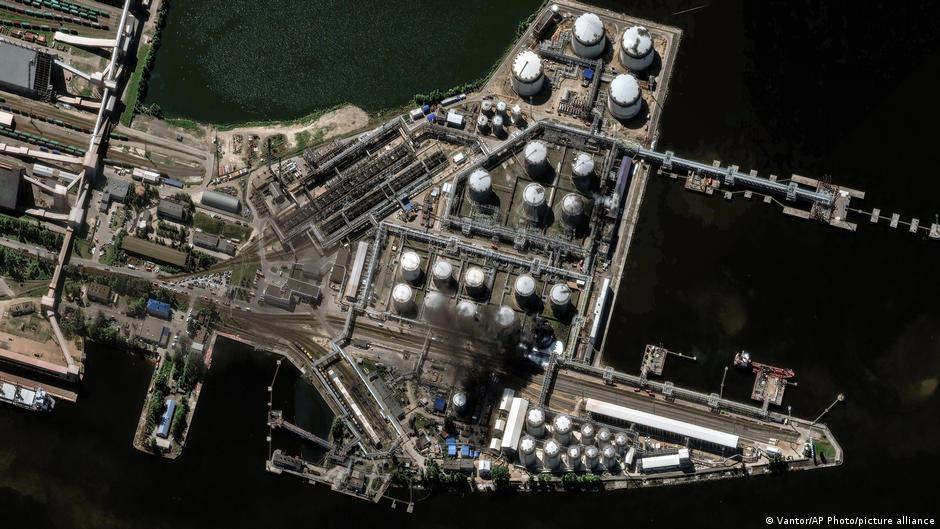
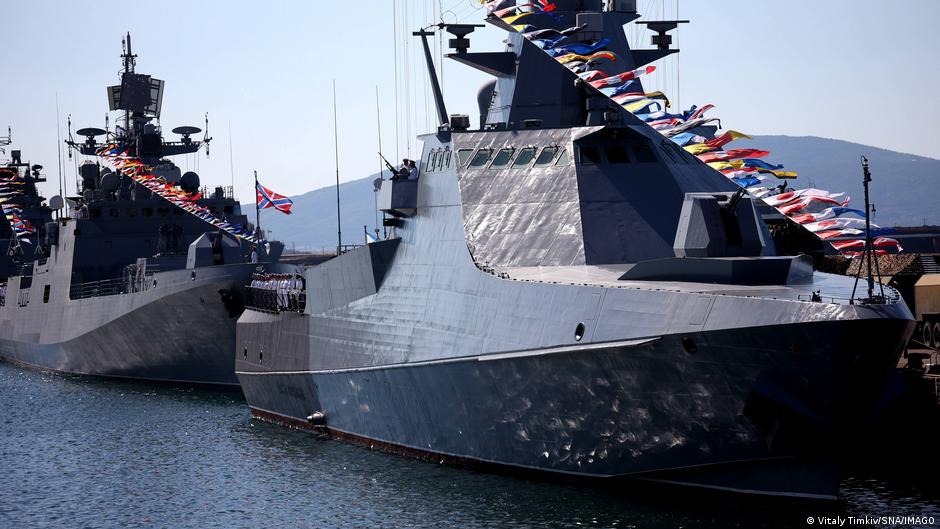
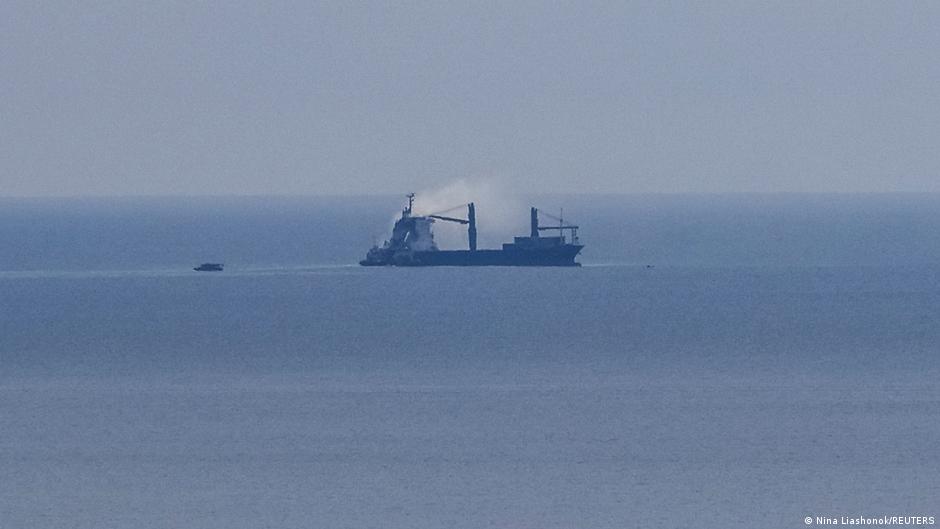
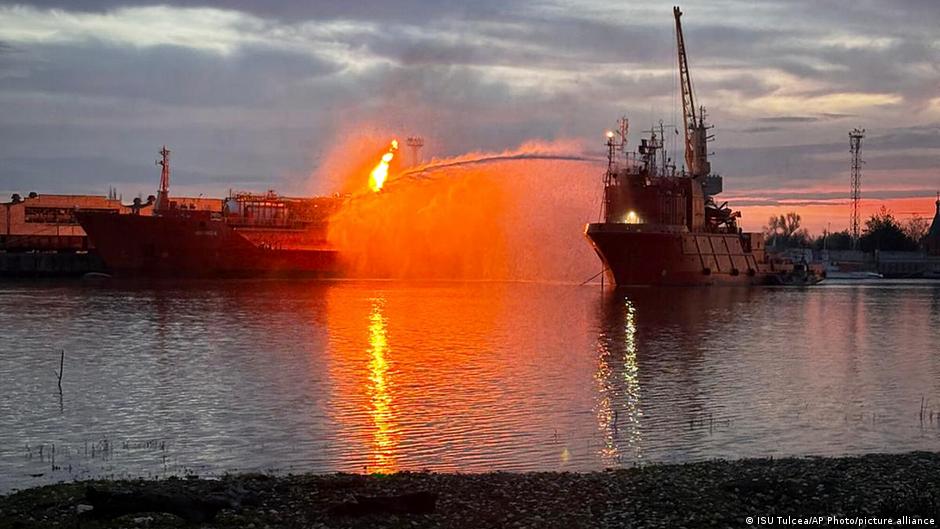
The strike on Russian warships and infrastructure in Novorossiysk disrupts regional energy and grain exports, impacting household budgets and consumer prices.

Ukrainian and Serbian presidents meet in Belgrade, focusing on economic and energy cooperation that may influence household budgets and consumer costs in both countries.

Russia's redeployment of a major warship near Germany heightens risks to Baltic shipping routes, potentially affecting European energy supplies and consumer costs.

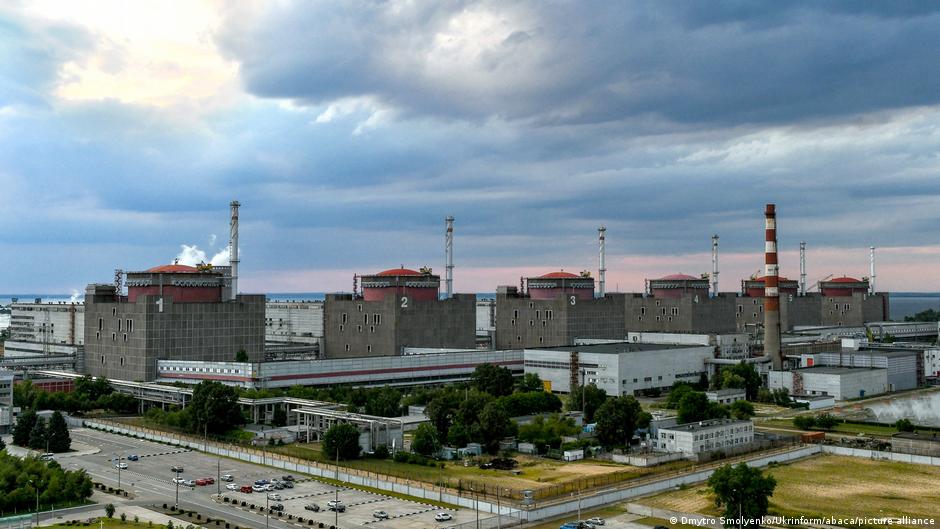
The Zaporizhzhia Nuclear Plant’s repeated power outages threaten regional energy stability, pushing up costs and straining household budgets amid ongoing conflict.
Uzbekistan’s new digital transformation plan introduces a national navigation system and unified public platform, aiming to improve services and reduce costs for consumers and investors.

The EU protests Russian missile strikes damaging civilian and diplomatic sites in Ukraine, escalating regional tensions that affect European household budgets, inflation, and currency markets.

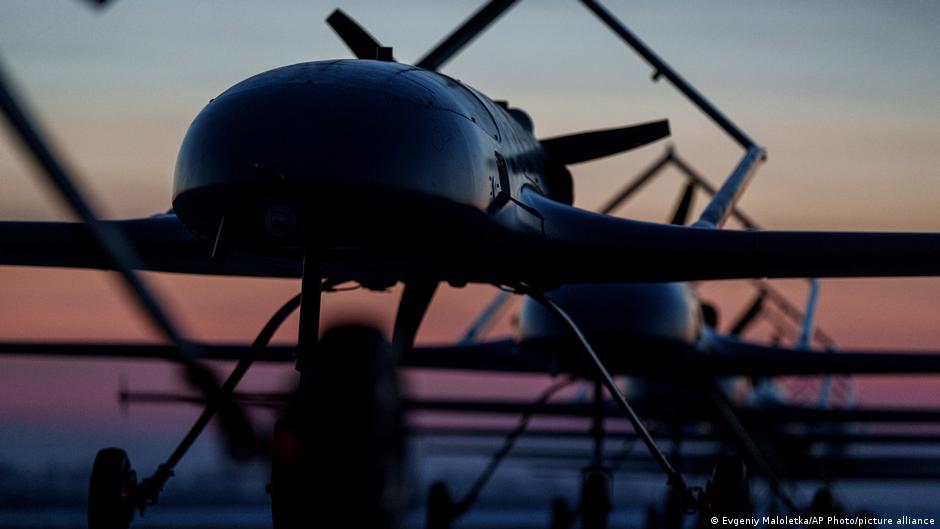
Drone attacks on Russian cities disrupt energy and logistics infrastructure, potentially leading to higher consumer costs and financial market uncertainty.

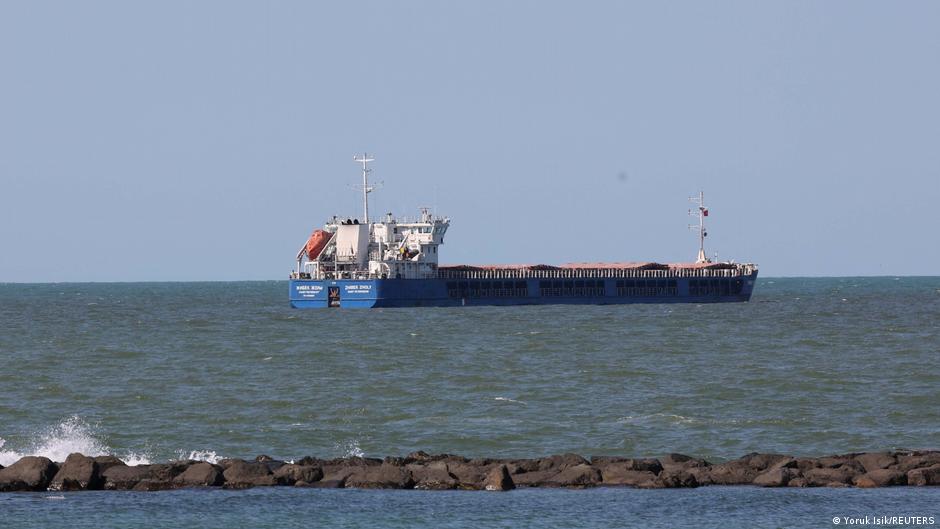
Russian attacks on Black Sea trade routes disrupt global food supplies, risking higher consumer prices and straining household budgets worldwide.

US strikes on Iran's infrastructure heighten risks of oil supply disruptions, driving up energy costs and impacting household budgets and investors worldwide.

Ukraine’s new Prime Minister Sergei Koretsky, an energy sector expert, could influence household utility costs and economic stability amid government reshuffle.

U.S.-Iran military clashes threaten to raise energy prices, impacting consumer costs, household budgets, and currency stability for everyday investors worldwide.

Uzbekistan’s water reforms improve resource efficiency, potentially reducing costs for households and strengthening financial resilience amid environmental challenges.

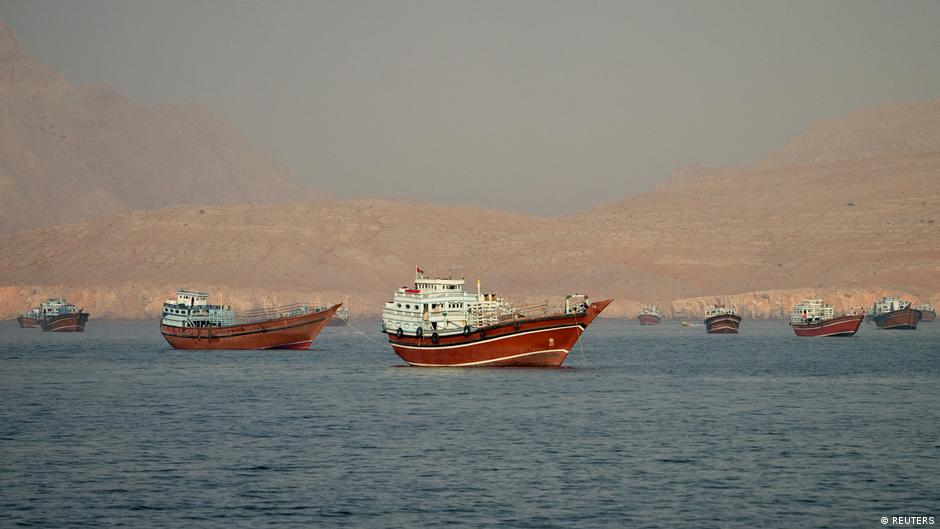
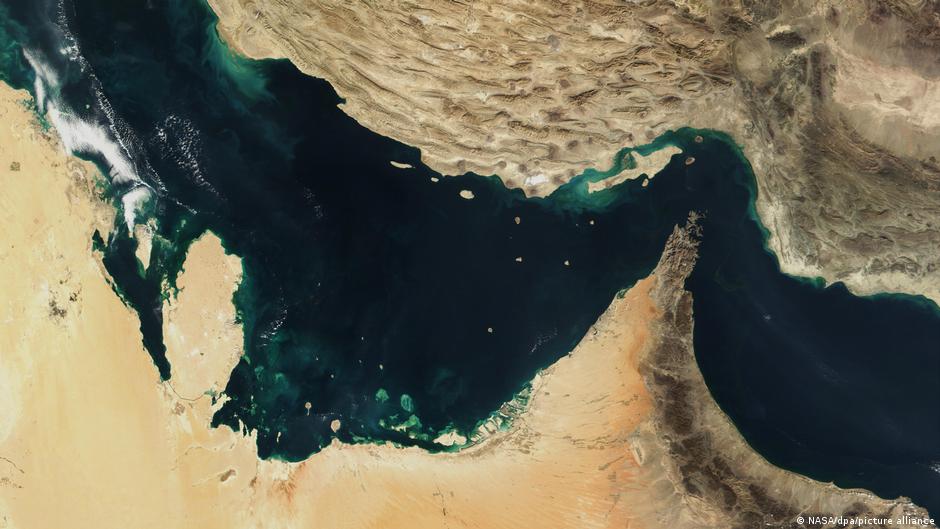
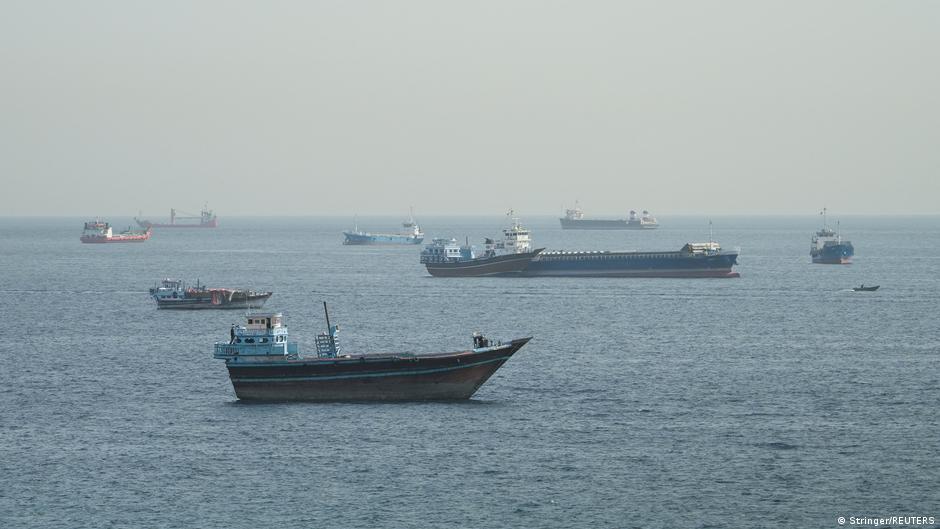
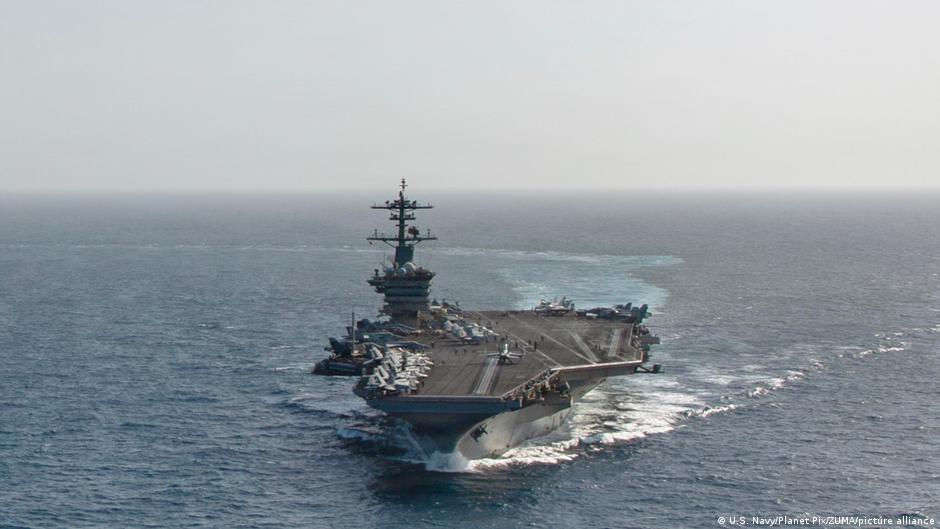
US military strikes on Iran near the Strait of Hormuz risk disrupting oil supplies, driving up energy prices, and straining household budgets and investments globally.

Russia's closure of the Azov-Don Canal after drone attacks disrupts grain exports, driving up wheat prices and posing risks to household budgets and commodity markets.

A temporary US-Iran ceasefire may lead to the reopening of the Strait of Hormuz, potentially lowering oil prices and easing fuel costs affecting households worldwide.

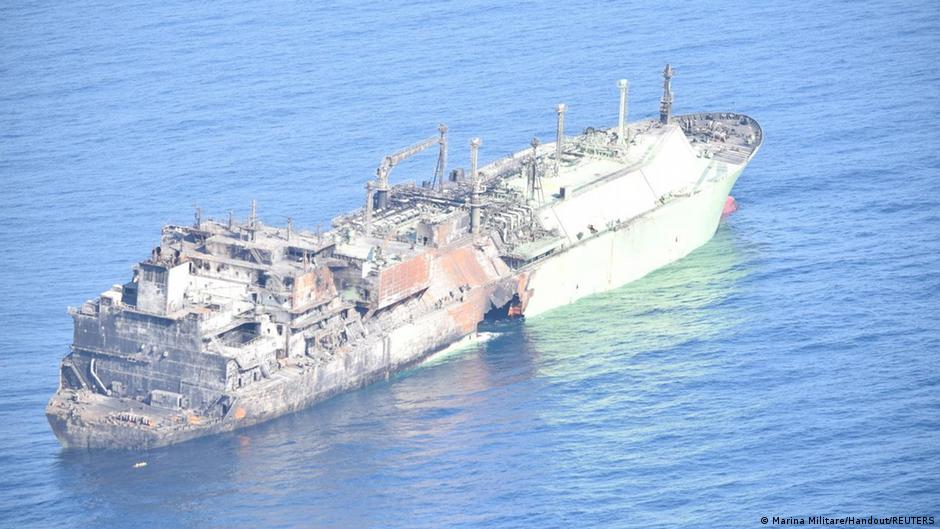
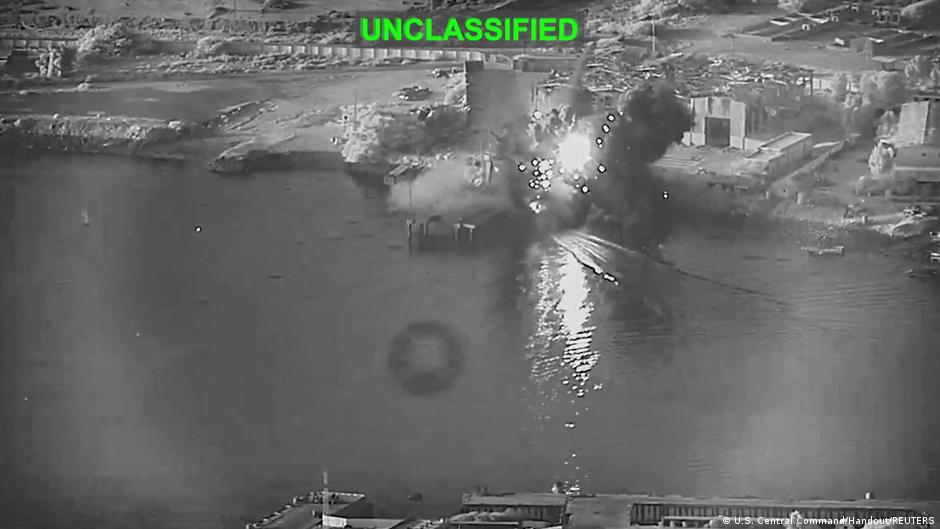
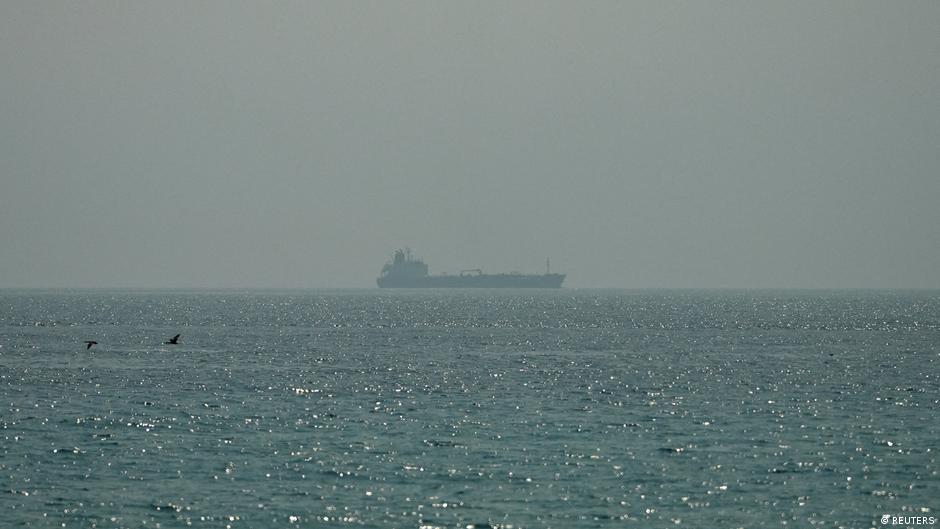
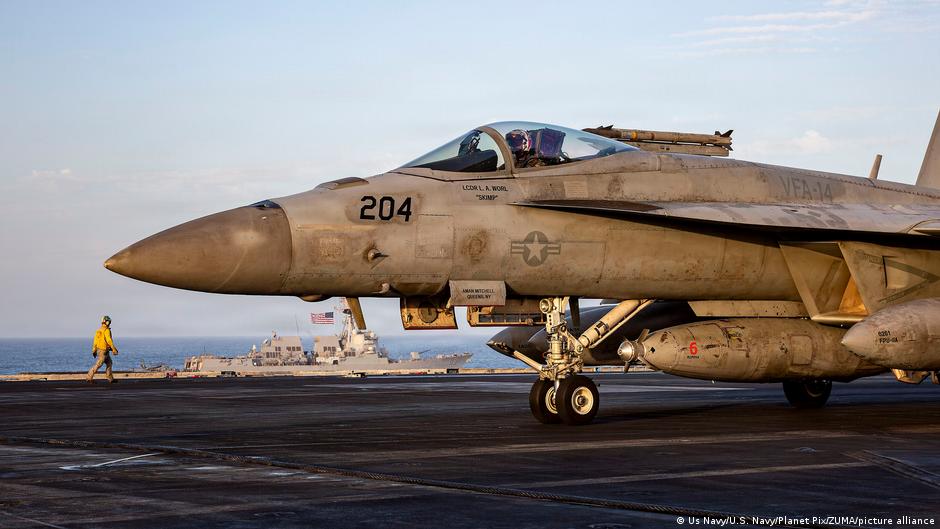
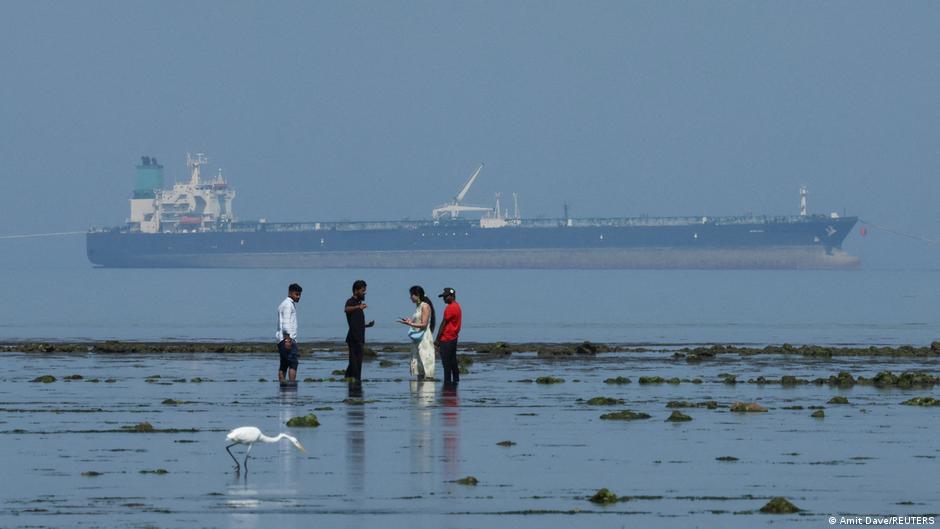
US strikes on Iranian military targets follow drone attacks on oil tankers near the Strait of Hormuz, risking higher energy prices and economic uncertainty for consumers worldwide.

Russia’s record oil exports coincide with falling prices, affecting household fuel costs, savings, and investor outlooks amid shifting geopolitical tensions.

The US may charge fees for passage through the Strait of Hormuz if Iran deal fails, risking higher oil prices and impacting household budgets and currency markets worldwide.

The US has ended its blockade of the Strait of Hormuz, allowing increased oil shipments that could stabilize fuel prices and ease household budget pressures worldwide.

The reopening of the Strait of Hormuz after a US-Iran peace deal could stabilize oil prices, easing fuel costs and benefiting household budgets globally.

Renewed US-Iran hostilities and the closure of the Strait of Hormuz are driving up oil prices, threatening household budgets and global consumer costs.

US-Iran drone strikes near the Strait of Hormuz threaten energy supply routes, potentially driving up global oil prices and impacting household budgets worldwide.

The US has secretly aided about 70 commercial ships through the Iran-blocked Strait of Hormuz, easing supply chain pressures and influencing consumer costs worldwide.

US military strikes on Iran escalate geopolitical tensions, risking volatility in markets and currencies that affect household budgets, savings, and consumer costs globally.

Russian attacks on Ukrainian energy and port infrastructure threaten household budgets by disrupting supplies and increasing costs for consumers.

Latvia’s defense minister resigned after drones violated airspace, raising concerns about regional security and potential impacts on household budgets and energy prices.

US-Iran talks nearing a deal could ease sanctions and lower energy prices, impacting household budgets, savings, and investment markets globally.

The EU-Mercosur free trade agreement starts provisionally, promising cheaper goods but raising concerns over environmental standards and agricultural impacts affecting households and investors.

Italy and Germany express concern as Israel halts Gaza aid flotilla, highlighting potential impacts on household budgets, currency markets, and consumer costs worldwide.

Oil prices surged over 7% amid US-Iran tensions, pressuring household budgets, savings, and currencies worldwide due to potential long-term supply disruptions.

King Charles III’s US visit amid UK-US tensions spotlights rising energy costs and currency risks affecting household budgets and everyday investors.

US halts envoy travel to Pakistan for Iran talks, shifting to phone diplomacy amid strategic confidence, impacting energy markets and household budgets.

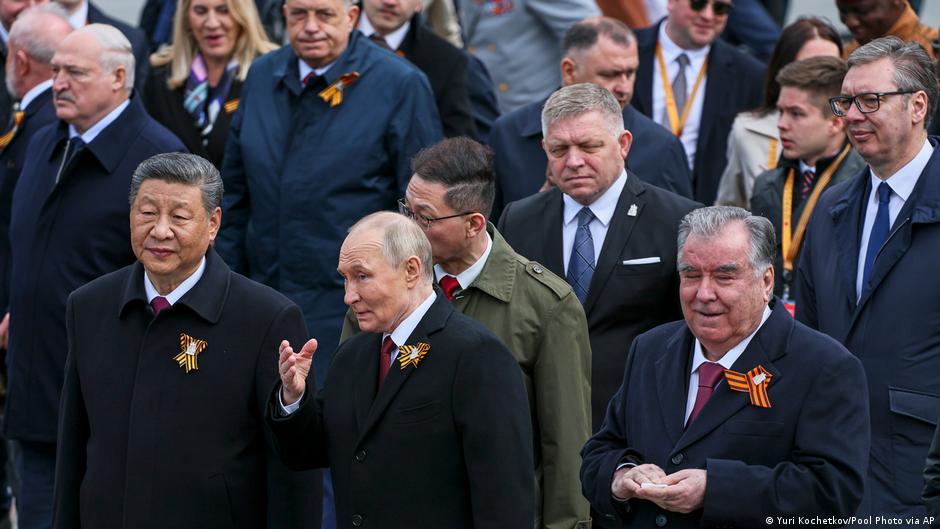
Lithuania and Latvia's closure of airspace to Slovak PM's flight to Moscow may raise travel costs and affect household budgets through longer routes and increased expenses.

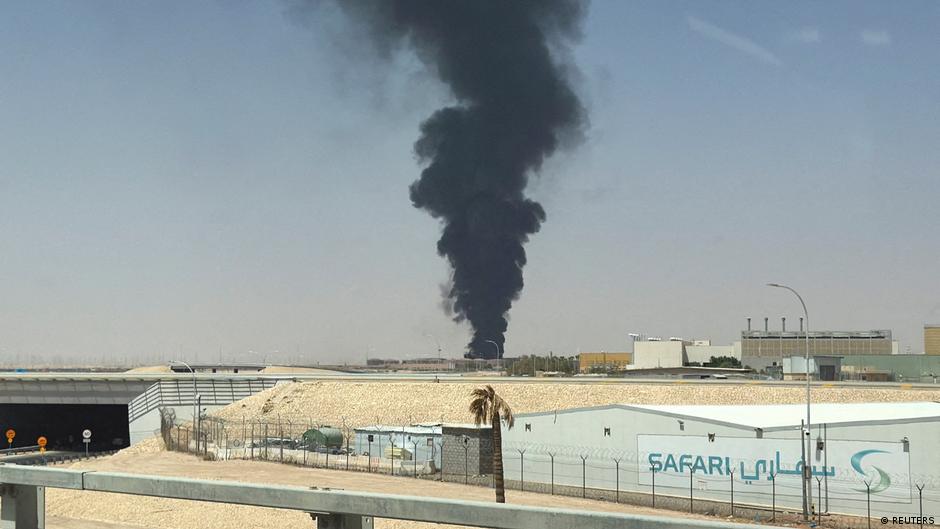
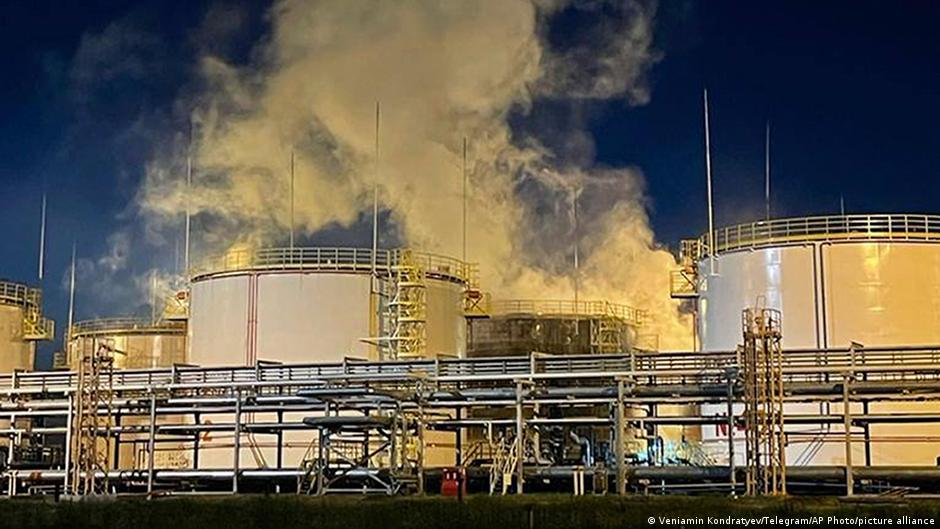
Drone attacks on Russian oil depots caused fires that may disrupt fuel supplies, affecting household energy costs and market stability.