Serbia Election Uncertainty Raises Stakes for Household Finances
A mass rally and tight polling put Serbia’s political stability—and its implications for household confidence, savings and investments—in focus before the October 25 election.

A mass rally and tight polling put Serbia’s political stability—and its implications for household confidence, savings and investments—in focus before the October 25 election.

Four Canadian soldiers were killed and dozens injured in an Alberta base fire, creating profound personal and financial uncertainty for military families.

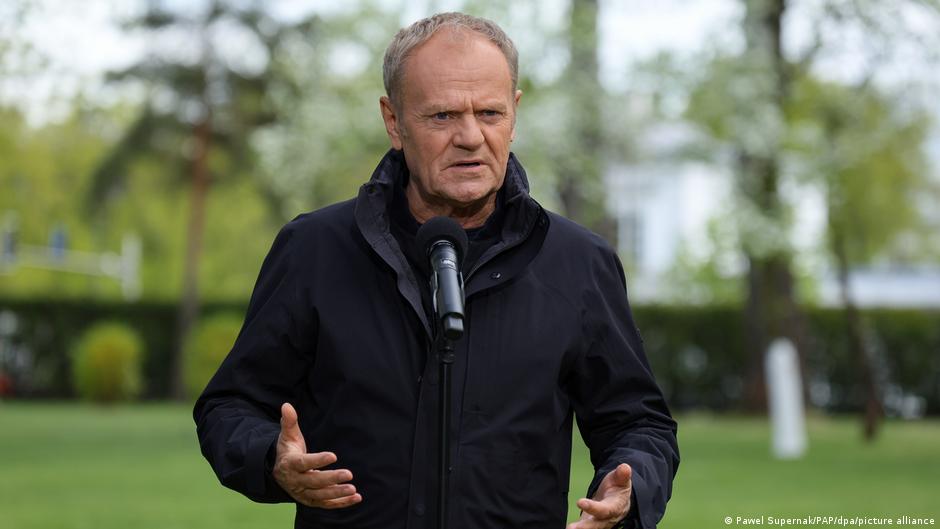
A suspected arson attack on a Polish Starlink station highlights the potential household and investment costs of threats to critical infrastructure.

Zelensky criticized a U.S.-Russia diesel supply deal, warning that cheaper fuel flows could come at the cost of prolonging the war.

Preliminary election results in Bosnia point to political continuity, with Dodik allies holding key posts and economic uncertainty still in focus.

Flydubai’s Israel flight suspension may force passengers into refunds, rebookings and higher-cost alternatives after a serious in-flight incident.

New York’s plan would raise hate-crime funding to $29 million, with money for synagogue security, education and Jewish institutions.

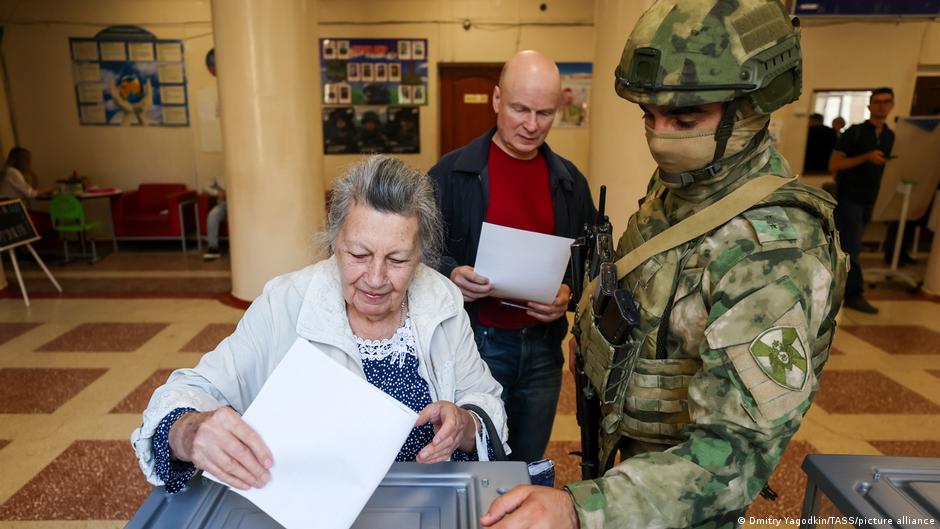
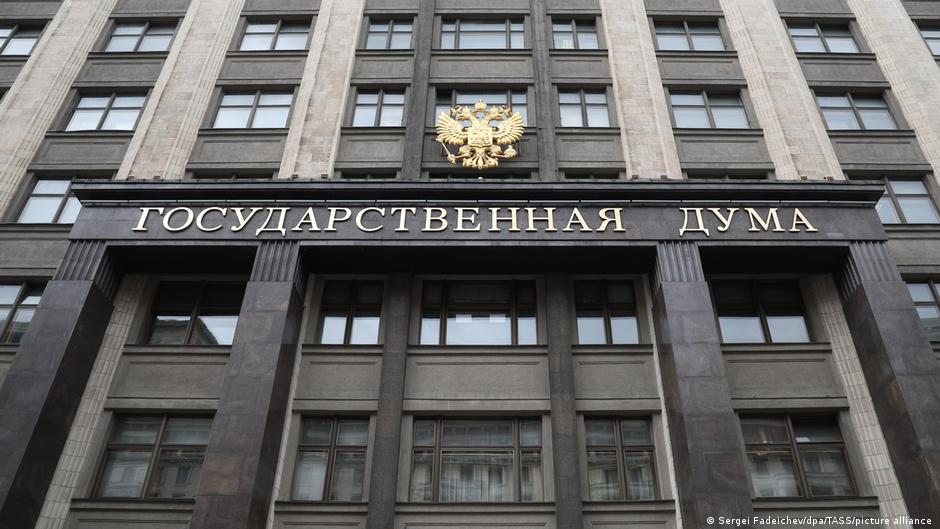
Ukraine sanctioned 44 people tied to Russian Duma voting in occupied territories, adding another layer of financial and currency risk.

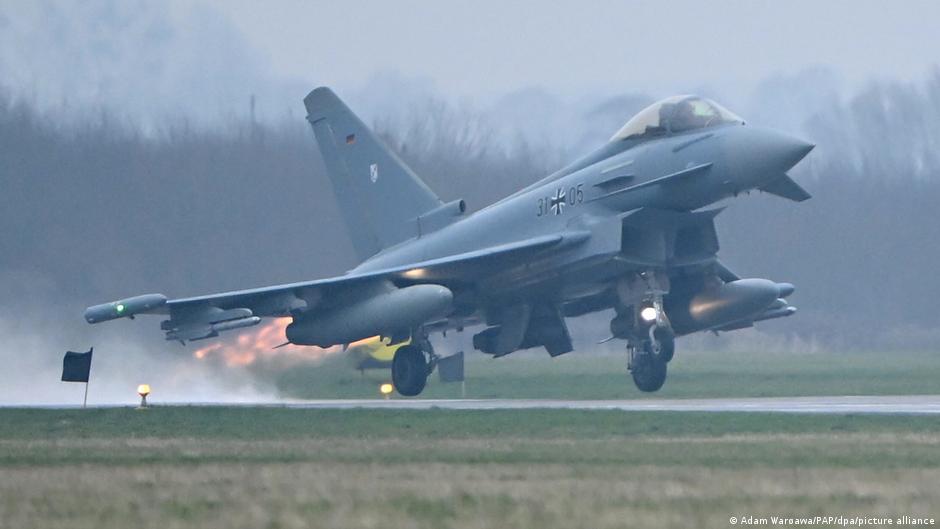
Germany’s Eurofighter deployment to Latvia highlights how Baltic security risks can affect budgets, savings and investor confidence.

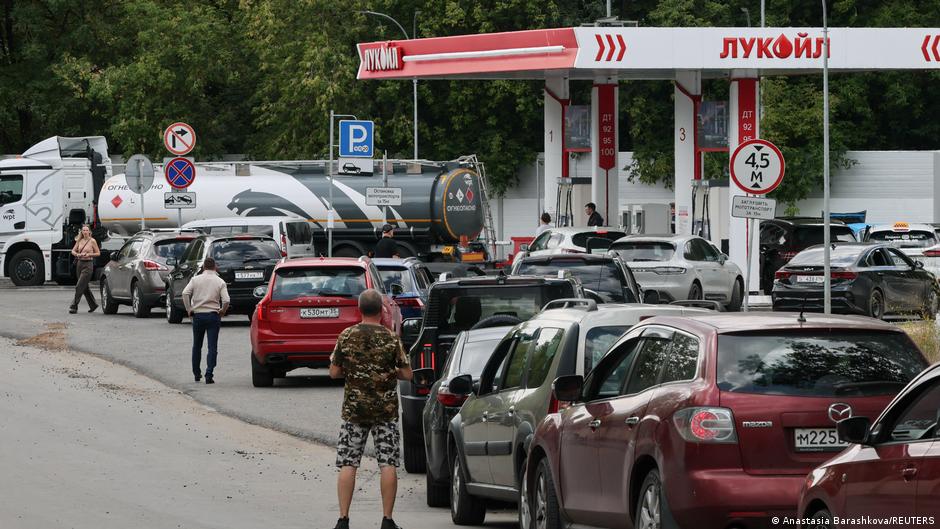
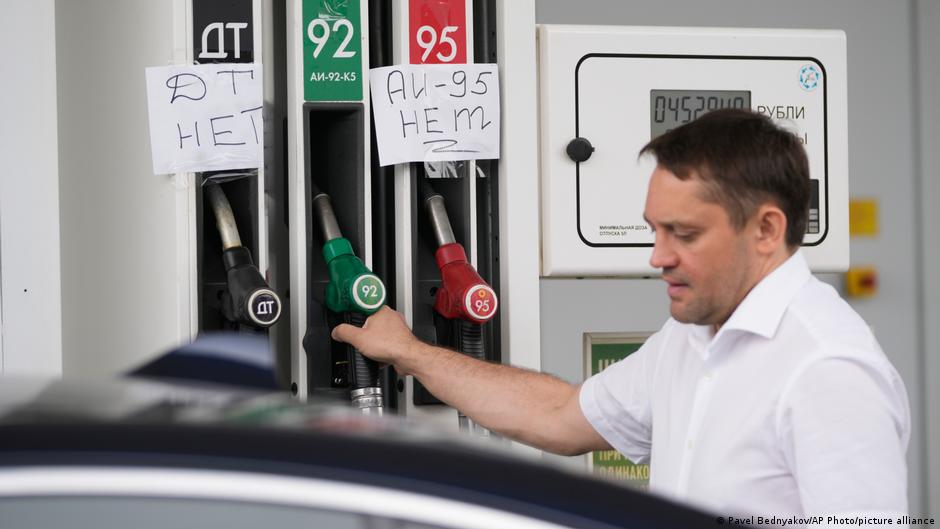
Kaluga and Zabaykalsky Krai are limiting gasoline sales again as refinery disruptions renew pressure on drivers and local budgets.

A US-Denmark-Greenland security deal could affect defense stocks, rare earth supply chains, currencies and household costs despite claims it is taxpayer-free.

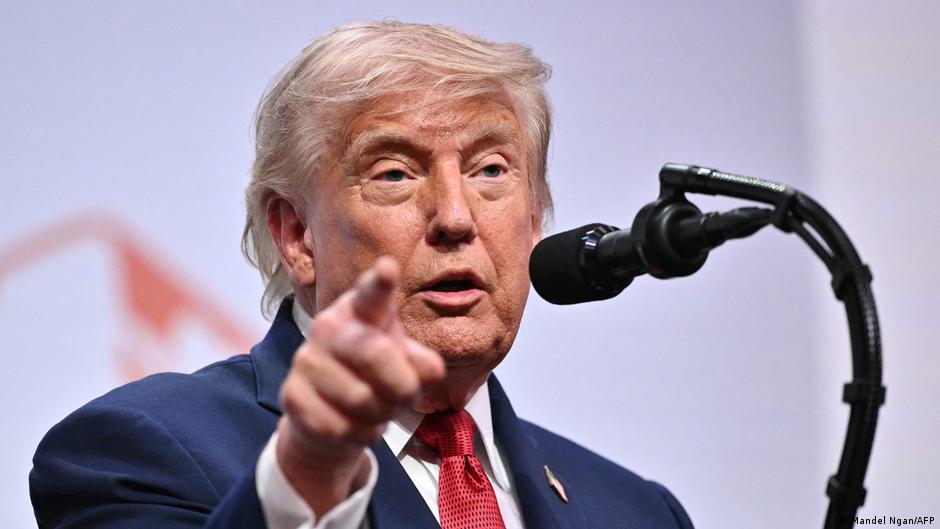
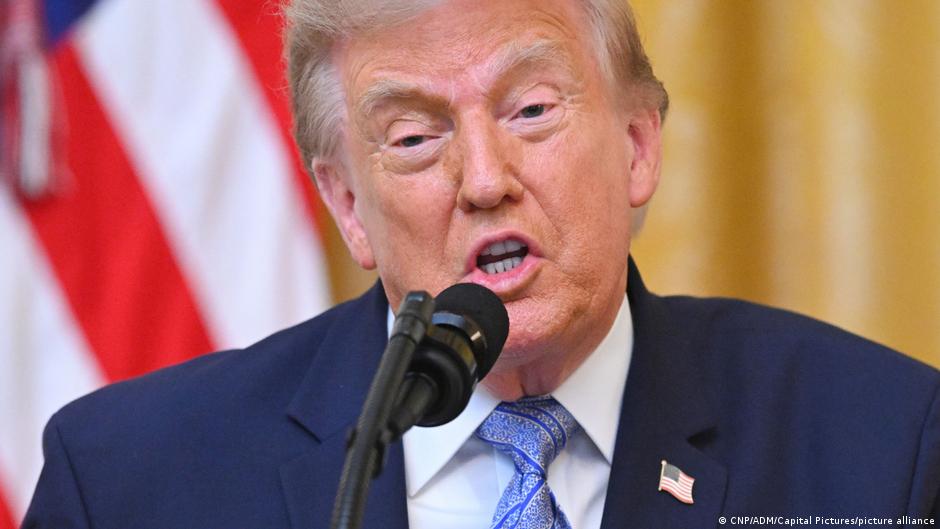
Trump’s EU trade threat over Canada ties raises new risks for household budgets, import prices, currencies and everyday investors.

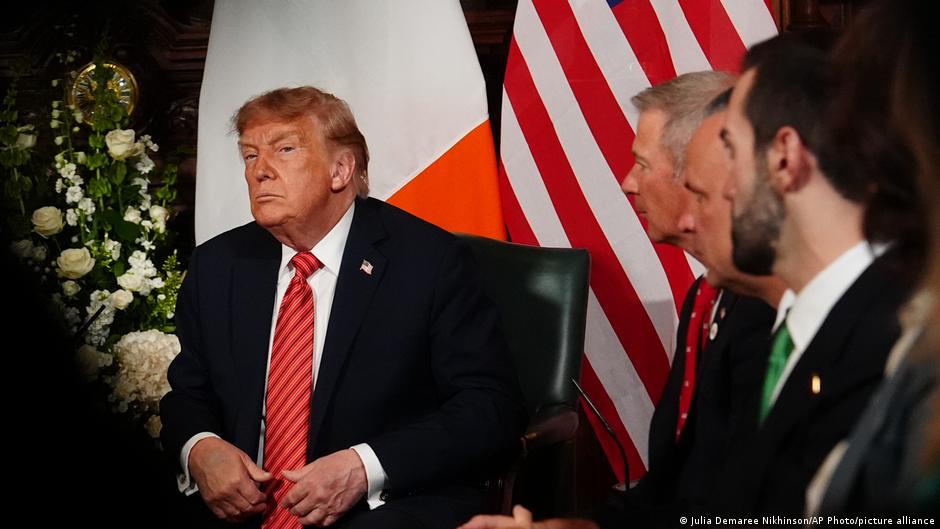
Trump said the U.S. will remove a 10 percent tariff on Irish whiskey, a move that could ease import costs and affect consumer prices.

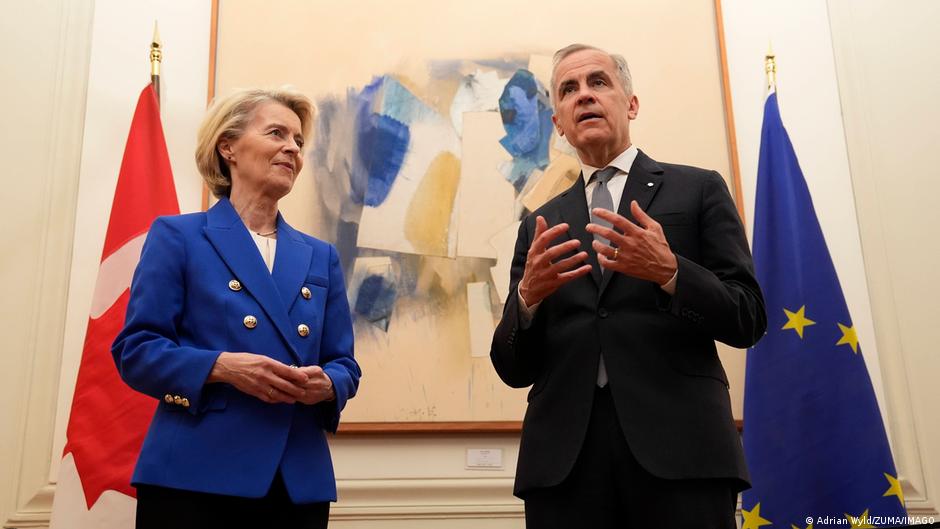
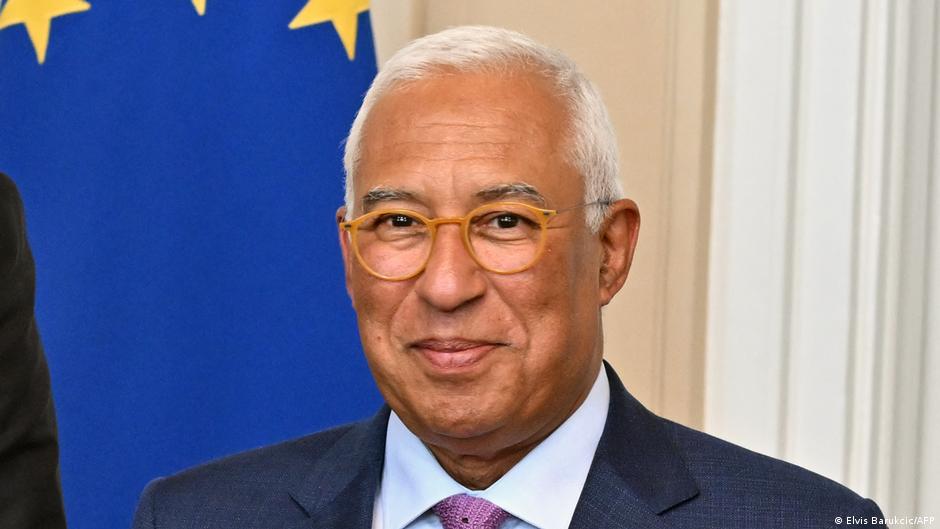
Canada is negotiating to join the EU’s €90 billion Ukraine loan, a move with implications for taxpayers, currency risk and investors.

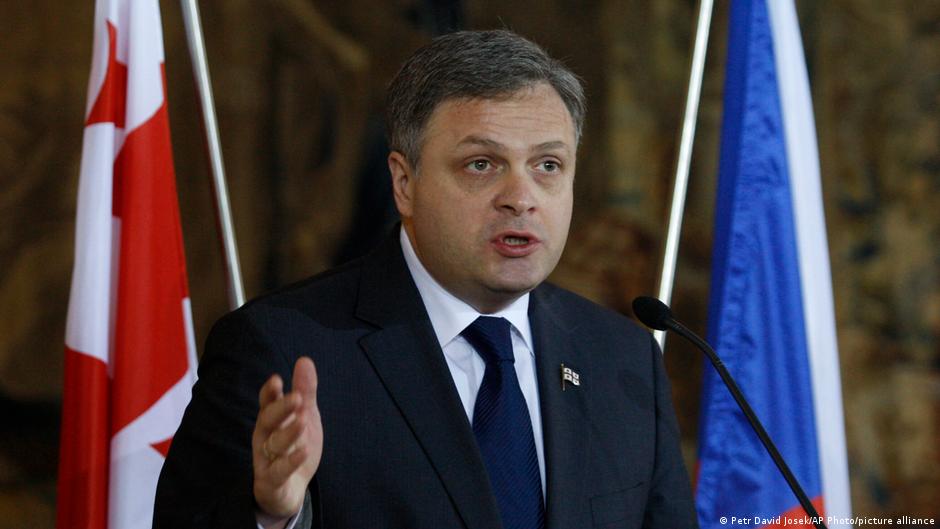
Georgia detained former defense chief Giorgi Baramidze in a treason case, adding political risk for households, savers and investors.

Zelensky expects U.S. talks by late September on food and energy security, issues tied to household bills, inflation and market risk.

A reported drone threat delayed Zelensky’s flight from Moldova, highlighting how regional security risks can affect travel, currencies and household costs.

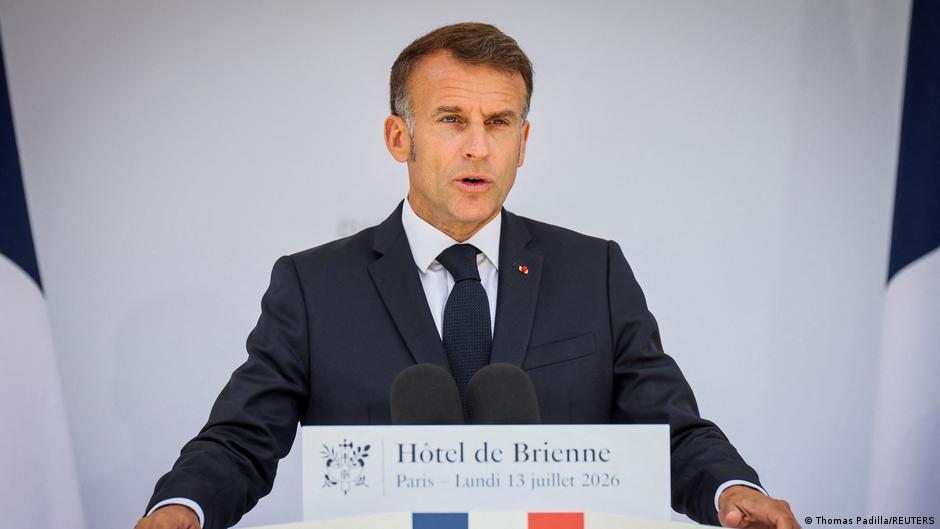
Macron is seeking an EU-wide under-15 social media ban, a move that could affect family tech spending, advertising exposure and platform investors.

AfD’s Saxony-Anhalt win drew sharp reactions from Poland and France, adding political uncertainty for European savers, households and investors.

Putin says Armenia’s EU accession push would effectively mean quitting the EAEU, raising questions for trade, prices and investor confidence.

The EU pledges ongoing support to Ukraine amid conflict, maintaining sanctions on Russia that affect European household budgets, currency markets, and investors.

Jared Kushner's talks with Hamas highlight persistent Middle East tensions that could impact currencies, inflation, and household finances worldwide.

Ukrainian and Serbian presidents meet in Belgrade, focusing on economic and energy cooperation that may influence household budgets and consumer costs in both countries.

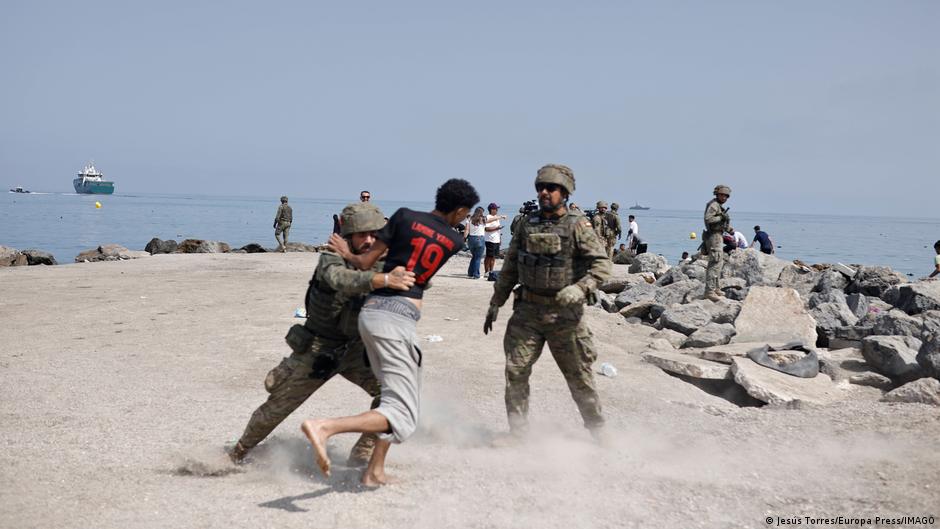
The surge of 60,000 migrants into Spain’s Ceuta enclave disrupts local economies, challenges household budgets, and raises currency and investment concerns across Europe.

President Zelensky's Washington visit coincides with Senate moves to expand Russia sanctions, affecting household budgets and investment risks amid geopolitical tensions.

The UK’s transfer of rights for the Stone Cloak electronic warfare system to Ukraine affects defense innovation and has broader implications for household budgets and currency stability.

Russia's updated fuel damping law aims to stabilize fuel prices, helping households manage costs amid market disruptions and supporting agricultural and import supply chains.

The US has imposed 50% tariffs on Canadian imports, raising prices on goods like wine and cement, which may increase costs for American households and affect everyday investments.

Hungary’s veto on Ukraine’s EU accession negotiation clusters delays integration, risking currency volatility, inflation, and uncertainty for households and investors.

Ukraine’s new Prime Minister Sergei Koretsky, an energy sector expert, could influence household utility costs and economic stability amid government reshuffle.

The US is negotiating to restore an Iraq-Syria oil pipeline to bypass the Strait of Hormuz, aiming to stabilize energy supplies and ease global household energy costs.
Former Spanish PM’s remarks on the French World Cup team spark debate with implications for economic confidence and investor sentiment in Europe.

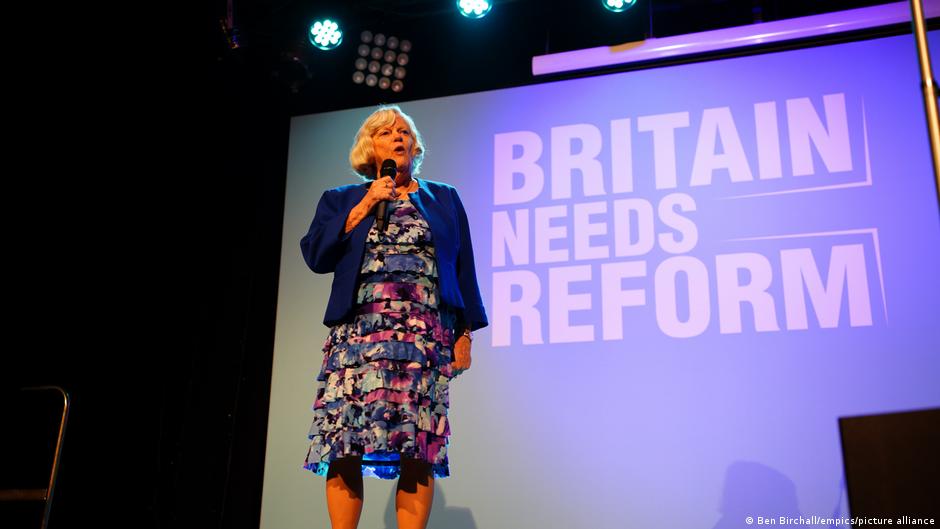
The killing of UK politician Anne Widdicombe raises public safety concerns that may impact household budgets, consumer confidence, and the broader economy.

Russia permits use of older Euro-3 gasoline and diesel fuels until 2026, impacting fuel quality, prices, and household budgets amid a worsening supply crisis.

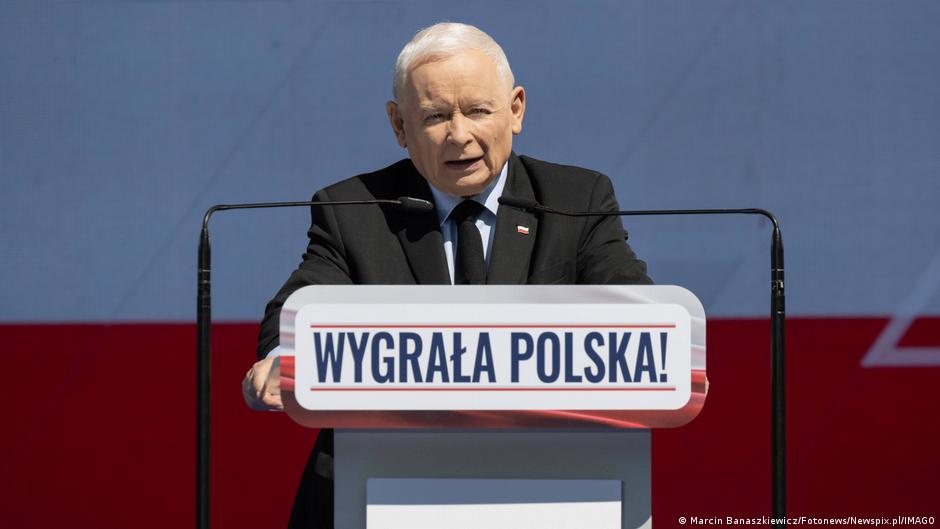
Polish opposition leader Jarosław Kaczyński calls to block Ukraine’s EU accession talks amid rising tensions that could affect consumer economies and household budgets.

Italy’s Foreign Minister cancels US visit after President Trump's remarks about PM Meloni, potentially disrupting business ties and impacting households and investors.

US intelligence warns Israel may disrupt the US-Iran agreement, with implications for regional stability, household budgets, currencies, and investors.

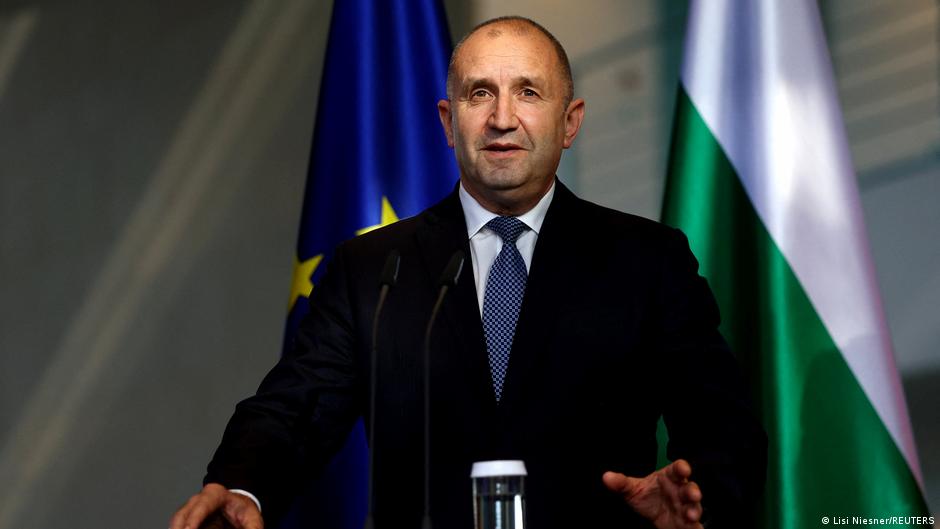
Bulgaria plans to veto the EU's new sanctions on Russia, citing risks to fuel supply, metro parts, and fertilizer availability that could impact household budgets and inflation.

The EU has extended sanctions on Russia to one year, intensifying economic pressures that may raise energy costs and impact European household budgets and savings.

The reopening of the Strait of Hormuz after a US-Iran peace deal could stabilize oil prices, easing fuel costs and benefiting household budgets globally.

Hungary's parliament limits prime minister terms to two four-year periods, impacting political stability and economic policies that affect household budgets and investor confidence.

European leaders welcome the US-Iran peace deal as a move to stabilize energy markets, potentially easing household energy costs and inflation worldwide.

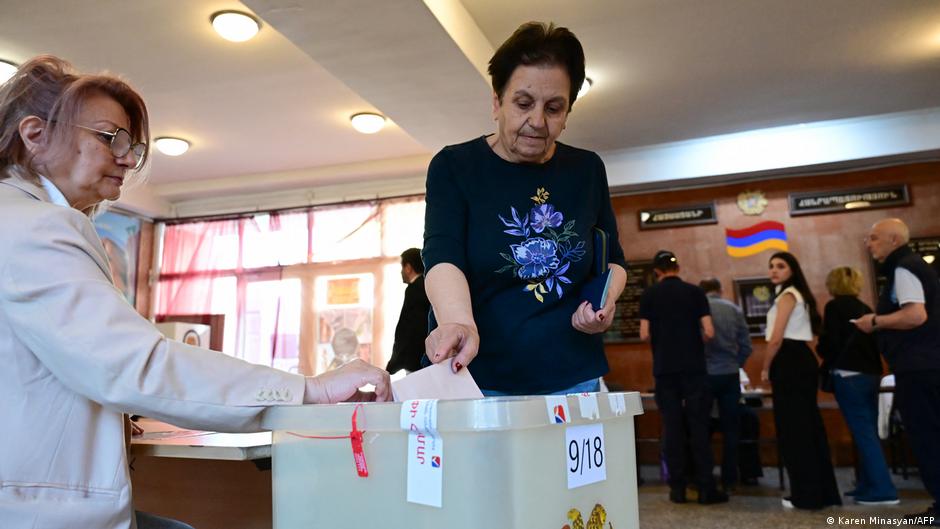
Armenia’s parliamentary vote recount reveals minor shifts in party results amid political tensions that may affect currency stability, household budgets, and investor confidence.

Reports claim the UAE is unfreezing billions in Iranian oil funds to stop attacks, impacting currency stability and household finances across the region.

Germany commits an extra €300 million to Ukraine ammunition supplies, raising concerns about European fiscal pressures affecting household budgets and consumer finances.

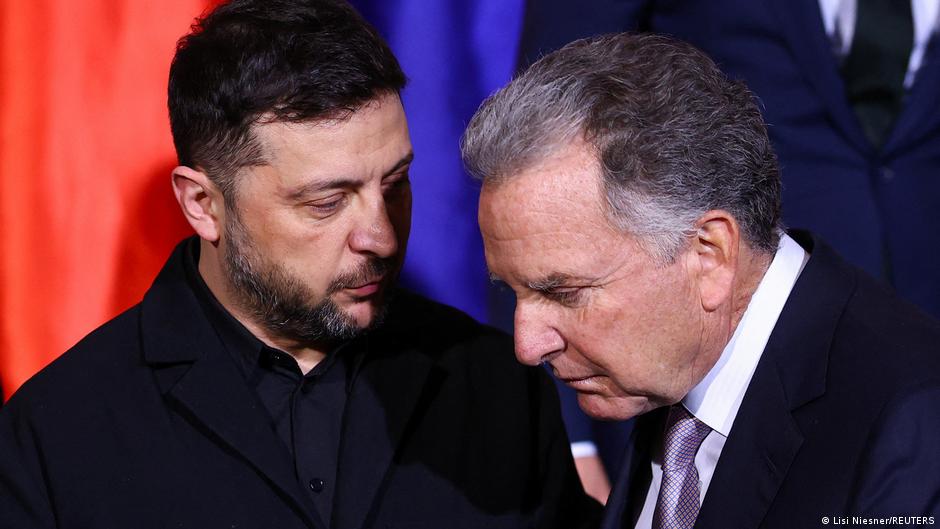
President Zelensky's positive talks with US envoys highlight ongoing efforts to end the Ukraine war, affecting household budgets and financial markets worldwide.

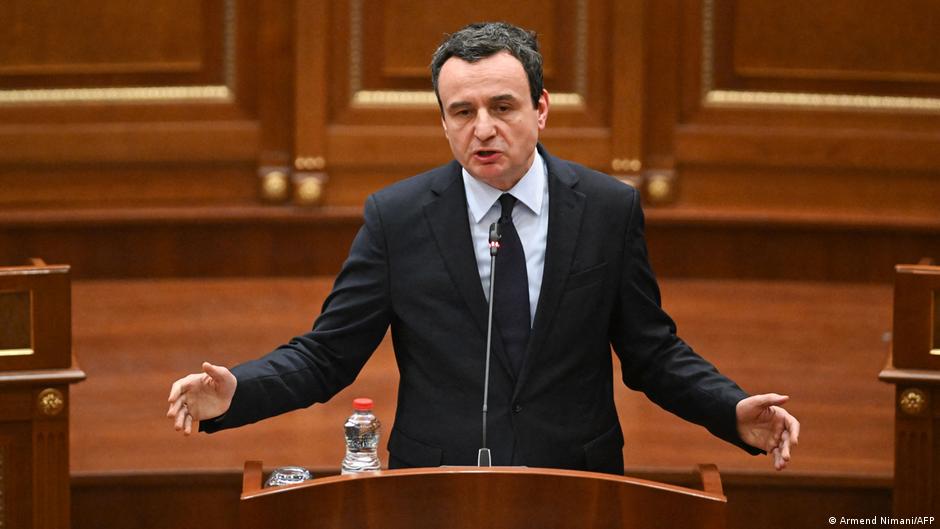
Kosovo’s ruling party wins elections but must form a coalition amid political instability, impacting household budgets, currency stability, and consumer confidence.

Armenia’s parliamentary elections favor PM Pashinyan’s party, signaling potential economic shifts that may affect household expenses, savings, and currency stability amid geopolitical tensions.

Russia plans 1-2 month export restrictions on diesel and jet fuel to stabilize domestic supply amid refinery disruptions, affecting household budgets and energy prices.

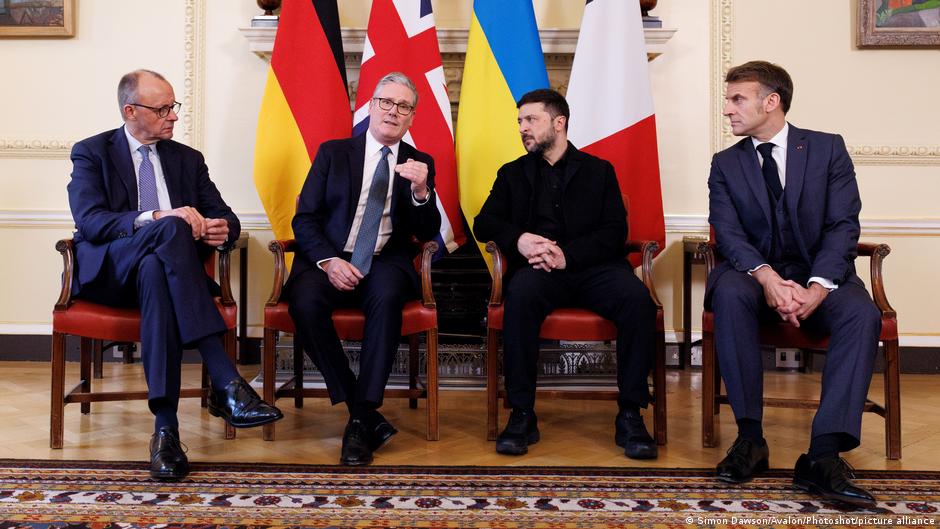
European leaders and Ukraine's Zelensky renew peace talks as the war's economic toll grows, affecting household budgets, savings, currencies, and everyday investors.