Escalating US-Iran Conflict Threatens Global Oil Supply and Household Budgets
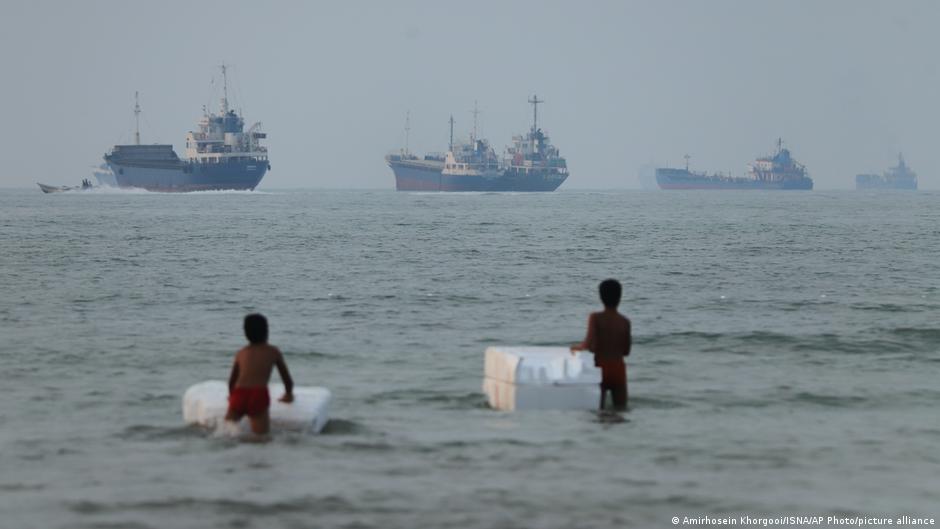
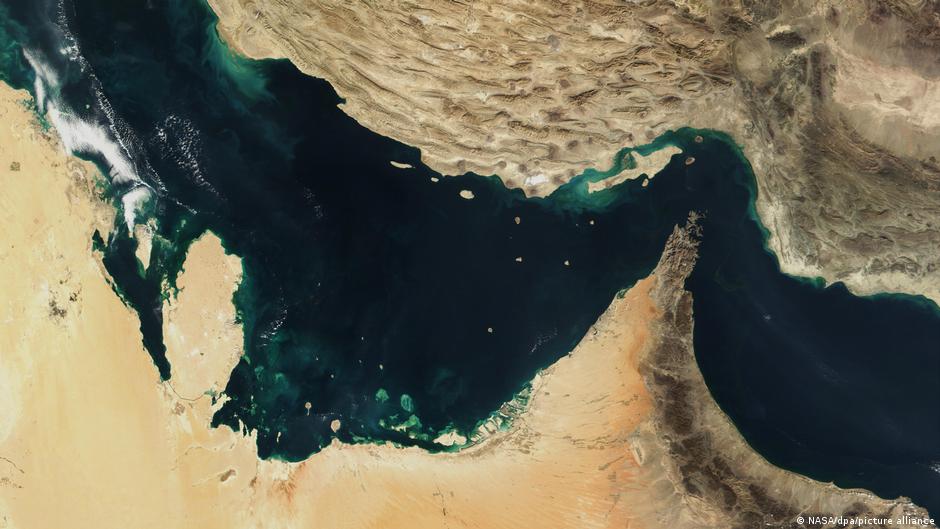
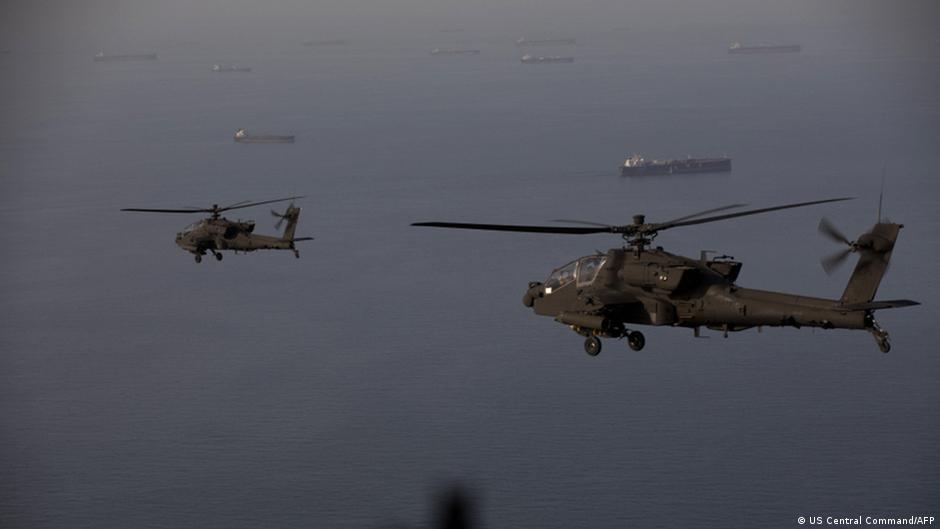
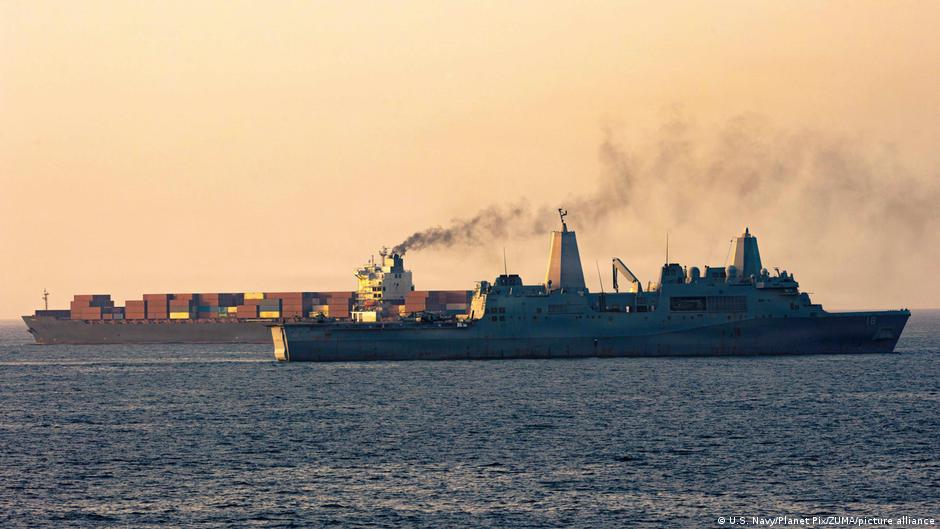
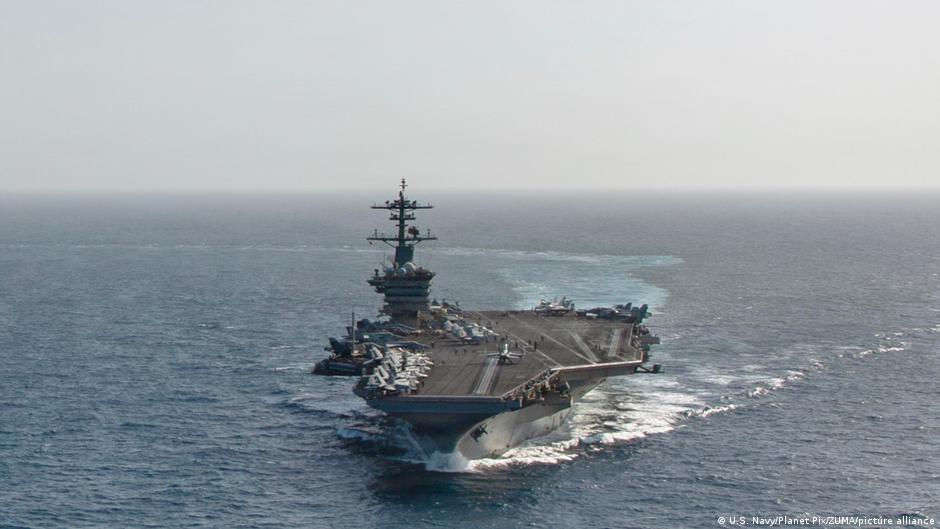
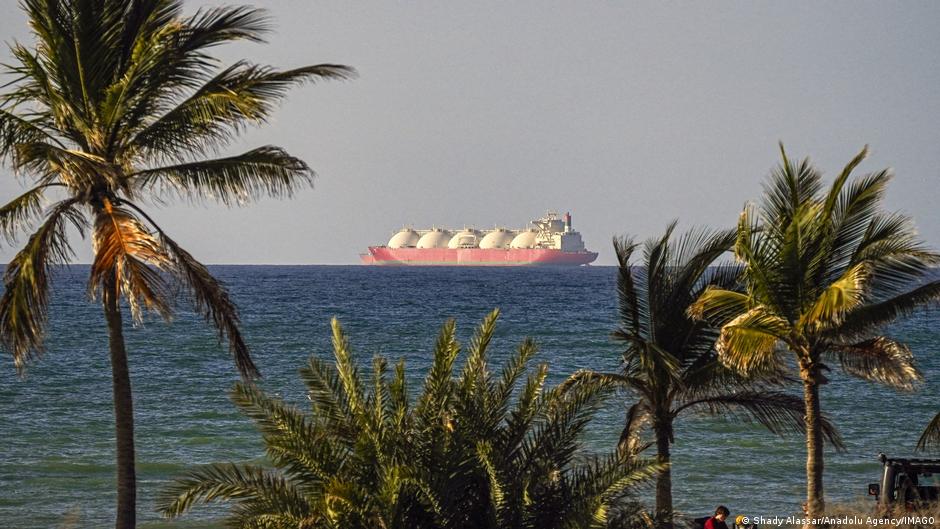
Renewed US-Iran hostilities and the closure of the Strait of Hormuz are driving up oil prices, threatening household budgets and global consumer costs.

Renewed US-Iran hostilities and the closure of the Strait of Hormuz are driving up oil prices, threatening household budgets and global consumer costs.

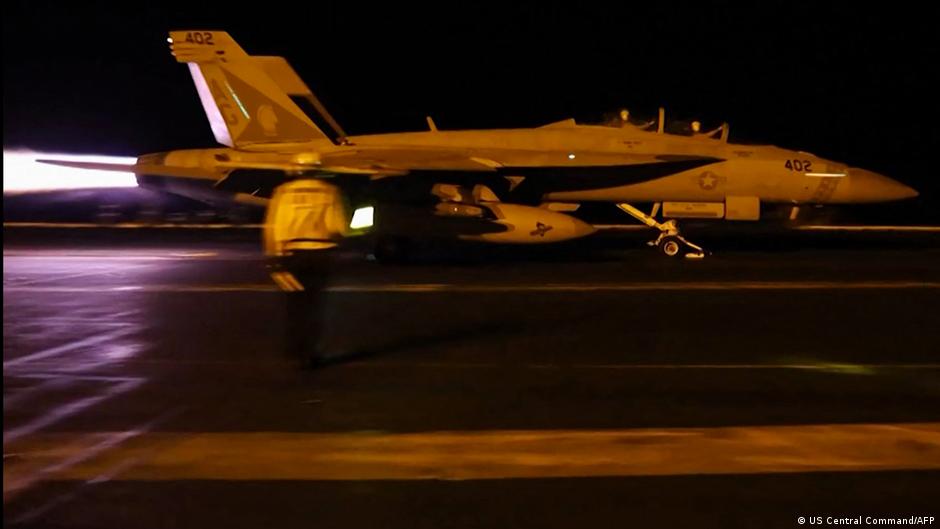
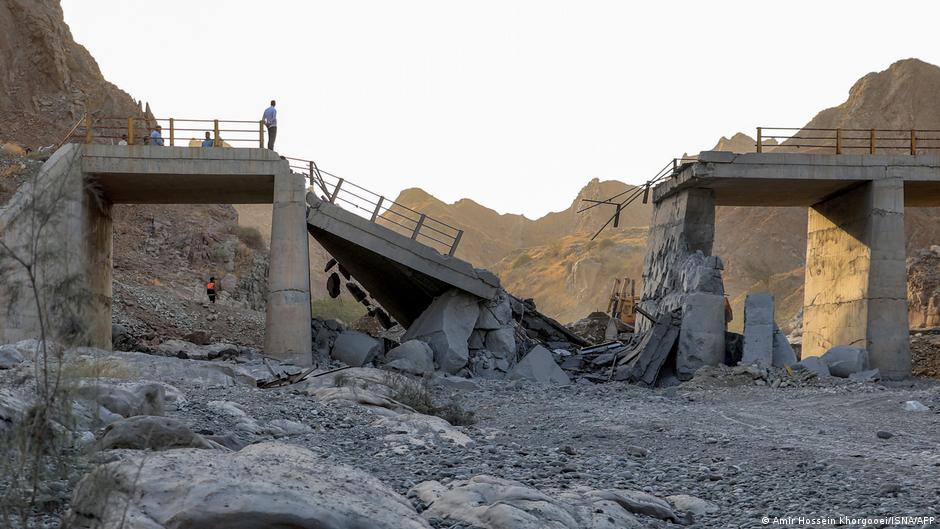
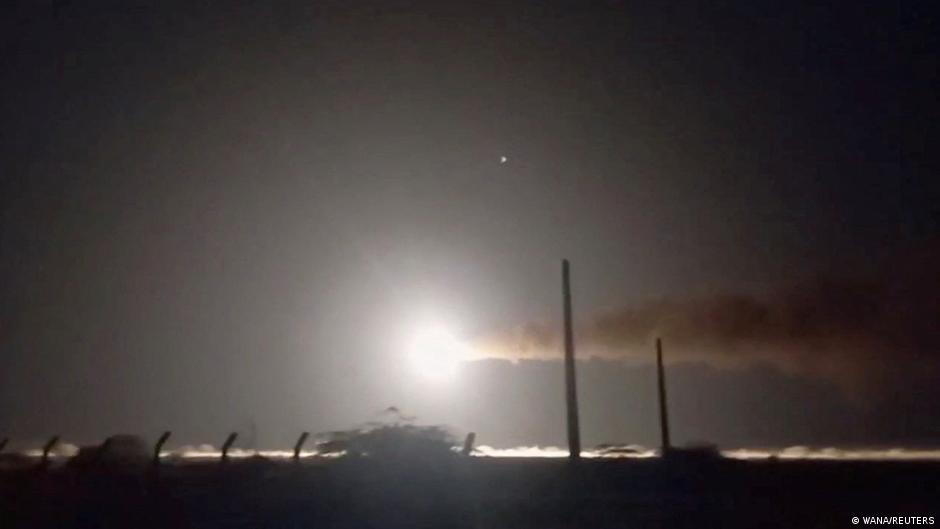
US strikes on Iran near the Strait of Hormuz raise the risk of higher oil prices, impacting household budgets, savings, and currency stability worldwide.

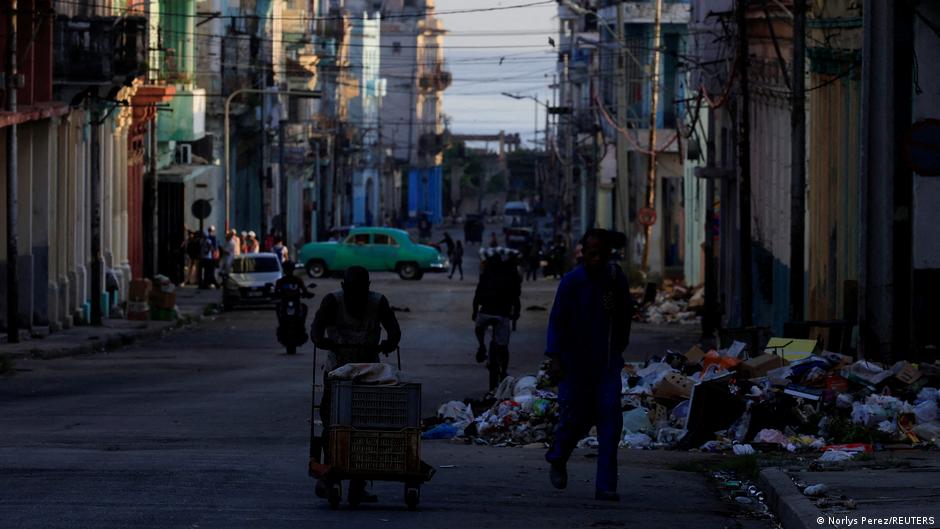
The US has expanded sanctions targeting Cuban leaders, worsening the island’s economic crisis and directly impacting household budgets and access to essential goods.

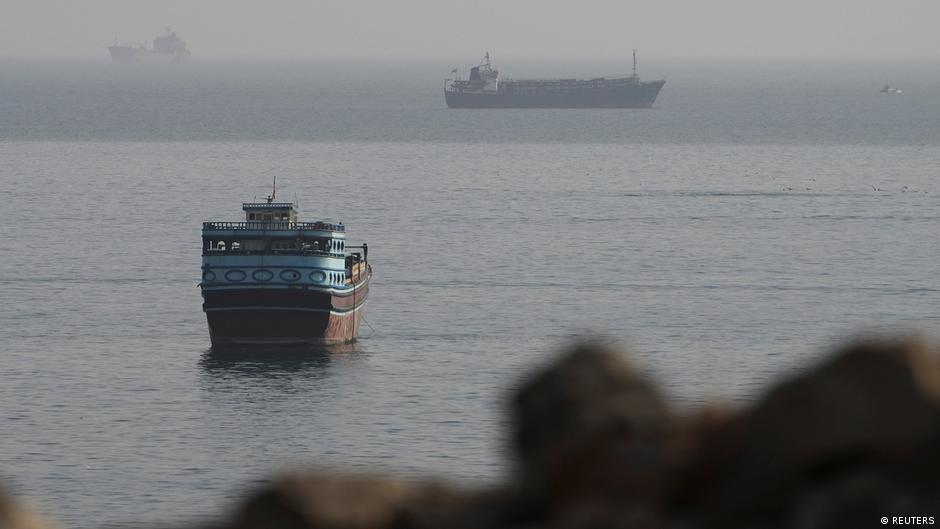
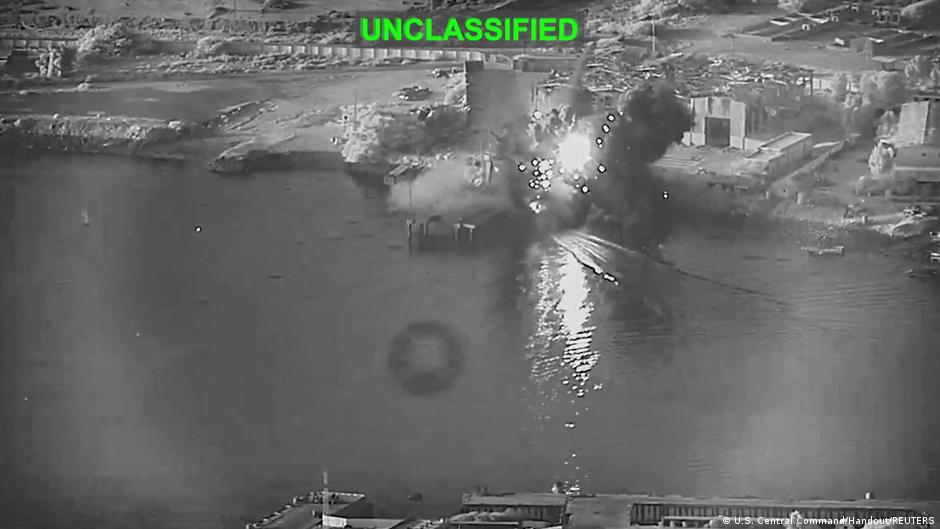
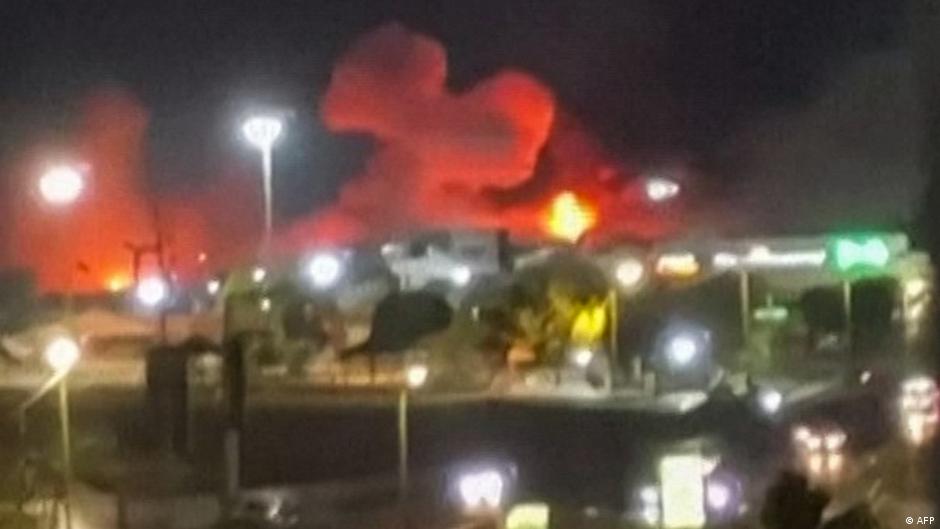
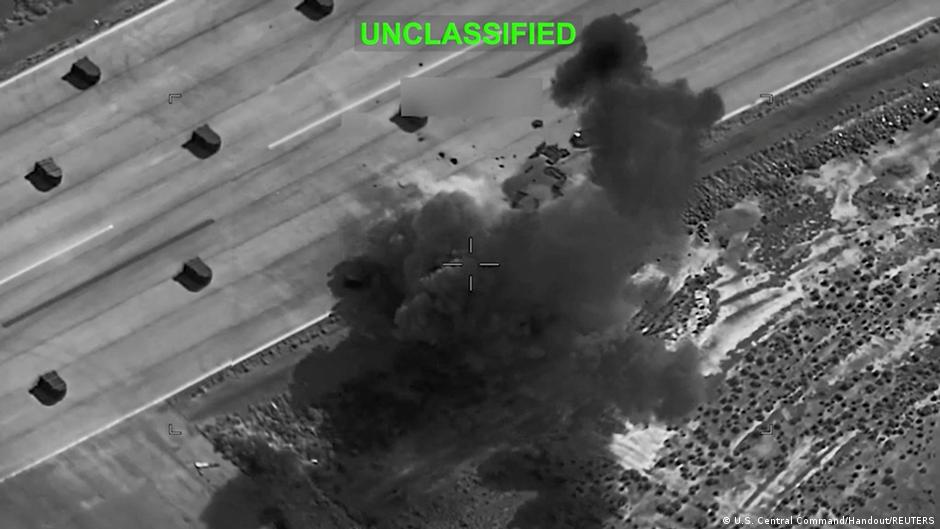
The US missile strike on a ship bound for Iran disrupts trade in the Strait of Hormuz, risking higher oil prices and impacting household budgets and savings globally.
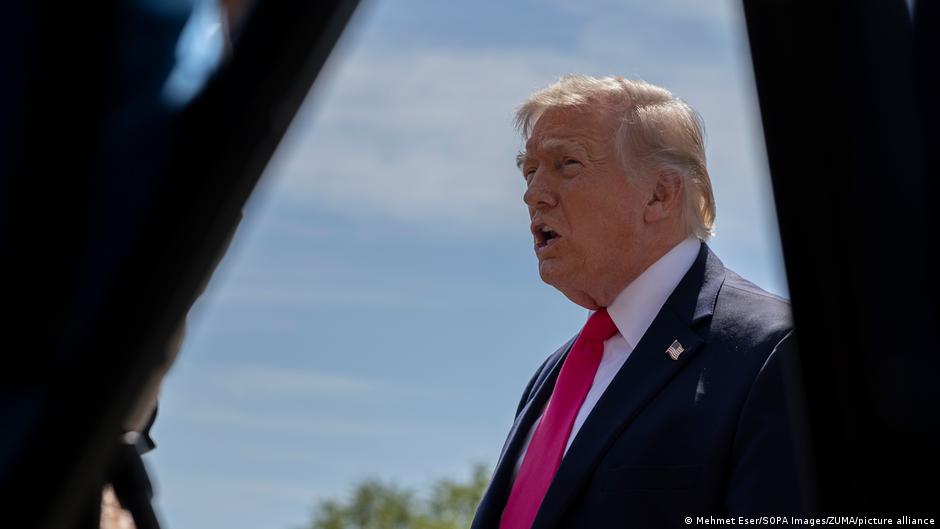
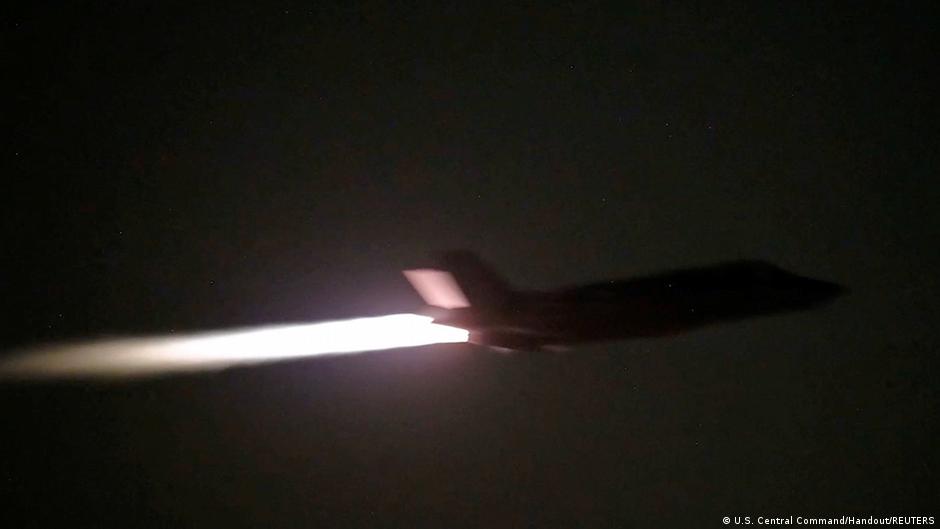
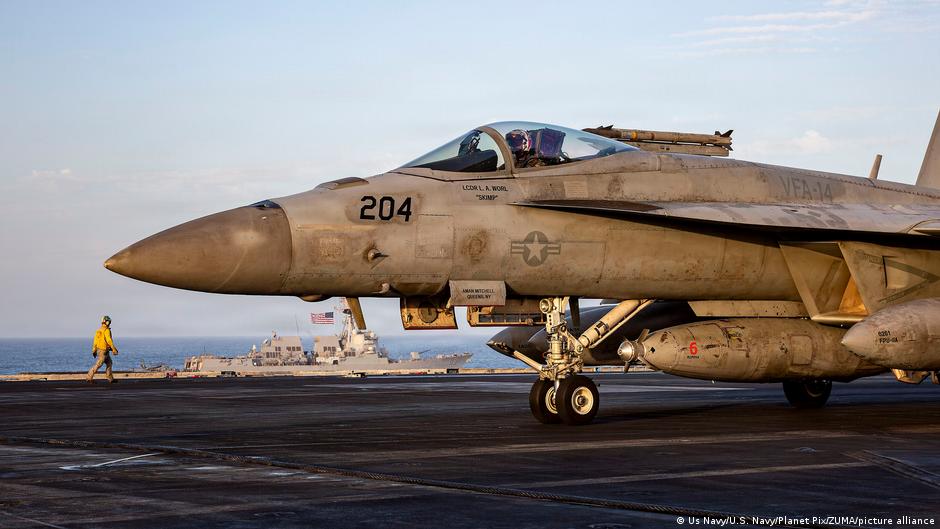
US military strikes on Iran escalate geopolitical tensions, risking volatility in markets and currencies that affect household budgets, savings, and consumer costs globally.

The US plans to deploy 5,000 additional troops to Poland amidst military realignments, impacting defense budgets, currency stability, and potentially household finances globally.

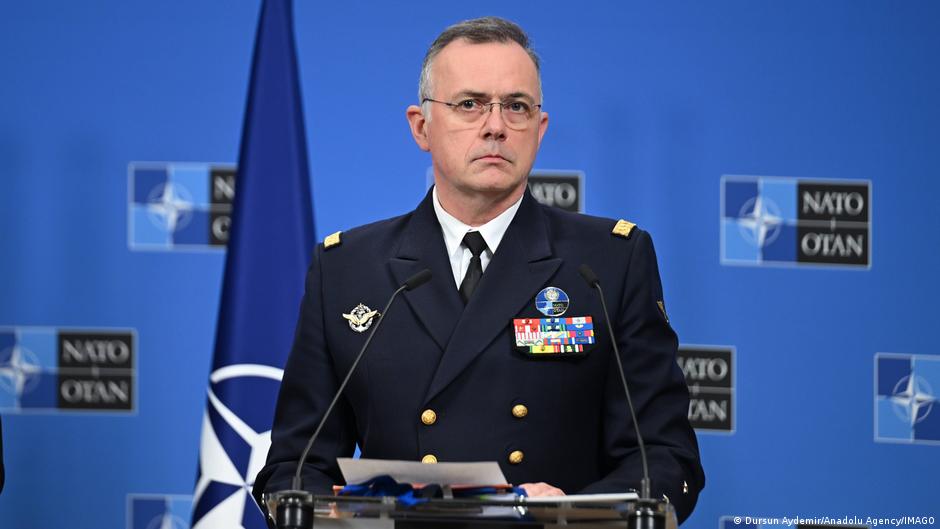
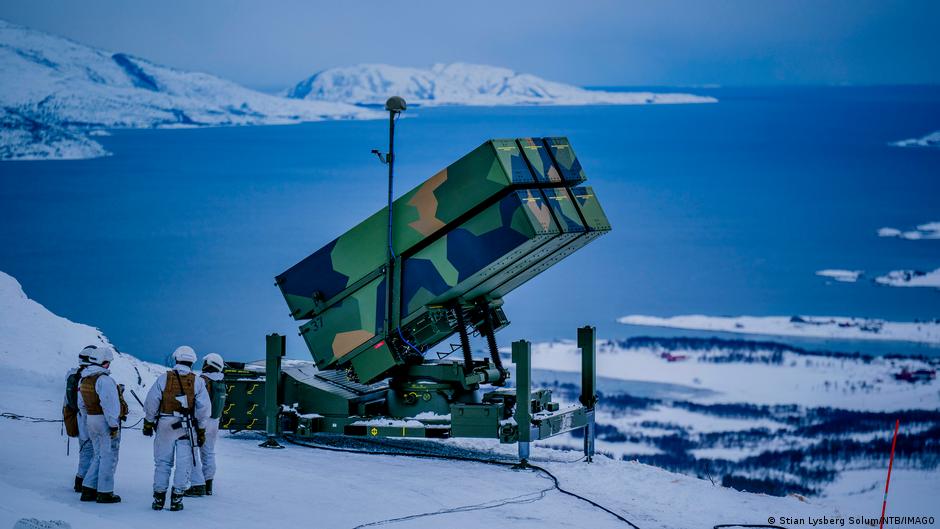
NATO confirms the steady supply of US air defense missiles to Ukraine, with implications for household budgets, government spending, and currency stability amid the ongoing conflict.

The US Senate advances a resolution to restrict military actions against Iran, with significant impacts on household budgets, currency markets, and consumer investments.

US postpones planned strike on Iran after Gulf leaders’ intervention, easing pressure on global energy prices and currencies, with implications for household budgets and investors.

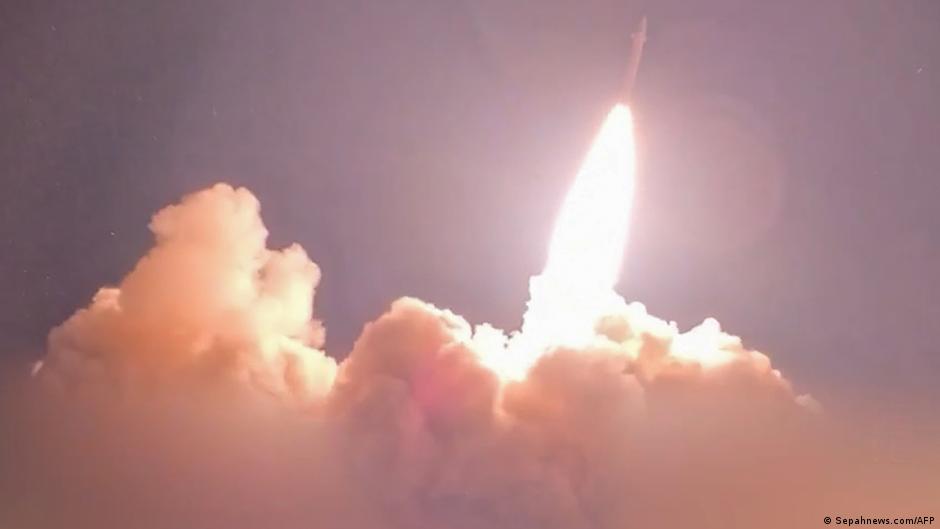
US intelligence shows Iran retains about 70% of its missile arsenal, challenging official claims and risking higher global oil prices and inflation impacting consumers worldwide.

The potential redeployment of 5,000 US troops from Germany to Poland could influence local economies, household finances, currencies, and investment dynamics in Europe.

Germany is accelerating its long-range missile development after the US declined Tomahawk deployment, affecting European security, defense budgets, and investors’ outlook.

Iran's proposed 14-point peace plan could influence global oil prices and market volatility, with direct effects on household budgets, savings, and everyday investors worldwide.

The US plans major cuts to its troops in Germany, affecting local economies, currency markets, and potentially household finances and investments.

The US plans to withdraw 5,000 troops from Germany, a move that could impact euro-dollar exchange rates, local economies, and household finances.

US delays in arms shipments to Europe due to Iran conflict strain defense budgets, impacting household finances, currency stability, and investor confidence across allied nations.

The resignation of the US acting envoy in Ukraine amid diplomatic tensions raises risks of aid disruption, impacting currencies, inflation, and investment stability for households and investors.

US seizure of Iranian cargo ship near Strait of Hormuz raises risks of rising energy prices and inflation, impacting household budgets and everyday investors worldwide.

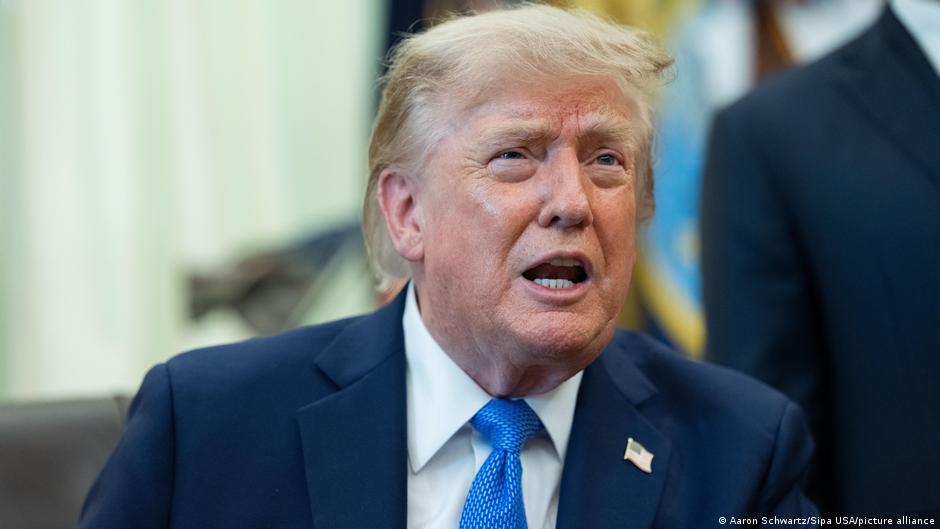
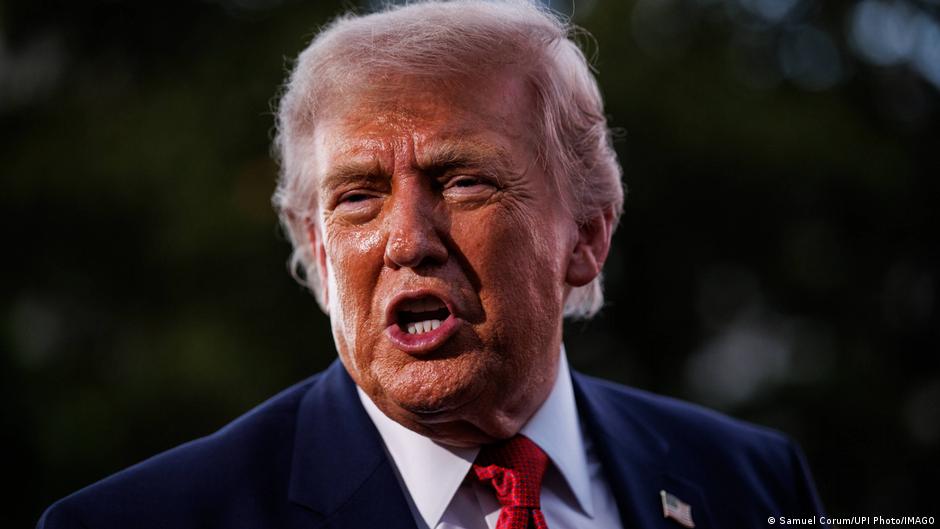
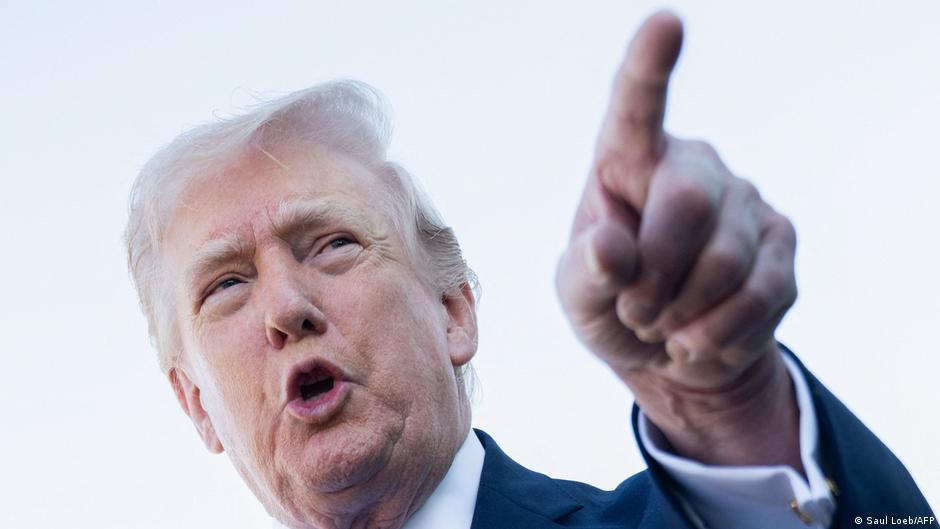
Trump rejects NATO assistance in Strait of Hormuz amid rising tensions, risking higher energy prices and market volatility affecting consumers and investors.