ICAO warning on conflict-zone flights raises travel and insurance stakes
ICAO’s call for stronger protections over conflict zones may influence travel costs, insurance pricing and investor sentiment around airlines and transport.

ICAO’s call for stronger protections over conflict zones may influence travel costs, insurance pricing and investor sentiment around airlines and transport.

Daniel Driscoll’s resignation after a clash with Pete Hegseth adds new uncertainty around Pentagon spending, procurement priorities and defense-sector sentiment.

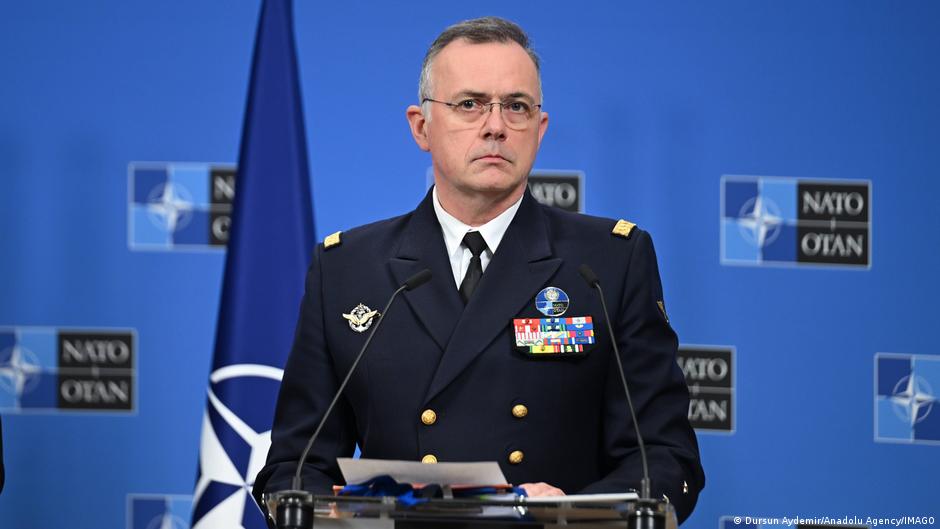
NATO's plans to expand nuclear deterrence in Europe could influence household budgets and market stability amid rising geopolitical tensions.

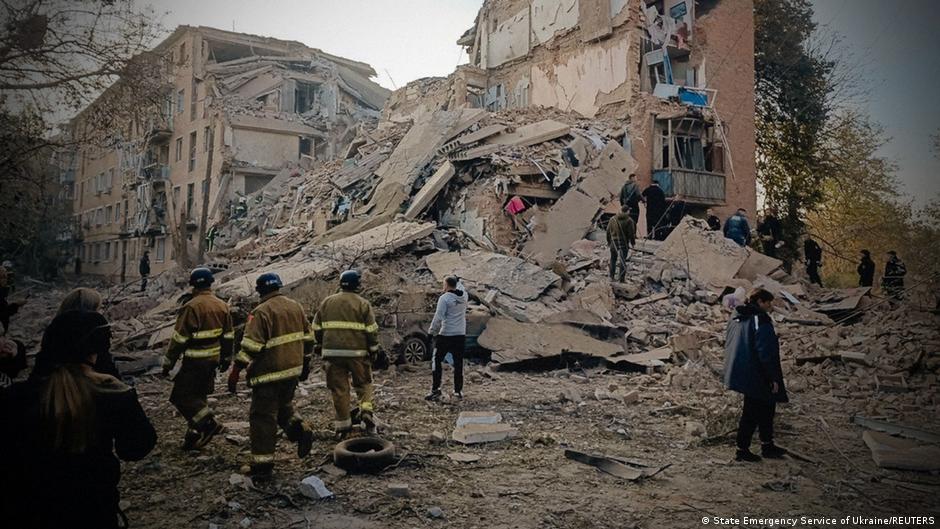
The EU protests Russian missile strikes damaging civilian and diplomatic sites in Ukraine, escalating regional tensions that affect European household budgets, inflation, and currency markets.

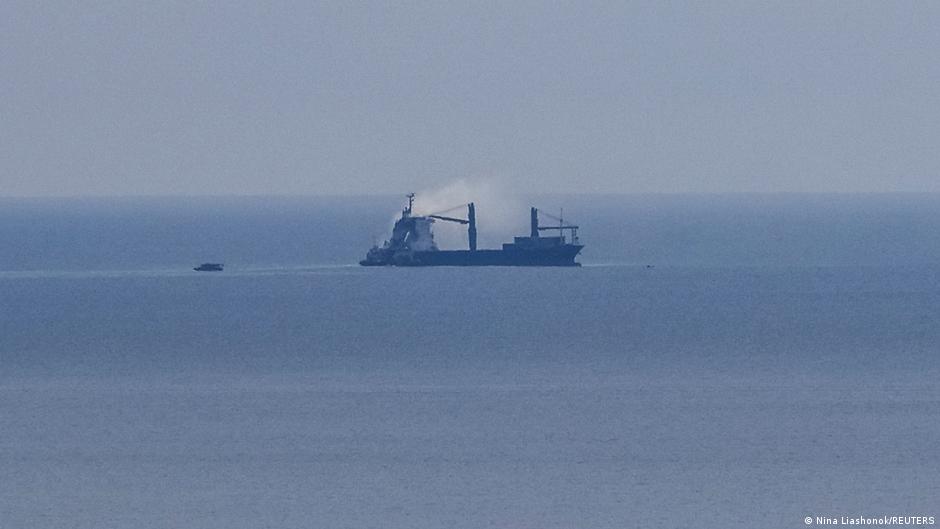
Russian attacks on Black Sea trade routes disrupt global food supplies, risking higher consumer prices and straining household budgets worldwide.

US military deaths in the Iran conflict rise, increasing geopolitical risks that affect household budgets, currency markets, and investment decisions.

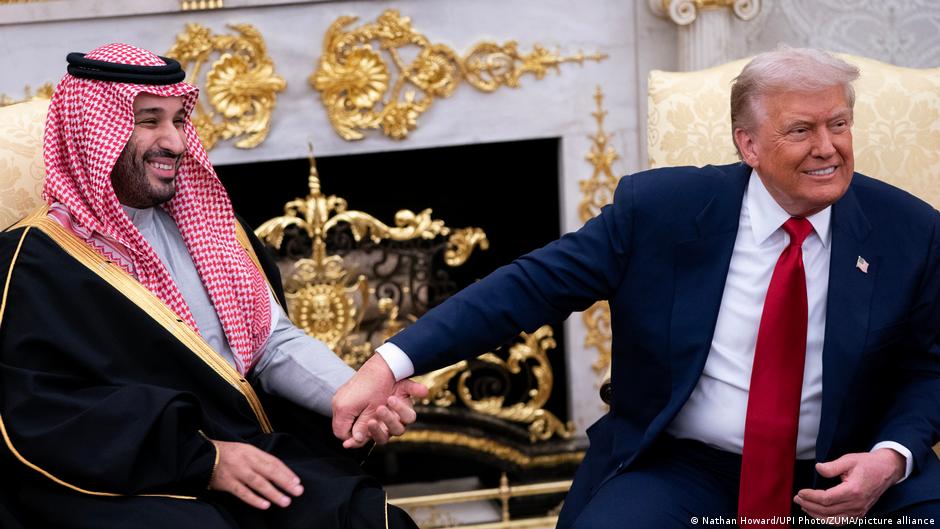
US plans to allow Saudi uranium enrichment could raise oil prices, affect currencies, and impact household budgets and investments worldwide.

Latvian President warns NATO to prepare for conflict escalation with Russia, highlighting increased defense spending and its impact on European household budgets and savings.

Finland's removal of the nuclear weapons ban may impact national security and economic stability, influencing household budgets, savings, and currency markets.

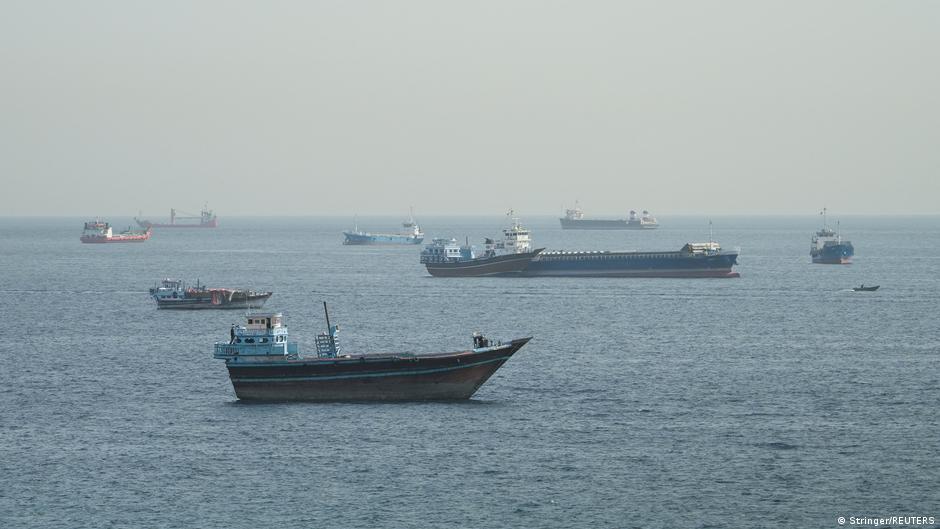
The US has ended its blockade of the Strait of Hormuz, allowing increased oil shipments that could stabilize fuel prices and ease household budget pressures worldwide.

European leaders welcome the US-Iran peace deal as a move to stabilize energy markets, potentially easing household energy costs and inflation worldwide.

US President Trump halts planned strikes on Iran amid progress toward a regional deal, potentially stabilizing global oil prices and easing the burden on household finances.

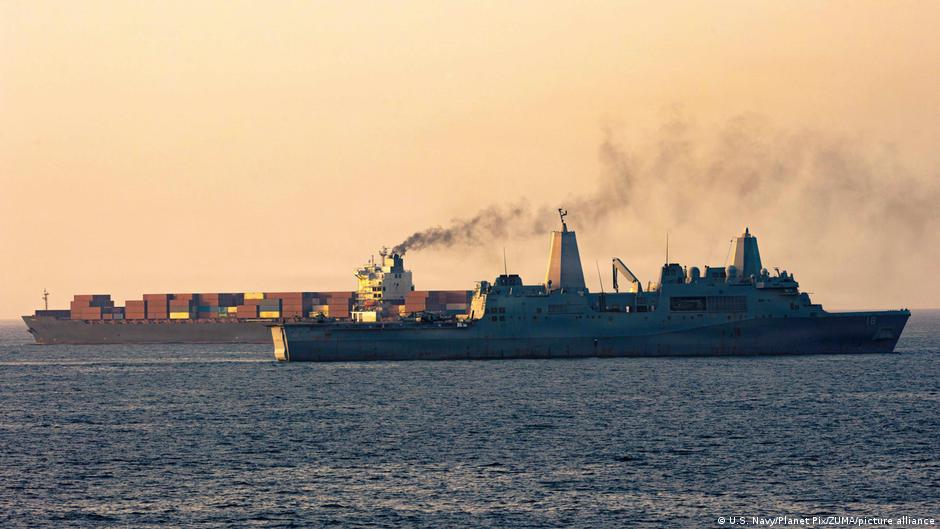
The US has secretly aided about 70 commercial ships through the Iran-blocked Strait of Hormuz, easing supply chain pressures and influencing consumer costs worldwide.

The US missile strike on a ship bound for Iran disrupts trade in the Strait of Hormuz, risking higher oil prices and impacting household budgets and savings globally.

US-Iran talks hinge on nuclear restrictions, with potential impacts on currencies, inflation, and household budgets amid ongoing uncertainty.

Russia's military cooperation with the Taliban could influence global arms flow and economic stability, impacting household budgets and investment markets worldwide.

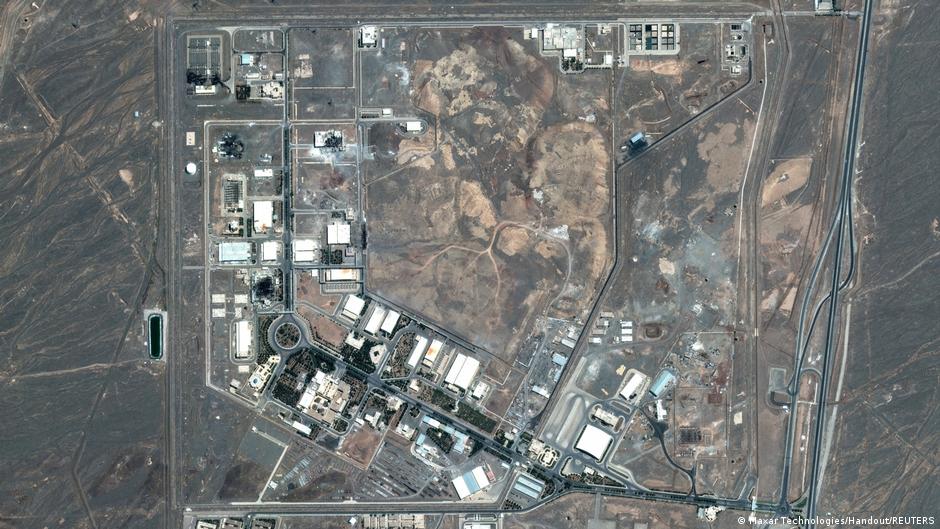
Trump’s call to destroy Iran’s enriched uranium raises geopolitical risks that could affect currencies, inflation, and household budgets worldwide.

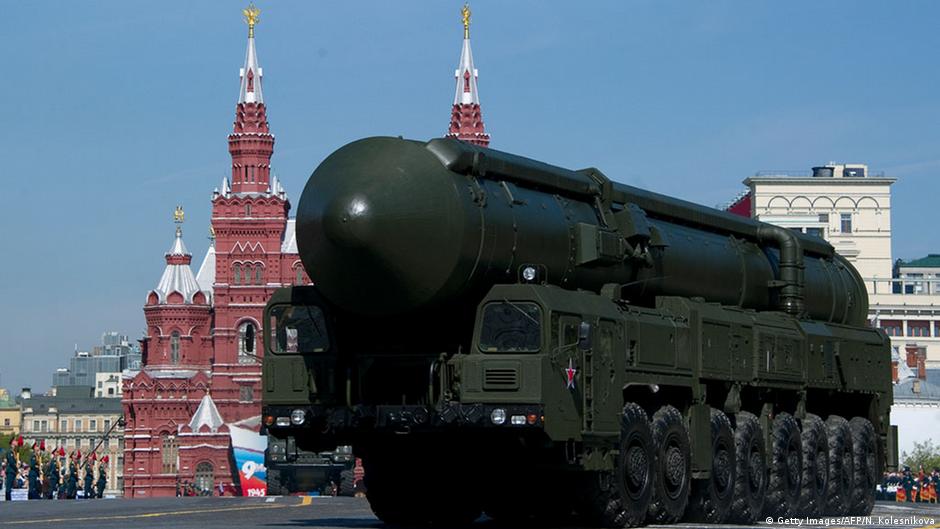
NATO intelligence reveals Russia's secret underwater nuclear missile project which could impact global defense spending, currency stability, and everyday financial risks for consumers and investors.

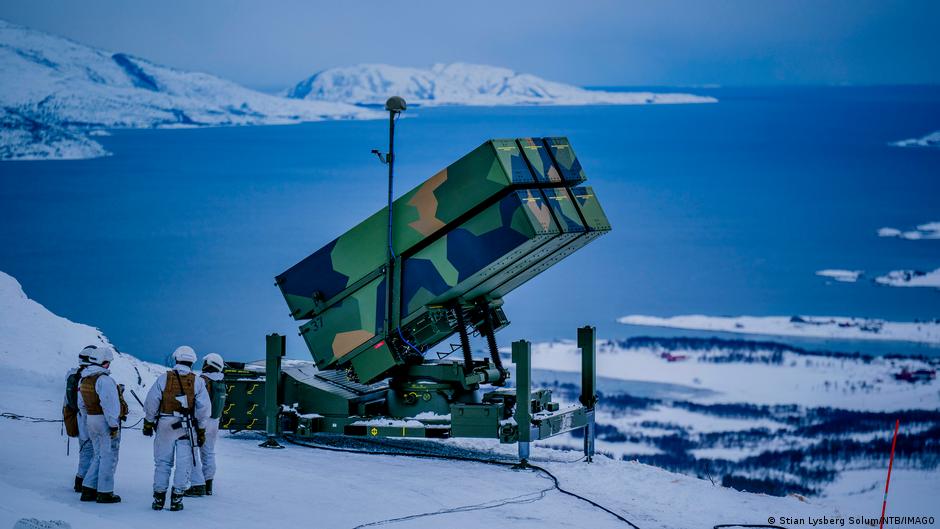
NATO confirms the steady supply of US air defense missiles to Ukraine, with implications for household budgets, government spending, and currency stability amid the ongoing conflict.

US postpones planned strike on Iran after Gulf leaders’ intervention, easing pressure on global energy prices and currencies, with implications for household budgets and investors.

Ukraine’s plan to supply NATO with long-range drones and missiles could reshape defense dynamics and affect household finances, currency stability, and consumer investment decisions in Europe.

US-Iran talks nearing a deal could ease sanctions and lower energy prices, impacting household budgets, savings, and investment markets globally.

Germany is accelerating its long-range missile development after the US declined Tomahawk deployment, affecting European security, defense budgets, and investors’ outlook.

US delays in arms shipments to Europe due to Iran conflict strain defense budgets, impacting household finances, currency stability, and investor confidence across allied nations.

Germany has approved arms exports to Israel amid conflict, impacting currency stability, consumer prices, and investor portfolios across global markets.

The Trump administration wants GM, Ford and other manufacturers to help produce weapons, echoing WWII-era industrial mobilization.