Iran’s Political Turmoil Impacts Household Economics Amid Supreme Leader’s Death
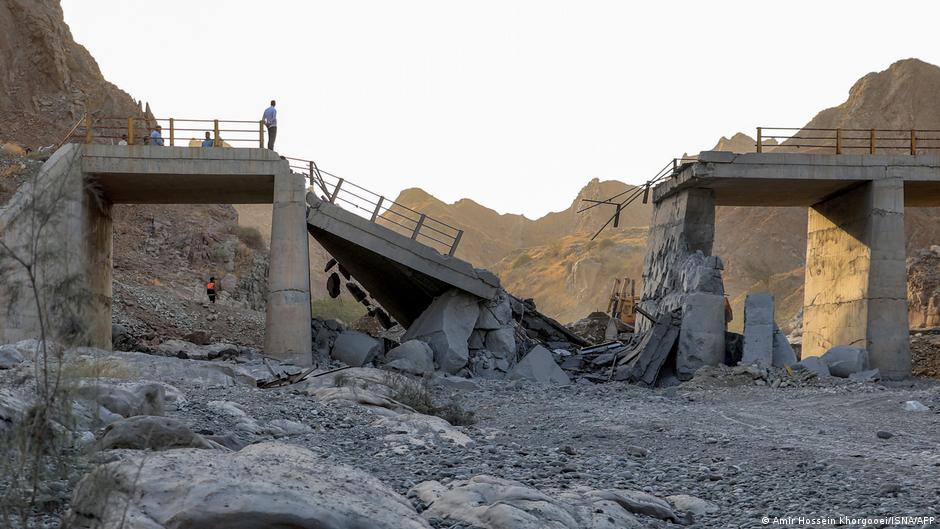
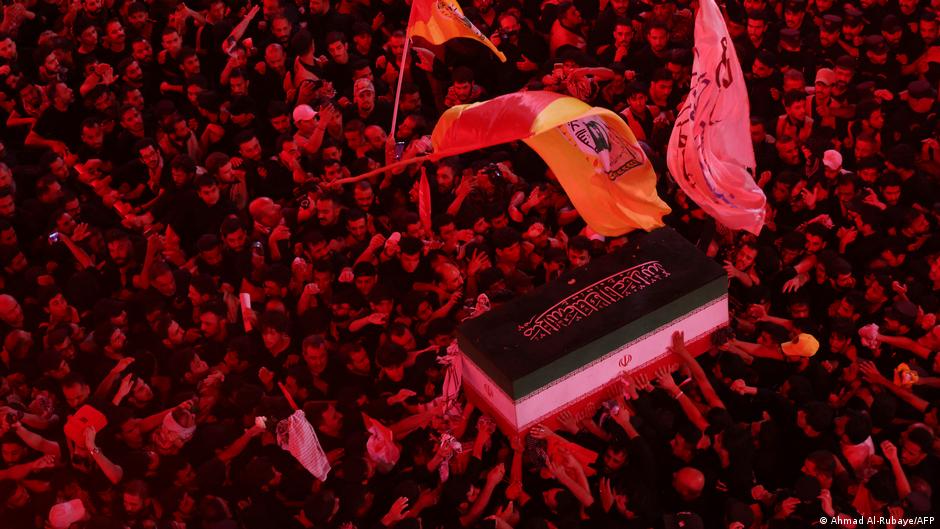
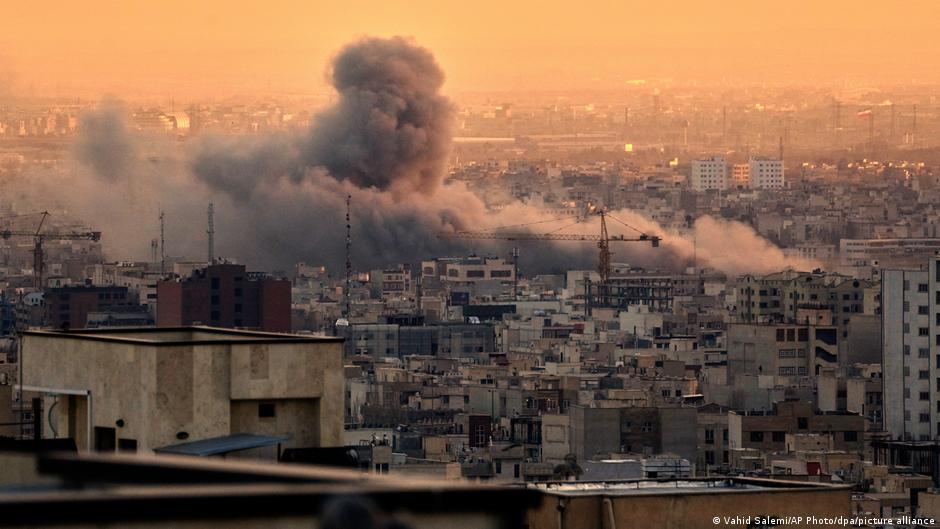
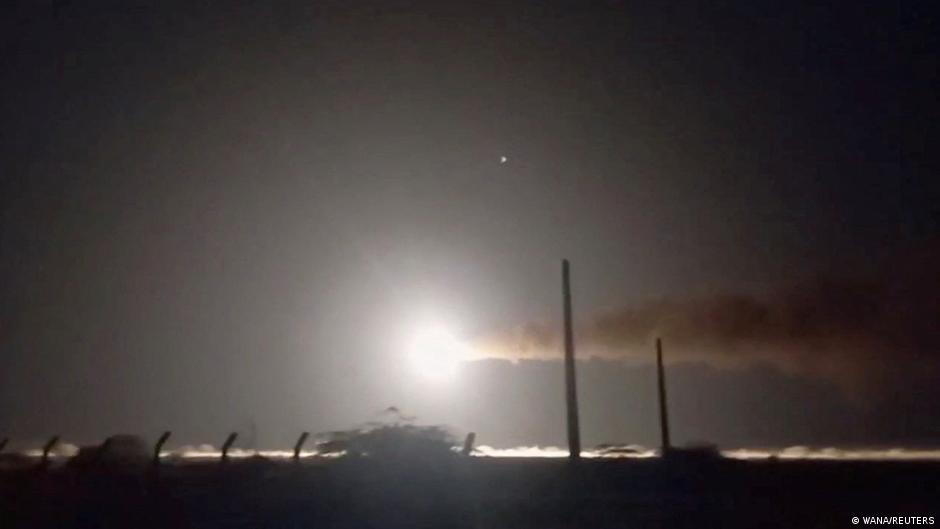
Iran’s leader’s death and rising conflicts threaten household budgets, savings, and currency stability amid a fragile political transition.

Iran’s leader’s death and rising conflicts threaten household budgets, savings, and currency stability amid a fragile political transition.

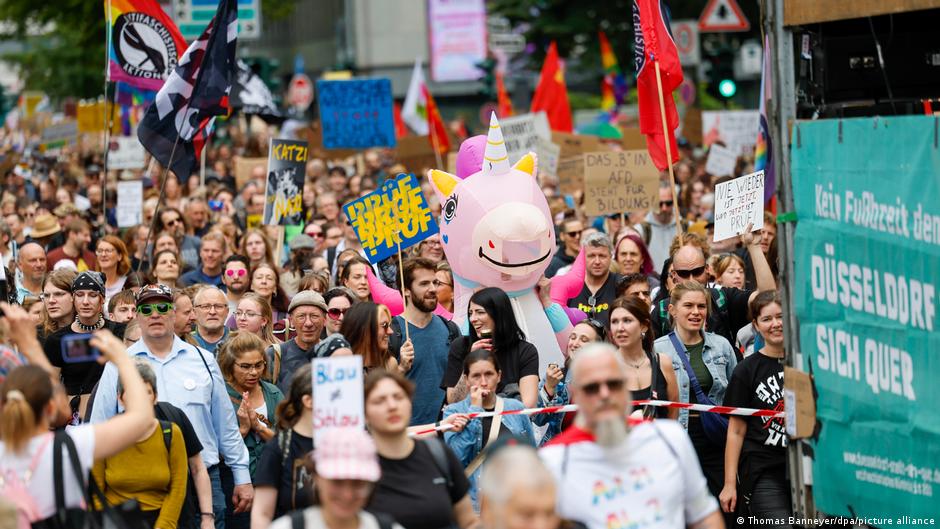
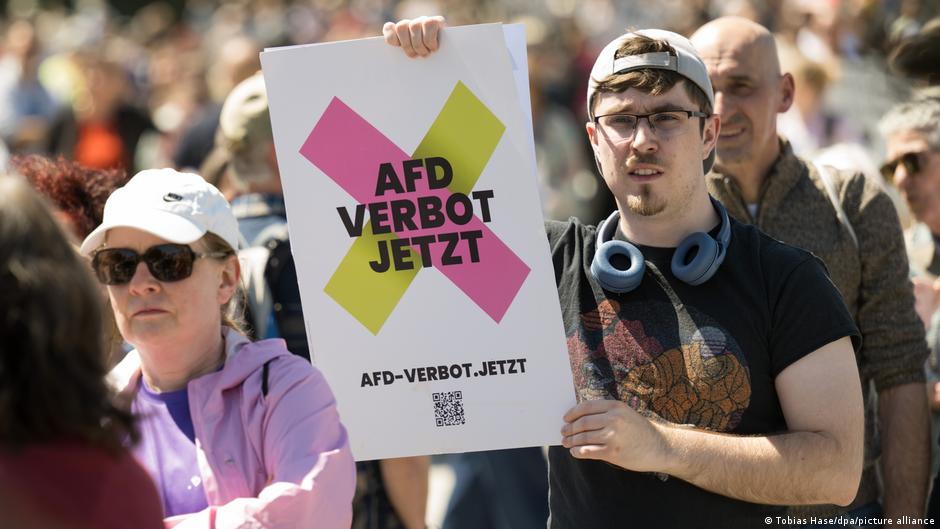
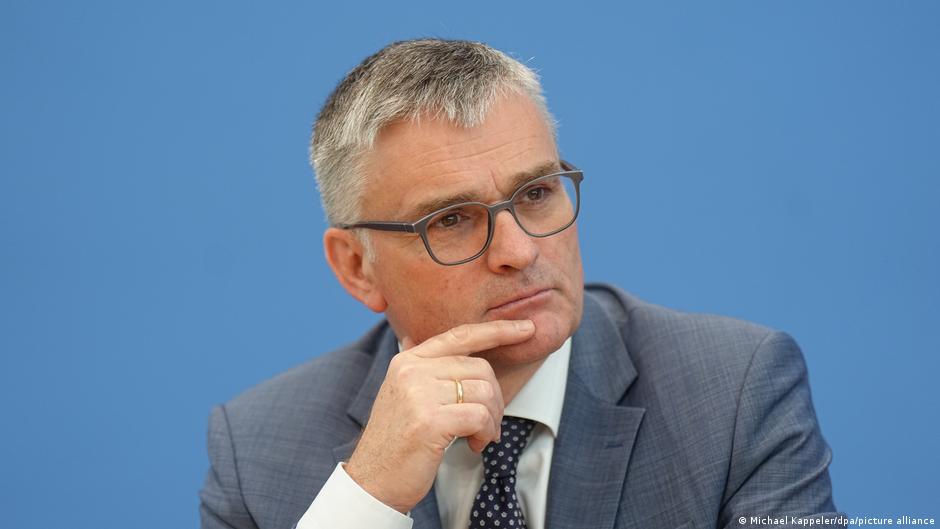
Nearly half of Germans oppose banning the far-right AfD party, which leads polls and influences consumer confidence, savings, and household financial strategies.

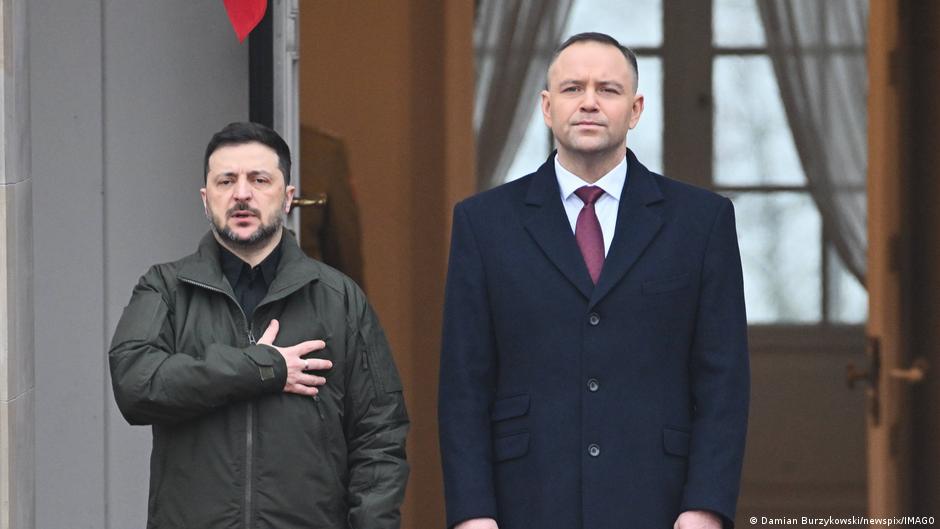
Ukraine’s new National Pantheon and Order of Europe initiatives highlight tensions with Poland that could affect household budgets, currency stability, and investor confidence.

German authorities grant asylum to Russian activist Ilya Shkolny after a lengthy legal fight, underscoring the financial and social impacts of geopolitical instability on households and investors.

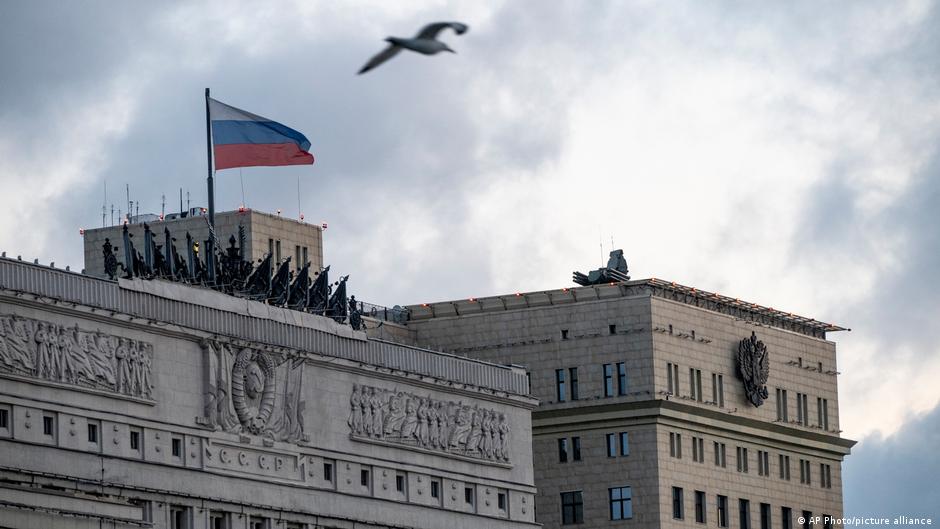
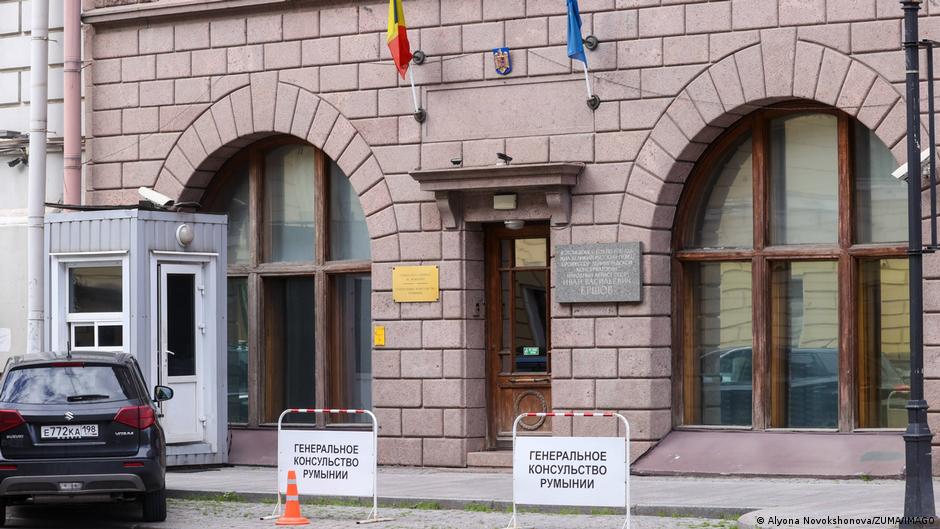
Russia closes the Romanian consulate in St. Petersburg following diplomatic disputes sparked by a Russian drone incident in Romania, with potential impacts on household budgets and currency stability.
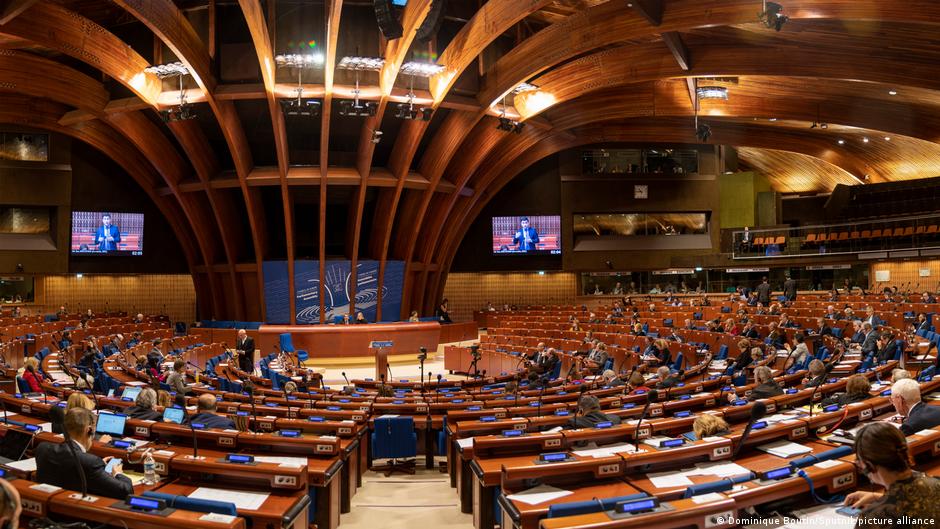
PACE criticized Georgia’s democratic decline and urged reforms, highlighting risks that political instability poses to household budgets, savings, currencies, and investors.

Far-right businessman Abelardo de la Espriella wins Colombia’s presidency, promising economic deregulation and security measures that may impact household finances and investments.

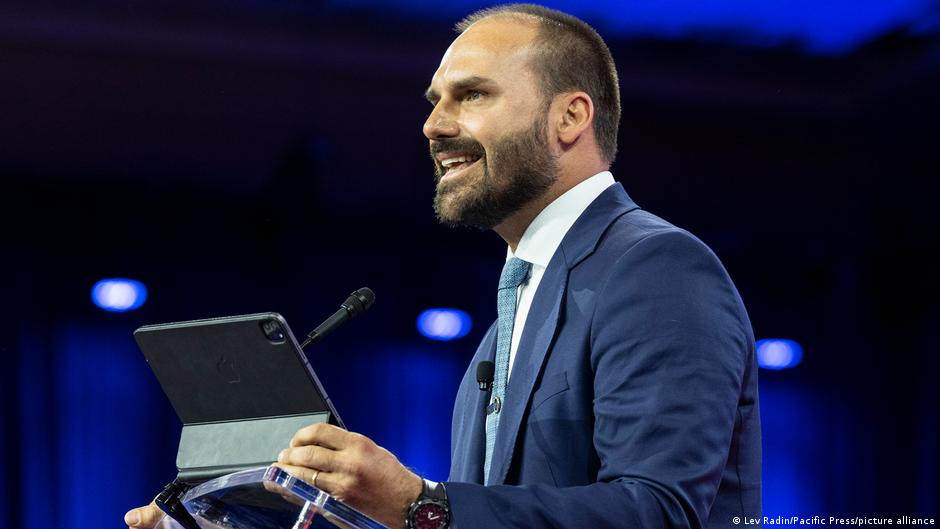
Eduardo Bolsonaro, son of former Brazilian president, sentenced to prison amid political unrest, impacting household finances, currency stability, and investor confidence.

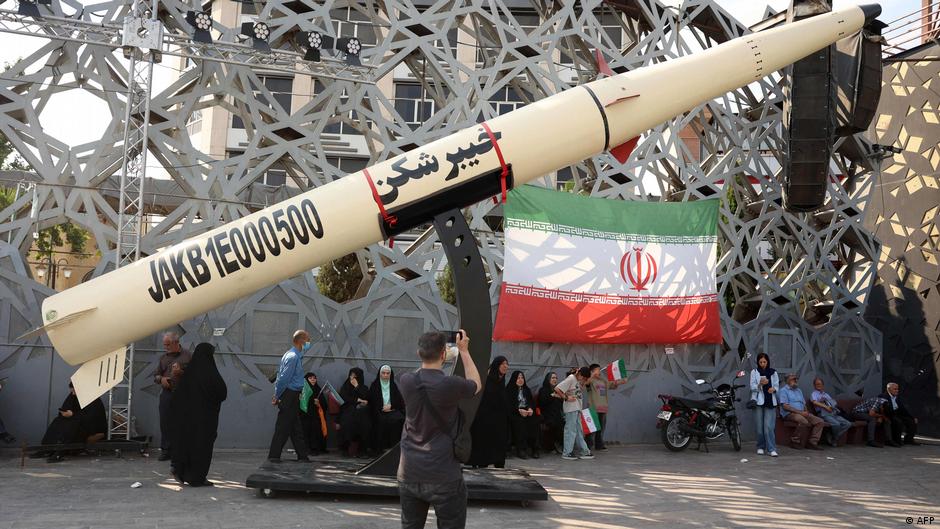
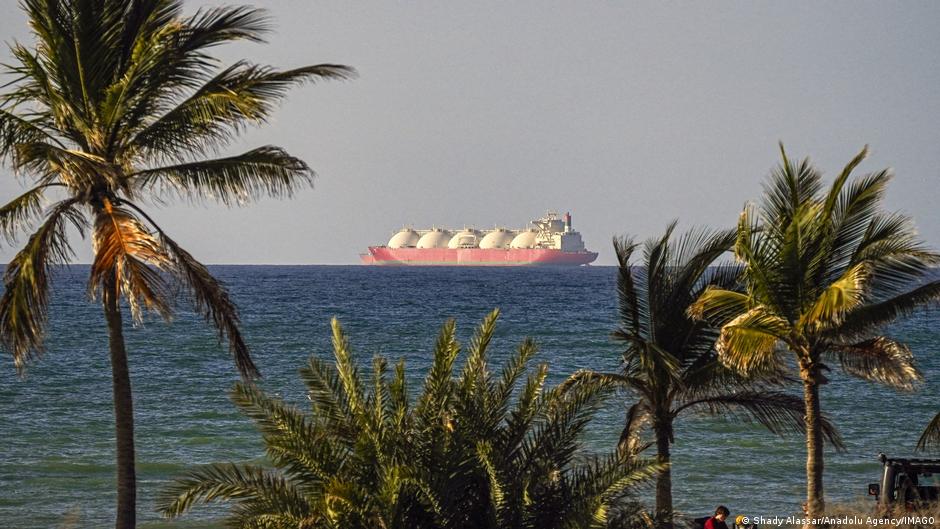
Iran has rebuilt most of its missile arsenal, possibly with Russian help, impacting global energy routes and driving up fuel costs affecting household budgets and investors worldwide.

Armenia’s parliamentary vote recount reveals minor shifts in party results amid political tensions that may affect currency stability, household budgets, and investor confidence.

Twenty-two countries accuse Iran of orchestrating attacks abroad, raising geopolitical risks that could affect currencies, household budgets, and investor confidence.

Ukraine demands a ban on Russian military participation in UN missions over sexual violence allegations, escalating geopolitical tensions with economic implications for households and investors.

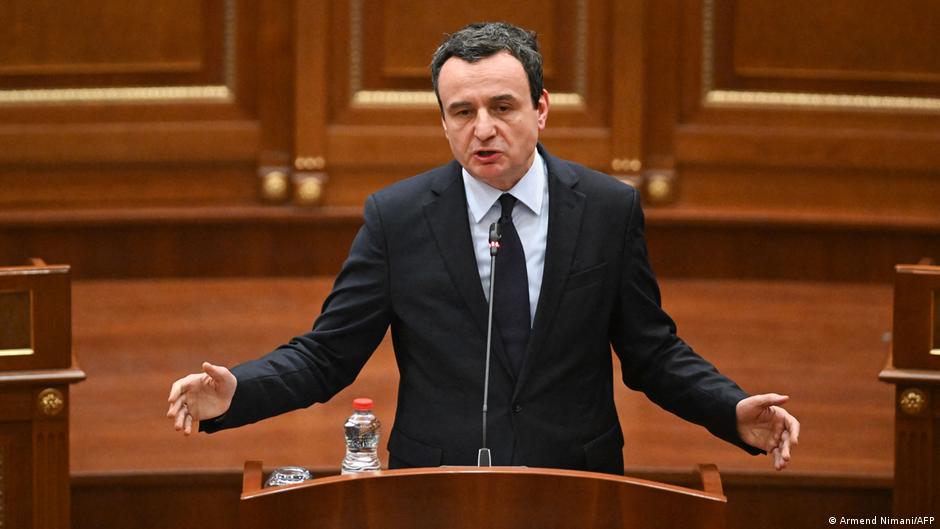
Kosovo’s ruling party wins elections but must form a coalition amid political instability, impacting household budgets, currency stability, and consumer confidence.

The Israel-Iran conflict is affecting global markets, household budgets, and investments by driving volatility in currencies and energy costs, impacting consumers worldwide.

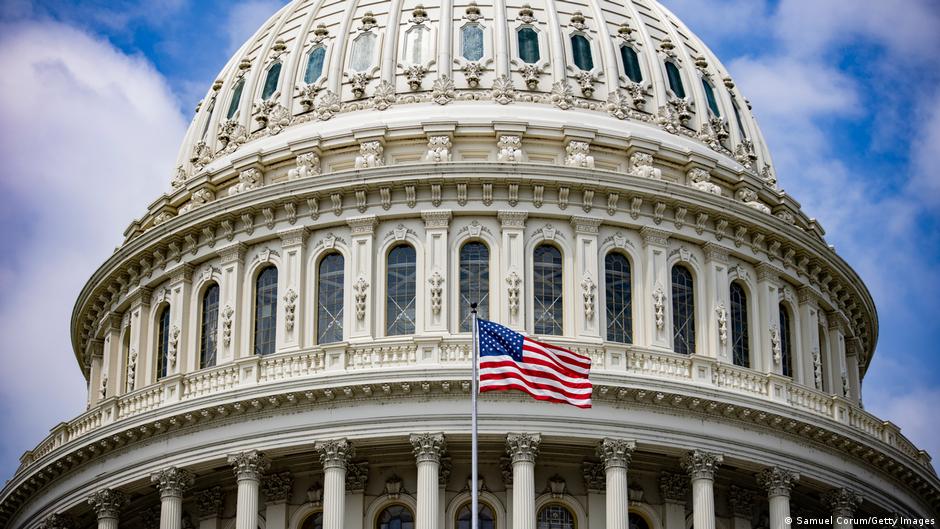
The US House approved sanctions on Russia and aid to Ukraine, with potential impacts on household budgets, currencies, and investment markets worldwide.

Drone attacks near St. Petersburg disrupt flights and raise economic concerns for Russian households, affecting travel, currency stability, and local investor confidence.

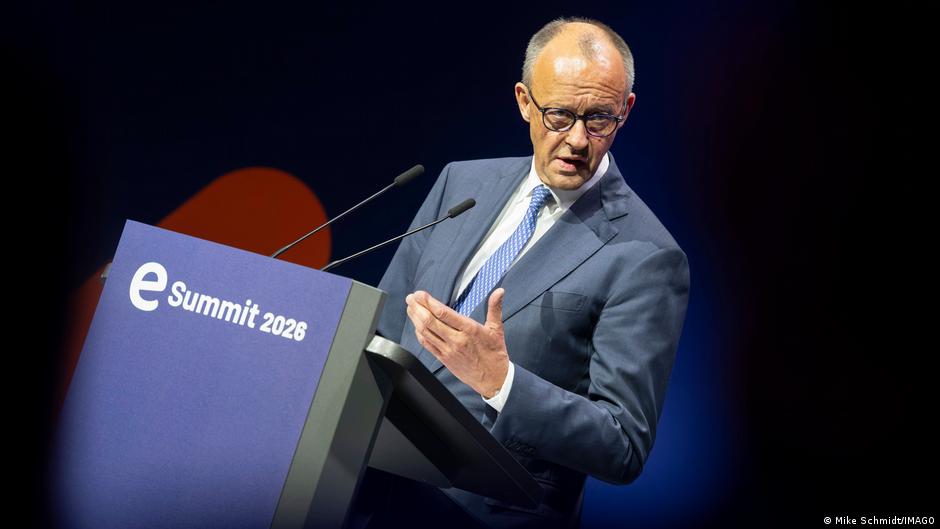
Denials of Chancellor Friedrich Merz’s early replacement ease political uncertainty, helping stabilize Germany’s economy and consumer confidence amid current challenges.

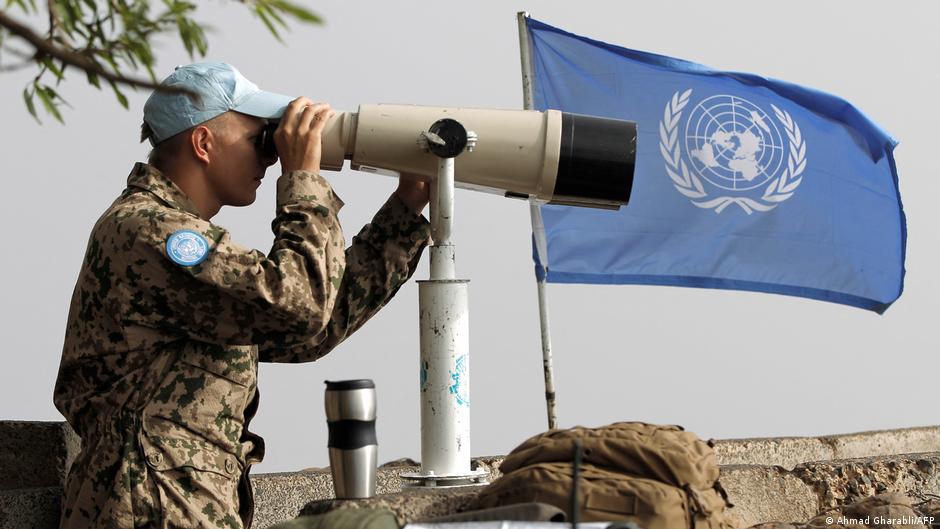
UN peacekeeping forces have dropped to their lowest in 25 years due to funding and geopolitical issues, affecting global stability and economic conditions.

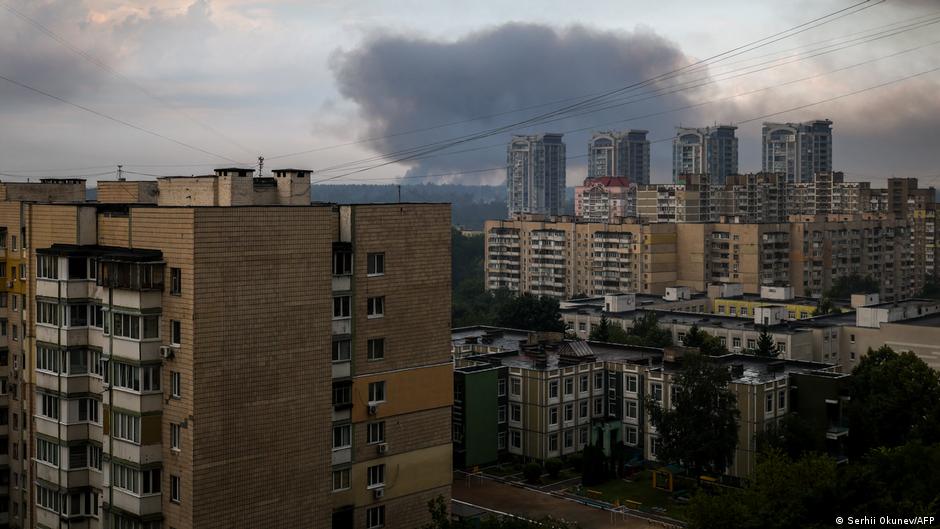
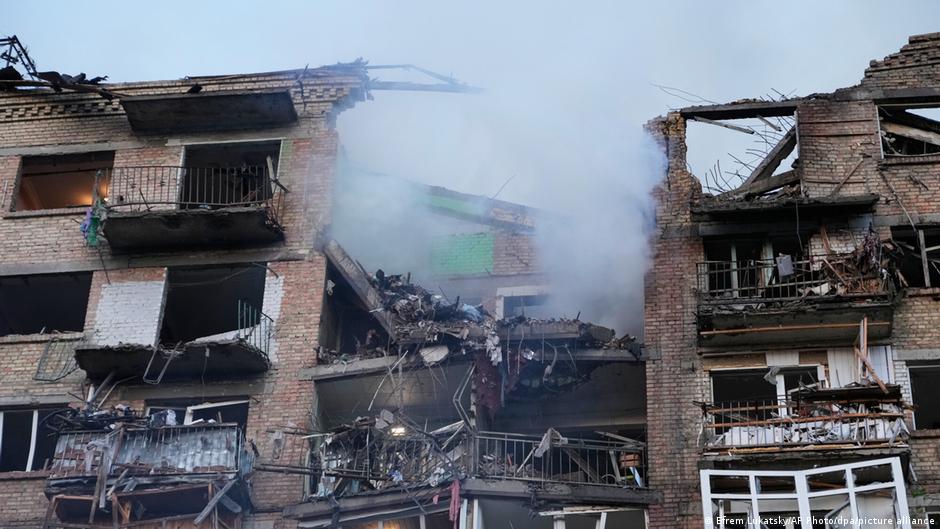
Renewed Russian missile strikes on Kyiv intensify economic uncertainty, impacting Ukrainian household budgets, savings, and investor confidence amid ongoing conflict.

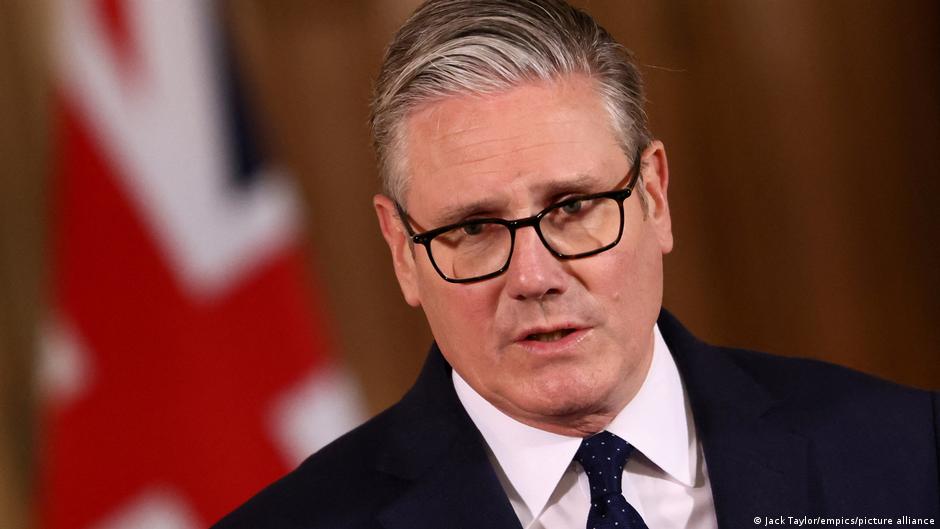
The UK plans to raise defense spending by £18 billion, a move that could reshape government budgets and impact household finances amid political unrest.

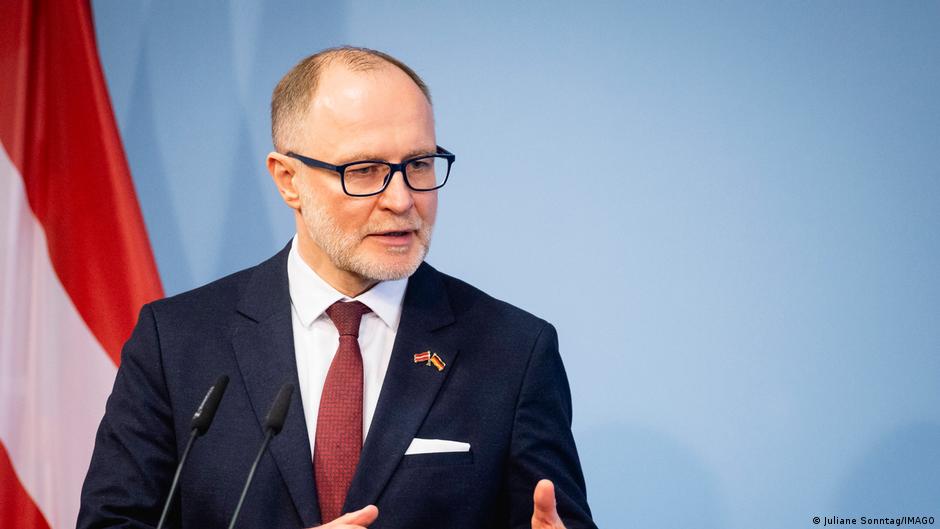
Latvia’s governing coalition collapses amid defense minister resignation, creating political and economic uncertainty that may impact household budgets, currencies, and investors.

US intelligence shows Iran retains about 70% of its missile arsenal, challenging official claims and risking higher global oil prices and inflation impacting consumers worldwide.

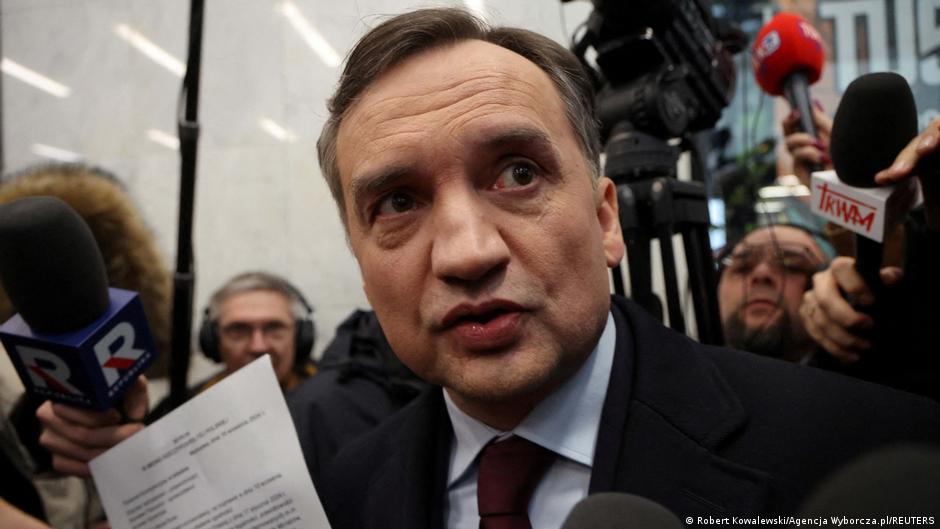
The escape of Poland’s ex-justice minister to the US amid corruption charges highlights risks to currency stability and household financial confidence across Europe.

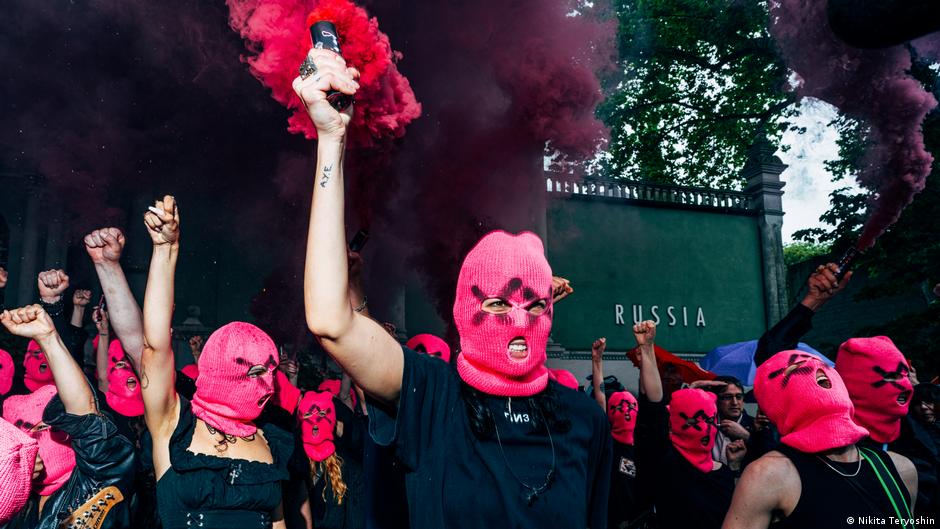
Activists protested Russia's participation in the Venice Biennale, highlighting political tensions that coincide with economic sanctions impacting Russian household budgets and savings.

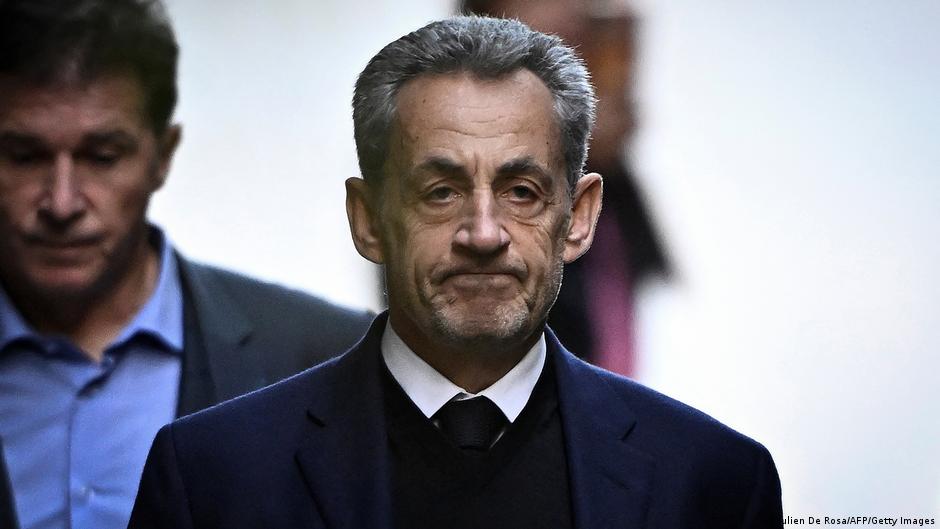
Nicolas Sarkozy has been granted conditional early release in a case involving overspending on his 2012 presidential campaign, highlighting legal and financial risks of budget mismanagement.

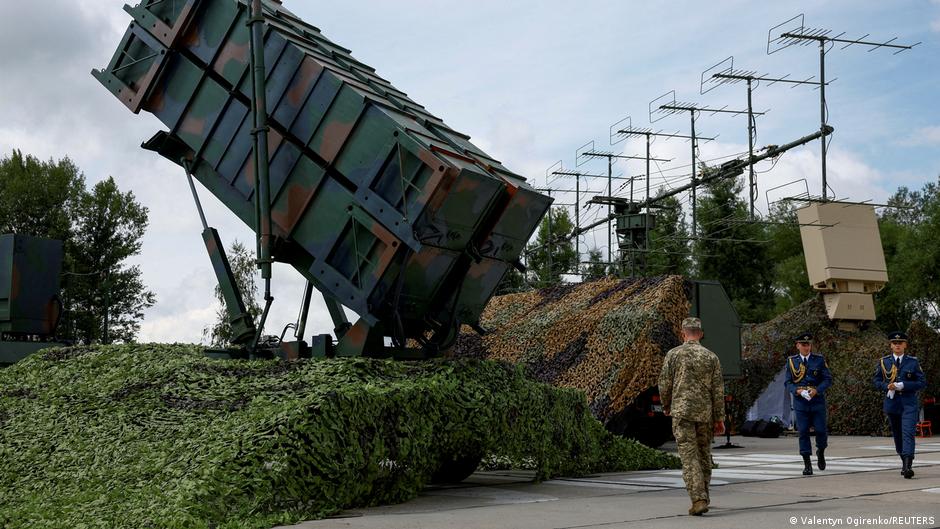
Germany is accelerating its long-range missile development after the US declined Tomahawk deployment, affecting European security, defense budgets, and investors’ outlook.

Alexander Eichwald was expelled from Germany's AfD party for a speech mimicking Hitler, raising concerns about political stability and its effects on household finances and currency markets.

The extension of the Lebanon-Israel ceasefire could help stabilize regional currencies and ease financial pressures on households, affecting consumer confidence and investments.

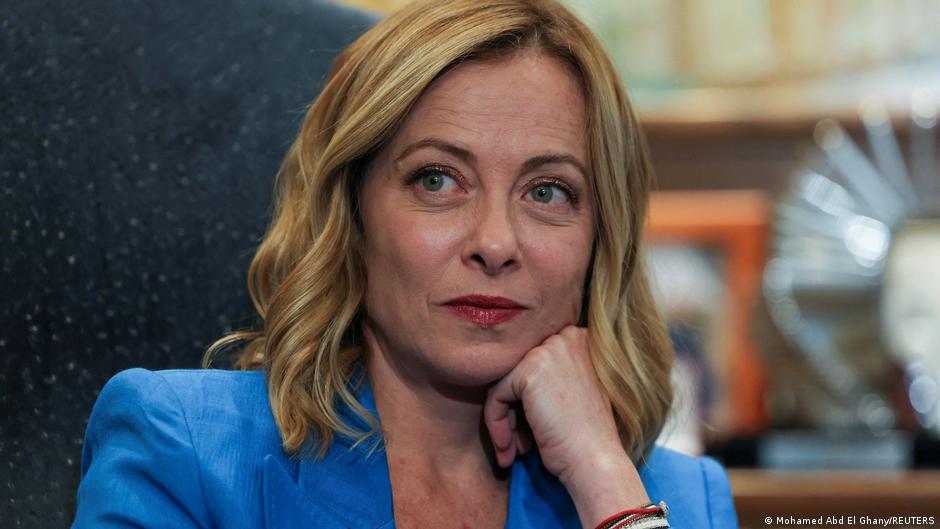
Italian Prime Minister Meloni's dispute with Russian media highlights risks to household budgets, savings, and currency stability amid rising geopolitical tensions.

US seizure of Iranian cargo ship near Strait of Hormuz raises risks of rising energy prices and inflation, impacting household budgets and everyday investors worldwide.

Bulgaria’s left-center coalition, led by ex-president Rumen Radev, leads elections amid anti-corruption protests, signaling potential economic shifts affecting households and investors.

Flight cancellations and rising jet fuel prices are expected to increase travel costs and impact household budgets and investments across Europe and beyond.

The US extends the exemption on sanctions against Russian oil exports, influencing energy prices and household expenses amid ongoing geopolitical tensions.