Ukraine Missile Delay Raises New Risks for European Household Finances
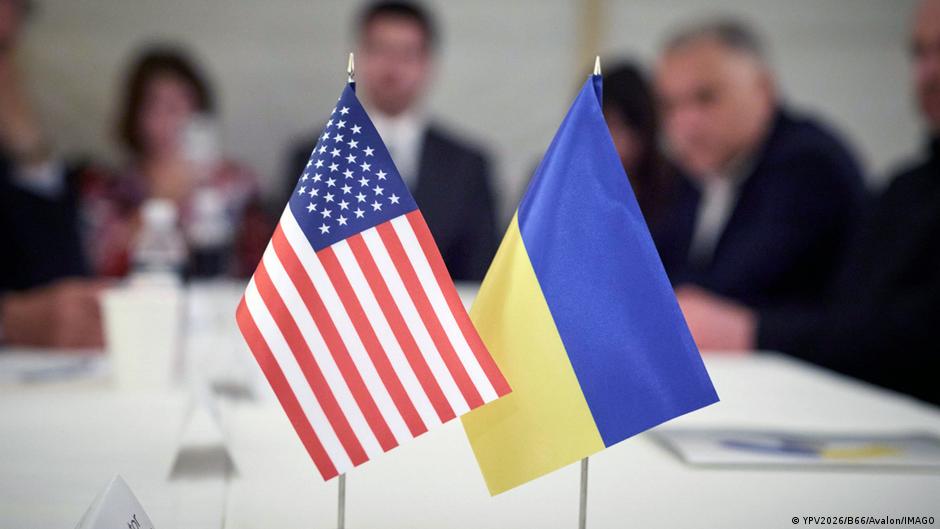
Zelensky’s claims of delayed US missile deliveries add uncertainty for European energy bills, currencies, savings and retail portfolios.

Zelensky’s claims of delayed US missile deliveries add uncertainty for European energy bills, currencies, savings and retail portfolios.

A reported US peace proposal involving renewed Russian gas supplies could affect European energy bills, inflation, currencies and household investments.

Russia has designated StopTime singer Naoko and guitarist Alexander Orlov as “foreign agents,” adding financial pressure after their departure from the country.

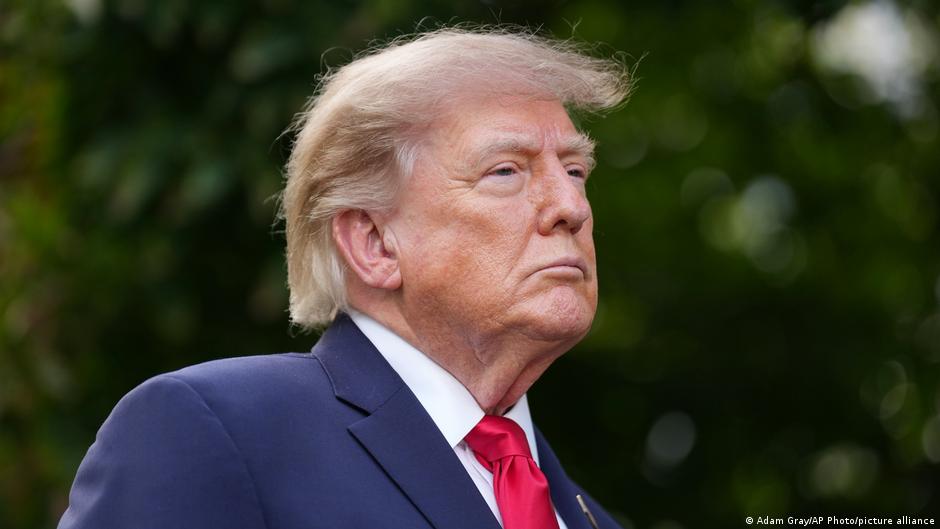
Trump’s Ukraine peace comments sharpen attention on energy risk, inflation pressures and currency volatility for households and investors.

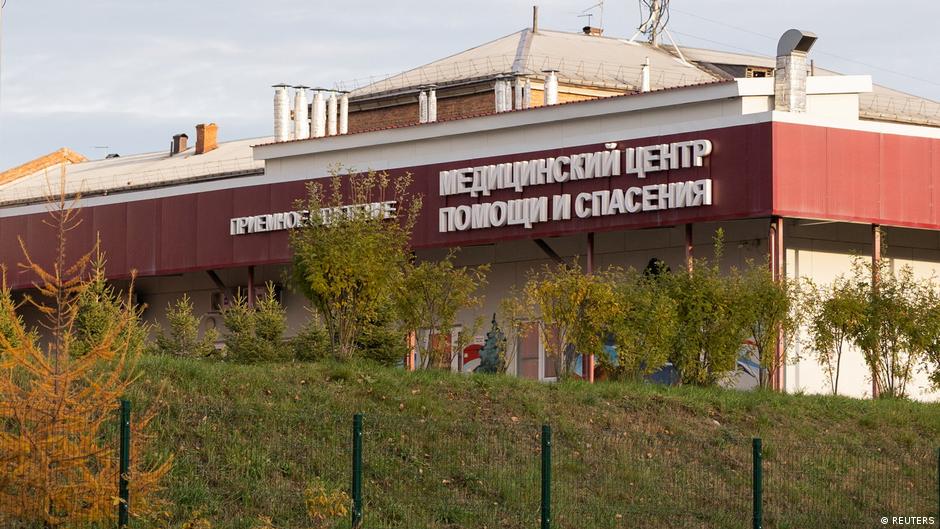
Reports from Irkutsk have drawn Trump and WHO attention, raising questions for consumers about possible energy, currency and market spillovers.

Preliminary election results in Bosnia point to political continuity, with Dodik allies holding key posts and economic uncertainty still in focus.

Brazil’s runoff between Flavio Bolsonaro and Lula da Silva could affect inflation expectations, the real, savings and investor confidence.

Germany’s economy minister warned the Left Party’s Berlin win could weaken investor confidence and raise risks for households and savers.

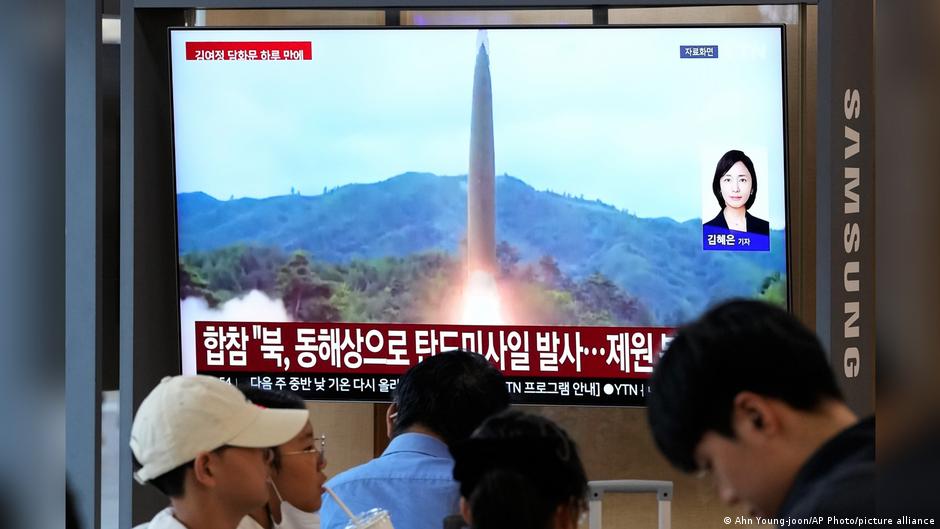
North Korea’s missile launch adds geopolitical risk for Asian markets, currencies and households exposed to regional prices or investments.

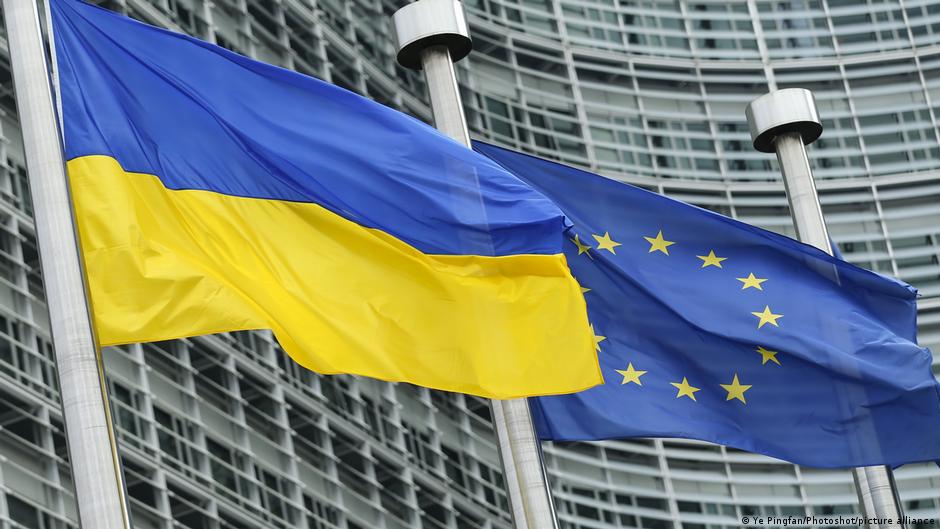
The EU refused to advance part of a €90 billion Ukraine loan, keeping pressure on 2027 funding plans and European budgets.

Trump expects new Iran talks as the Hormuz dispute raises risks for oil prices, household budgets, currencies and everyday investors.

Kyiv denied a report that Trump urged Zelensky to meet Putin in Moscow as energy talks and diesel prices keep the war tied to household costs.

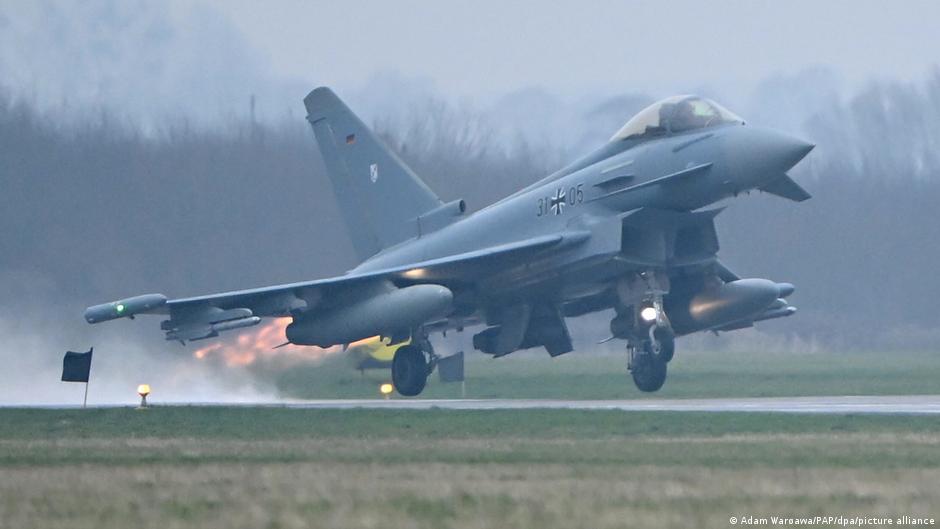
Germany’s Eurofighter deployment to Latvia highlights how Baltic security risks can affect budgets, savings and investor confidence.

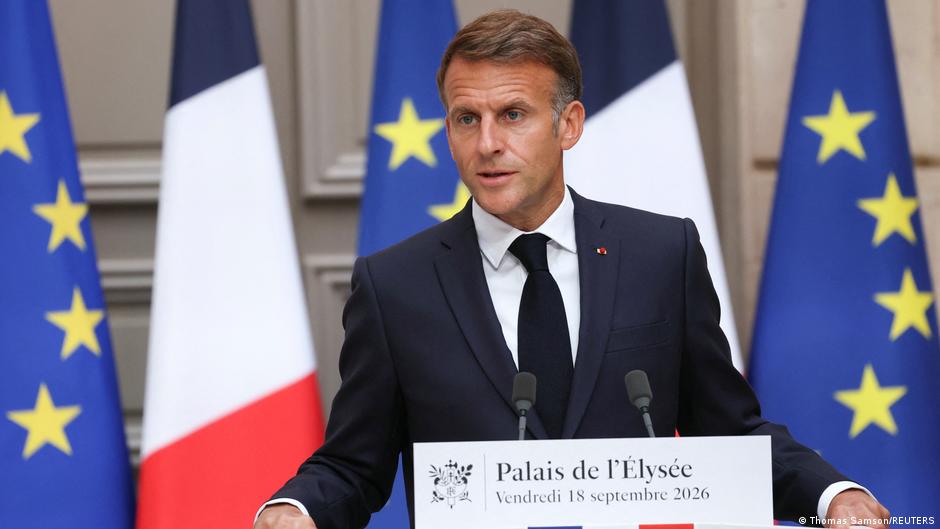
Macron says France sees a Russian mobilization of around 300,000 people as credible, raising risks for European budgets, markets and consumers.

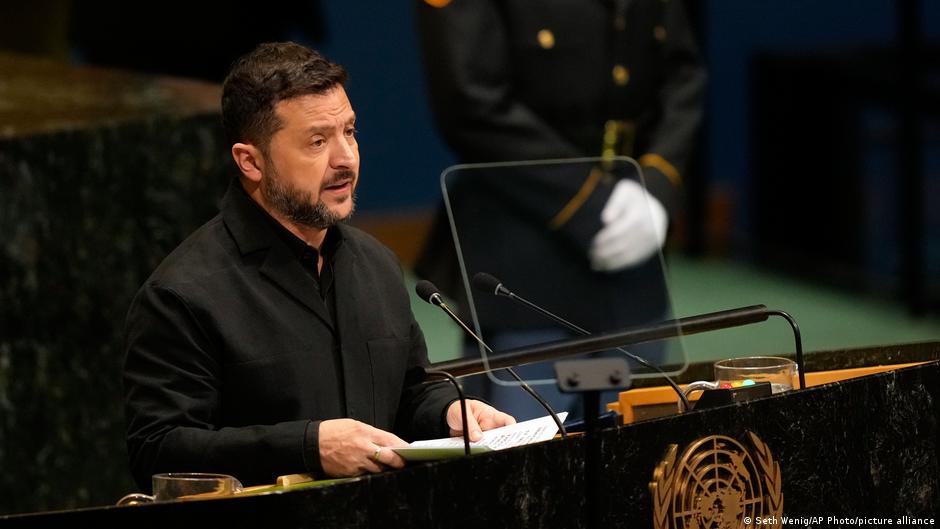
Zelensky’s UN speech tied Russia’s war capacity to energy risks, winter heating pressure and the market uncertainty facing households and investors.

EU ambassadors face a sanctions deadline as disputes over Russian billionaires add uncertainty for markets, currencies and household budgets.

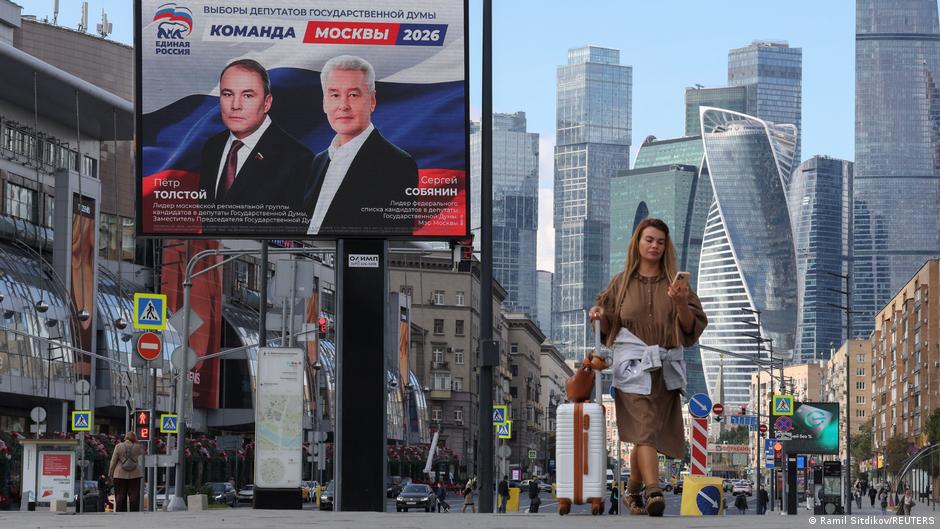
United Russia’s projected Duma dominance signals policy continuity for Russian households, savers and everyday investors.

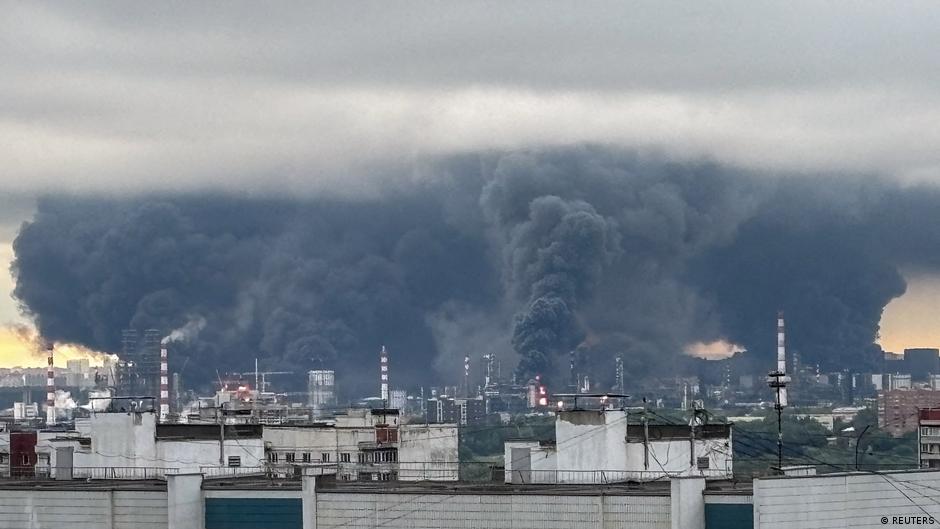
A major drone attack near Moscow killed two people, disrupted airports and hit energy and logistics sites, raising consumer and investor risks.

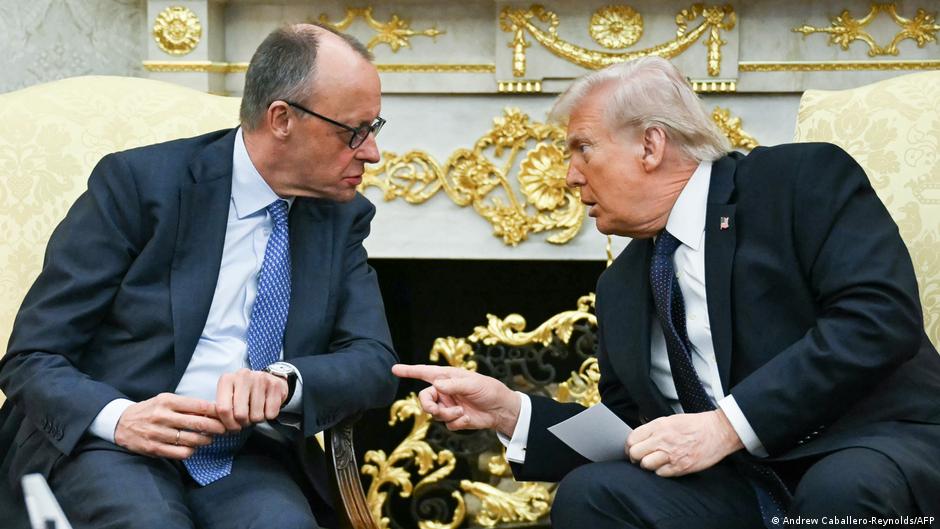
Merz says the old U.S.-German alliance may be over, raising questions for prices, defense spending, currencies and everyday investors.

China warned the US against preparing for space war after Washington confirmed orbital weapons, raising risks for satellites that support daily finance.

Mass protests across Germany against right-wing extremism add political risk to the outlook for households, savers and everyday investors.

Houthi gains near Bab el-Mandeb raise the risk of higher oil prices, shipping costs and market volatility for households and investors.

France warned CNews over airtime for expelled ex-RT France editor Ksenia Fedorova, spotlighting regulatory and political risk in media investing.

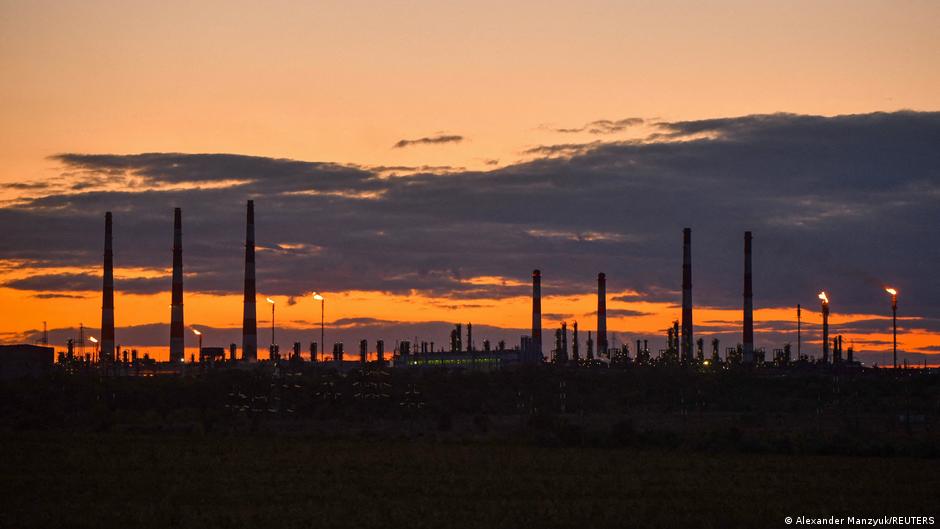
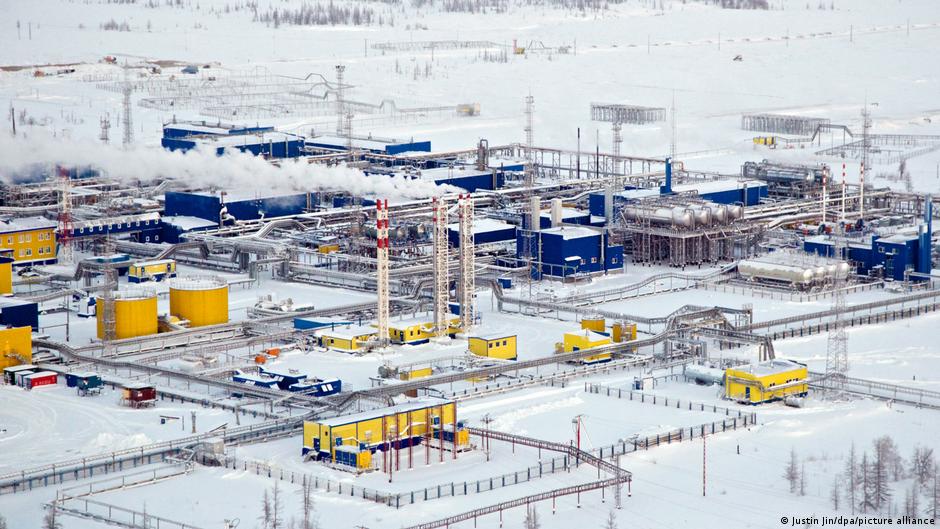
A reported Ukrainian drone attack in Russia’s Yamal gas region raises fresh questions for energy prices, currencies, household budgets and investors.

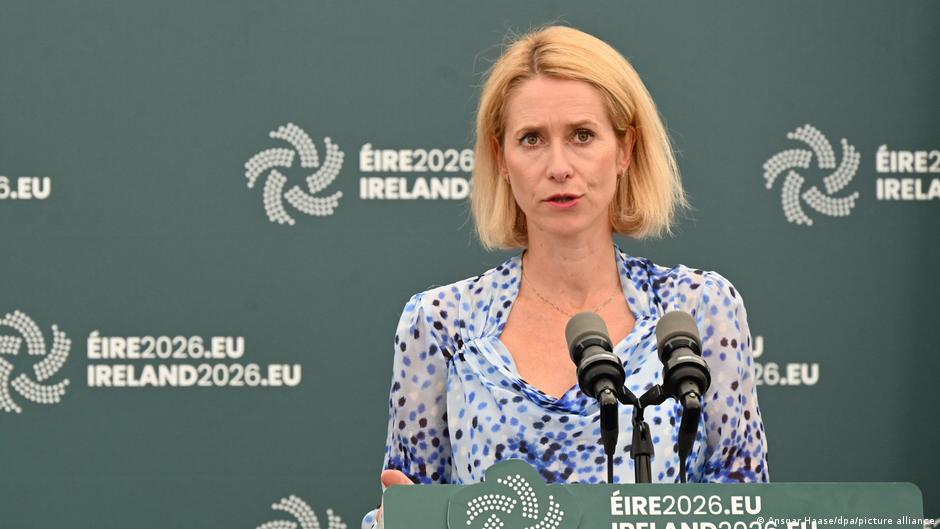
Kaja Kallas shelved an EU defense expert group after resistance from Germany and Italy, raising questions for budgets and investors.

The U.S. enacts a permanent visa bond of up to $20,000 for citizens of 50 countries, impacting household budgets, savings, and international travel costs.

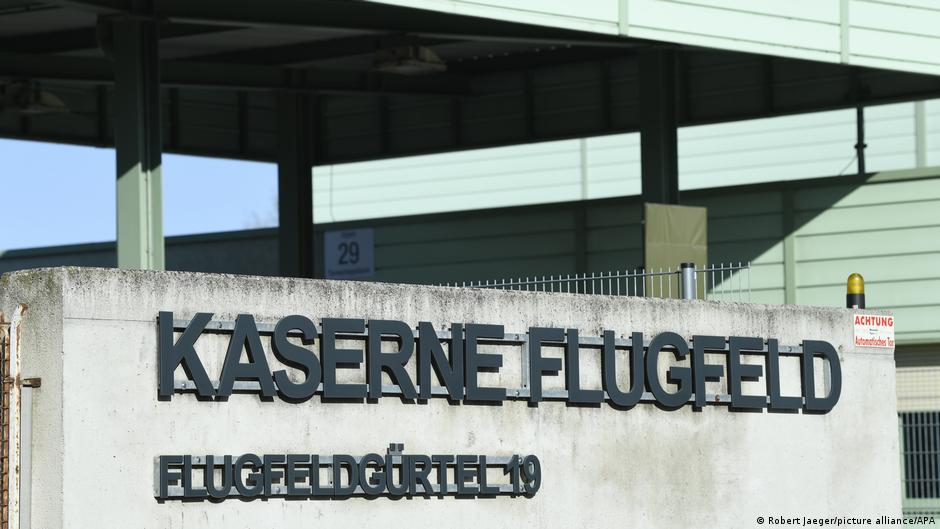
Austria plans to extend mandatory military service to nine months and increase conscript pay, impacting household incomes, savings, and government spending.

US military deaths in the Iran conflict rise, increasing geopolitical risks that affect household budgets, currency markets, and investment decisions.

AKFA Aluminium plans its first international bond issuance, opening new opportunities and risks for household investors and impacting Uzbekistan's financial markets.

Germany plans a 25.5% defense budget increase for 2026, raising concerns over impacts on household finances, public debt, and investor markets.

Germany urges Turkey to exclude Russian gas from future EU contracts, affecting energy prices, household budgets, and currency markets amid evolving geopolitics.

US Congress approved $70 billion for immigration enforcement, raising concerns about effects on household budgets, currency, and consumer finances.

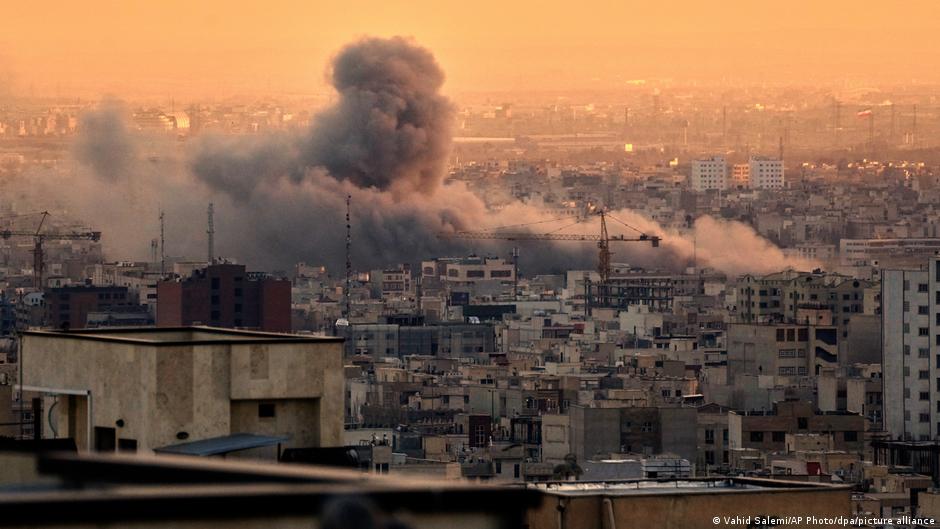
The Israel-Iran conflict is affecting global markets, household budgets, and investments by driving volatility in currencies and energy costs, impacting consumers worldwide.

Drone attacks near St. Petersburg disrupt flights and raise economic concerns for Russian households, affecting travel, currency stability, and local investor confidence.

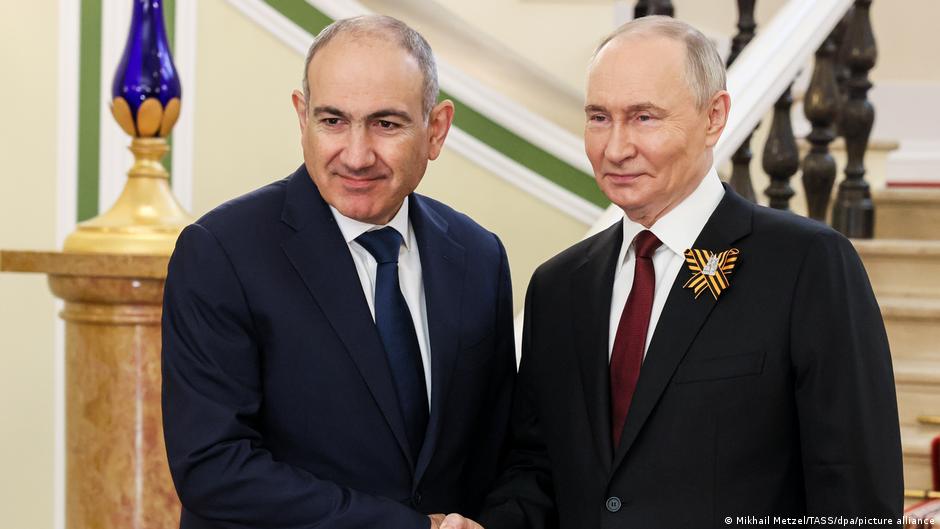
Russia’s threat to suspend duty-free gas and fuel exports to Armenia could drive up household energy costs and disrupt consumer markets amid Armenia’s EU integration efforts.

Serbia's anti-government protests disrupt daily life and threaten currency stability, affecting household budgets and economic confidence.

Renewed Russian missile strikes on Kyiv intensify economic uncertainty, impacting Ukrainian household budgets, savings, and investor confidence amid ongoing conflict.

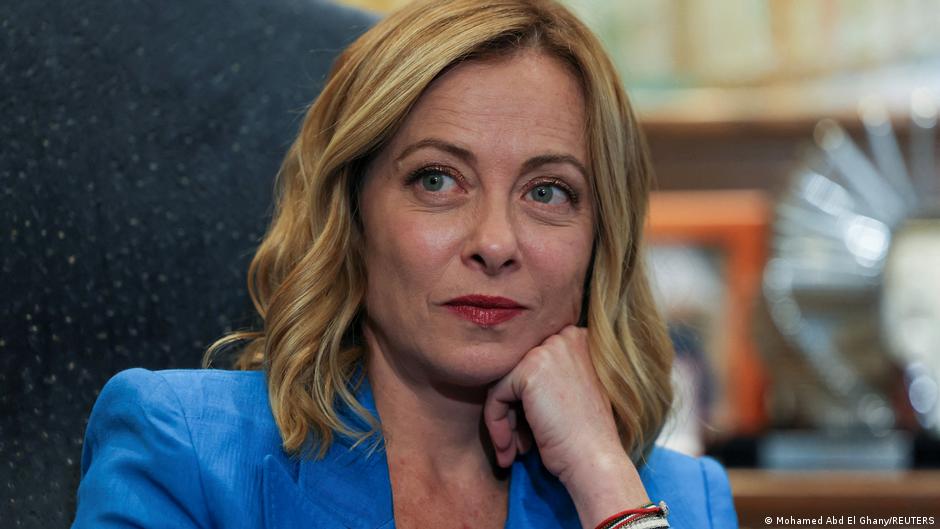
Italian Prime Minister Meloni's dispute with Russian media highlights risks to household budgets, savings, and currency stability amid rising geopolitical tensions.

Hungary's parliamentary elections ended with a sweeping win for Peter Madyar's party but were marred by fraud claims that may affect household finances and economic stability.