Yemen Mobilization Raises New Risks for Energy Bills and Investor Portfolios
Yemen’s mobilization call comes as Houthi advances threaten key waterways, oil exports and energy costs that can hit household budgets.

Yemen’s mobilization call comes as Houthi advances threaten key waterways, oil exports and energy costs that can hit household budgets.

A prolonged Saudi pipeline shutdown could tighten oil supplies, raising risks for fuel prices, household budgets, currencies and investors.

Houthi gains near Bab el-Mandeb raise the risk of higher oil prices, shipping costs and market volatility for households and investors.

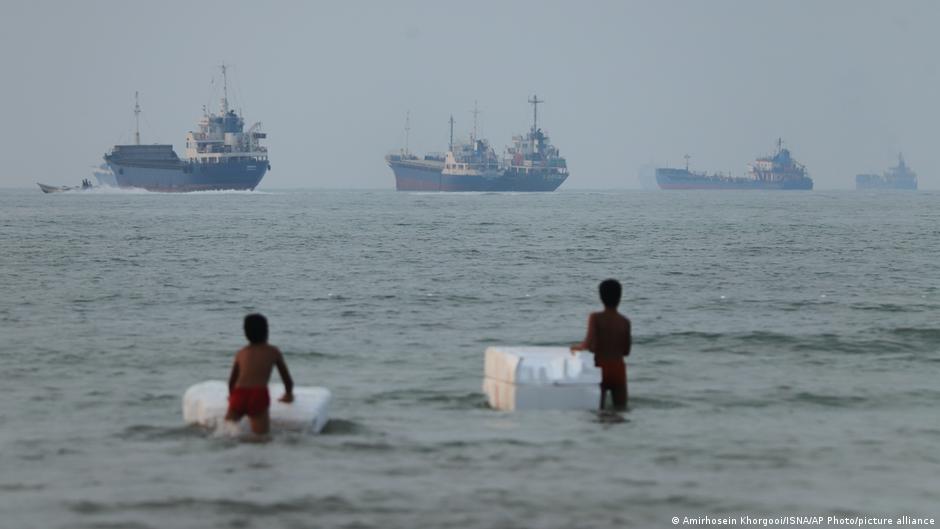
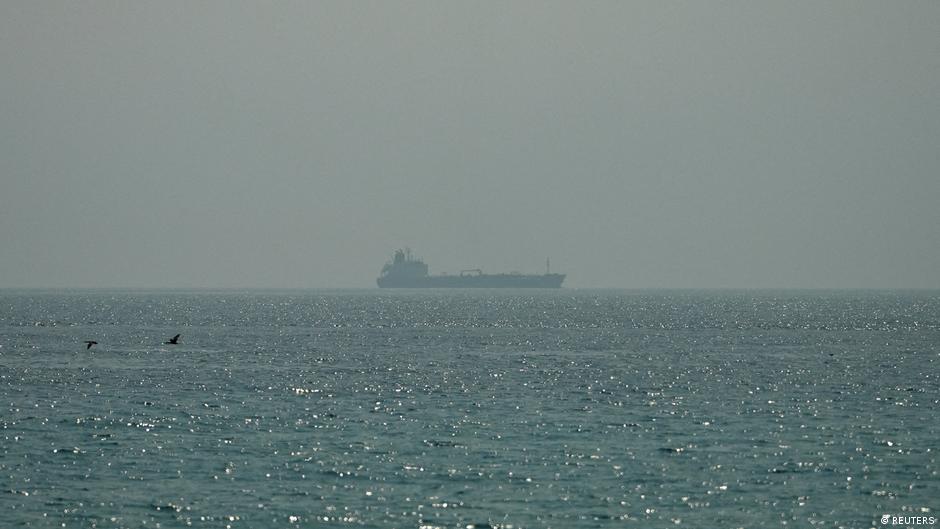
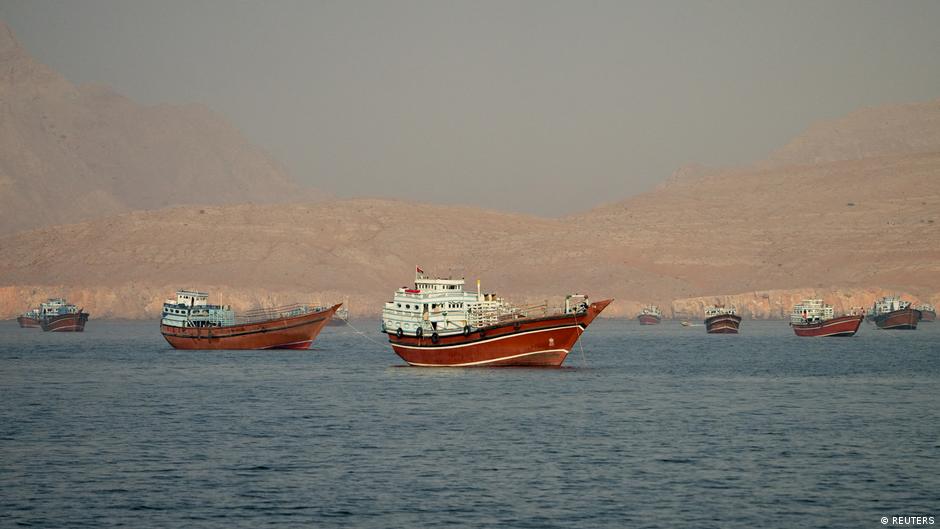
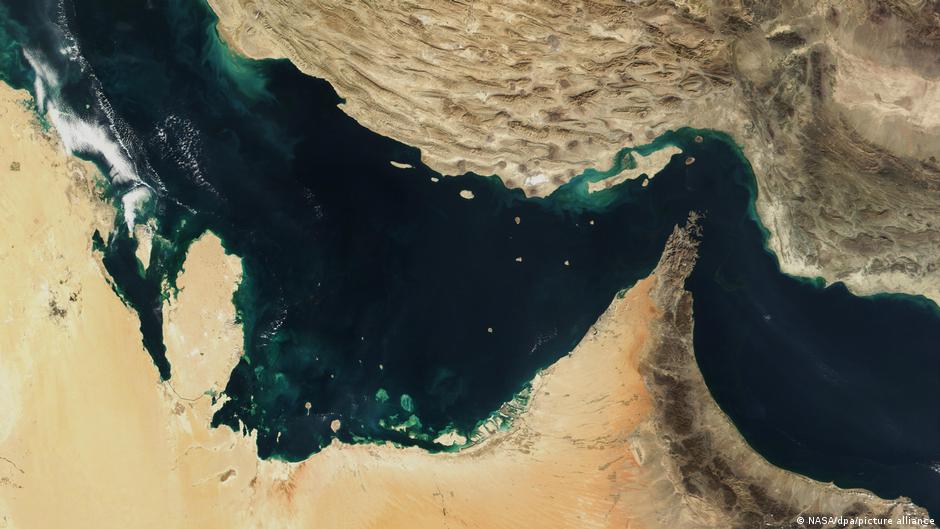
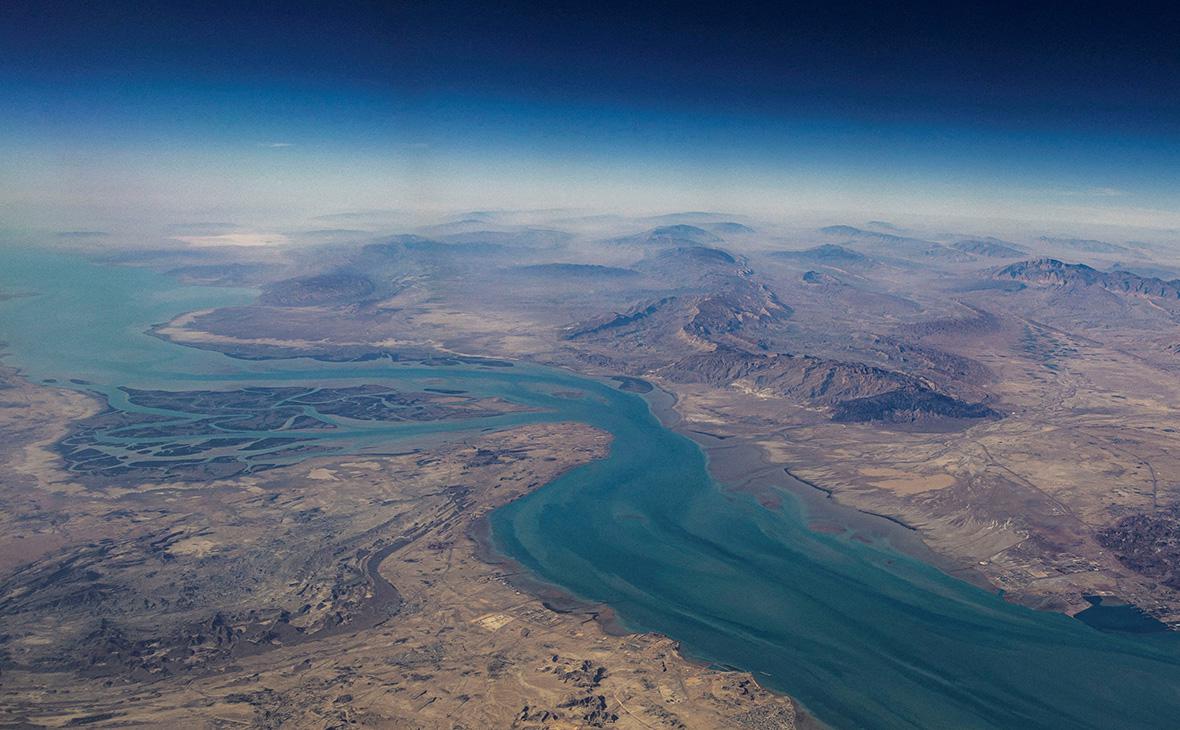
Rising tensions in the Strait of Hormuz threaten oil supply stability, potentially driving up fuel costs and affecting household budgets and investments globally.

The US plans to declare the Strait of Hormuz as its territory, potentially raising energy prices worldwide and impacting household budgets due to ongoing military tensions with Iran.

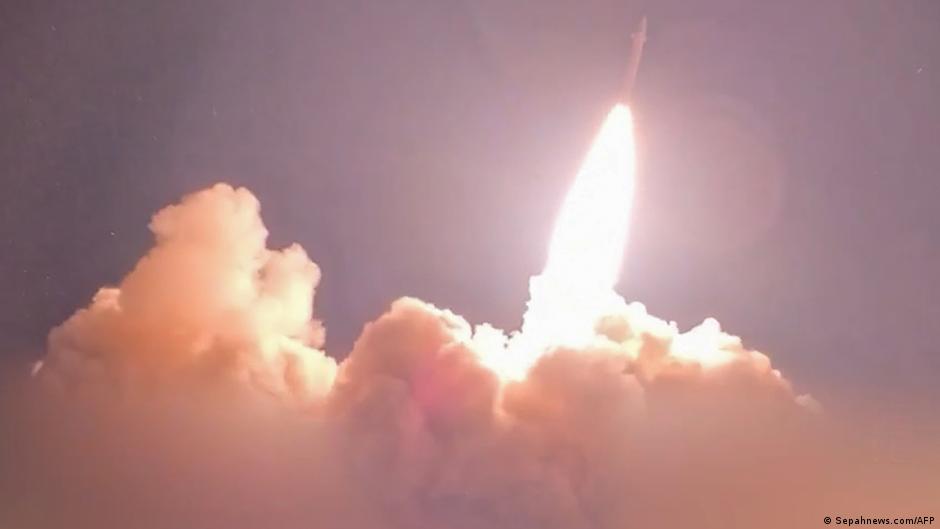
US intercepts Iranian missiles amid Middle East tensions, threatening global energy prices and impacting household budgets and savings worldwide.

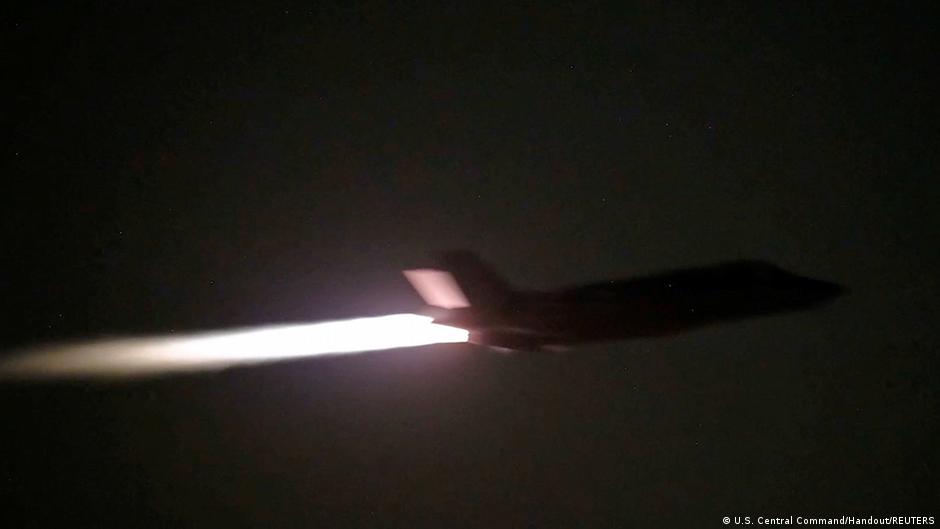
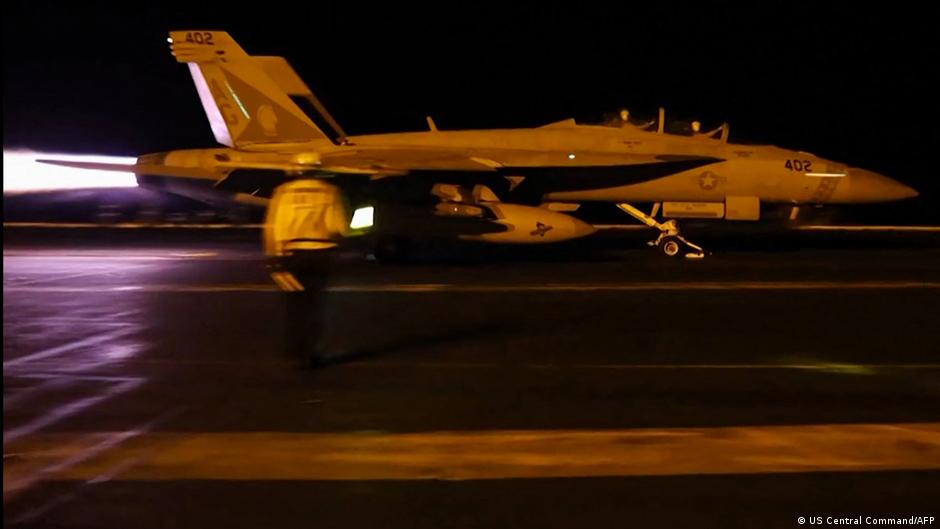
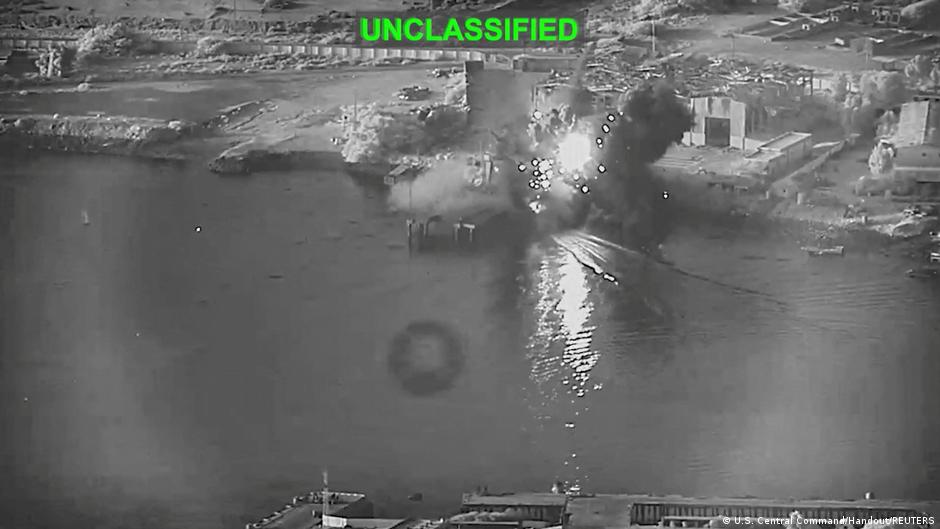
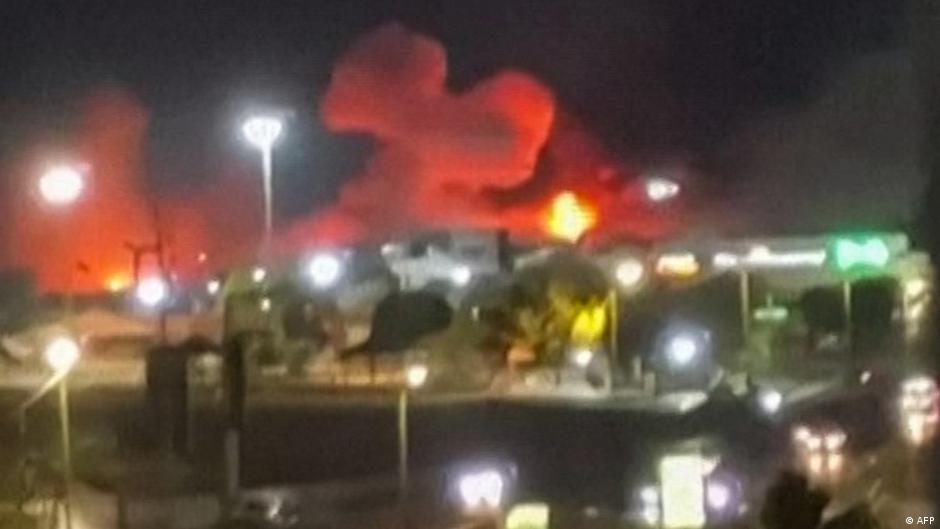
Eleven nights of US strikes on Iran disrupt key oil routes, pushing energy costs higher and affecting household budgets and investor confidence globally.

US strikes on Iran enter the tenth day, risking global energy supply disruptions that could raise fuel prices and strain household budgets and investor portfolios worldwide.

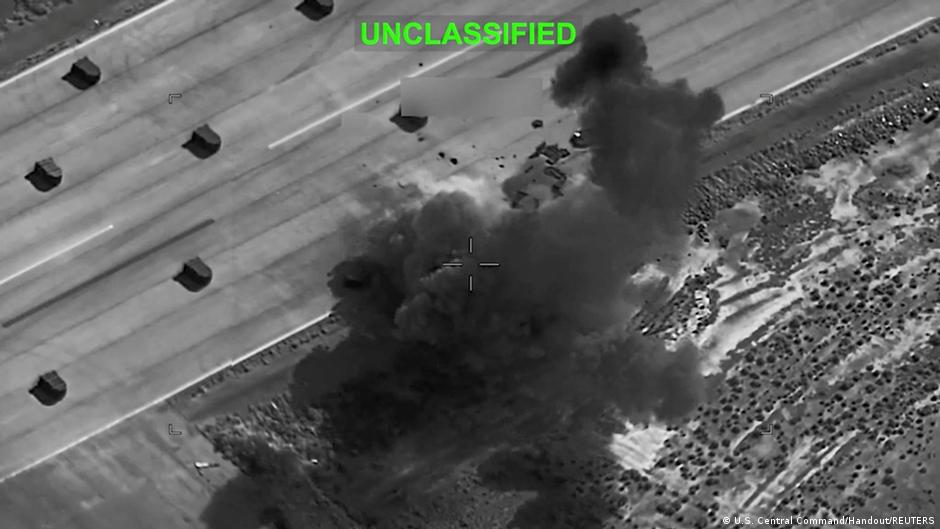
US strikes on Iran's infrastructure heighten risks of oil supply disruptions, driving up energy costs and impacting household budgets and investors worldwide.

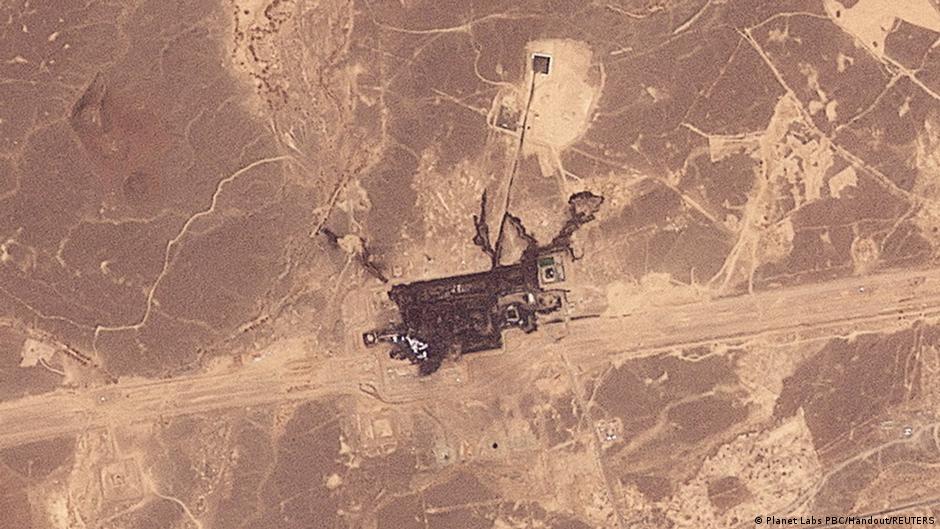
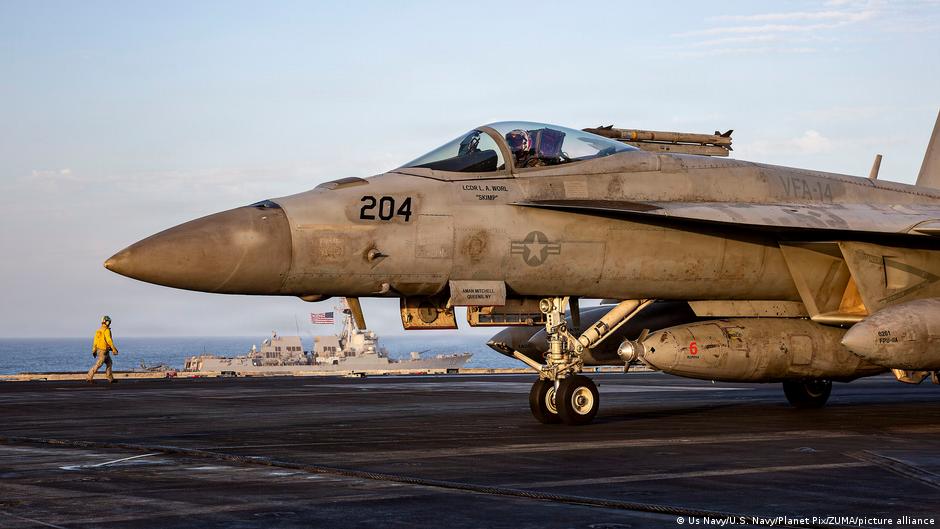
US military strikes on Iran near the Strait of Hormuz risk disrupting oil supplies, driving up energy prices, and straining household budgets and investments globally.

US strikes on Iran have closed the crucial Strait of Hormuz, threatening global oil supplies and raising energy costs that impact household budgets and everyday investors worldwide.

US strikes on Iran and renewed sanctions risk disrupting global oil supplies, pushing energy costs higher and impacting household budgets and investors worldwide.

A temporary US-Iran ceasefire may lead to the reopening of the Strait of Hormuz, potentially lowering oil prices and easing fuel costs affecting households worldwide.

US strikes on Iranian military targets follow drone attacks on oil tankers near the Strait of Hormuz, risking higher energy prices and economic uncertainty for consumers worldwide.

US and Iran agree on a communication channel to prevent incidents in the Strait of Hormuz, aiming to stabilize global oil supply and ease household energy costs.

The US may charge fees for passage through the Strait of Hormuz if Iran deal fails, risking higher oil prices and impacting household budgets and currency markets worldwide.

The US has ended its blockade of the Strait of Hormuz, allowing increased oil shipments that could stabilize fuel prices and ease household budget pressures worldwide.

The reopening of the Strait of Hormuz after a US-Iran peace deal could stabilize oil prices, easing fuel costs and benefiting household budgets globally.

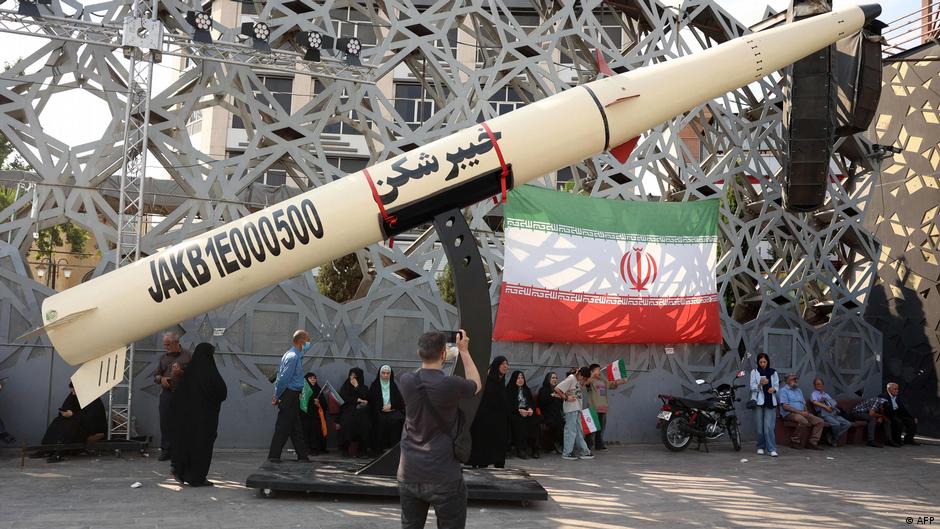
Iran has rebuilt most of its missile arsenal, possibly with Russian help, impacting global energy routes and driving up fuel costs affecting household budgets and investors worldwide.

Renewed US-Iran hostilities and the closure of the Strait of Hormuz are driving up oil prices, threatening household budgets and global consumer costs.

US-Iran drone strikes near the Strait of Hormuz threaten energy supply routes, potentially driving up global oil prices and impacting household budgets worldwide.

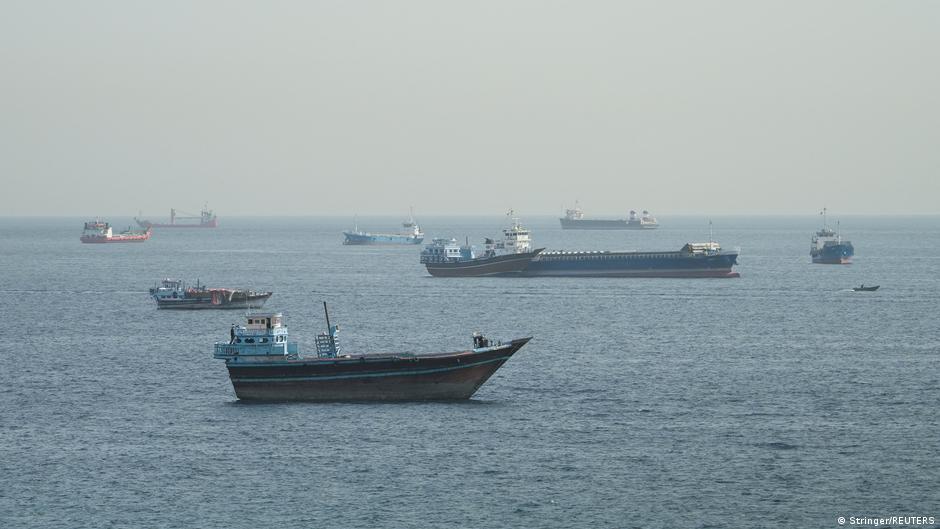
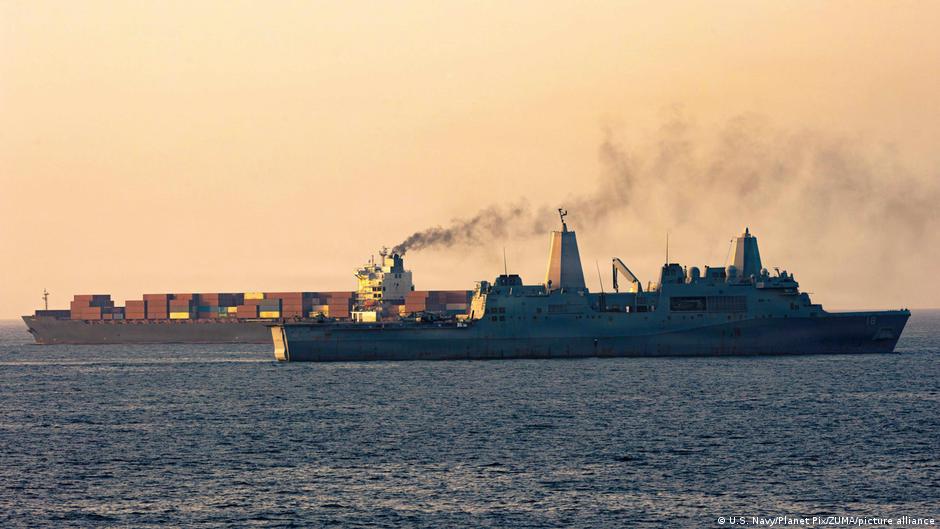
The US has secretly aided about 70 commercial ships through the Iran-blocked Strait of Hormuz, easing supply chain pressures and influencing consumer costs worldwide.

The US missile strike on a ship bound for Iran disrupts trade in the Strait of Hormuz, risking higher oil prices and impacting household budgets and savings globally.

US military strikes on Iran escalate geopolitical tensions, risking volatility in markets and currencies that affect household budgets, savings, and consumer costs globally.

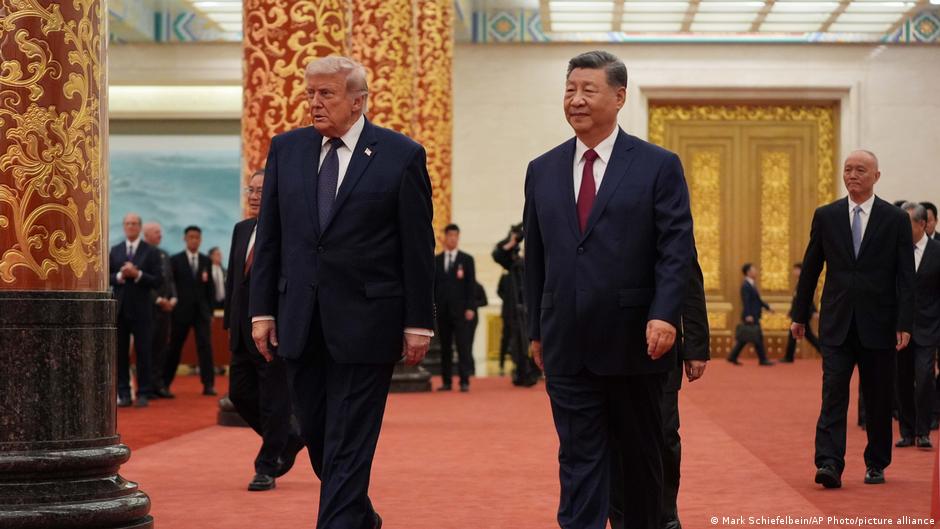
China's renewed interest in purchasing U.S. oil and soybeans could influence commodity prices and impact American household budgets and markets.

Iran's proposed 14-point peace plan could influence global oil prices and market volatility, with direct effects on household budgets, savings, and everyday investors worldwide.

Oil prices surged over 7% amid US-Iran tensions, pressuring household budgets, savings, and currencies worldwide due to potential long-term supply disruptions.

The US Treasury will not extend exemptions allowing purchases of Russian and Iranian oil at sea, potentially raising energy prices and affecting household budgets globally.

US seizure of Iranian cargo ship near Strait of Hormuz raises risks of rising energy prices and inflation, impacting household budgets and everyday investors worldwide.

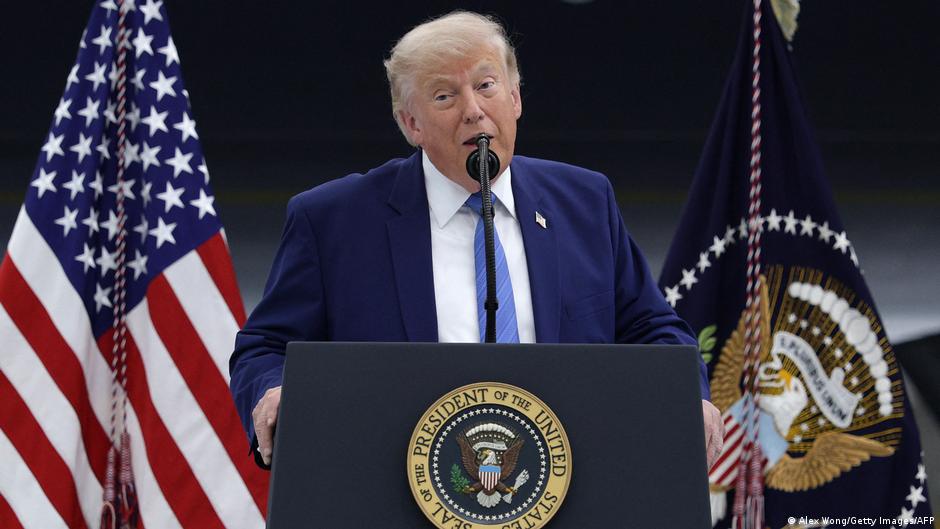
Trump rejects NATO assistance in Strait of Hormuz amid rising tensions, risking higher energy prices and market volatility affecting consumers and investors.

Russia's Deputy Foreign Minister says the UN proposal to monitor the Strait of Hormuz lacks support from key parties and its future is uncertain.