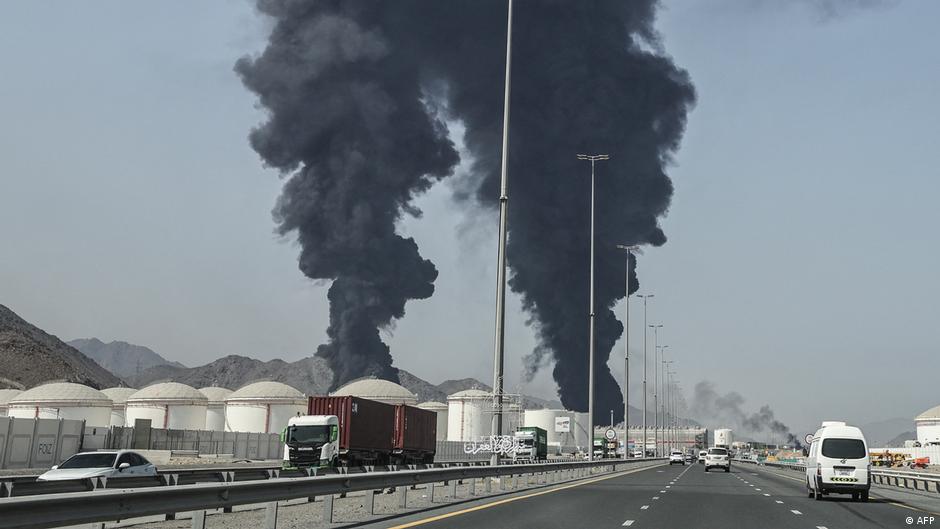
US-Iran Negotiations Resume Amid Military Tensions Impacting Global Markets
US-Iran talks resume August 3 as military strikes are postponed, affecting oil prices, currencies, and household budgets globally amid ongoing geopolitical tension.

US-Iran talks resume August 3 as military strikes are postponed, affecting oil prices, currencies, and household budgets globally amid ongoing geopolitical tension.

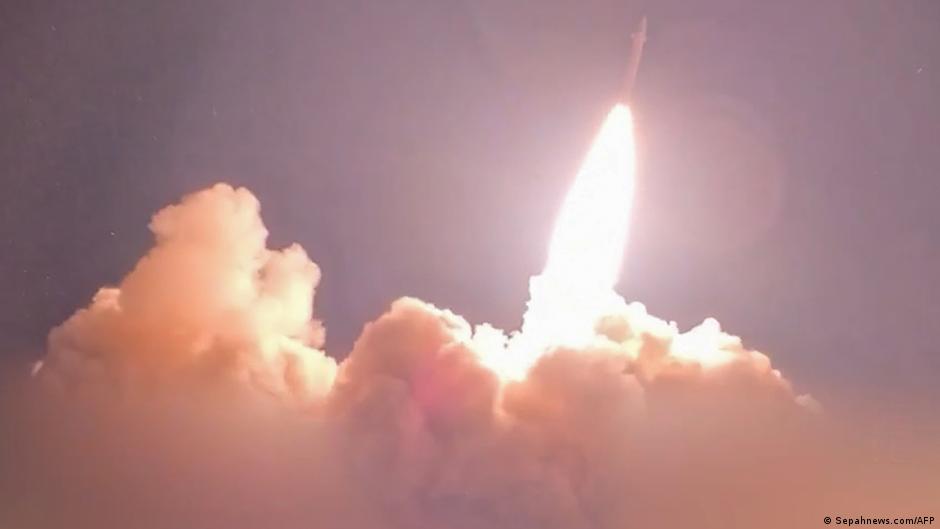
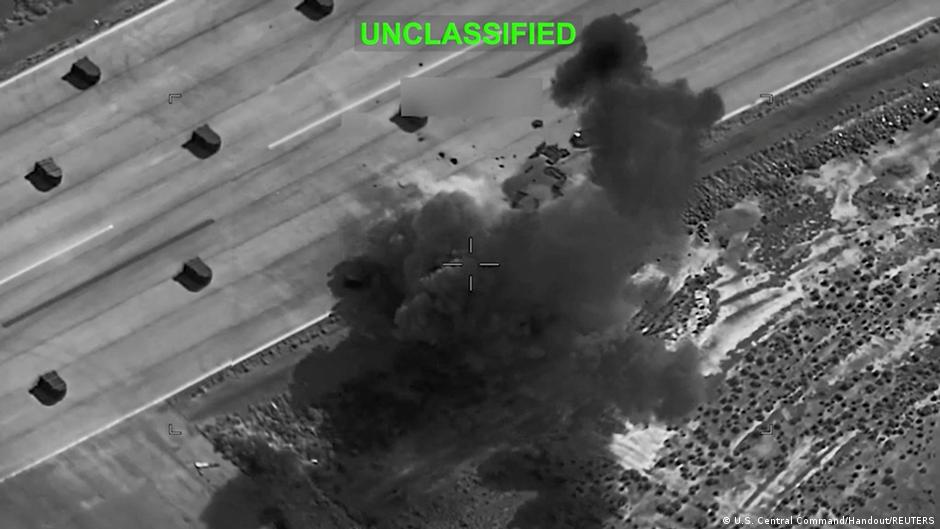
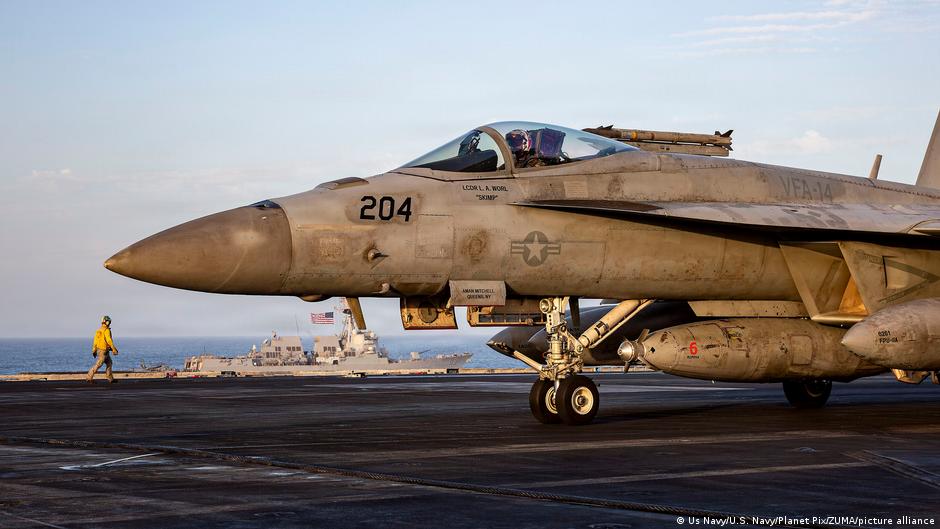
US intercepts Iranian missiles amid Middle East tensions, threatening global energy prices and impacting household budgets and savings worldwide.

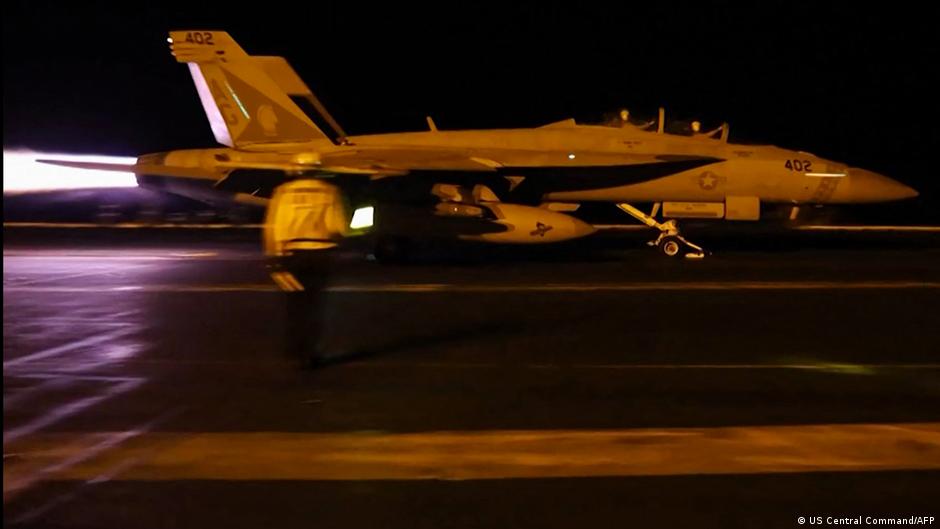
US strikes on Iran enter the tenth day, risking global energy supply disruptions that could raise fuel prices and strain household budgets and investor portfolios worldwide.

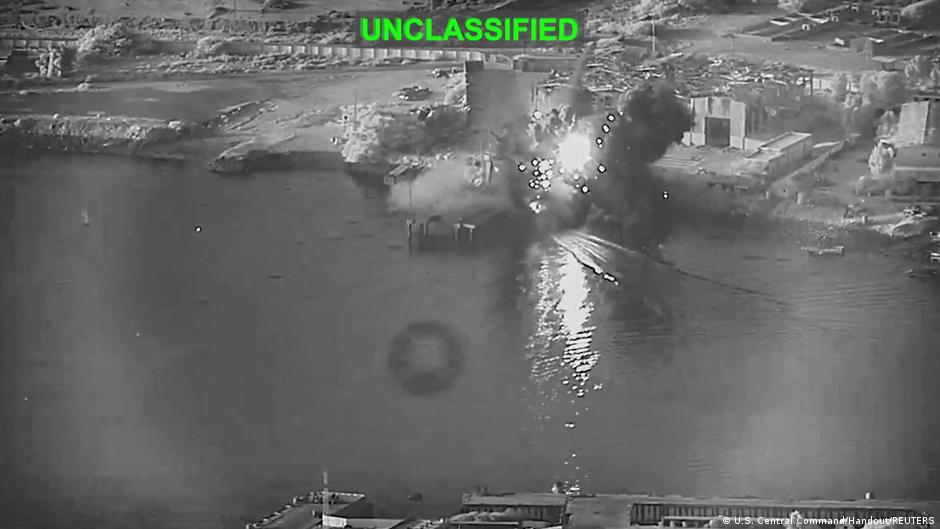
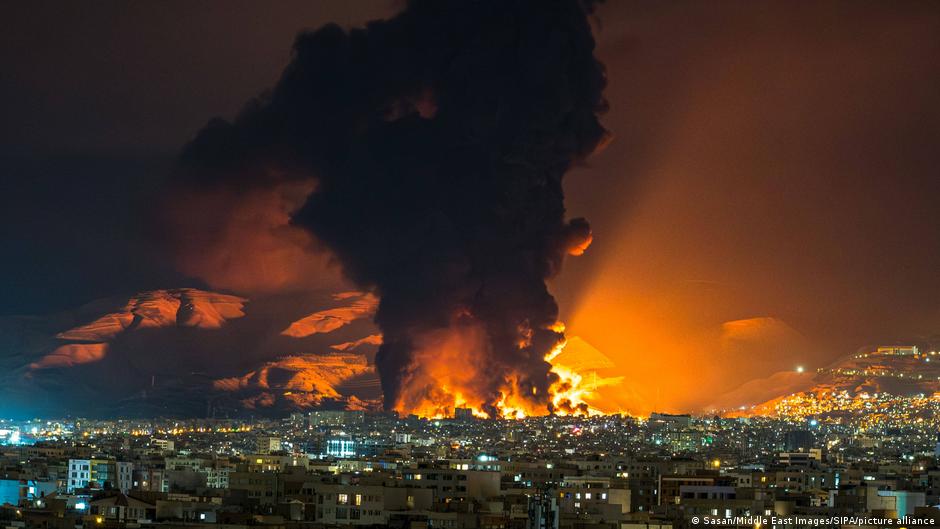
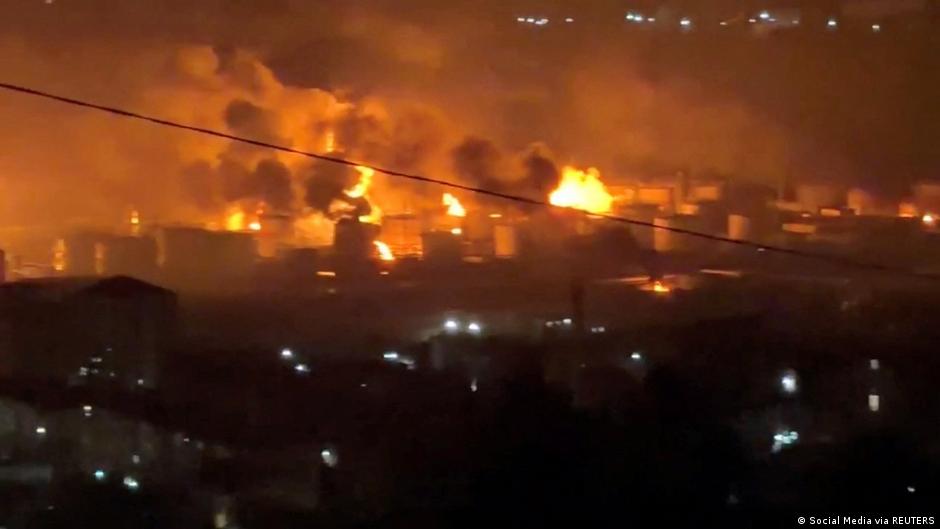
US strikes on Iran's infrastructure heighten risks of oil supply disruptions, driving up energy costs and impacting household budgets and investors worldwide.

U.S.-Iran military clashes threaten to raise energy prices, impacting consumer costs, household budgets, and currency stability for everyday investors worldwide.

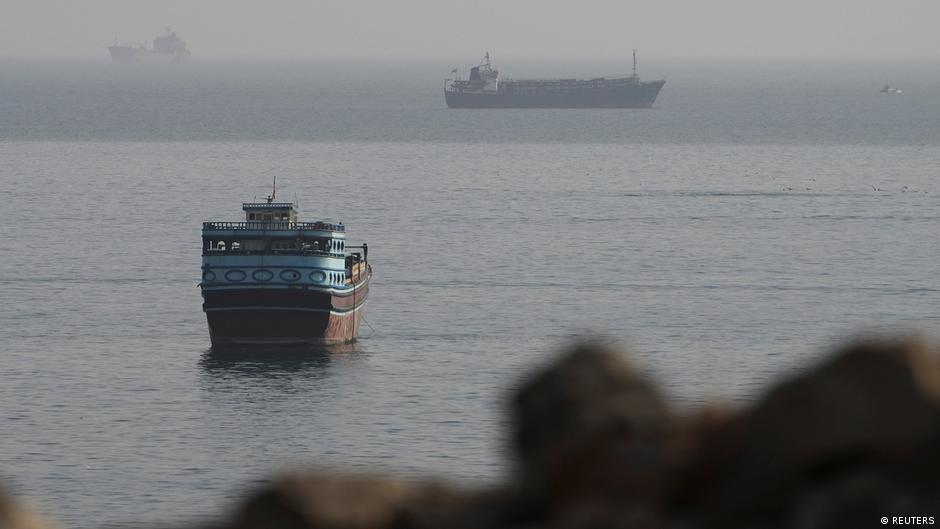
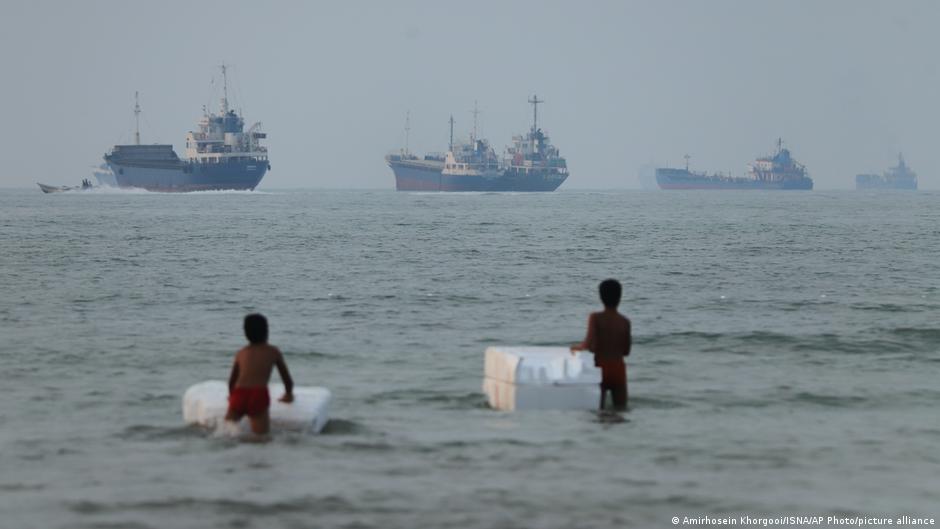
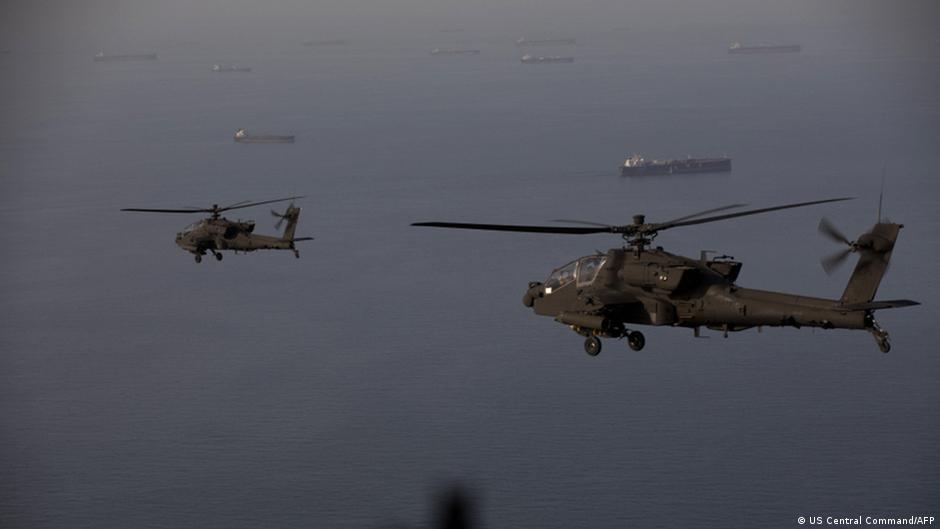
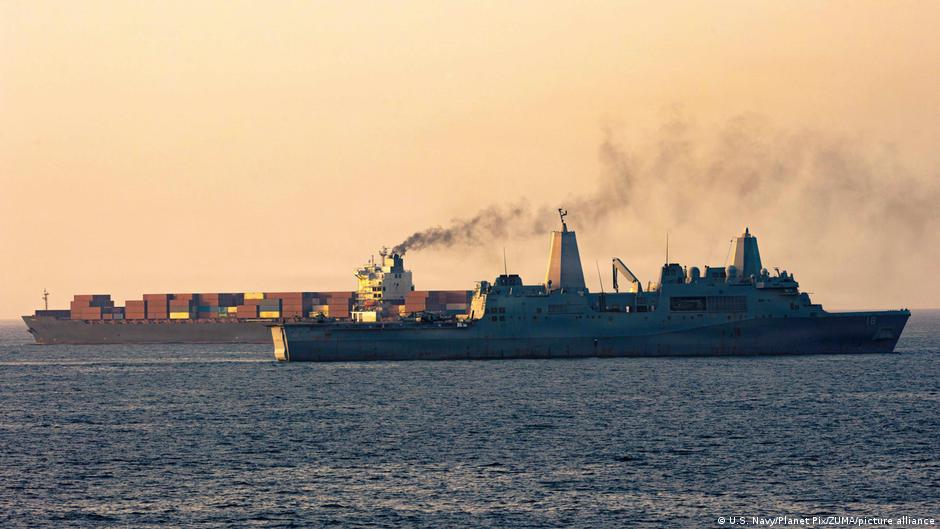
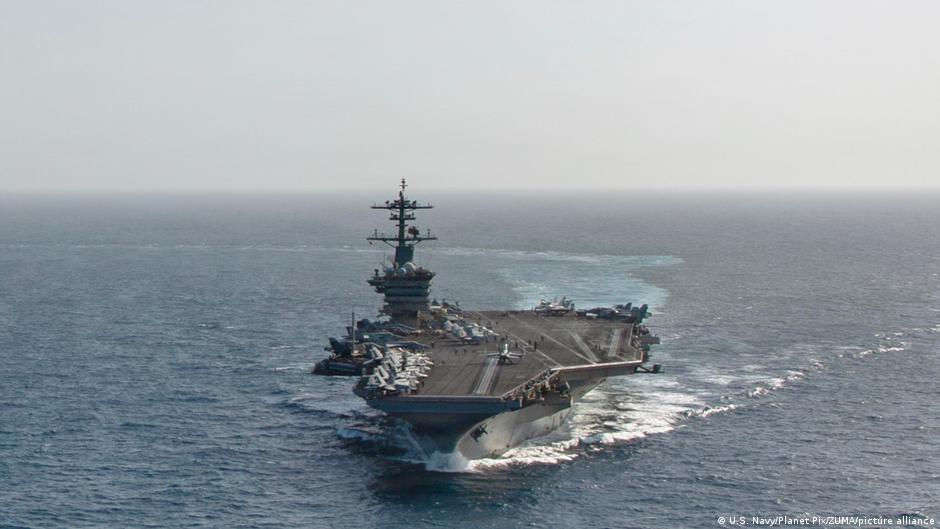
US military strikes on Iran near the Strait of Hormuz risk disrupting oil supplies, driving up energy prices, and straining household budgets and investments globally.

US strikes on Iran have closed the crucial Strait of Hormuz, threatening global oil supplies and raising energy costs that impact household budgets and everyday investors worldwide.

Iran’s leader’s death and rising conflicts threaten household budgets, savings, and currency stability amid a fragile political transition.

Renewed US-Iran military strikes and sanctions threaten Strait of Hormuz shipping, risking higher oil prices and increased costs for households and investors worldwide.

US strikes on Iran and renewed sanctions risk disrupting global oil supplies, pushing energy costs higher and impacting household budgets and investors worldwide.

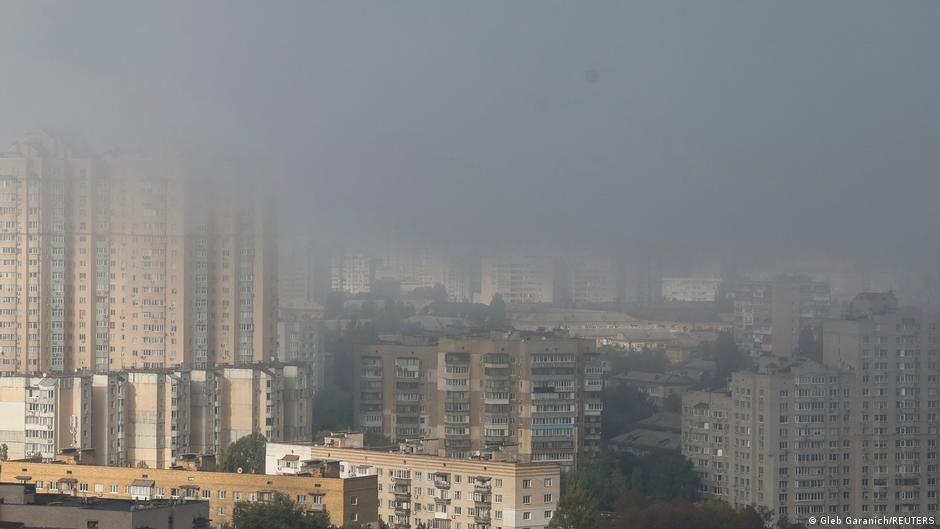
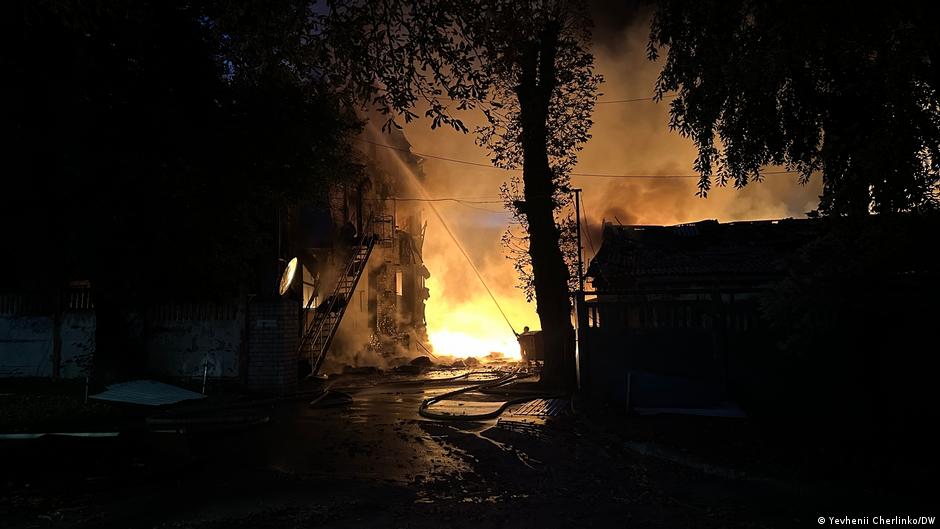
Russian strikes across multiple Ukrainian regions cause civilian casualties and damage, impacting household budgets, local services, and economic stability.

A temporary US-Iran ceasefire may lead to the reopening of the Strait of Hormuz, potentially lowering oil prices and easing fuel costs affecting households worldwide.

US strikes on Iranian military targets follow drone attacks on oil tankers near the Strait of Hormuz, risking higher energy prices and economic uncertainty for consumers worldwide.

Russia's near quadruple rise in Belarusian aviation fuel imports reflects domestic production cuts, causing fuel shortages and price pressures impacting households and investors.

The US may charge fees for passage through the Strait of Hormuz if Iran deal fails, risking higher oil prices and impacting household budgets and currency markets worldwide.

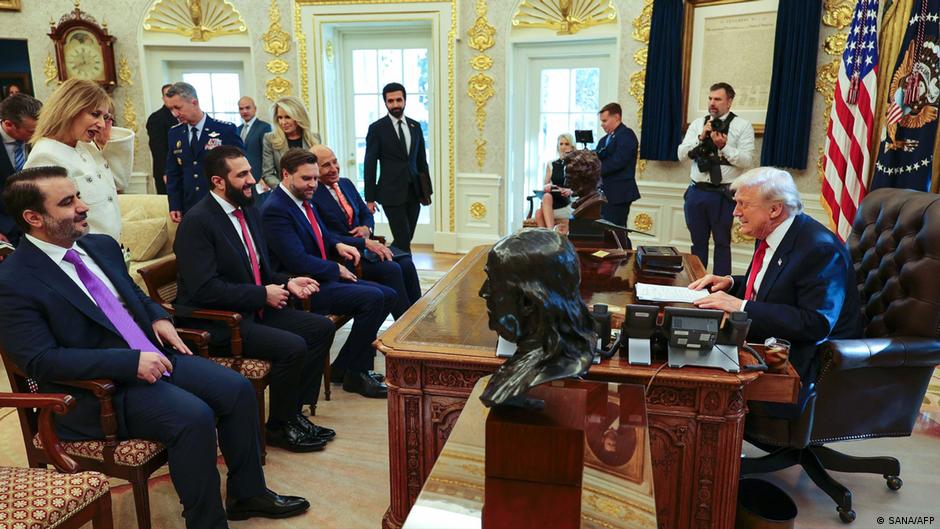
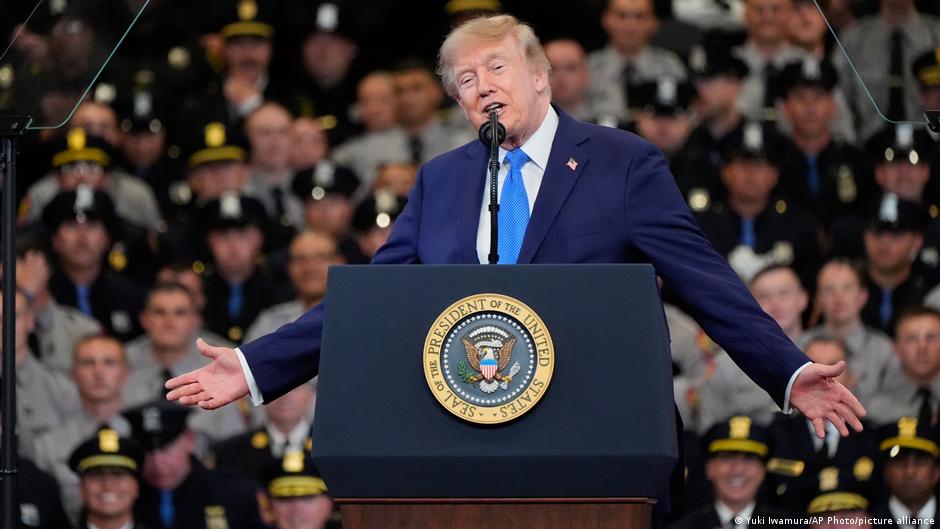
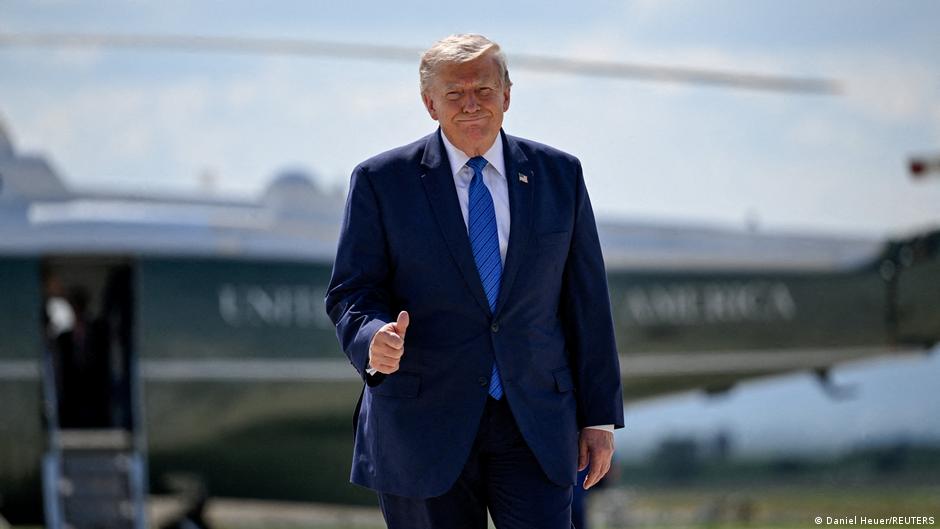
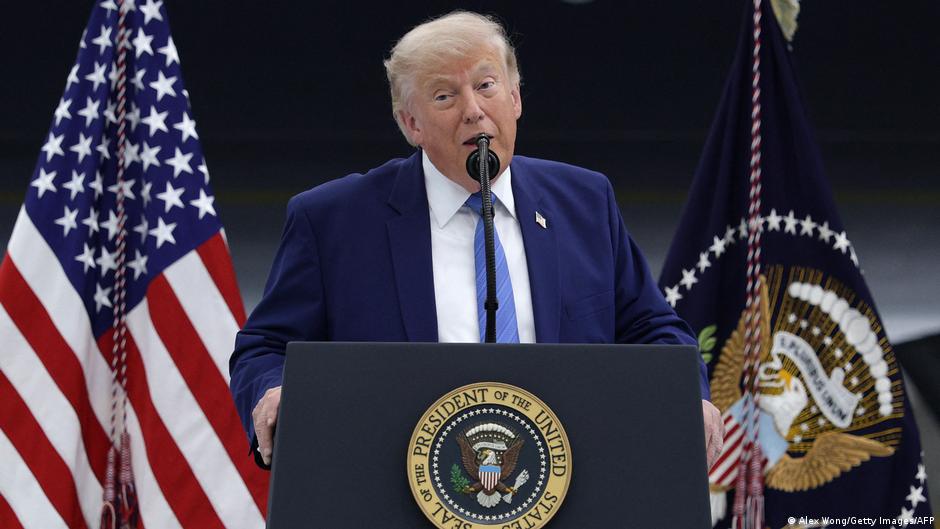
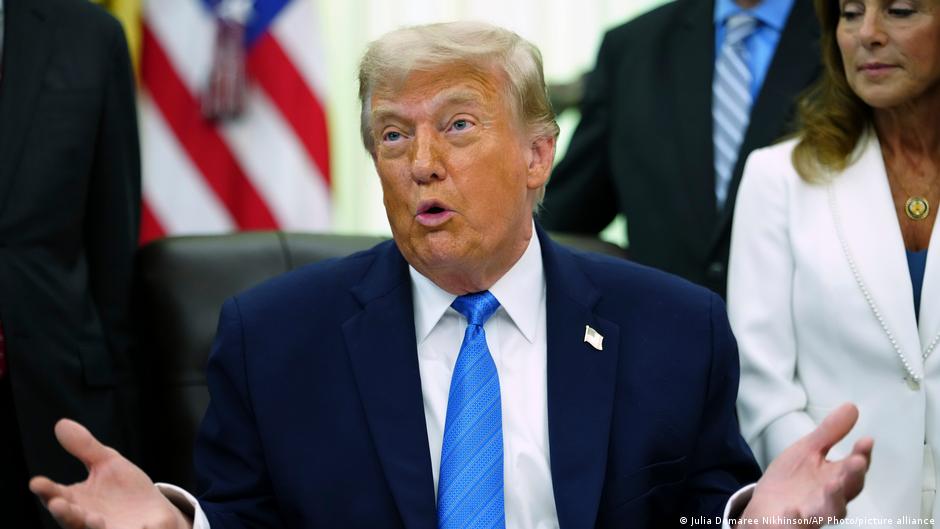
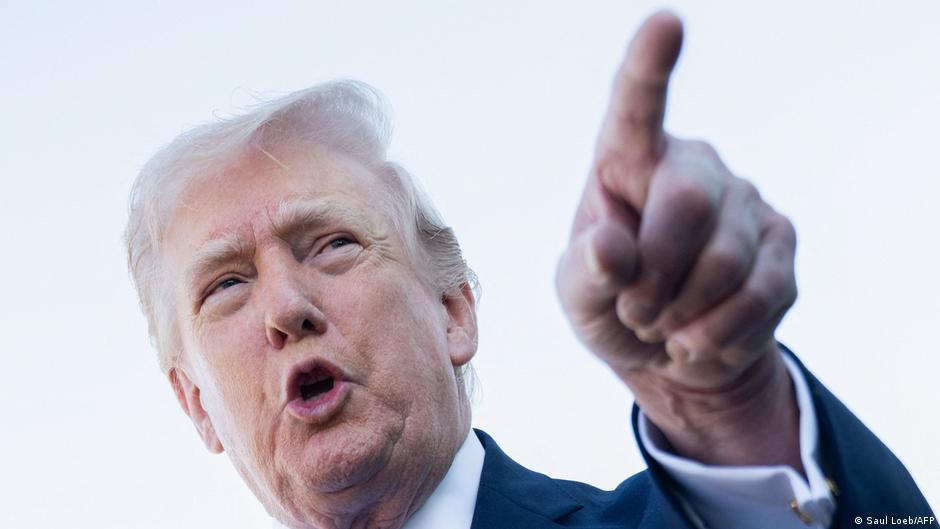
US President Trump halts planned strikes on Iran amid progress toward a regional deal, potentially stabilizing global oil prices and easing the burden on household finances.

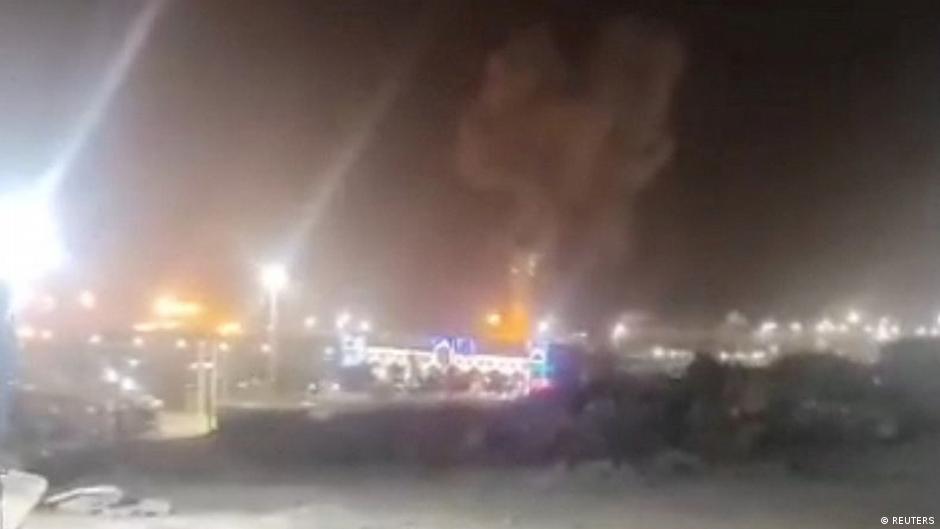
US strikes on Iran near the Strait of Hormuz raise the risk of higher oil prices, impacting household budgets, savings, and currency stability worldwide.

A Russian military strike in Zaporizhzhia caused a power outage, disrupting daily life and increasing household expenses amid warnings of further attacks.

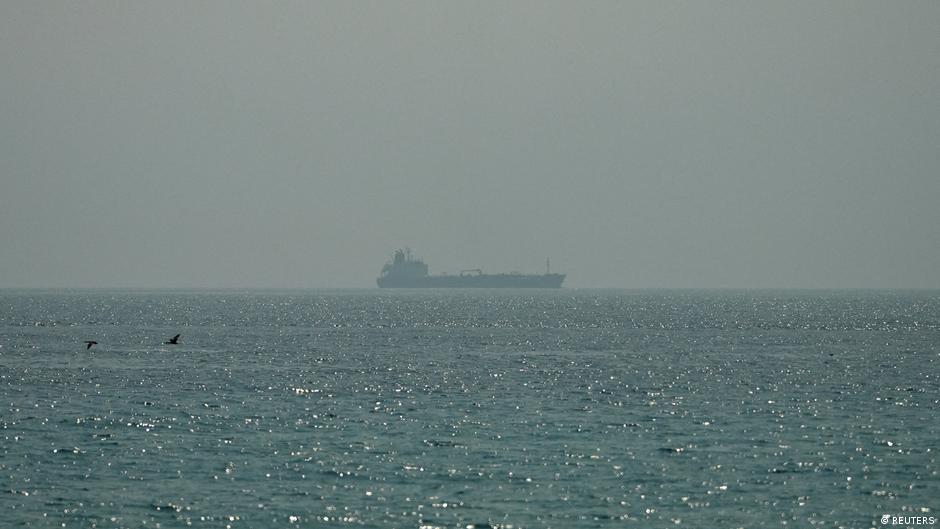
The US missile strike on a ship bound for Iran disrupts trade in the Strait of Hormuz, risking higher oil prices and impacting household budgets and savings globally.

US military strikes on Iran escalate geopolitical tensions, risking volatility in markets and currencies that affect household budgets, savings, and consumer costs globally.

The Starobelsk dormitory attack has claimed 21 lives, imposing heavy financial and emotional burdens on families and destabilizing local economies and currencies.

US postpones planned strike on Iran after Gulf leaders’ intervention, easing pressure on global energy prices and currencies, with implications for household budgets and investors.

Ukraine’s recent military gains against Russia signal regional shifts affecting currency stability, energy prices, and household budgets amid ongoing conflict.

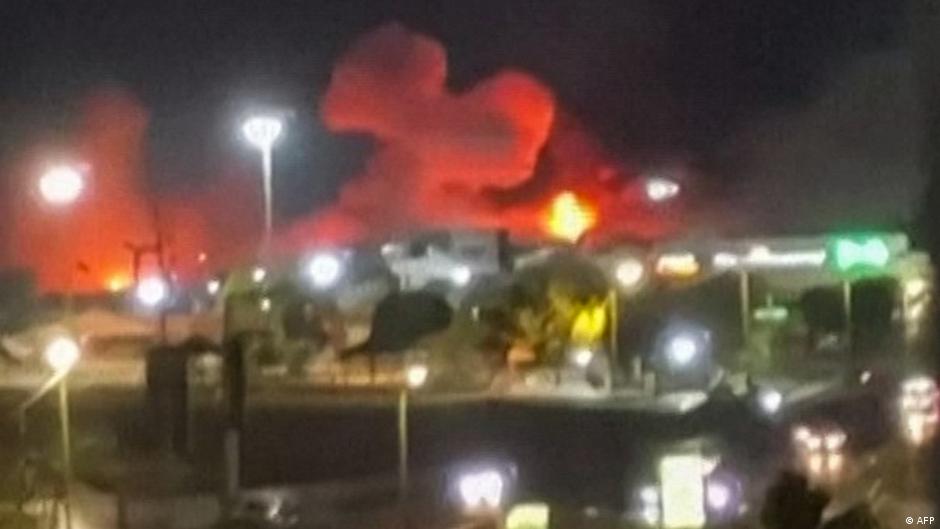
Secret UAE strikes on Iran and Iranian retaliations disrupt Gulf economies, affecting tourism, real estate, and household finances amid rising regional tensions.

Despite a proposed ceasefire, Russian attacks continue across Ukraine, intensifying economic uncertainty that affects household budgets, savings, and currency stability.

Russian intimidation of German defense firms involved in Ukraine arms supplies raises cyber and security risks, impacting investors, supply chains, and household finances.