Ukraine Says Starlink Limits Persist, Adding to Household Financial Risks
Ukraine says Starshield speed limits and delayed interceptor deliveries persist, adding uncertainty for public finances, household budgets and investors.

Ukraine says Starshield speed limits and delayed interceptor deliveries persist, adding uncertainty for public finances, household budgets and investors.

Zelensky’s claims of delayed US missile deliveries add uncertainty for European energy bills, currencies, savings and retail portfolios.

Four Canadian soldiers were killed and dozens injured in an Alberta base fire, creating profound personal and financial uncertainty for military families.

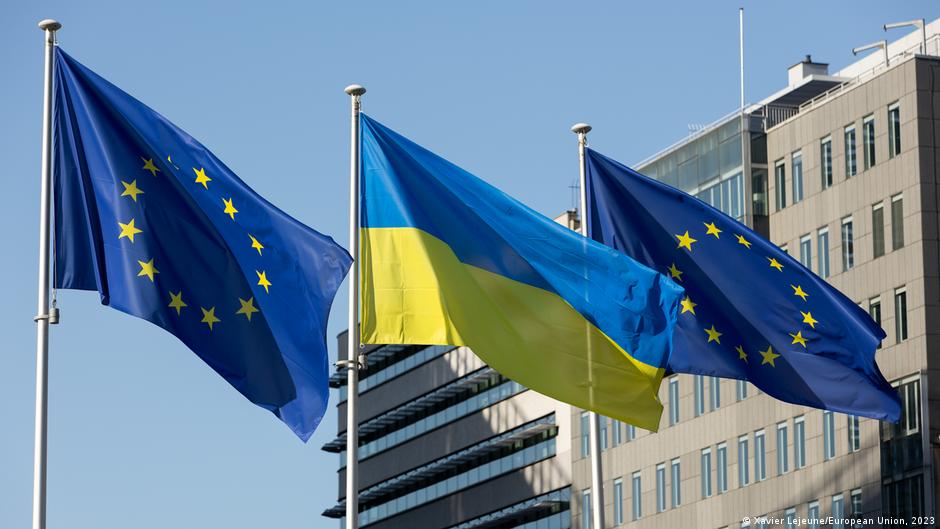
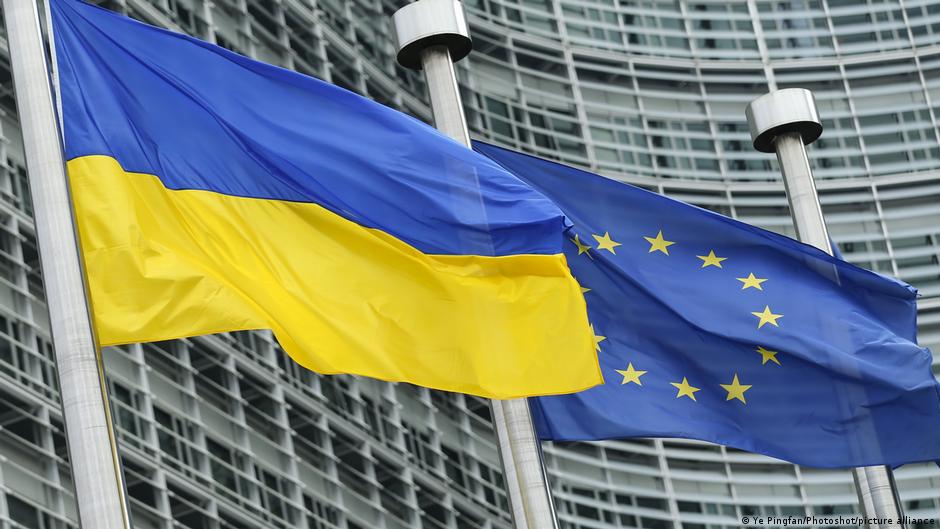
EU states agreed to open accession clusters for Ukraine and Moldova, advancing reforms tied to markets, budgets, consumer rules and investor confidence.

The EU plans new funding for Ukraine’s drone and missile purchases as leaders weigh broader financing needs and budget pressures.

Germany’s long-term Bürgergeld rolls are fueling debate over taxes, work incentives and the pressure welfare spending places on household budgets.

EU lawmakers approved a €115 million defence innovation fund, raising questions for taxpayers, savers and investors watching public spending priorities.

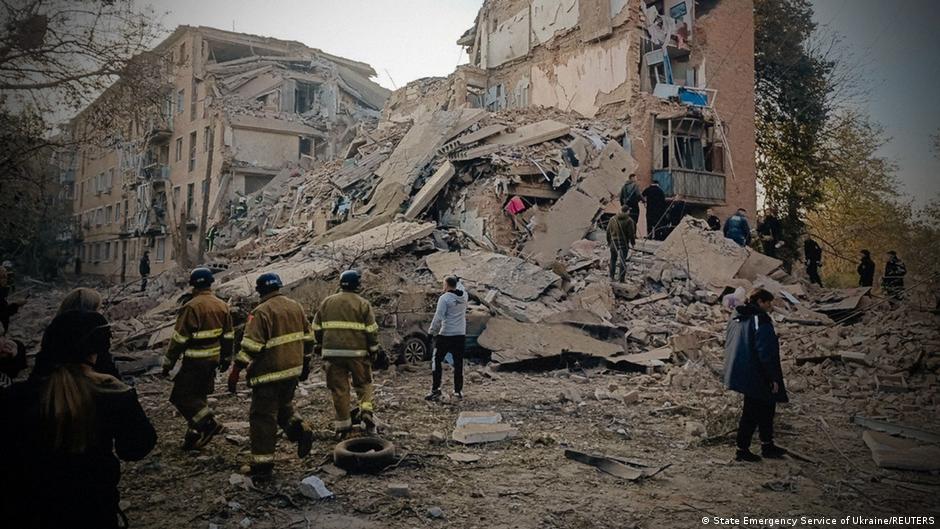
Ukraine says 28 people were killed in a Russian missile and drone attack, renewing focus on household costs, sanctions, oil revenue and investor risk.

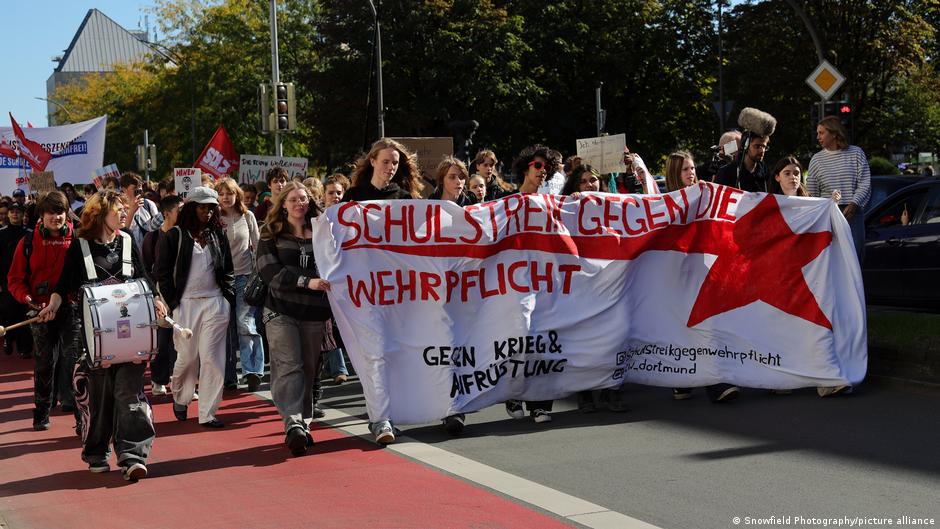
Military service objections in Germany have more than tripled from last year’s total, adding uncertainty for families and young workers.

The EU refused to advance part of a €90 billion Ukraine loan, keeping pressure on 2027 funding plans and European budgets.

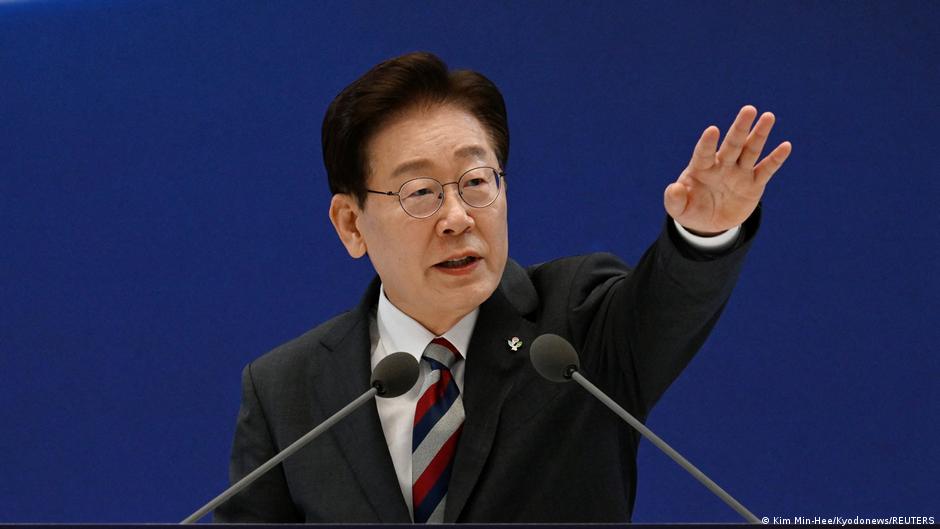
A Seoul-Kyiv dispute over North Korean prisoners could affect defense expectations, currency sentiment and investor risk in Asia and Europe.

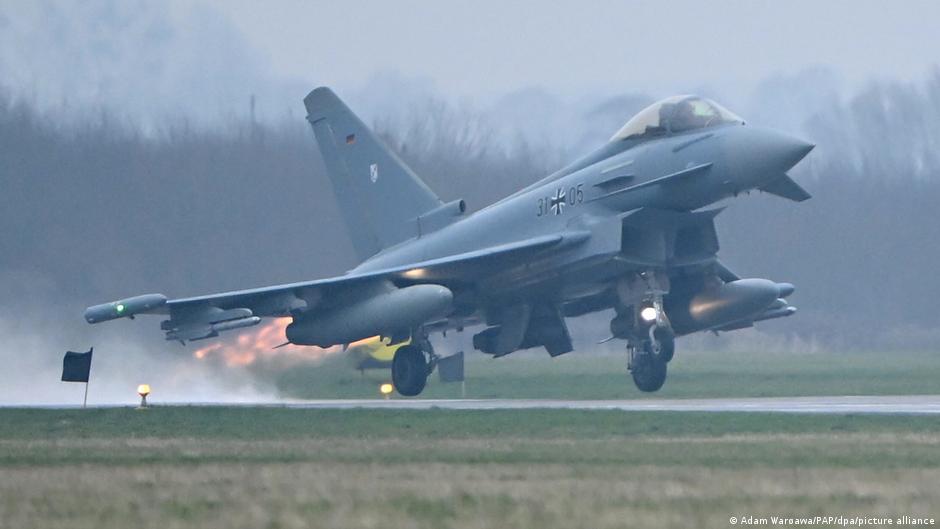
Germany’s Eurofighter deployment to Latvia highlights how Baltic security risks can affect budgets, savings and investor confidence.

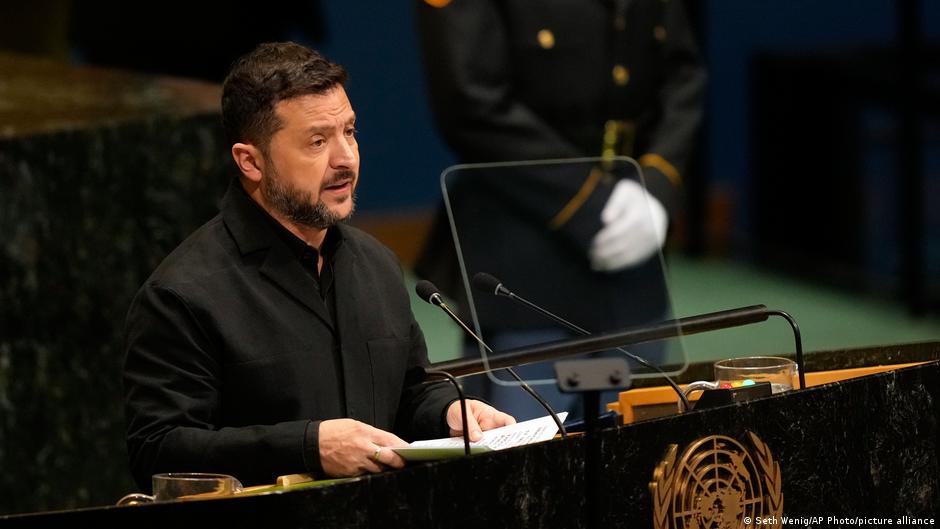
Zelensky’s UN speech tied Russia’s war capacity to energy risks, winter heating pressure and the market uncertainty facing households and investors.

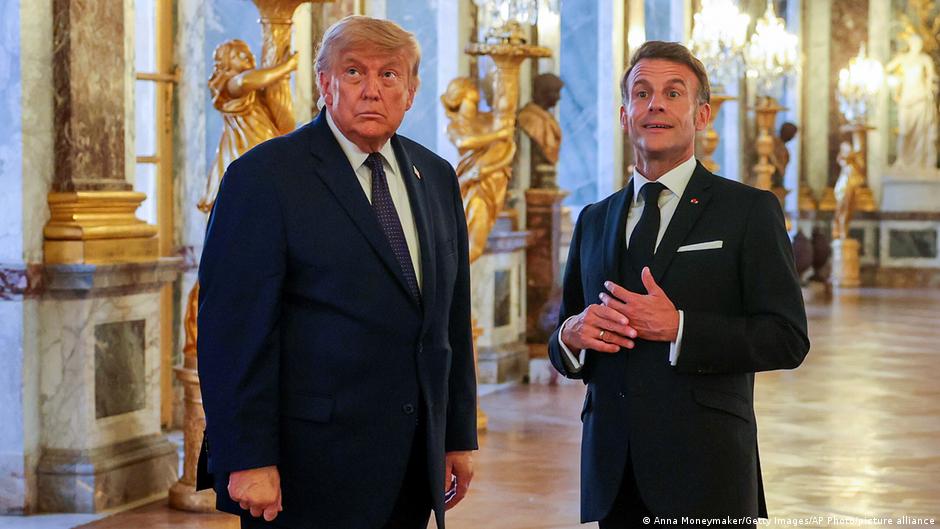
Macron and Trump discussed protecting Ukraine’s energy and civilian infrastructure, a move with implications for household costs and markets.

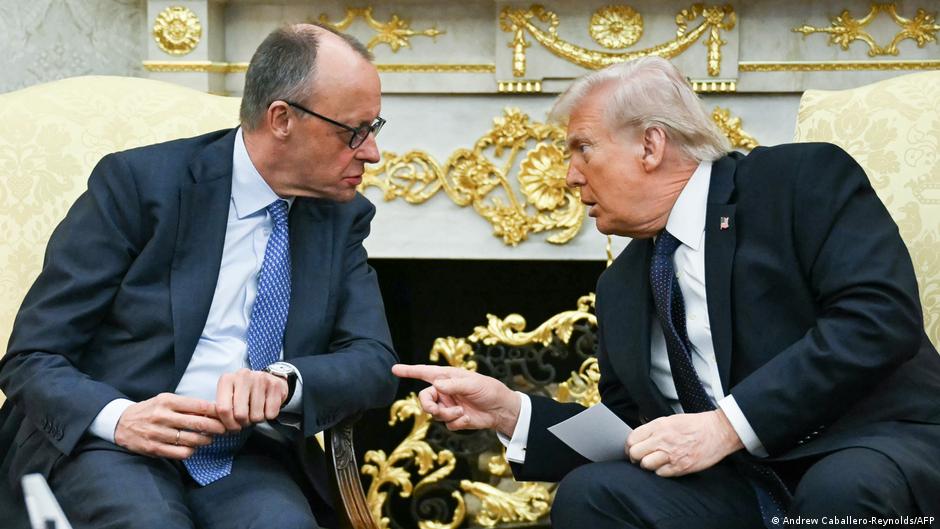
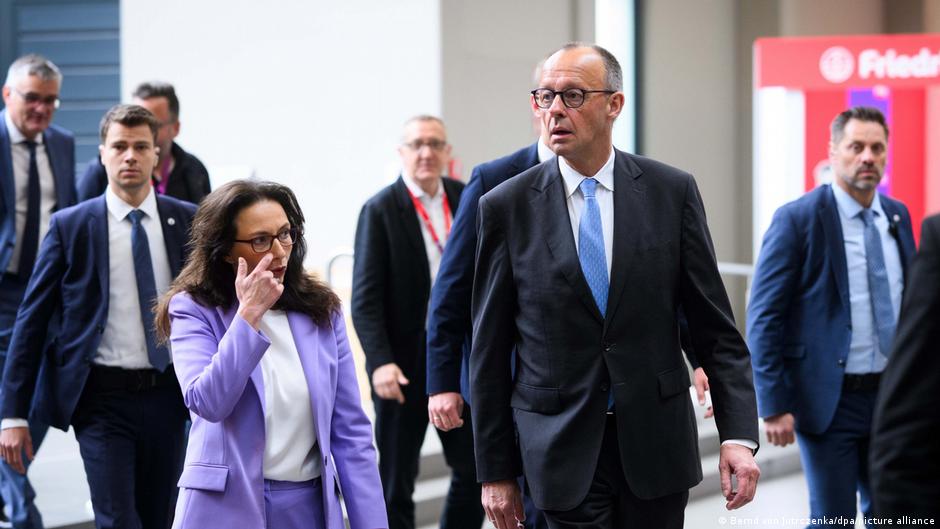
Merz says the old U.S.-German alliance may be over, raising questions for prices, defense spending, currencies and everyday investors.

Strikes on a Russian refinery and warehouses raise questions for fuel costs, deliveries, inflation and investors tracking war risk.

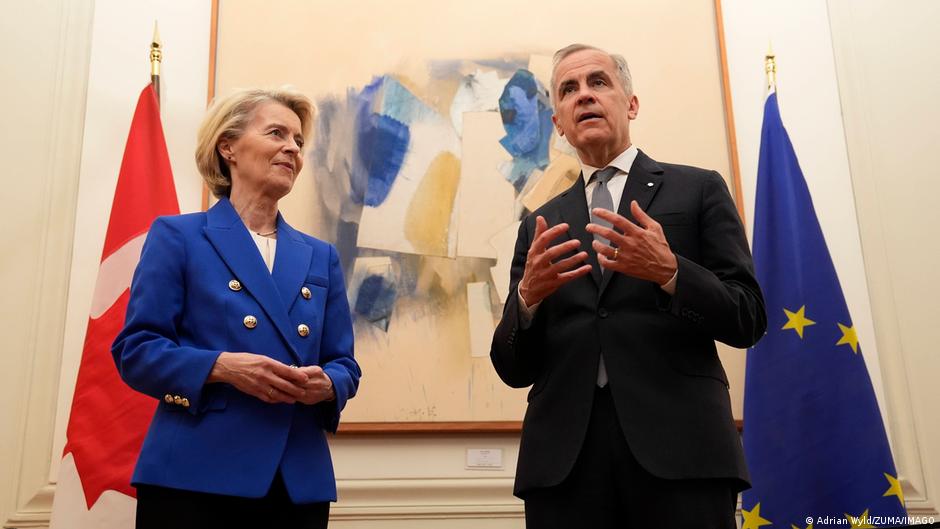
Canada is negotiating to join the EU’s €90 billion Ukraine loan, a move with implications for taxpayers, currency risk and investors.

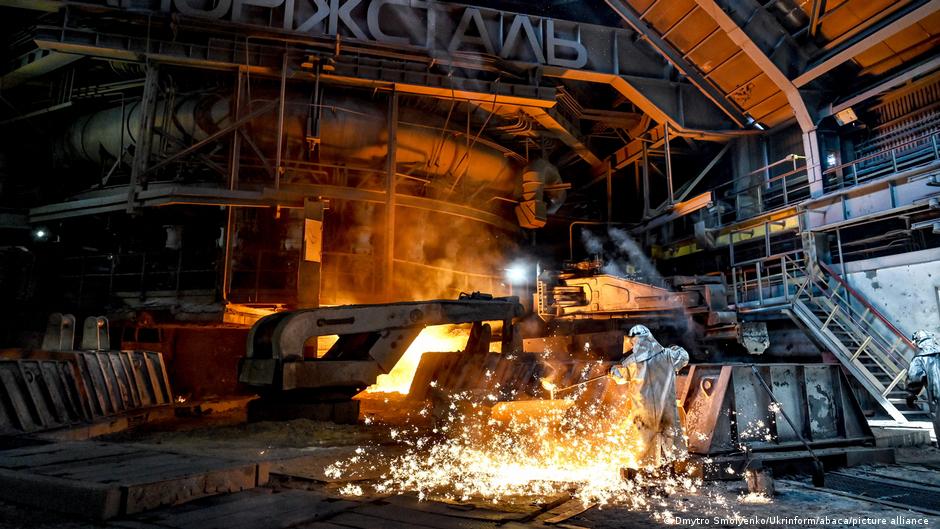
Critical damage at Zaporizhstal raises risks for jobs, taxes, steel supply and household finances after a third Russian missile strike in a month.

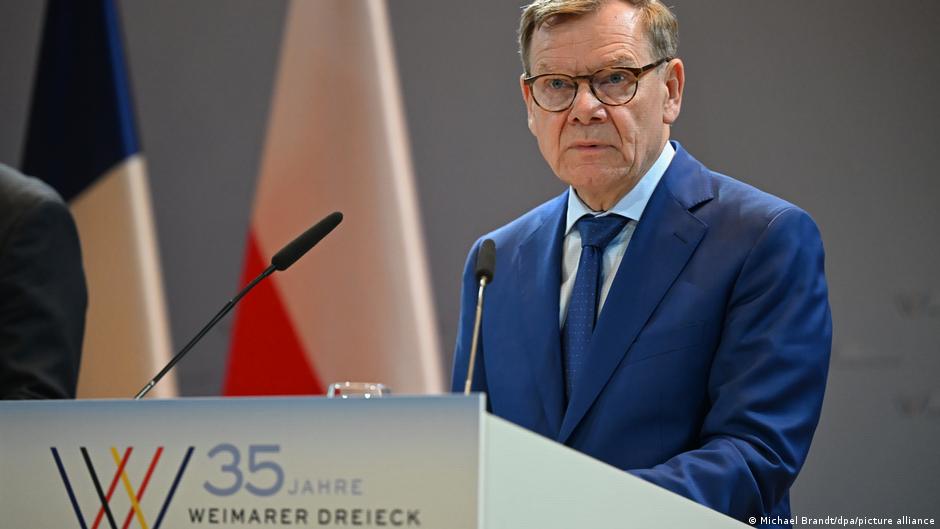
Germany’s foreign minister says aid to Ukraine should also benefit German defense firms, citing the need to justify spending to taxpayers.

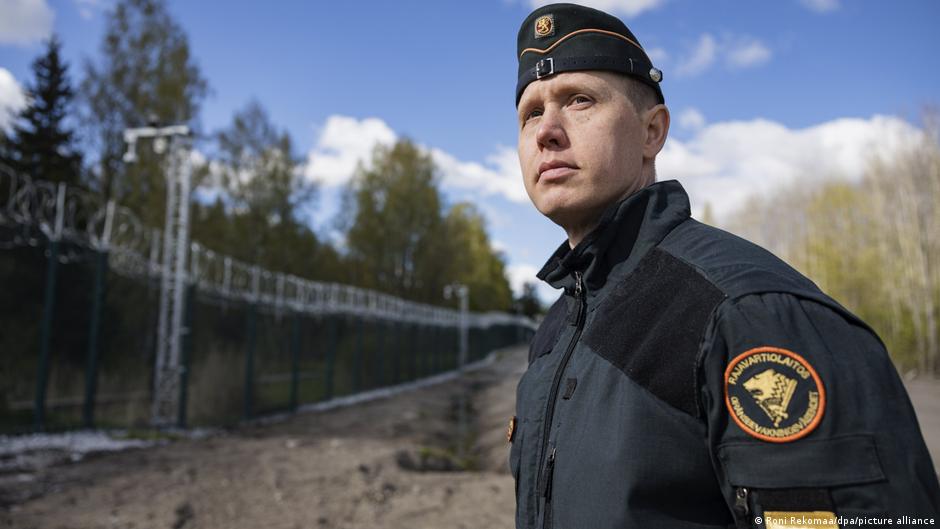
Finland’s completed Russia border fence highlights how security spending can affect public budgets, local economies and household finances.

AfD’s Saxony-Anhalt win raises uncertainty over coalition talks, energy policy, sanctions and the economic outlook for households and investors.

Norway’s seizure of a Russian vessel in a Naftogaz claim highlights how legal battles over assets can shape investor risk, currencies and household finances.

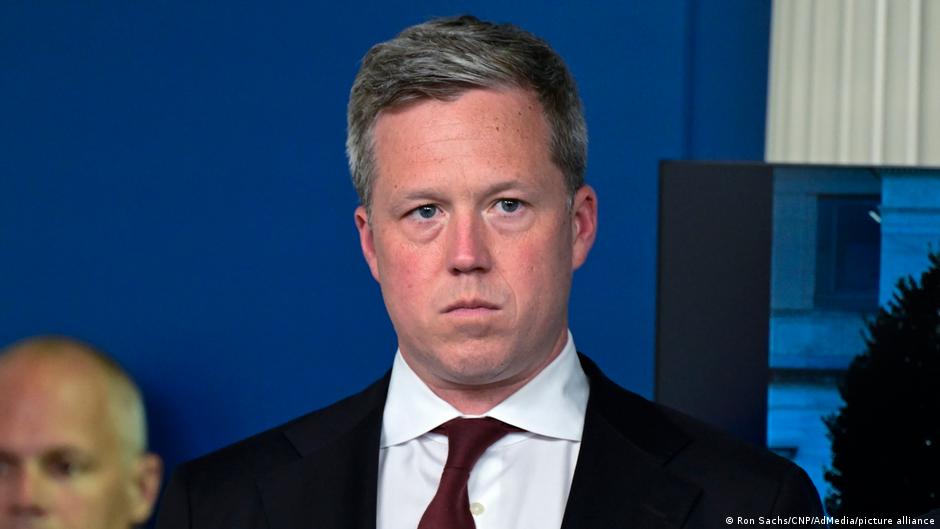
Daniel Driscoll’s resignation after a clash with Pete Hegseth adds new uncertainty around Pentagon spending, procurement priorities and defense-sector sentiment.

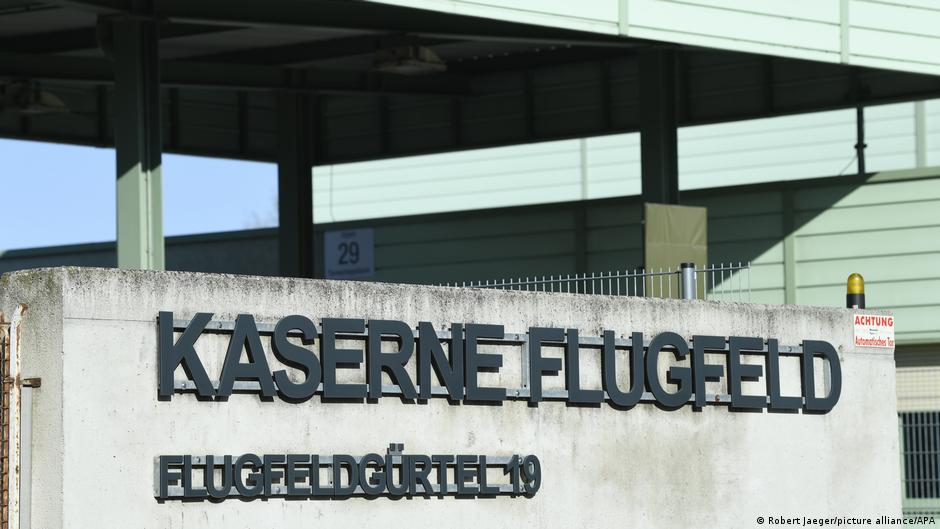
Austria plans to extend mandatory military service to nine months and increase conscript pay, impacting household incomes, savings, and government spending.

CIA director reveals Russian conscripts in Ukraine face 20-30 minute survival, driven by AI drone warfare impacting household finances and investor confidence.

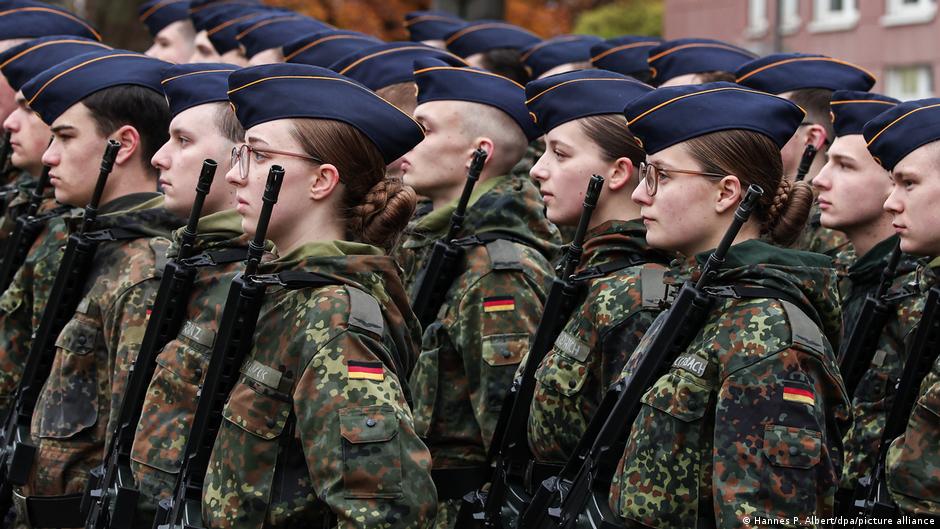
Germany sees a sharp rise in military service refusals, raising concerns about household budgets, savings, and investment strategies amid defense reforms.

A survey shows 40% of Germans doubt they can work until retirement due to heavy job strain, raising concerns about pension security and household finances.

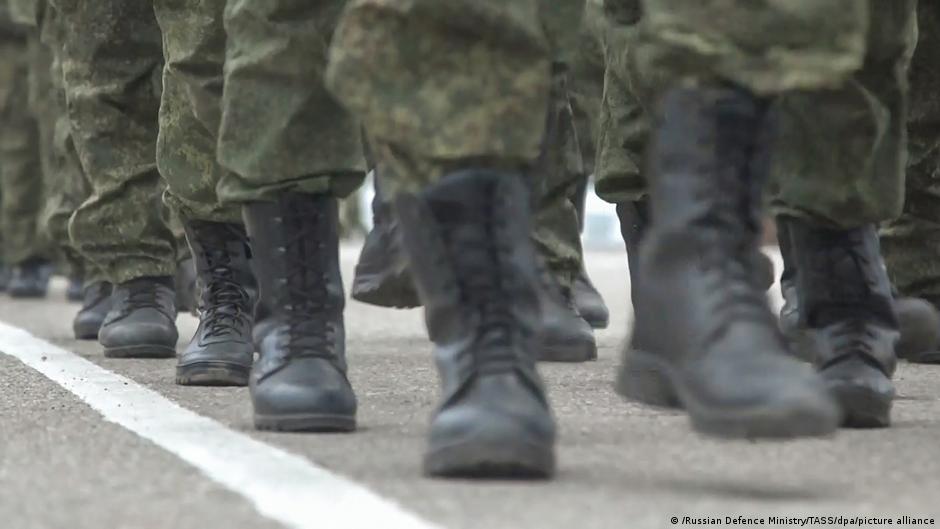
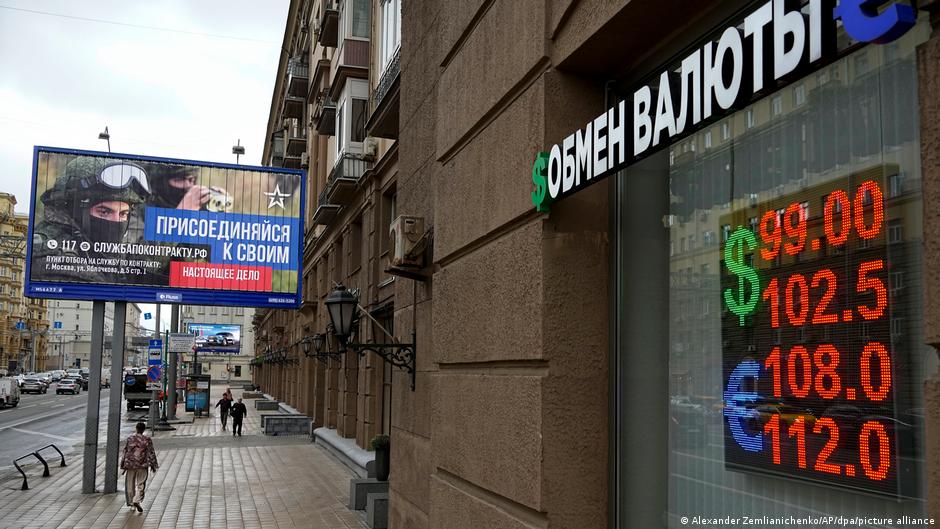
Russia’s Defense Ministry plans to cancel mandatory medical exams for contract soldiers, reflecting recruitment struggles that may affect household budgets and economic stability.

Paxtakor football club faced over 50 billion UZS loss in 2025, with growing tax debts and reduced state funding, impacting public budgets and future of sports financing.

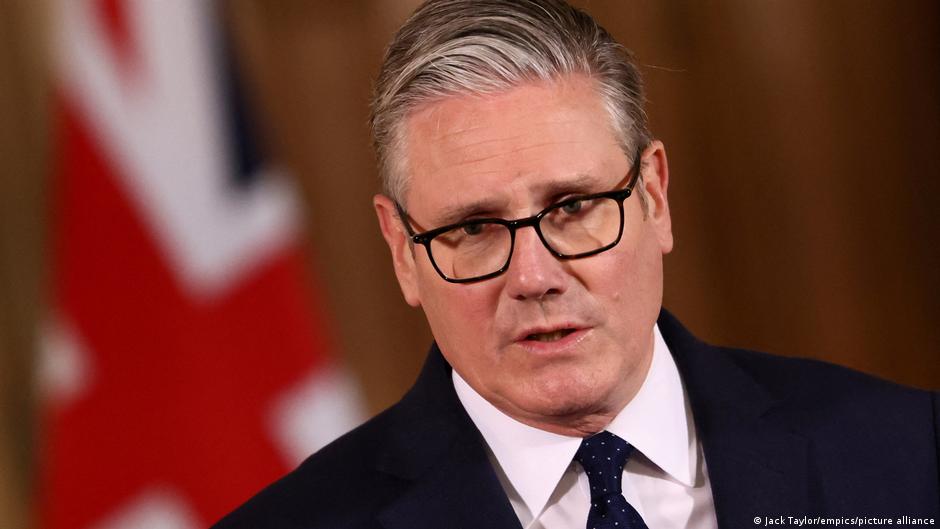
The UK plans to raise defense spending by £18 billion, a move that could reshape government budgets and impact household finances amid political unrest.

Hungary’s new government enters talks with the EU to unlock billions in frozen funds, potentially easing household budget pressures and stabilizing the economy.

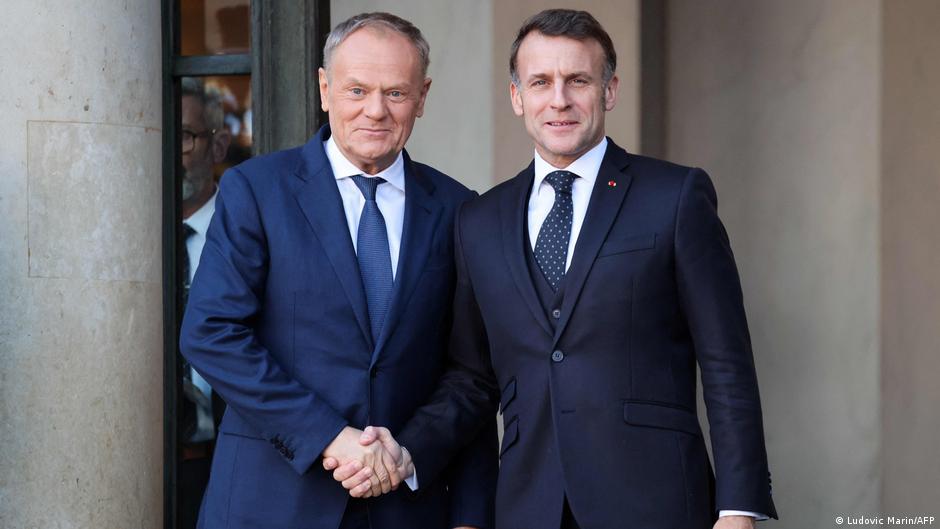
Poland and France are jointly developing a military satellite to secure Poland’s defense communications, reflecting broader trends in European defense spending and technology investments.