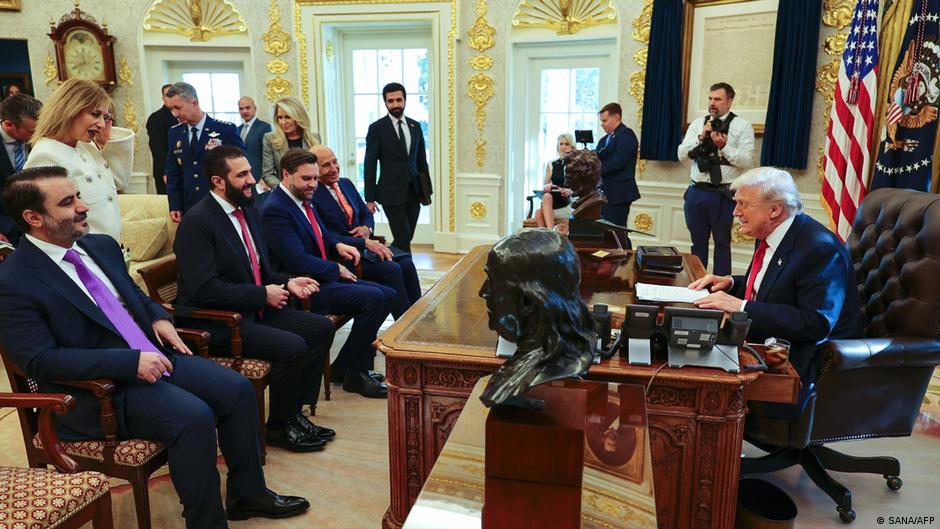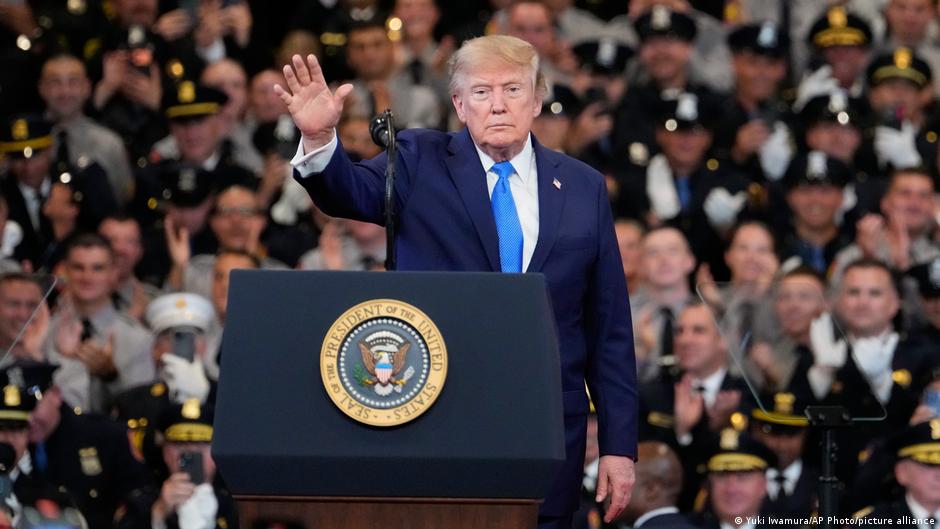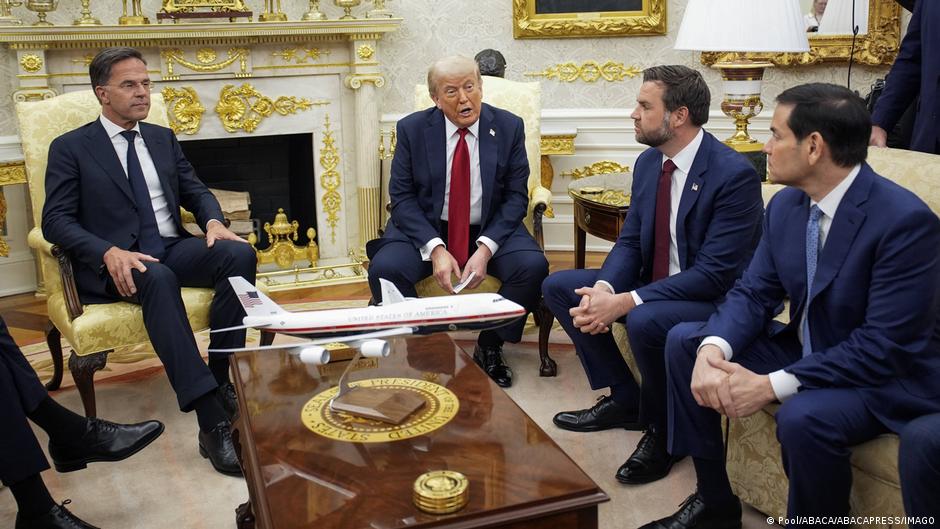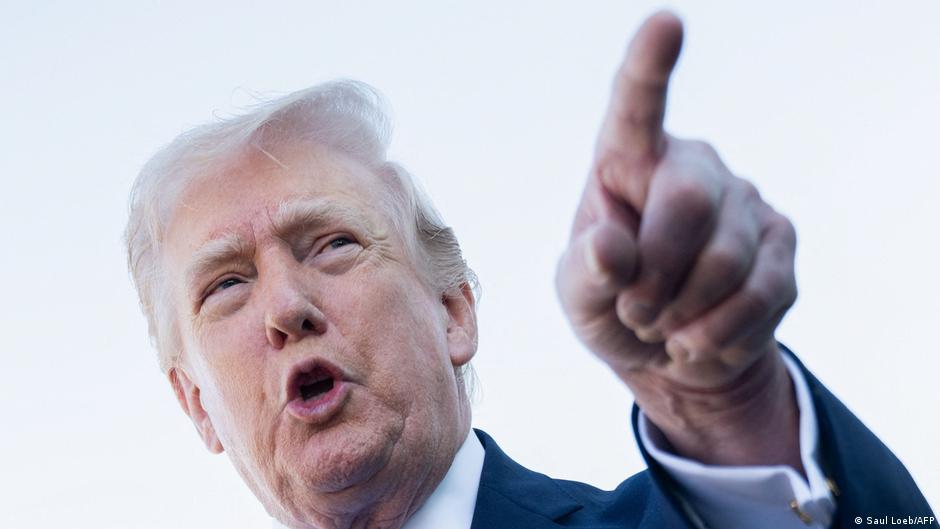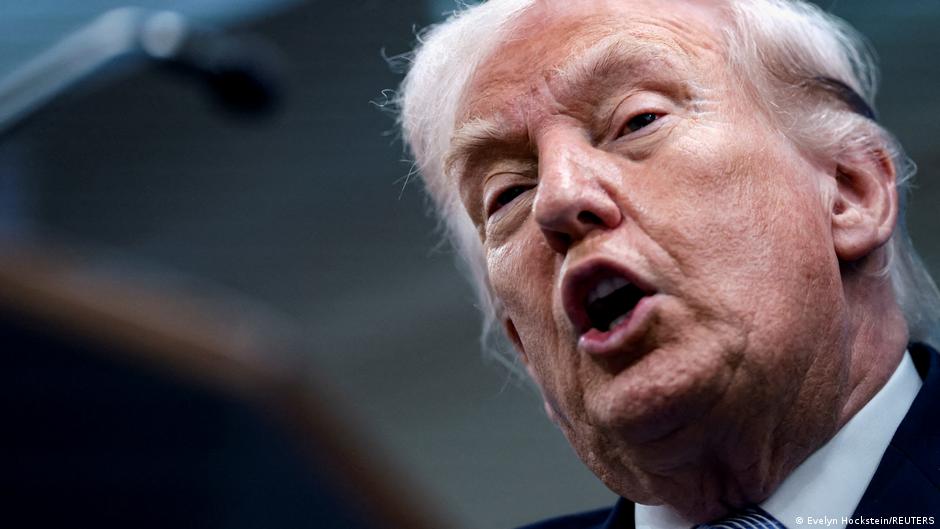
Trump Threatens EU Trade Halt as Canada Partnership Raises Cost Risks
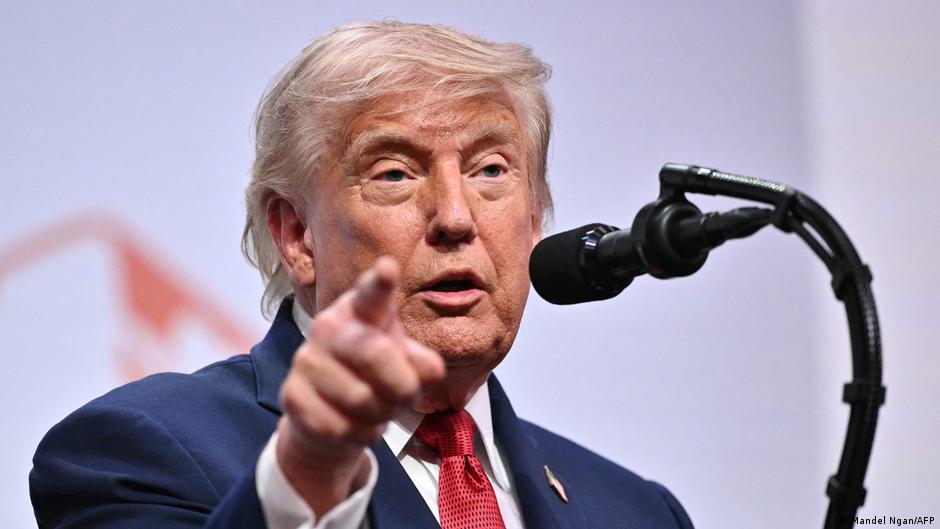
Trump’s EU trade threat over Canada ties raises new risks for household budgets, import prices, currencies and everyday investors.

Trump’s EU trade threat over Canada ties raises new risks for household budgets, import prices, currencies and everyday investors.

The U.S. has removed Syria from its terrorism sponsor list, opening new economic opportunities with potential impacts on currencies, investments, and household finances worldwide.

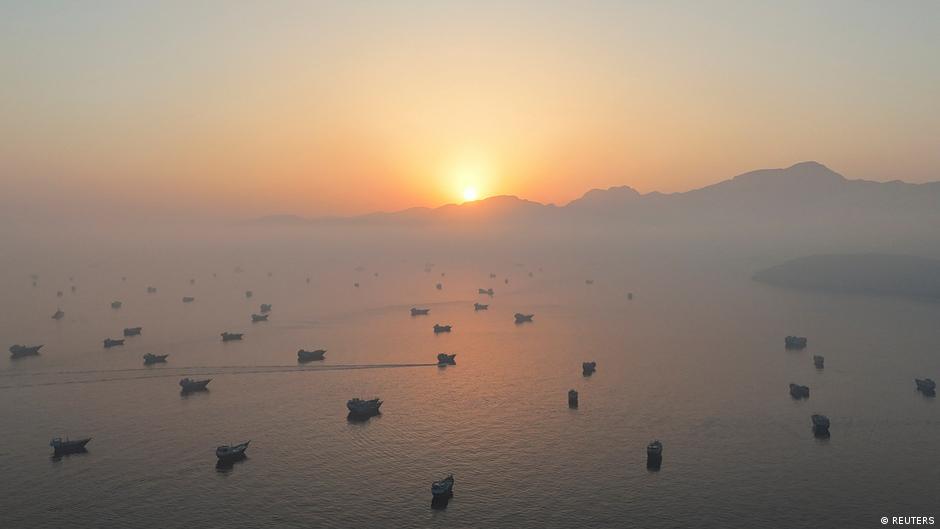
Rising tensions in the Strait of Hormuz threaten oil supply stability, potentially driving up fuel costs and affecting household budgets and investments globally.

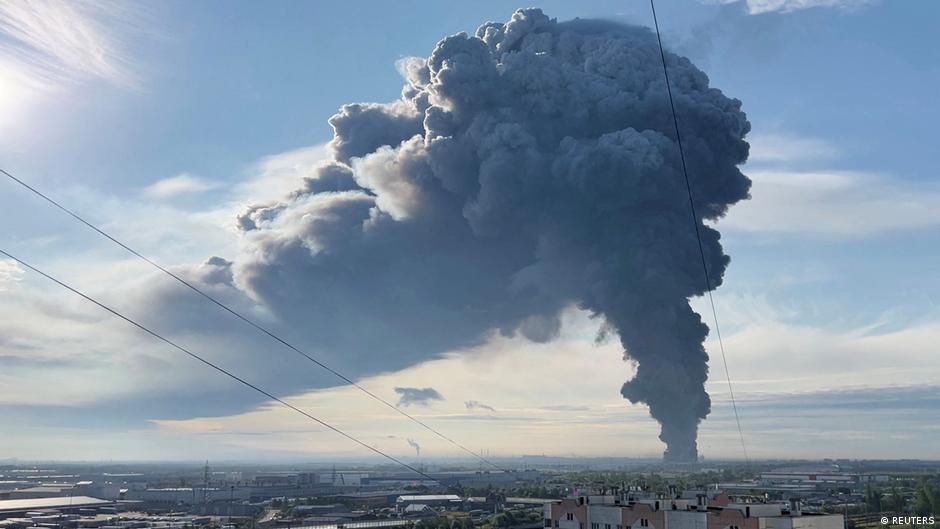
Ukraine's 40-day operation against Russian energy infrastructure disrupts fuel supplies, raising global prices and impacting household budgets and investors worldwide.

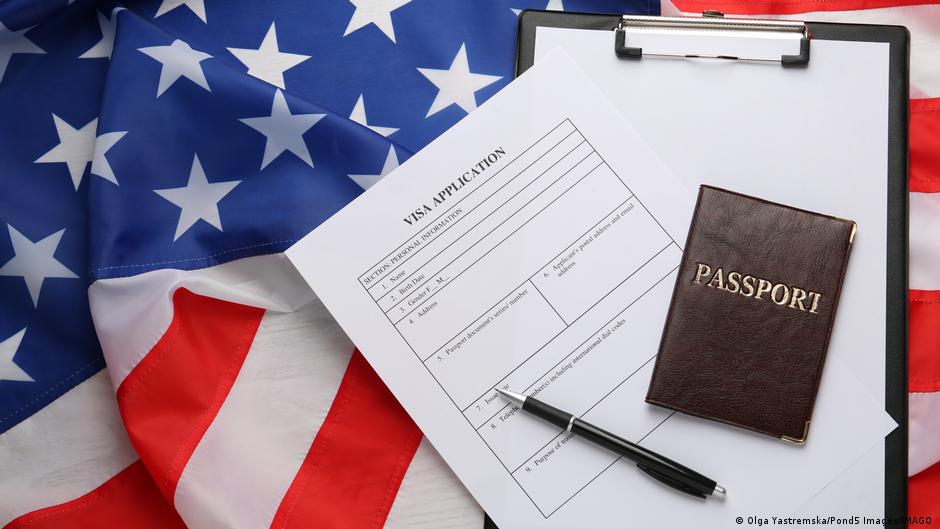
The U.S. enacts a permanent visa bond of up to $20,000 for citizens of 50 countries, impacting household budgets, savings, and international travel costs.

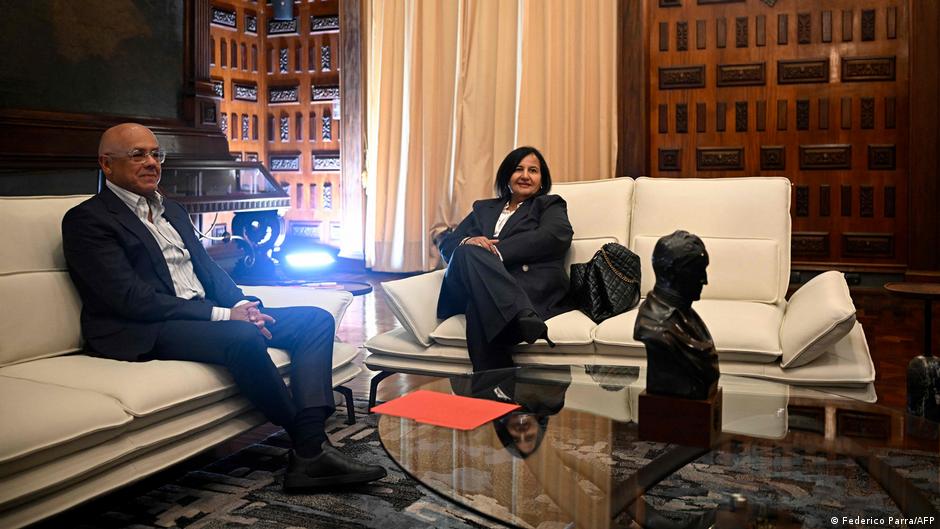
Venezuela’s government and opposition plan talks focusing on earthquake aid and elections, potentially affecting currency stability, household budgets, and investor confidence.

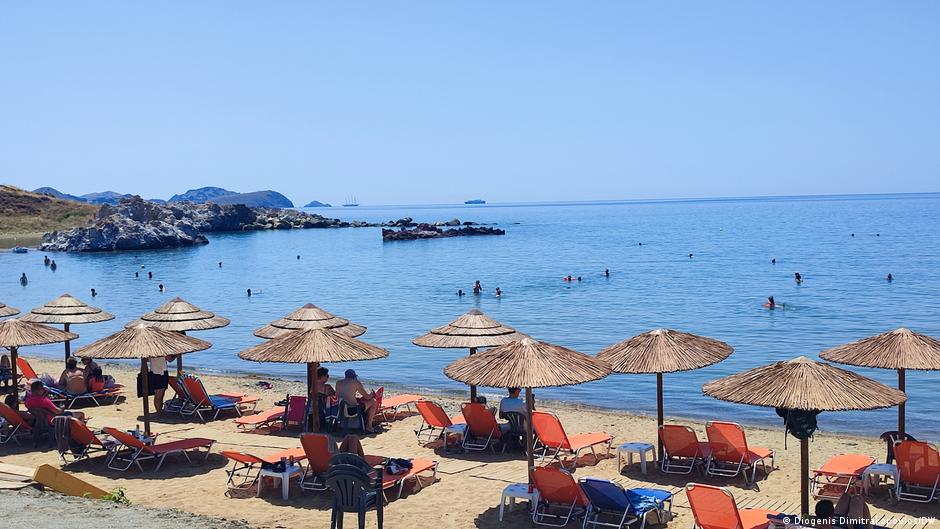
Greece’s surge in Schengen visa denials for Russians disrupts travel plans, straining household budgets and increasing financial costs for trips amid tightened EU visa policies.

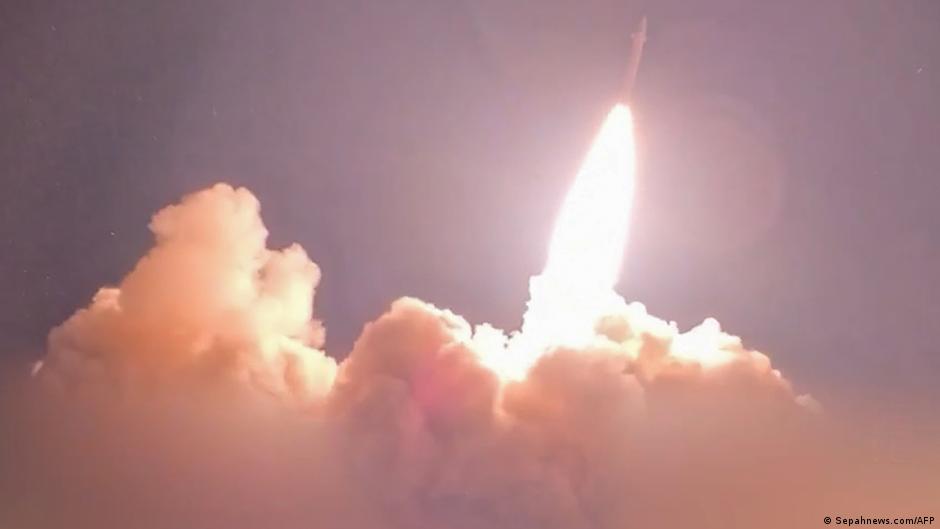
US intercepts Iranian missiles amid Middle East tensions, threatening global energy prices and impacting household budgets and savings worldwide.

The US Senate advances sanctions bill imposing steep tariffs on Russian imports, potentially raising prices and affecting household budgets and investments.

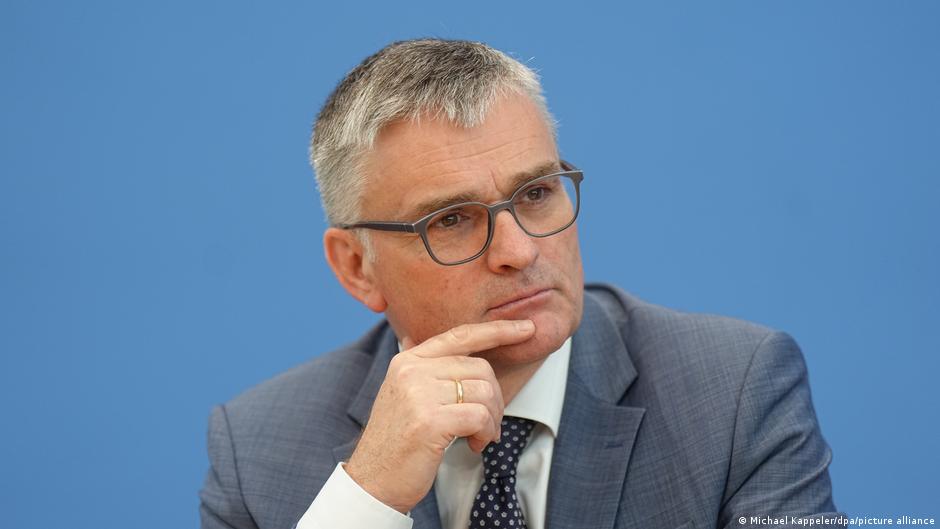
Germany identifies 410 individuals linked to Islamist extremism, raising concerns about impacts on household finances, consumer confidence, and economic stability.

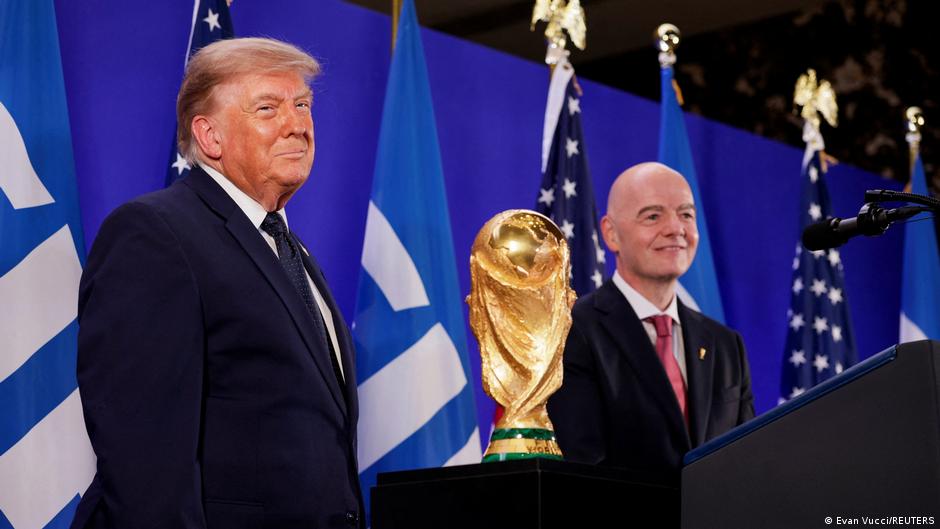
Former President Trump proposes the US host another FIFA World Cup solo, impacting household budgets, travel costs, and investment opportunities linked to major sporting events.

U.S.-Iran military clashes threaten to raise energy prices, impacting consumer costs, household budgets, and currency stability for everyday investors worldwide.

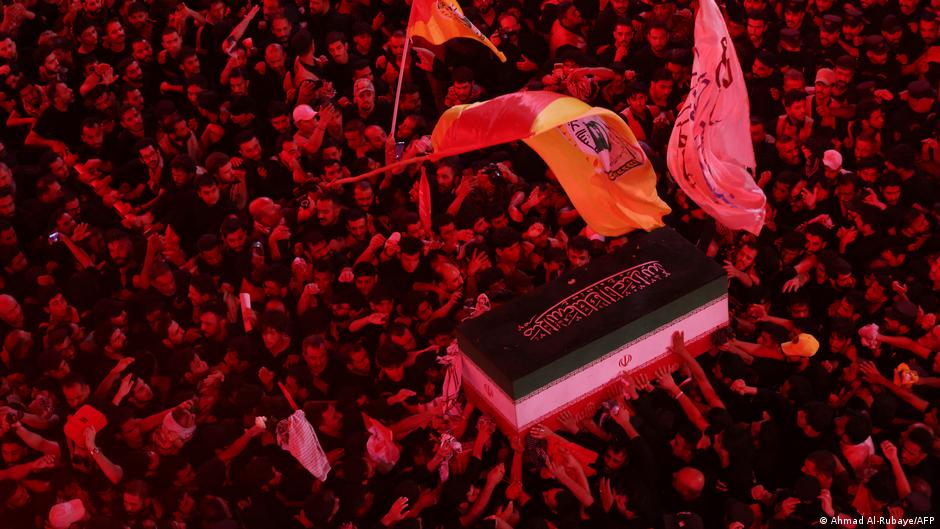
Iran’s leader’s death and rising conflicts threaten household budgets, savings, and currency stability amid a fragile political transition.

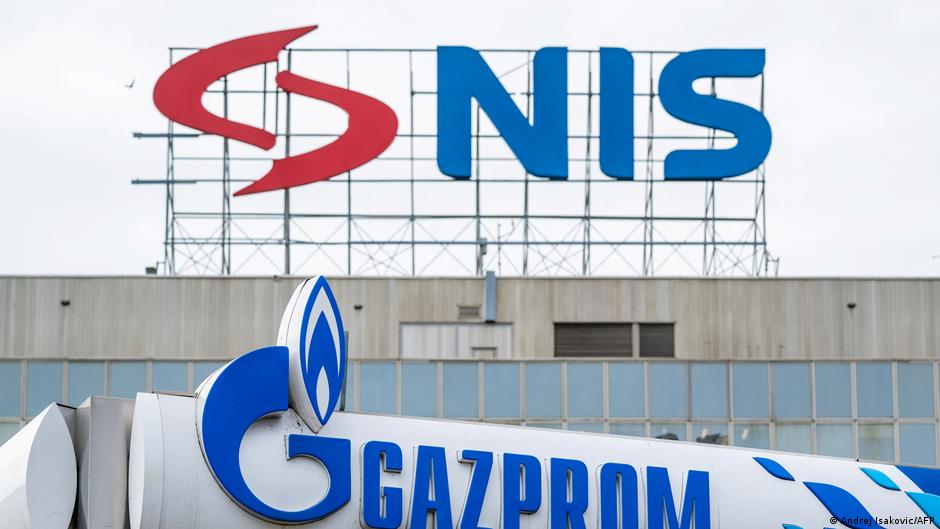
The US extended a temporary license allowing Serbia's NIS oil company to operate under sanctions, delaying Gazprom's divestment and easing potential fuel supply disruptions.

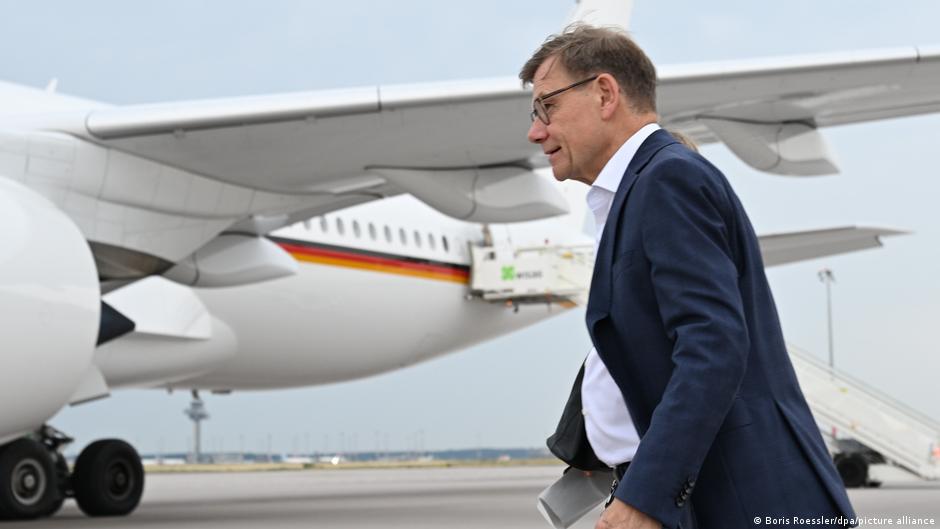
German and US foreign ministers emphasize their partnership's role in stabilizing the global economy amid crises affecting household finances and investor confidence.

President Trump praises Zelensky amid the Ukraine war, highlighting impacts on household budgets, currencies, and market volatility affecting consumers and investors globally.

Germany urges Turkey to exclude Russian gas from future EU contracts, affecting energy prices, household budgets, and currency markets amid evolving geopolitics.

The US has ended its blockade of the Strait of Hormuz, allowing increased oil shipments that could stabilize fuel prices and ease household budget pressures worldwide.

US sanctions on Cuba’s state oil company CUPET worsen fuel shortages and energy costs, straining Cuban household budgets and complicating savings and investments.

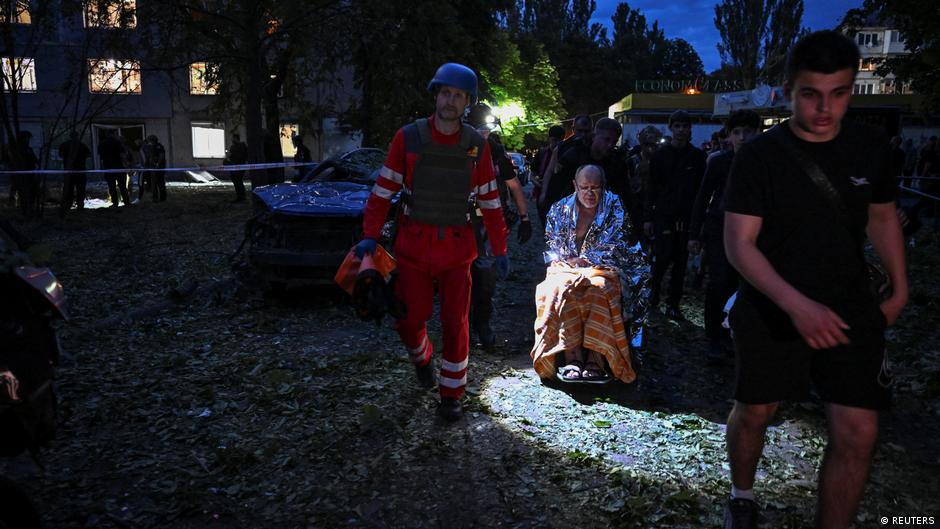
A Russian military strike in Zaporizhzhia caused a power outage, disrupting daily life and increasing household expenses amid warnings of further attacks.

The US House approved sanctions on Russia and aid to Ukraine, with potential impacts on household budgets, currencies, and investment markets worldwide.

Drone attacks near St. Petersburg disrupt flights and raise economic concerns for Russian households, affecting travel, currency stability, and local investor confidence.

US military strikes on Iran escalate geopolitical tensions, risking volatility in markets and currencies that affect household budgets, savings, and consumer costs globally.

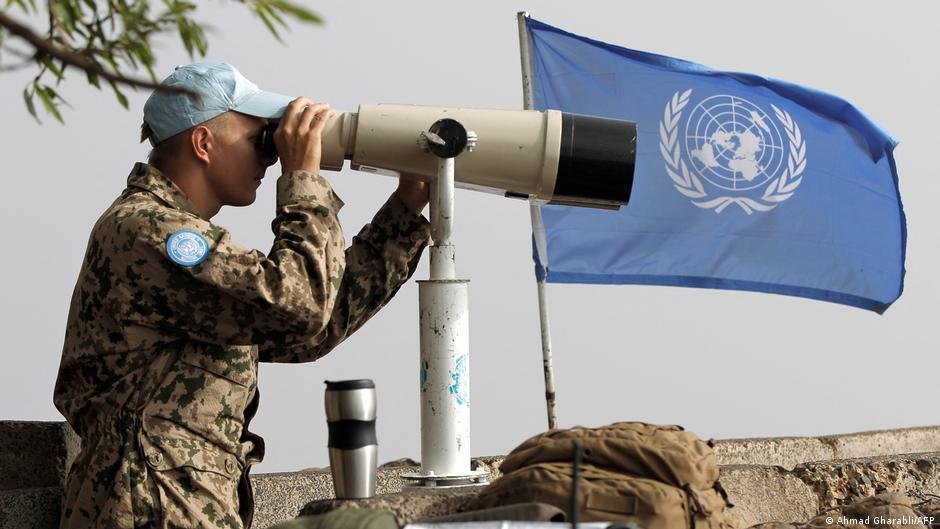
UN peacekeeping forces have dropped to their lowest in 25 years due to funding and geopolitical issues, affecting global stability and economic conditions.

The US plans to deploy 5,000 additional troops to Poland amidst military realignments, impacting defense budgets, currency stability, and potentially household finances globally.

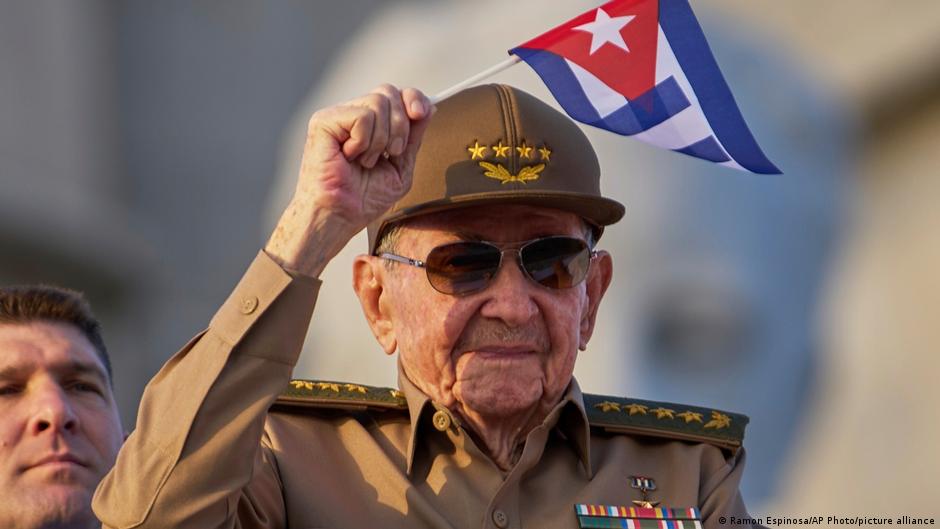
The US indictment of Raul Castro over a 1996 incident signals heightened tensions with Cuba, affecting remittances, currencies, and household budgets on both sides.

US postpones planned strike on Iran after Gulf leaders’ intervention, easing pressure on global energy prices and currencies, with implications for household budgets and investors.

Ukraine imposes sanctions on Russian defense-linked companies and individuals, extending restrictions that may impact household finances and investor confidence.

Serbia hosts first joint NATO military exercises amid neutrality policy, with potential but limited impact on household finances and economic stability.

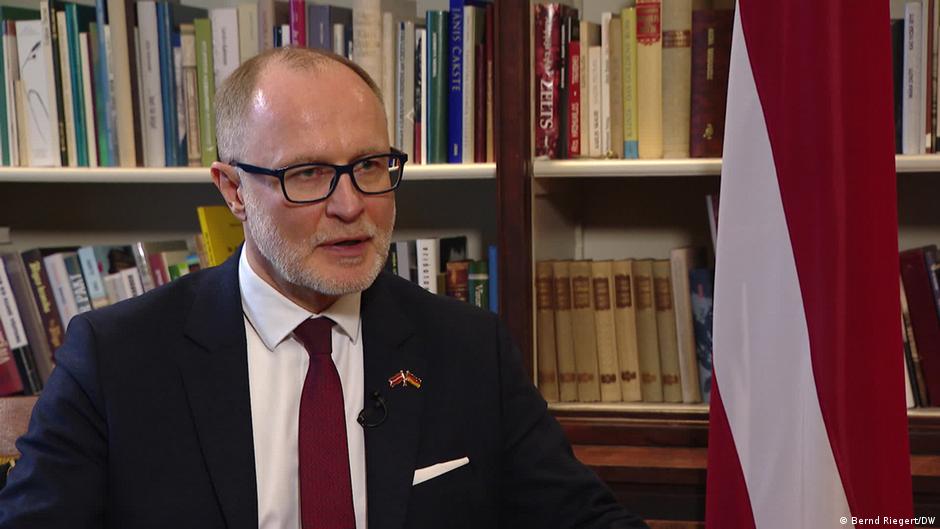
Latvia’s defense minister resigned after drones violated airspace, raising concerns about regional security and potential impacts on household budgets and energy prices.

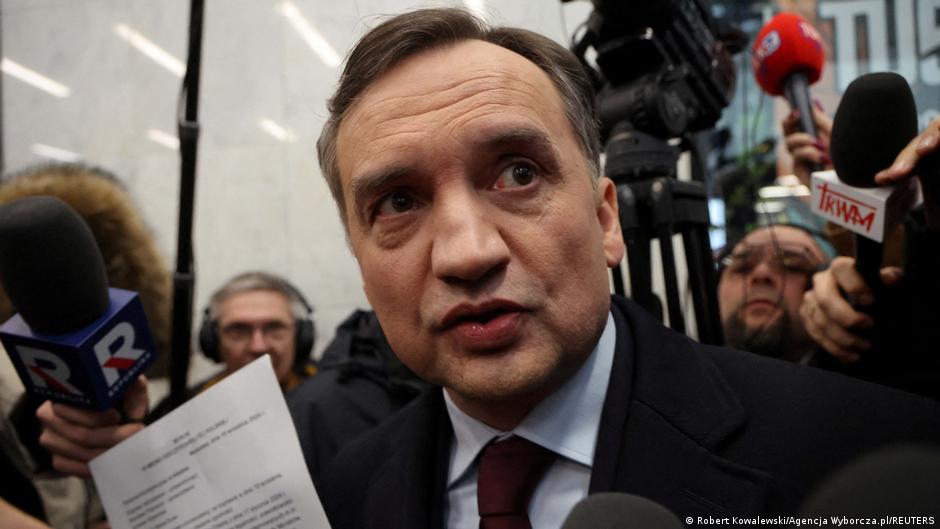
The escape of Poland’s ex-justice minister to the US amid corruption charges highlights risks to currency stability and household financial confidence across Europe.

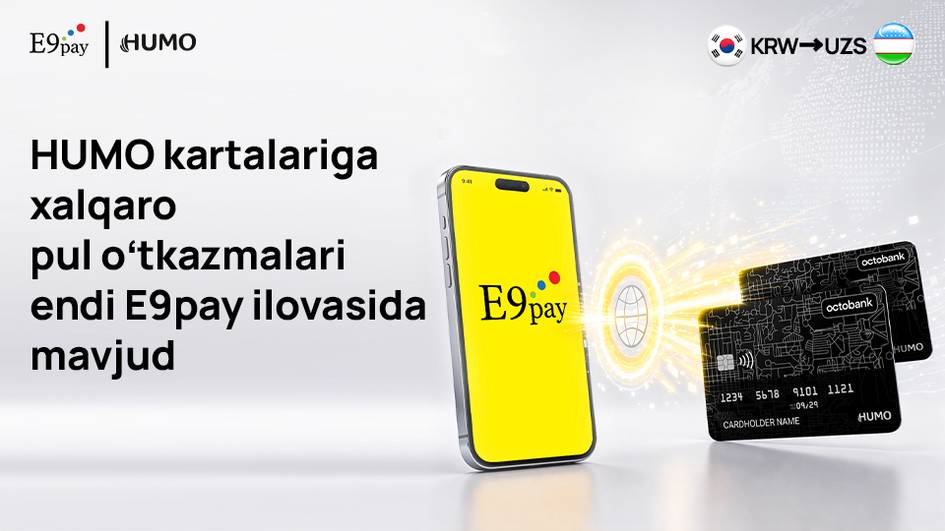
Octobank now enables direct money transfers from South Korea to HUMO cards via E9PAY, easing remittances for Uzbek households and impacting consumer finances.

Germany is accelerating its long-range missile development after the US declined Tomahawk deployment, affecting European security, defense budgets, and investors’ outlook.

The US plans major cuts to its troops in Germany, affecting local economies, currency markets, and potentially household finances and investments.

The US plans to withdraw 5,000 troops from Germany, a move that could impact euro-dollar exchange rates, local economies, and household finances.

The resignation of the US acting envoy in Ukraine amid diplomatic tensions raises risks of aid disruption, impacting currencies, inflation, and investment stability for households and investors.

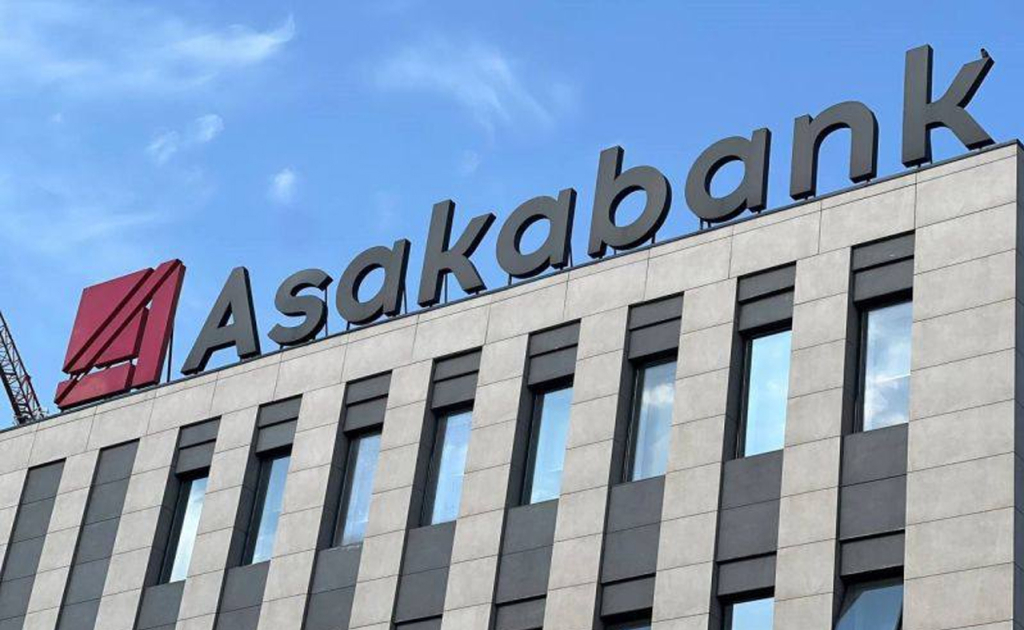
Uzbekistan speeds up Asakabank privatization, affecting household savings, investments, and currency stability with asset transfers and financial restructuring.

Uzbek visitors are barred from Germany's Bundeswehr Military Technology Museum due to security policies, affecting travel plans and household budgets.

Uzbek and Afghan entrepreneurs sign $300 million in trade agreements, expanding product availability and impacting household budgets and investments across Central Asia.