Ukraine and Serbia Presidents Meet in Belgrade Amid Economic and Energy Talks
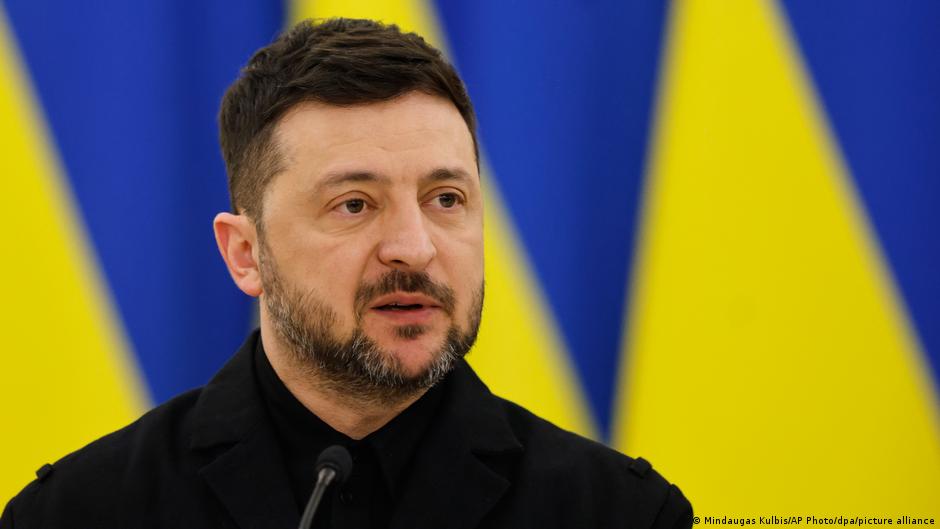
Ukrainian and Serbian presidents meet in Belgrade, focusing on economic and energy cooperation that may influence household budgets and consumer costs in both countries.

Ukrainian and Serbian presidents meet in Belgrade, focusing on economic and energy cooperation that may influence household budgets and consumer costs in both countries.

Russia's redeployment of a major warship near Germany heightens risks to Baltic shipping routes, potentially affecting European energy supplies and consumer costs.

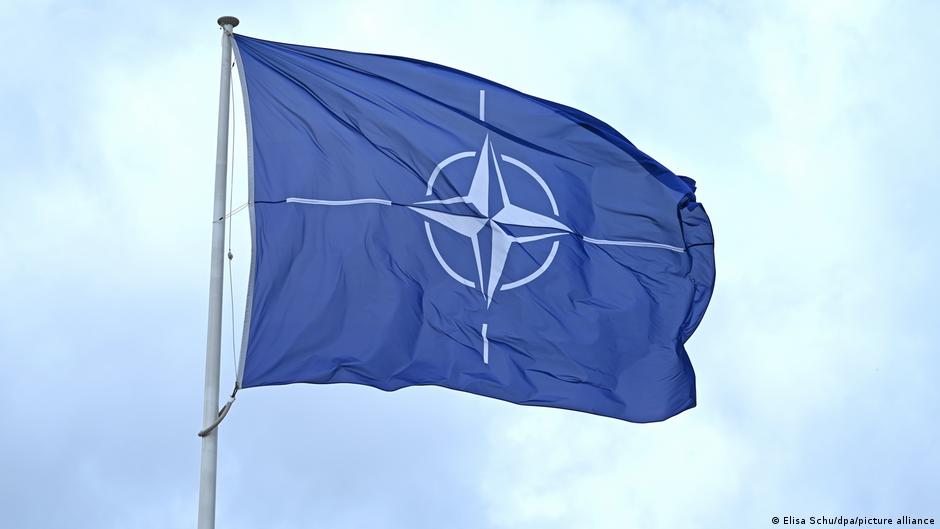
NATO's plans to expand nuclear deterrence in Europe could influence household budgets and market stability amid rising geopolitical tensions.

Russia’s use of North Korean ballistic missiles in Ukraine raises global concerns over economic stability, affecting household budgets, currencies, and investor confidence worldwide.

The US-declared Hamas disarmament deal signals potential easing of Middle East tensions, likely impacting global currencies, commodity prices, and investment markets.

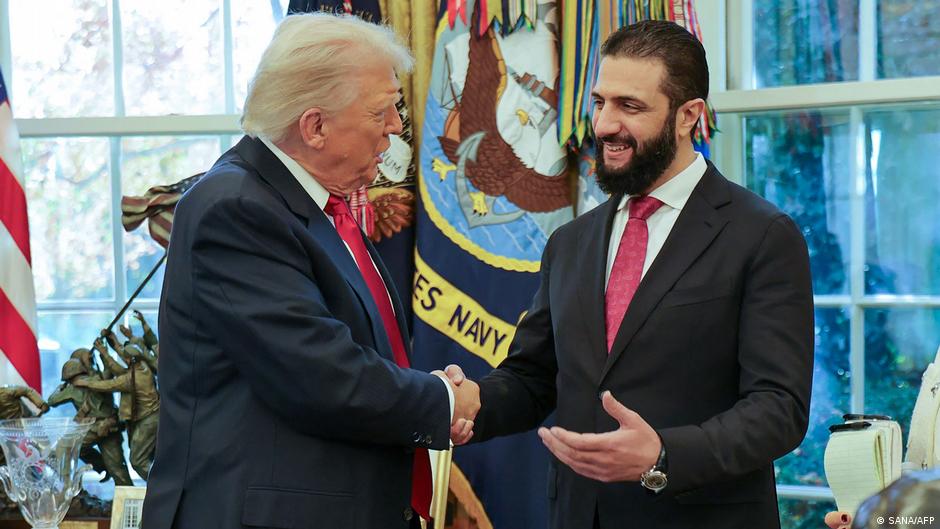
Removal of US sanctions on Syria may affect investments, currency stability, and household budgets as the country reintegrates into the global economy.

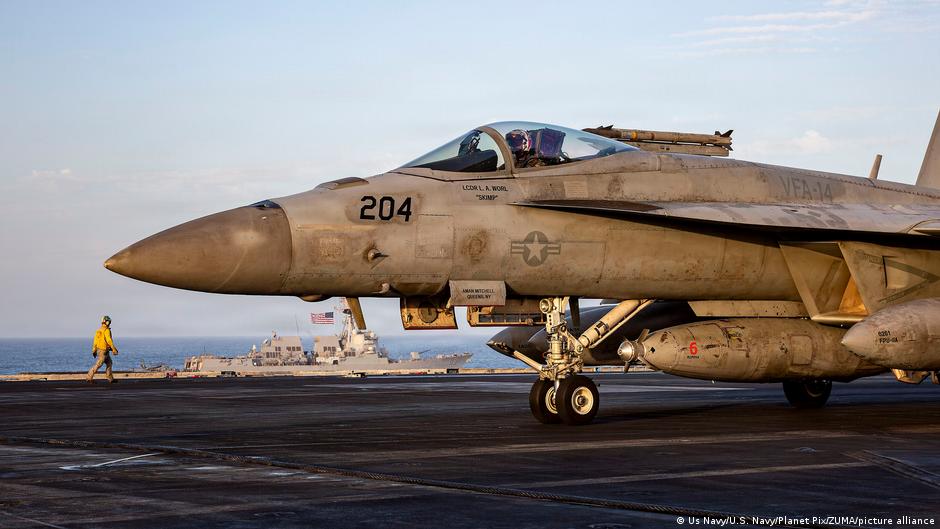
US strikes on Iranian military targets follow drone attacks on oil tankers near the Strait of Hormuz, risking higher energy prices and economic uncertainty for consumers worldwide.

Far-right businessman Abelardo de la Espriella wins Colombia’s presidency, promising economic deregulation and security measures that may impact household finances and investments.

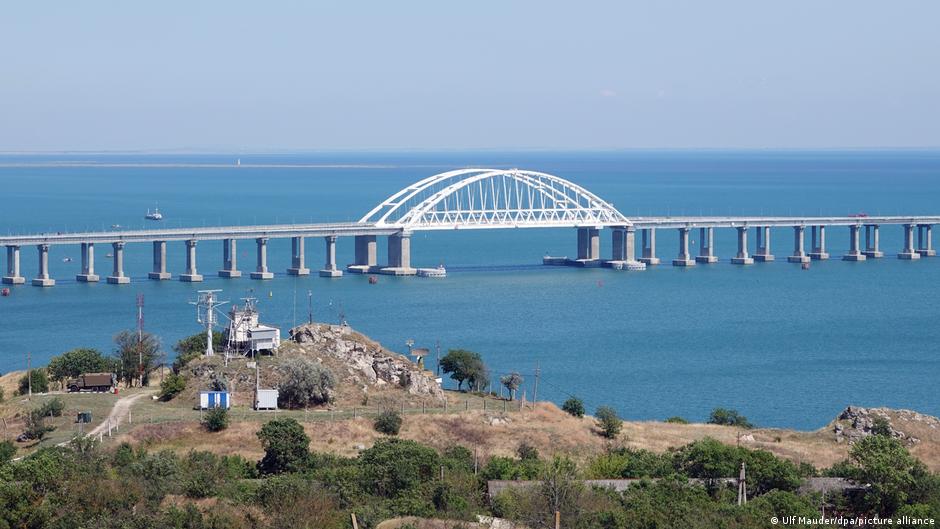
Drone strikes on Crimea's energy facilities threaten local energy supplies, potentially raising household costs and impacting regional markets and investors.

US intelligence warns Israel may disrupt the US-Iran agreement, with implications for regional stability, household budgets, currencies, and investors.

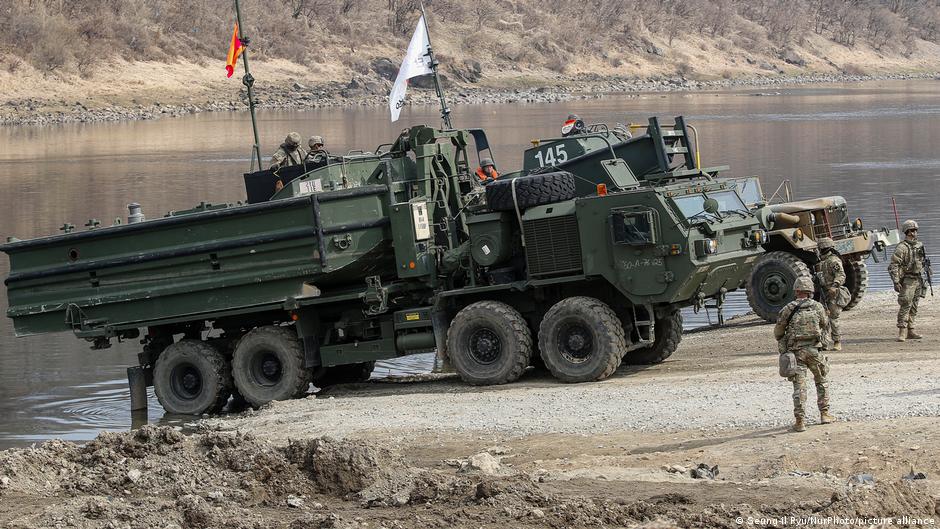
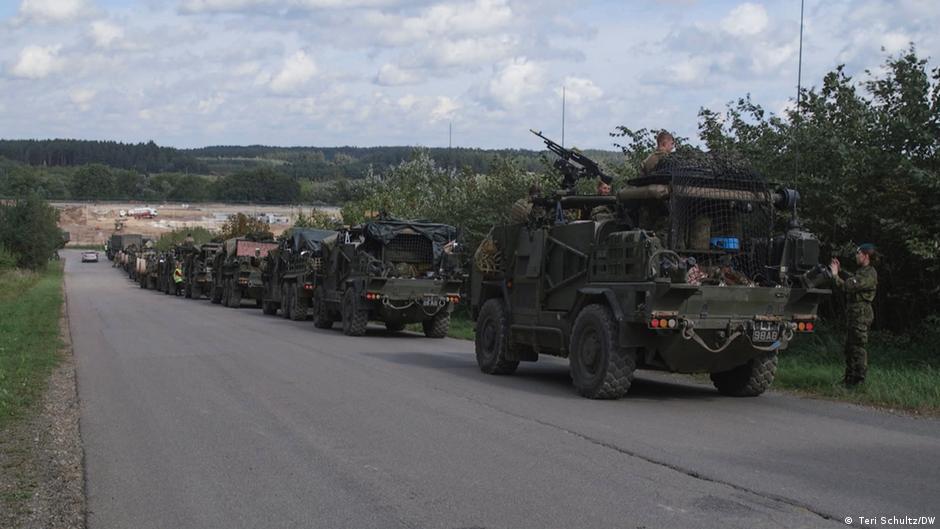
Joint military drills near the Suwalki Corridor may drive up defense spending, impacting household budgets, inflation, and local currencies in the Baltic region.

The Israel-Iran conflict is affecting global markets, household budgets, and investments by driving volatility in currencies and energy costs, impacting consumers worldwide.

US-Iran drone strikes near the Strait of Hormuz threaten energy supply routes, potentially driving up global oil prices and impacting household budgets worldwide.

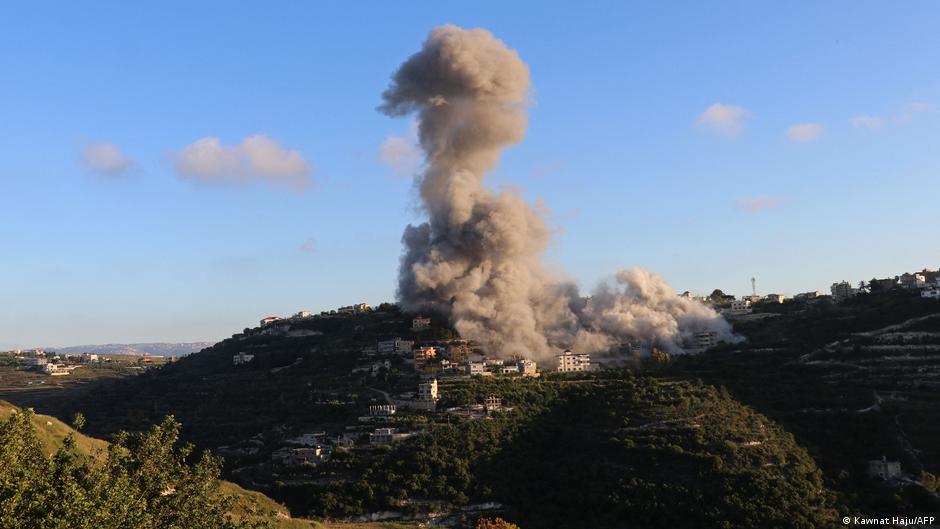
A US-mediated ceasefire between Israel and Lebanon aims to reduce conflict-driven economic strain on households, currencies, and investors in the region.

A Russian-origin drone crashed into a Romanian residential building, raising security and economic concerns for local households and investors amid regional tensions.

A Russian drone crash in Romania caused injuries and fire, highlighting rising regional tensions that affect household budgets, currencies, and investor confidence in Eastern Europe.

Russia's military cooperation with the Taliban could influence global arms flow and economic stability, impacting household budgets and investment markets worldwide.

UN peacekeeping forces have dropped to their lowest in 25 years due to funding and geopolitical issues, affecting global stability and economic conditions.

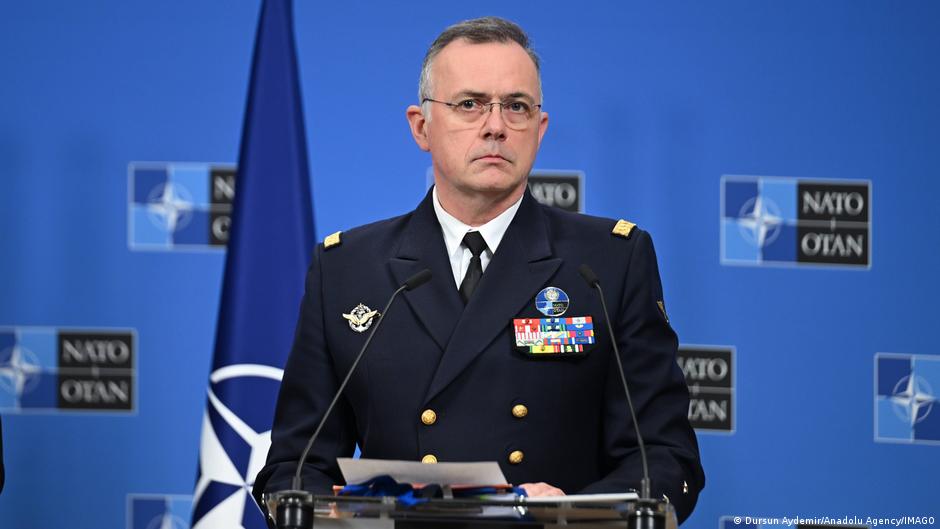
NATO confirms the steady supply of US air defense missiles to Ukraine, with implications for household budgets, government spending, and currency stability amid the ongoing conflict.

Ukraine and Germany deepen defense cooperation to enhance air defense and drone production, influencing regional security and economic stability amid ongoing conflict.

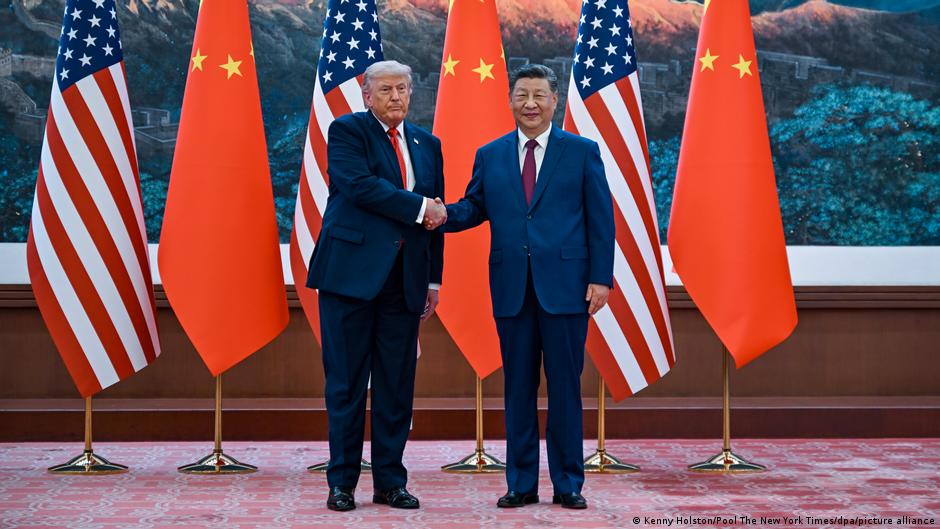
Trump's Beijing meeting with Xi Jinping signals potential easing of trade tensions and energy conflicts, with important effects on consumer prices and currency stability.

Serbia hosts first joint NATO military exercises amid neutrality policy, with potential but limited impact on household finances and economic stability.

Latvia’s defense minister resigned after drones violated airspace, raising concerns about regional security and potential impacts on household budgets and energy prices.

The US plans major cuts to its troops in Germany, affecting local economies, currency markets, and potentially household finances and investments.

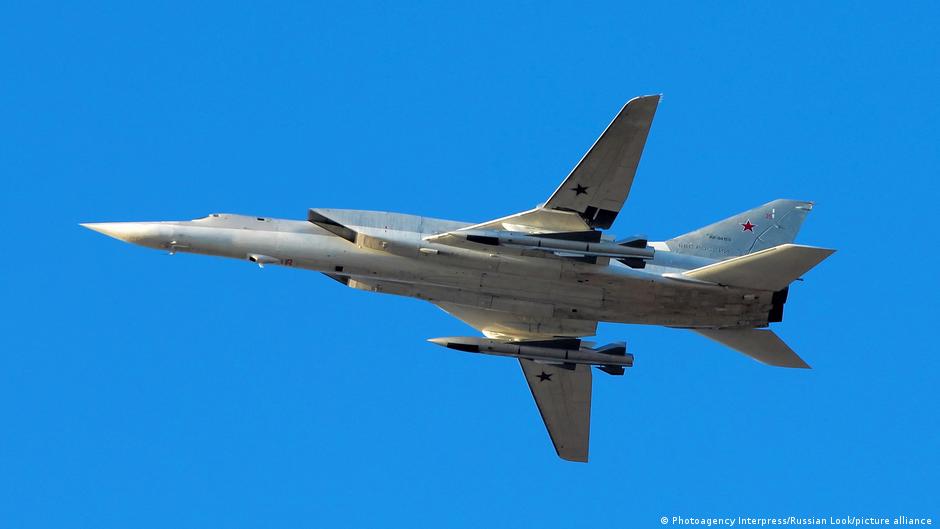
NATO intercepted Russian bombers over the Baltic Sea, escalating regional tensions and potentially impacting household budgets, currencies, and investor confidence.