US Strikes on Iran Raise Oil Price Risks, Impacting Household Budgets and Savings
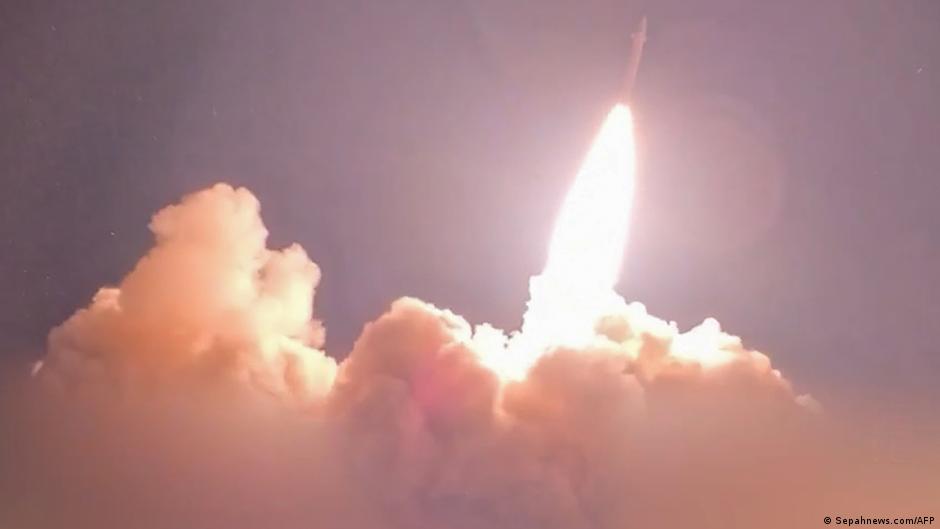
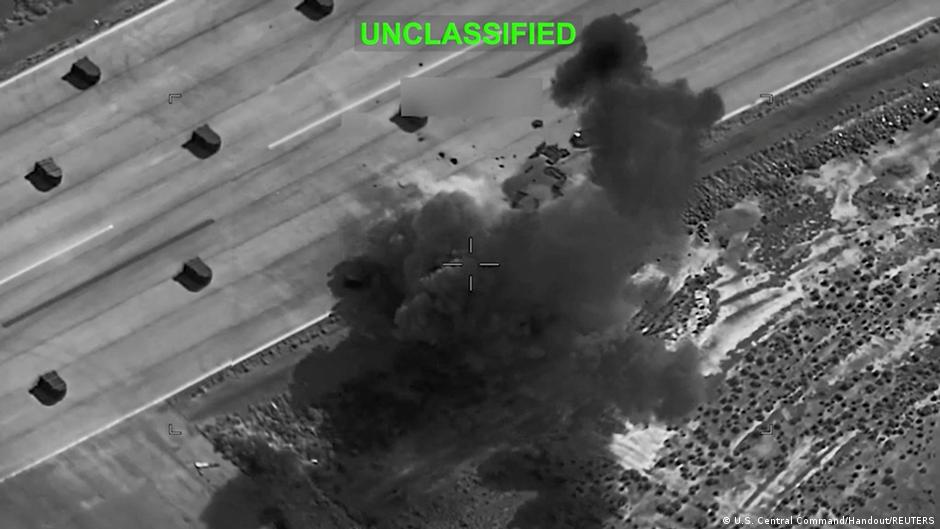
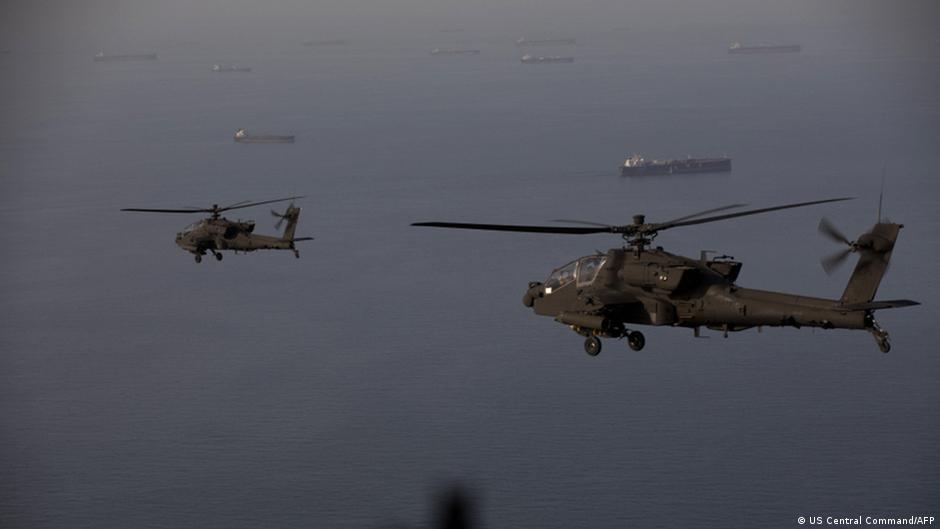
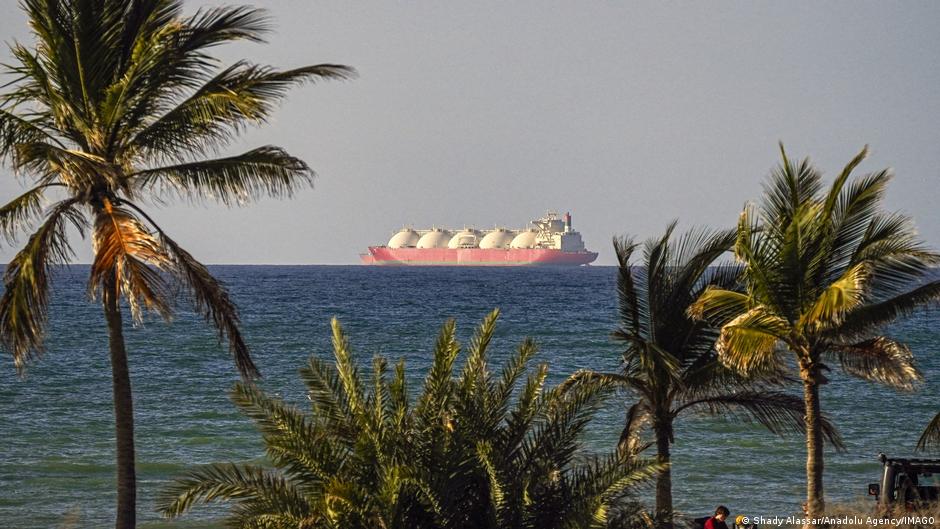
US strikes on Iran near the Strait of Hormuz raise the risk of higher oil prices, impacting household budgets, savings, and currency stability worldwide.

US strikes on Iran near the Strait of Hormuz raise the risk of higher oil prices, impacting household budgets, savings, and currency stability worldwide.

The Israel-Iran conflict is affecting global markets, household budgets, and investments by driving volatility in currencies and energy costs, impacting consumers worldwide.
A Russian military strike in Zaporizhzhia caused a power outage, disrupting daily life and increasing household expenses amid warnings of further attacks.

Recent drone strikes on Ukrainian cities Zaporizhzhia and Konotop cause civilian casualties, damage infrastructure, and strain household budgets and local economies.

Finland has confiscated €3.7 million in Russian assets following a legal claim by Ukraine's Naftogaz, highlighting geopolitical risks impacting currencies and investors.

Denials of Chancellor Friedrich Merz’s early replacement ease political uncertainty, helping stabilize Germany’s economy and consumer confidence amid current challenges.

Russian missile and drone strikes on Ukrainian regions are damaging homes and infrastructure, threatening household finances and local economies amid ongoing conflict.

Uzbekistan's rising meat imports amid slowed domestic production are driving higher prices that increase household food expenses and strain budgets.

Ukraine’s plan to supply NATO with long-range drones and missiles could reshape defense dynamics and affect household finances, currency stability, and consumer investment decisions in Europe.

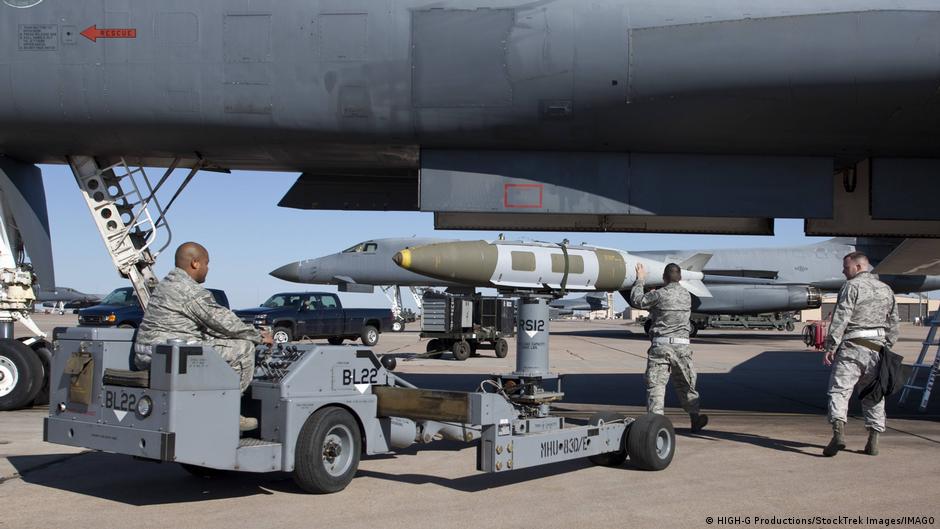
The US approved a $373.6 million sale of precision bomb kits to Ukraine, impacting defense budgets, inflation, currency markets, and investors in aerospace sectors.

US plans to raise auto tariffs on EU imports threaten Germany’s economy, potentially triggering a 2026 recession with significant impacts on household budgets and consumer prices.

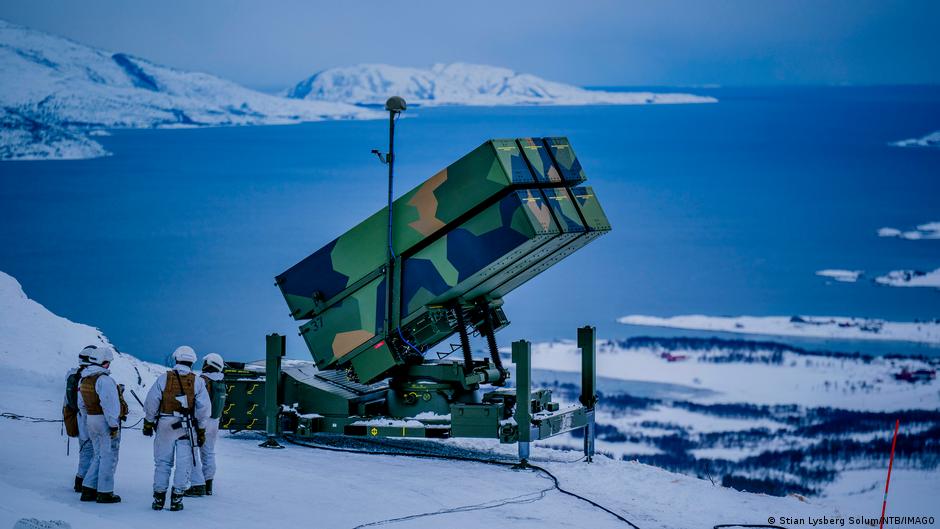
US delays in arms shipments to Europe due to Iran conflict strain defense budgets, impacting household finances, currency stability, and investor confidence across allied nations.

Uzbek payment companies Click, Payme, and Paynet report significant profit and revenue growth in early 2026, impacting household budgets and digital payment usage.

Uzbekistan’s rising urban divorce rates threaten household finances and savings, posing challenges for everyday investors and consumer economic stability.

The extension of the Lebanon-Israel ceasefire could help stabilize regional currencies and ease financial pressures on households, affecting consumer confidence and investments.

Uzbekistan's car sales surged 19% in March, with new and used vehicles driving consumer spending and affecting household budgets and savings.

Tencent and Kaspi.kz executives have acquired 6 million shares in the Kazakh fintech firm, signaling strong confidence and potential benefits for consumers’ everyday finances.

US seizure of Iranian cargo ship near Strait of Hormuz raises risks of rising energy prices and inflation, impacting household budgets and everyday investors worldwide.

The EU's new biometric border system is causing extensive airport delays, disrupting travel and imposing financial strains on consumers across Europe.