South Korea-Ukraine Prisoner Dispute Adds New Risk for Markets and Savers
A Seoul-Kyiv dispute over North Korean prisoners could affect defense expectations, currency sentiment and investor risk in Asia and Europe.

A Seoul-Kyiv dispute over North Korean prisoners could affect defense expectations, currency sentiment and investor risk in Asia and Europe.

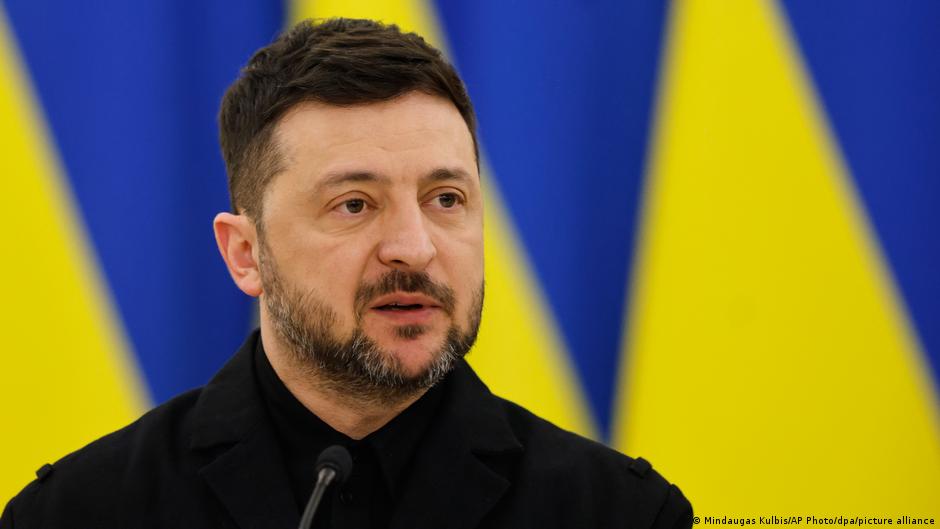
Zelensky says North Korea may send 10,000 more troops to Russia, a risk that could prolong financial uncertainty for households and investors.

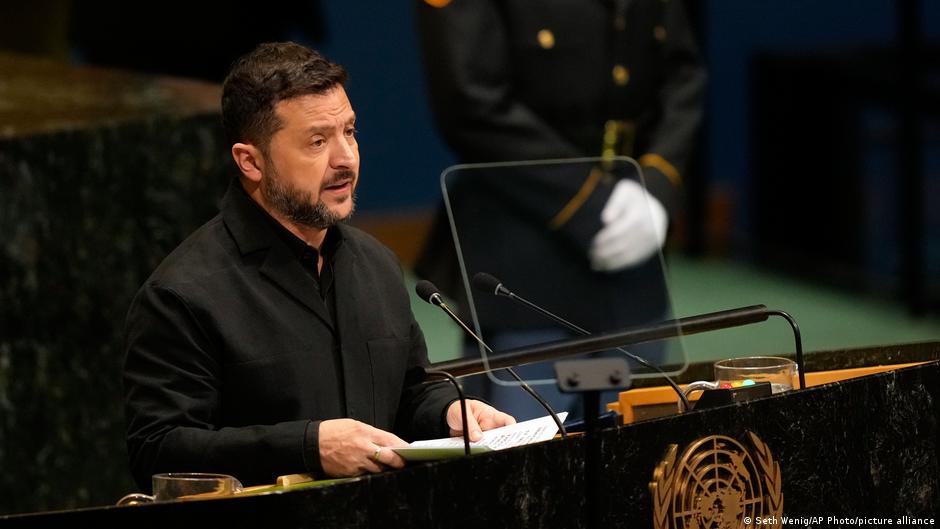
Zelensky’s UN speech tied Russia’s war capacity to energy risks, winter heating pressure and the market uncertainty facing households and investors.

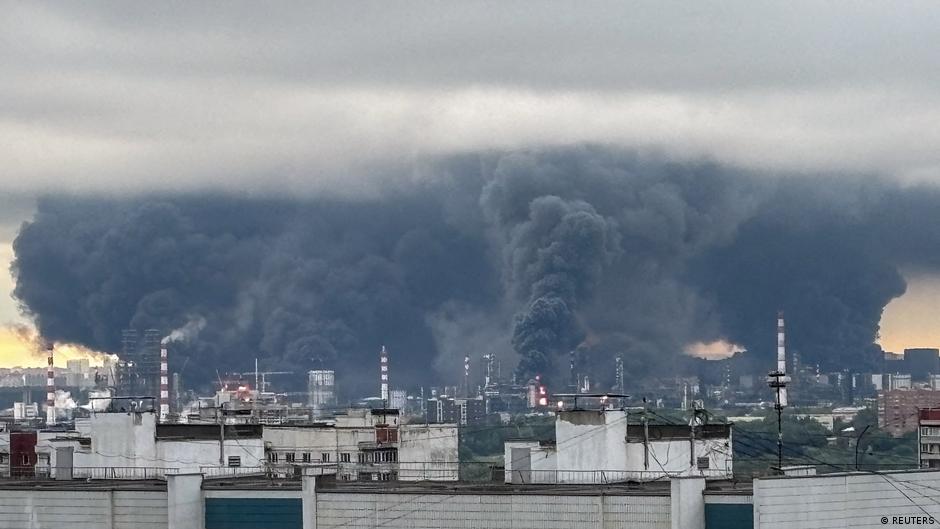
A major drone attack near Moscow killed two people, disrupted airports and hit energy and logistics sites, raising consumer and investor risks.

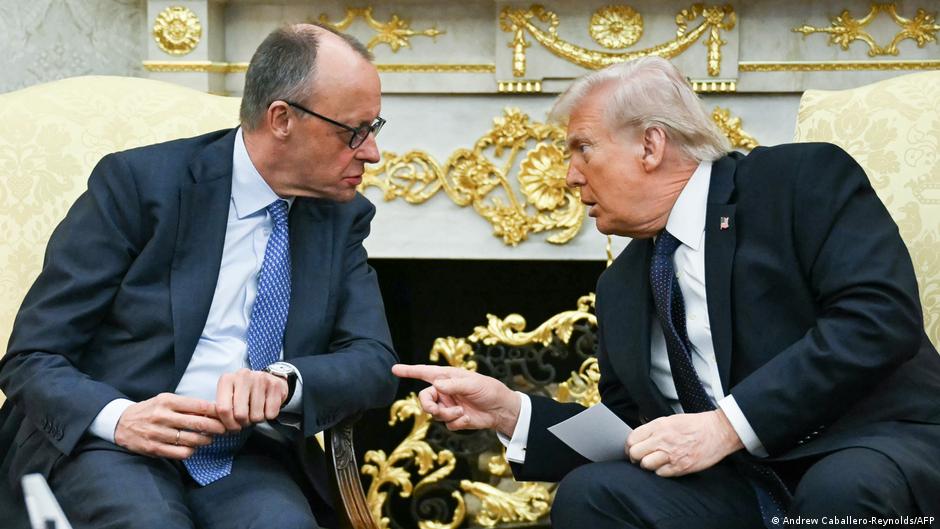
Merz says the old U.S.-German alliance may be over, raising questions for prices, defense spending, currencies and everyday investors.

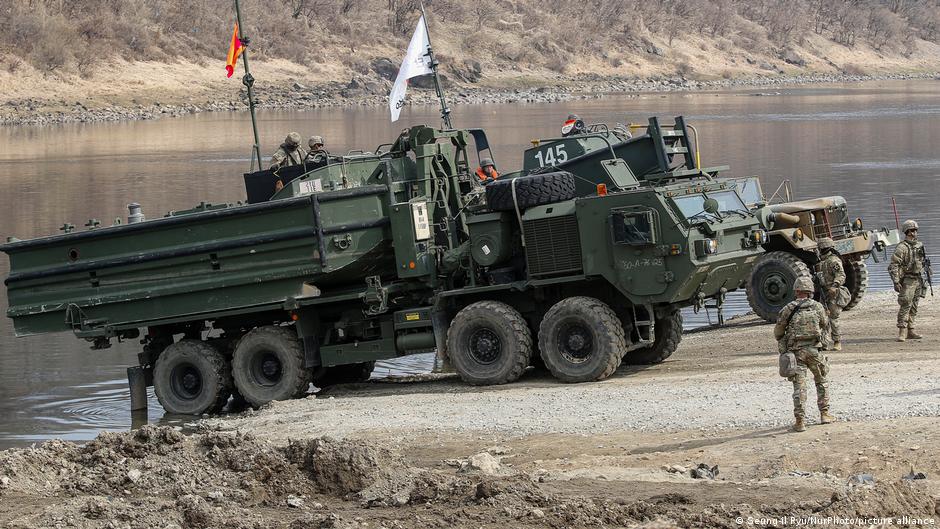
The US scales back joint military drills with South Korea, affecting defense budgets and potentially impacting household finances and currency stability in the region.

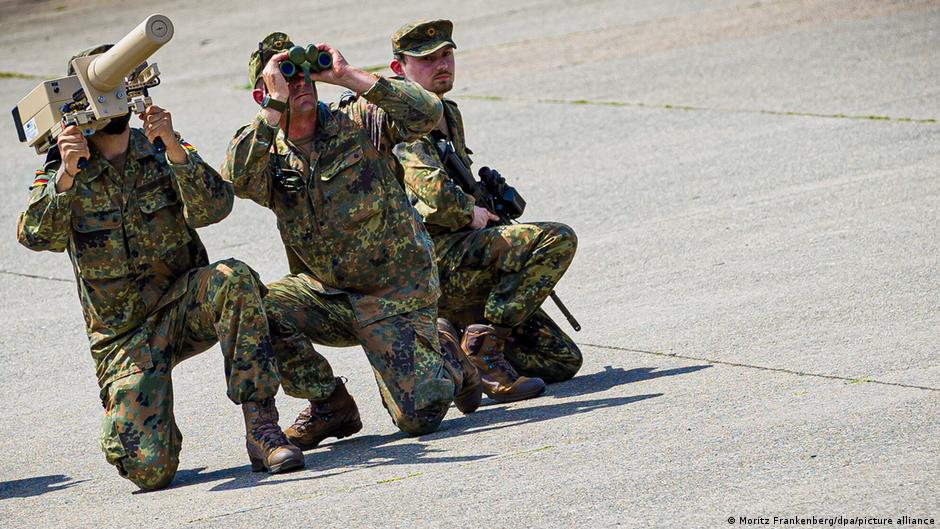
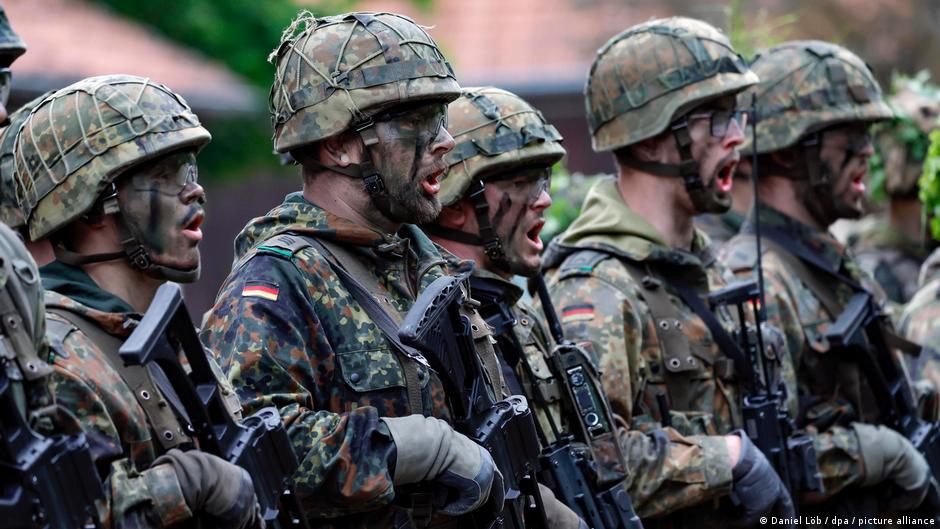
Germany faces rising drone incidents near military bases, prompting increased defense spending that could impact household budgets and economic stability.

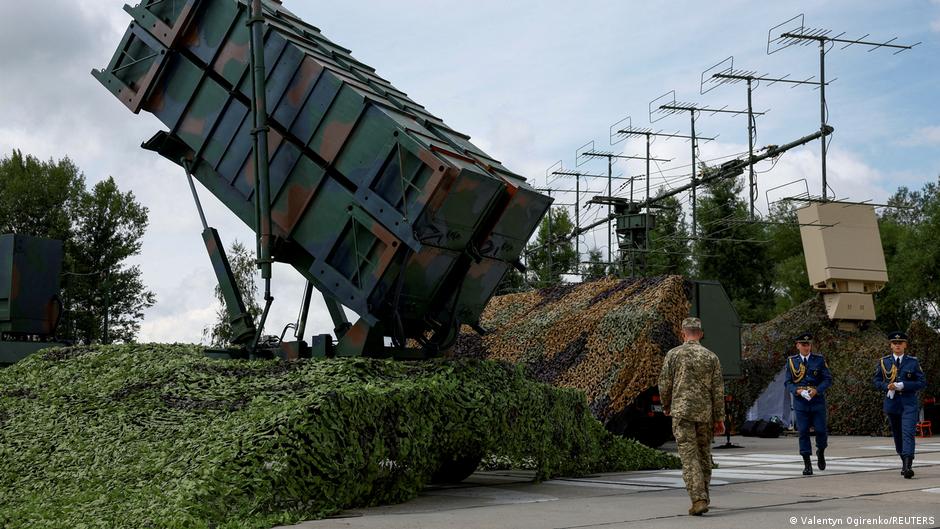
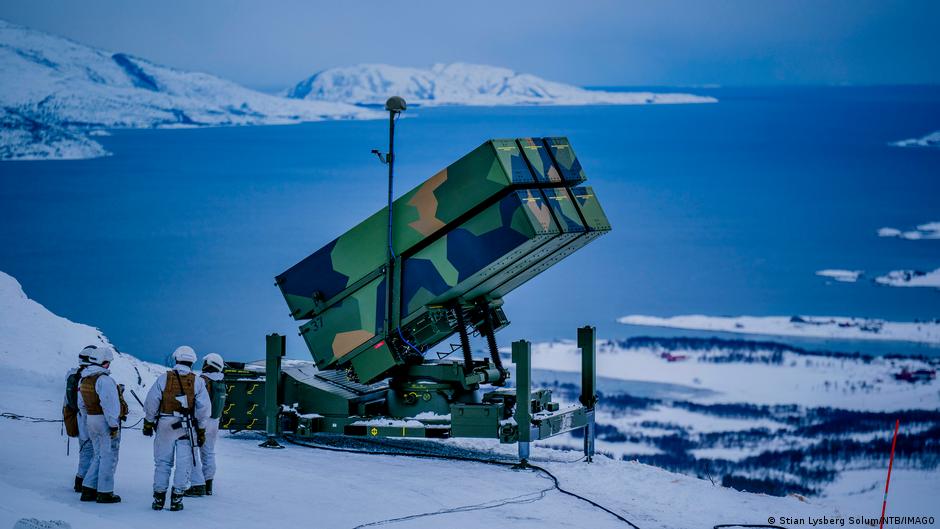
Concerns over Ukraine’s potential to produce Patriot missiles raise questions about defense spending, supply chains, currency impacts, and investor risks affecting households globally.

US missile supplies are strained by aid to Ukraine, prompting concerns about increased defense spending and potential impacts on household budgets and consumer finances.

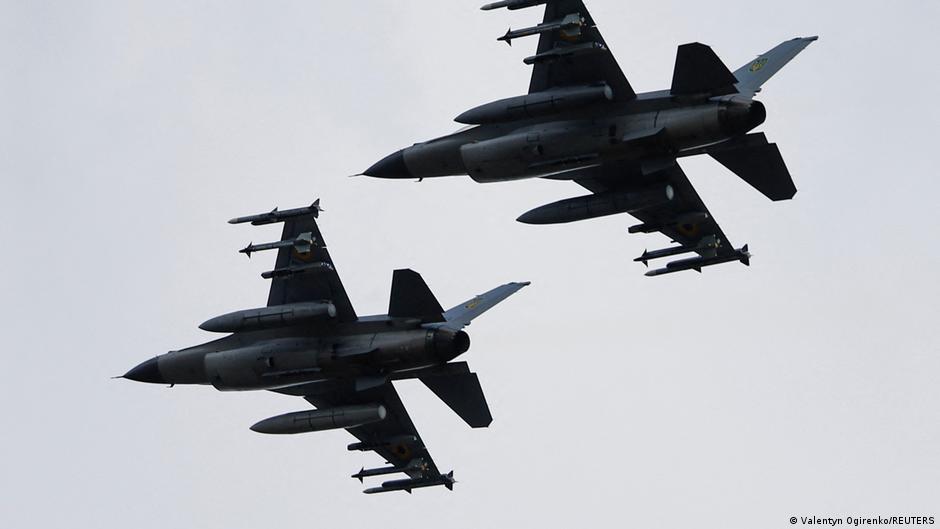
Ukraine’s fourth F-16 fighter jet crash highlights rising military costs and financial pressures affecting national budgets and household economies amid ongoing conflict.

Germany plans a 25.5% defense budget increase for 2026, raising concerns over impacts on household finances, public debt, and investor markets.

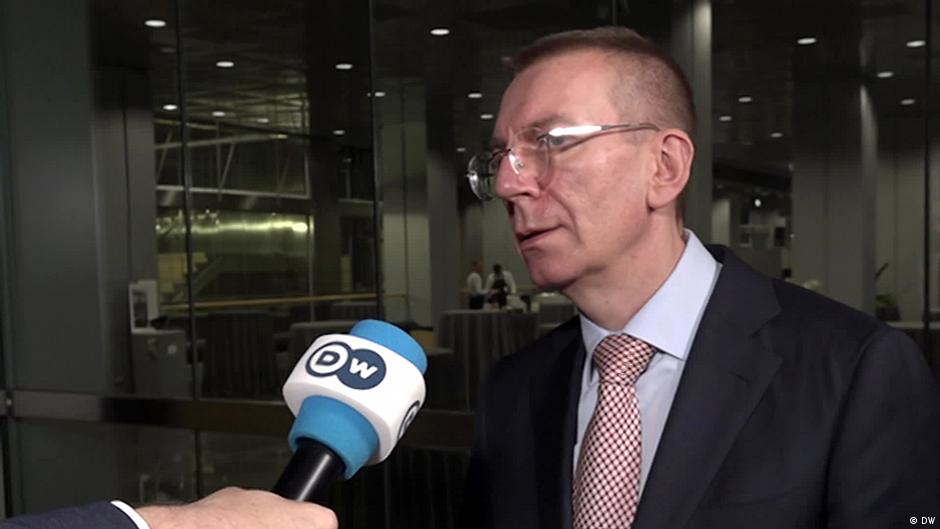
Latvian President warns NATO to prepare for conflict escalation with Russia, highlighting increased defense spending and its impact on European household budgets and savings.

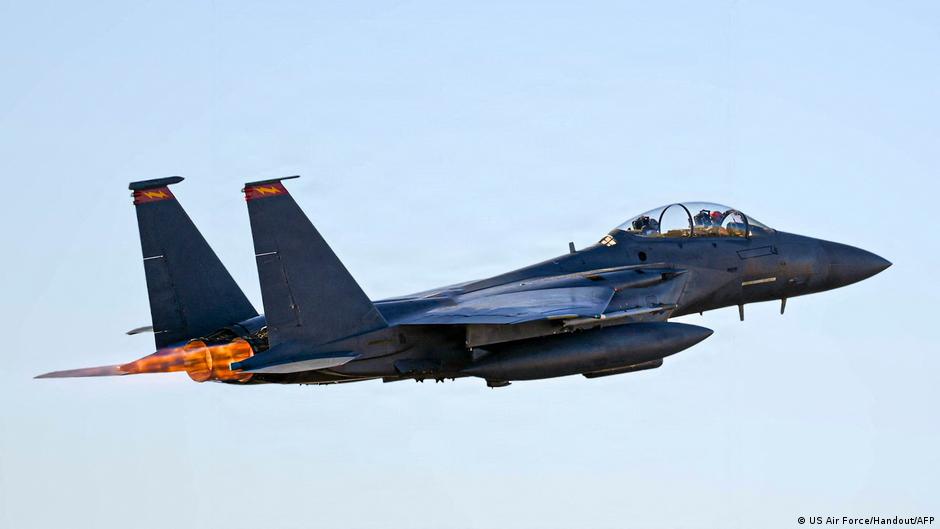
The U.S. plans to reduce its NATO fighter jets and naval presence in Europe, affecting defense budgets, currency stability, and investor outlooks across allied nations.

Germany commits an extra €300 million to Ukraine ammunition supplies, raising concerns about European fiscal pressures affecting household budgets and consumer finances.

NATO intelligence reveals Russia's secret underwater nuclear missile project which could impact global defense spending, currency stability, and everyday financial risks for consumers and investors.

The US plans to deploy 5,000 additional troops to Poland amidst military realignments, impacting defense budgets, currency stability, and potentially household finances globally.

The UK plans to raise defense spending by £18 billion, a move that could reshape government budgets and impact household finances amid political unrest.

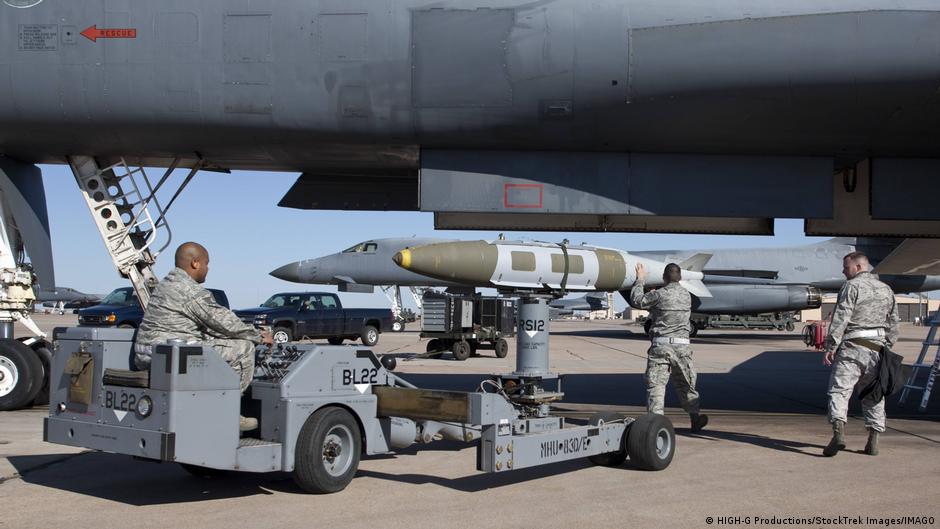
The US approved a $373.6 million sale of precision bomb kits to Ukraine, impacting defense budgets, inflation, currency markets, and investors in aerospace sectors.

Germany is accelerating its long-range missile development after the US declined Tomahawk deployment, affecting European security, defense budgets, and investors’ outlook.

US delays in arms shipments to Europe due to Iran conflict strain defense budgets, impacting household finances, currency stability, and investor confidence across allied nations.

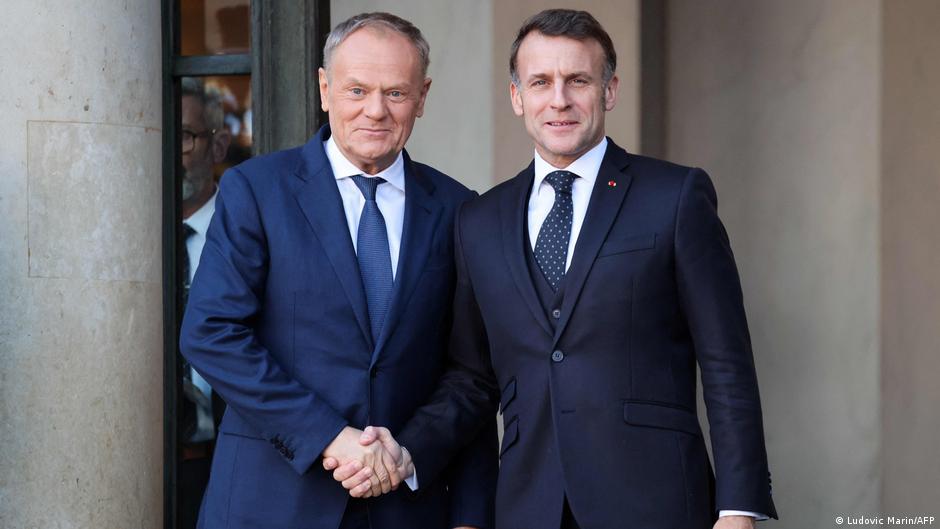
Poland and France are jointly developing a military satellite to secure Poland’s defense communications, reflecting broader trends in European defense spending and technology investments.